From WIRED · Rhett Allain · · 3m
How Tesla's Roadster 2 defies physics
Elon Musk's flying car prototype uses fans and compressed air to drive up walls and leap obstacles. Here's the physics that makes it work.
In brief
Elon Musk's flying car prototype uses fans and compressed air to drive up walls and leap obstacles. Here's the physics that makes it work. Tesla's Roadster 2 prototype uses vacuum suction and compressed air to drive vertically, accelerate to sixty miles per hour in under a second, and briefly fly. The stunts rely on…
Tesla reveals its flying Roadster

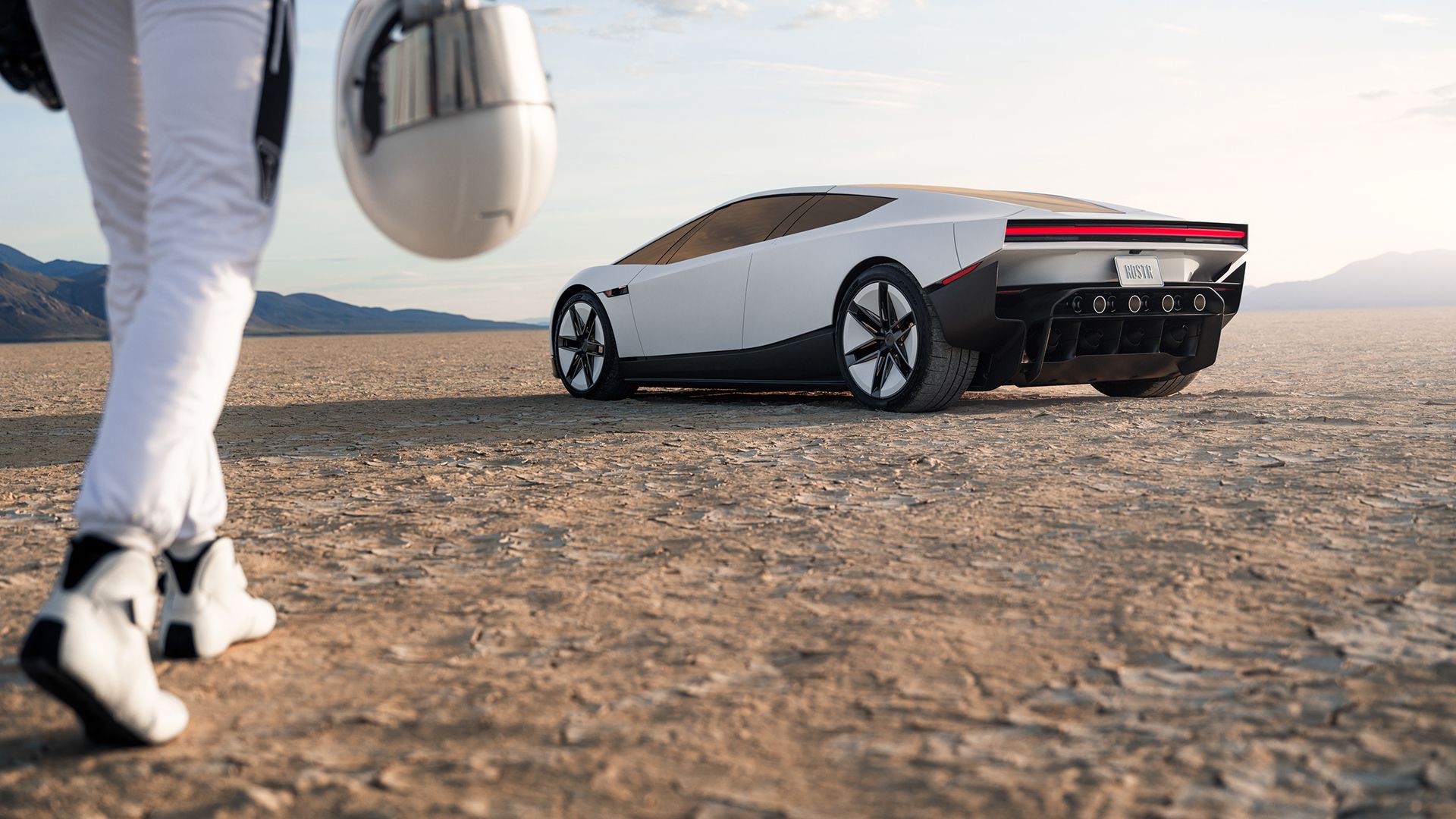
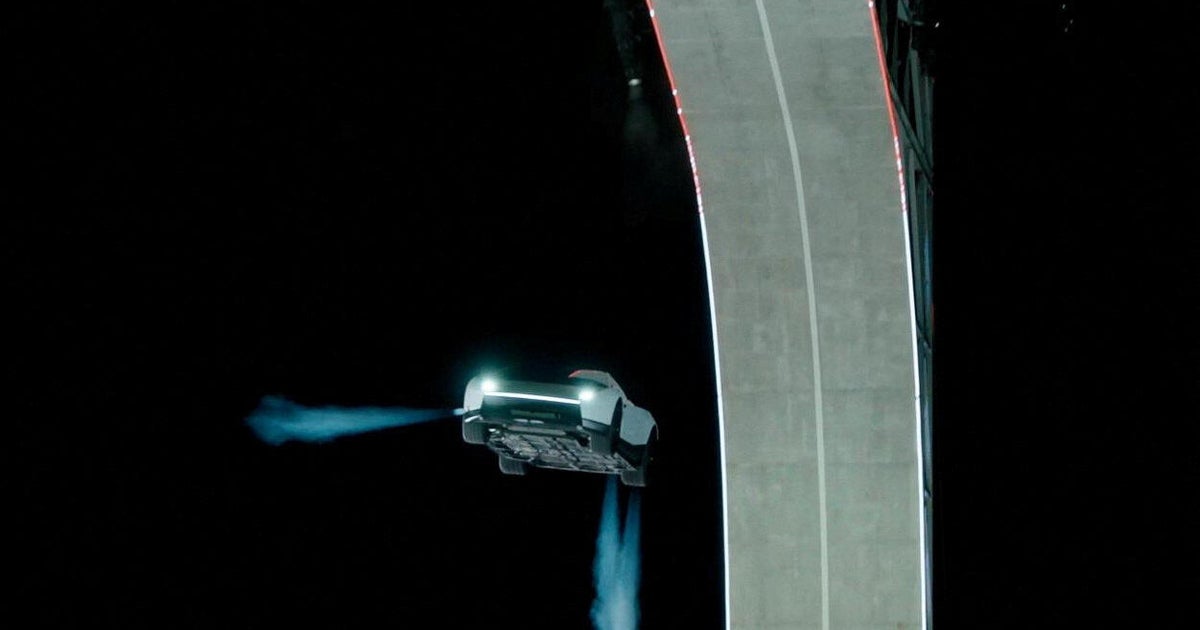
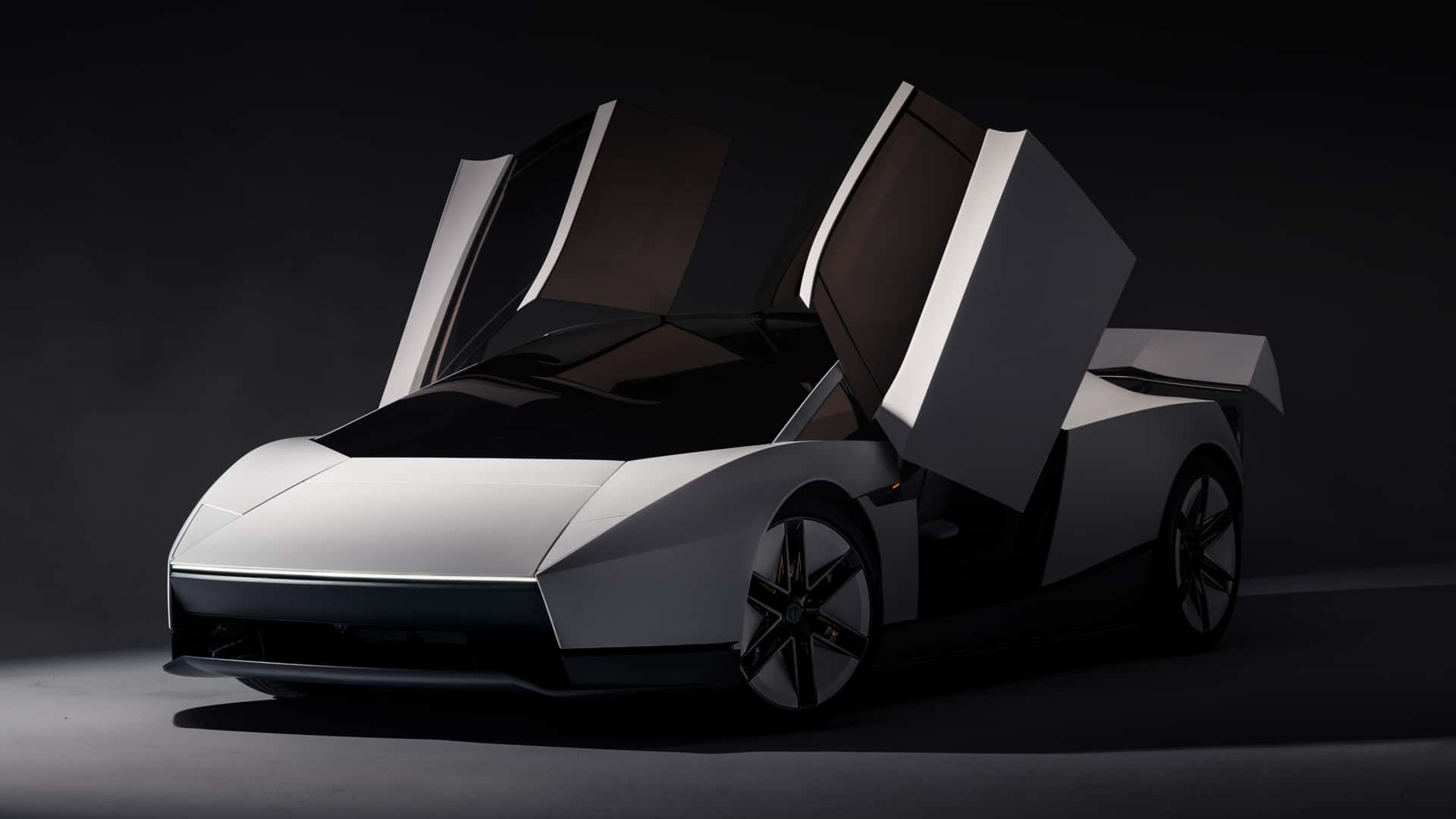
Last week, Elon Musk unveiled Tesla's long-delayed Roadster 2 prototype. The car flies, drives up vertical walls upside down, and jumps over Tesla's entire vehicle lineup.
The wall-climbing trick uses friction
The Roadster 2 drives up walls by increasing the normal force between the car and surface. Static friction depends on how hard two surfaces push together and the materials involved.
Normal cars can't climb steep angles
With a coefficient of friction of zero point six, a normal car can only climb an incline of about thirty-one degrees. Even with a coefficient of zero point nine, the maximum is forty-two degrees.
Fans create a vacuum underneath

The Roadster 2 uses fans to blow air out from under the car with side flaps, lowering air pressure underneath. This works like a vacuum cleaner, pressing the car against vertical surfaces.
The math behind the suction
Tesla says the Roadster 2 weighs one thousand seven hundred kilograms with a contact area of about two square meters. The required pressure underneath is eighty-six percent of atmospheric pressure.
Suction improves normal driving too
Pushing the car down increases friction, allowing faster acceleration, quicker braking, and sharper turns. Performance automakers have used this principle for decades, though not to Tesla's degree.
Zero to sixty in under a second
The Roadster 2 claims zero to sixty miles per hour in less than a second. A normal car using tire friction alone can only achieve zero to sixty in four point five six seconds.
Compressed air acts like a rocket
The Roadster 2 uses compressed air shot out the back to accelerate beyond friction limits. When air is pushed out, it pushes back on the car with equal force, following Newton's third law.
Flying only lasts a few seconds
The Roadster 2 uses the same compressed-air method to lift off the ground. But the tank pressure drops quickly, so the car can only fly for a few seconds before losing thrust.
“If I was going to have a flying car, I would hope it could at least fly for ten minutes of air time.”
The jump creates dangerous forces
Video analysis of the Roadster 2 jumping over a Tesla Semi truck shows vertical acceleration of about ninety-eight metres per second squared. That's roughly ten g's of force on humans.
Humans can survive but it's risky
Humans can survive ten g's of acceleration for a short time, but it carries risks and is deeply unpleasant. The demo used a robot driver instead of a human behind the wheel.
The essence
Tesla's Roadster 2 prototype uses vacuum suction and compressed air to drive vertically, accelerate to sixty miles per hour in under a second, and briefly fly. The stunts rely on physics principles but expose humans to dangerous acceleration forces.