From WIRED · Nicola Jones · · 3m
Super El Niño Threatens Global Hunger
This year’s super El Niño could push 49 million more people into food insecurity by 2027, worsening hunger amid climate and conflict.
In brief
This year’s super El Niño could push 49 million more people into food insecurity by 2027, worsening hunger amid climate and conflict. This year’s super El Niño may push 49 million more people into acute food insecurity by 2027, raising global hunger risks. Originally reported by WIRED.
Super El Niño's Impact

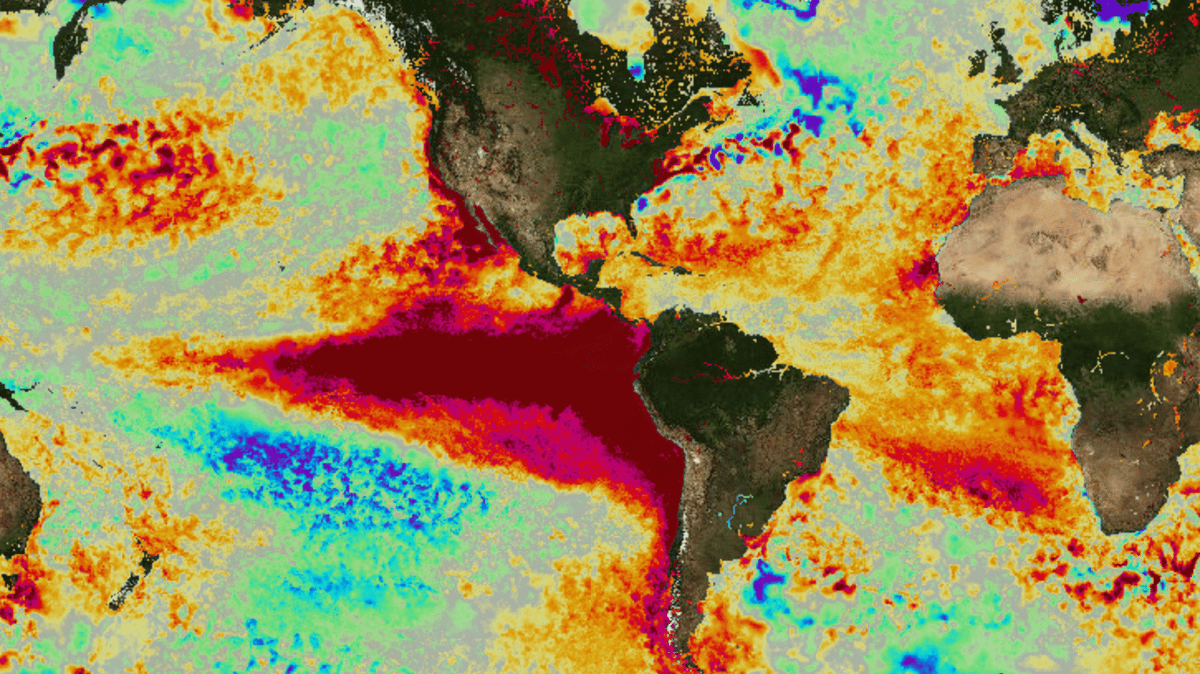
This year’s El Niño has already topped previous record holders in strength, with sea-surface warming in the tropical Pacific expected to exceed a millennium’s high by early winter.
Food Insecurity Forecast
The World Food Programme warns this El Niño could push an additional 49 million people into acute food insecurity by 2027, raising the global total to 274 million.
Drought and Conflict
Droughts fueled by El Niño, combined with conflict, are driving severe food shortages in regions like the Sahel and Southern Africa.
Crop Production Drops

El Niño years typically suppress maize, rice, and wheat production by up to 4 percent, with South Africa’s maize output averaging 28 percent below normal.
Global Fertilizer Shortages
The Middle East, which produces a quarter of the world’s fertilizer, faces supply disruptions due to the Ukraine war and the Iran conflict.
Food Price Trends
Global food prices have been rising for 20 years due to climate impacts, with this year’s El Niño adding further strain on markets.
Regional Food Crises
Indonesia’s palm oil mills halted purchases due to drought, while Cambodia faces rice field shortages from a delayed rainy season.
WFP Response
The World Food Programme has reached 28 million people across 15 countries with early warning information and assistance.
Funding Shortfalls
Global aid funds dropped 30 percent from 2022 peaks, limiting the World Food Programme’s ability to reach vulnerable populations.
The big picture
This year’s super El Niño may push 49 million more people into acute food insecurity by 2027, raising global hunger risks.
Read the TL;DR — this story on one card.