From Wellbeing Magazine · Editorial Team · · 2m
Fluoride-free oral care that actually works
Hydroxyapatite offers real science behind fluoride-free toothpaste, finally giving parents and ingredient-conscious adults a genuine alternative.
In brief
Hydroxyapatite offers real science behind fluoride-free toothpaste, finally giving parents and ingredient-conscious adults a genuine alternative. Hydroxyapatite, the mineral your teeth are made of, now has clinical evidence showing it works as well as fluoride for cavity prevention without fluorosis risk. Originally…
Why people quit fluoride
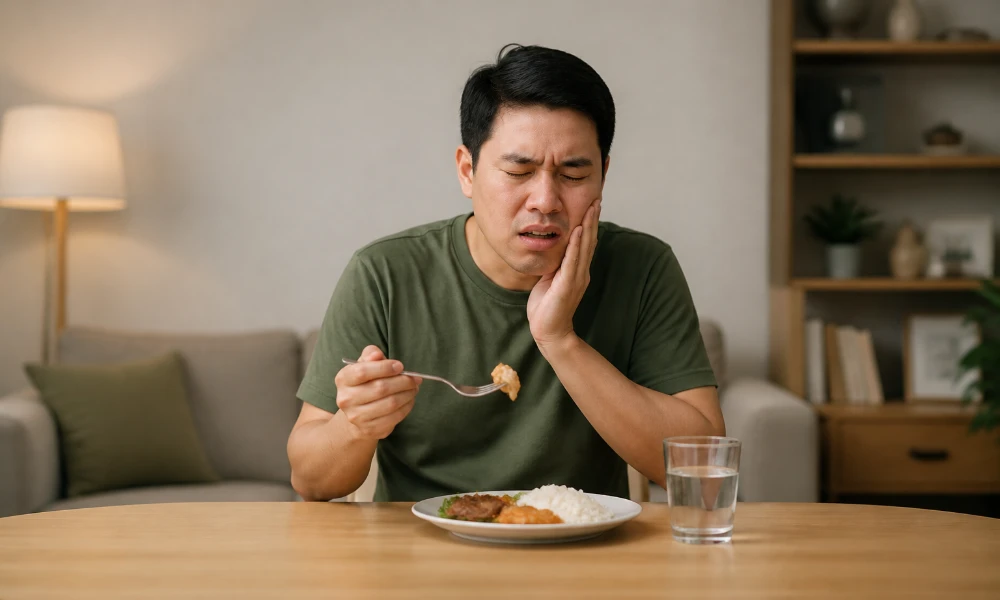
Parents worry about young children swallowing too much toothpaste, which can cause dental fluorosis. Others prefer fewer synthetic additives in their routines.
Fluoride works, but comes with caveats
Fluoride has 50 years of evidence reducing tooth decay. But it's a pharmacological agent requiring careful dosing, especially for children under six.
“Fluoride works. That deserves saying plainly: it has half a century of evidence behind it.”
The fluoride-free aisle used to fail
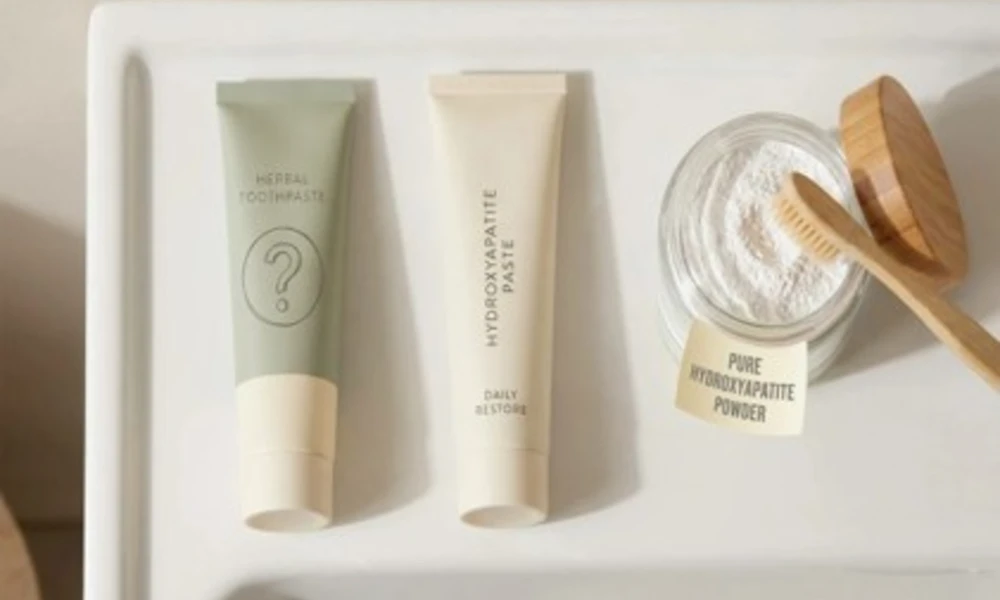
For decades, charcoal pastes, herbal gels and detoxifying powders promised much but protected little. Dentists rolled their eyes for good reason.
“If you removed the one ingredient with proven cavity protection and replaced it with flavour, you were brushing with hope.”
What teeth are actually made of
Your tooth enamel is roughly 97 percent hydroxyapatite, a crystalline form of calcium phosphate. It's the same mineral found in bone.
How enamel loses and gains minerals
Every day, acids from food and plaque bacteria pull minerals out of enamel (demineralisation), while saliva slowly puts them back (remineralisation). Decay starts when losses outpace repairs.
Hydroxyapatite: the game changer
Synthetic hydroxyapatite, approved in Japan since 1993, binds to teeth and fills microscopic defects with the exact minerals enamel is built from, acting as a sacrificial shield against acid.
Clinical trials prove hydroxyapatite works
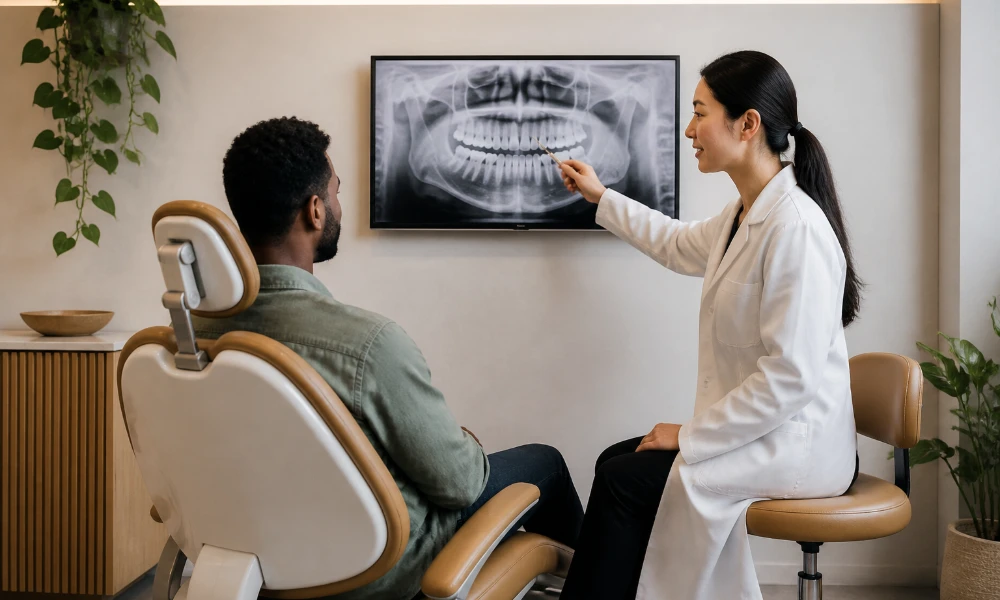
Randomised controlled studies over the past decade found well-formulated hydroxyapatite toothpastes comparable to fluoride for cavity prevention, plus benefits for sensitivity and early lesions.
No fluorosis risk when swallowed
Swallowed hydroxyapatite is just calcium phosphate, digested like any mineral. There's no fluorosis-style dosing anxiety or supervised-smear arithmetic needed.
Choose a serious hydroxyapatite product
Look for hydroxyapatite plainly named as the active ingredient, not a trace addition. Effective trials used around 10 percent concentration, now the industry benchmark.
Paste or pure powder format
Most people start with toothpaste for convenience. Pure hydroxyapatite powder offers a single ingredient with no fillers or preservatives, letting you control the dose.
The rest of your routine still matters
Two minutes twice daily with a soft brush, clean between teeth daily, and spit without rinsing. Hydroxyapatite needs contact time with enamel to bind.
Starve demineralisation, feed remineralisation
Frequent grazing on sugary or acidic foods keeps enamel under constant attack. Give your saliva a fighting chance between exposures by limiting how often you eat these foods.
The short version
Hydroxyapatite, the mineral your teeth are made of, now has clinical evidence showing it works as well as fluoride for cavity prevention without fluorosis risk.