From Wellbeing Magazine · Editorial Team · · 3m
Postpartum Recovery Essentials
How to prioritize self-care after birth without comparison.
In brief
How to prioritize self-care after birth without comparison. Postpartum recovery requires individualized physical and emotional care, not rushing back to pre-pregnancy routines. Originally reported by Wellbeing Magazine.
Postpartum Period Challenges
The postpartum period can be joyful, exhausting, emotional, uncomfortable, and unpredictable, sometimes all within the same day.
Recovery Needs More Than Waiting
Postpartum recovery is not simply about waiting until you feel like your pre-pregnancy self again. It is a period of physical and emotional adjustment that deserves patience, support, and appropriate healthcare.
Recovery Varies Individually
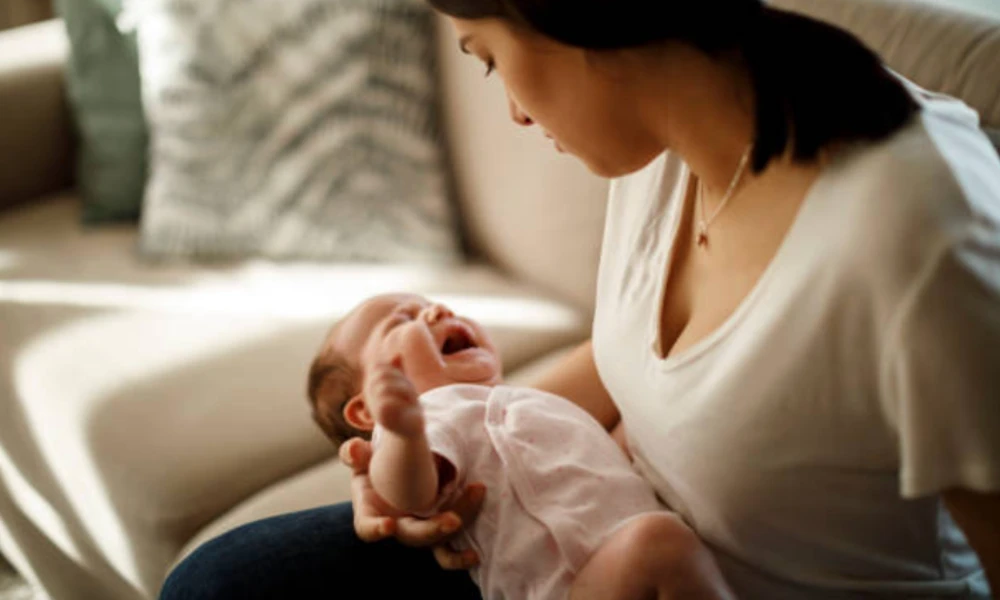
Every recovery looks different. Your birth experience, overall health, feeding choices, support network, and individual circumstances can all influence the weeks and months that follow.
Give Your Body Time
Pregnancy and birth place considerable demands on the body. Whether you had a vaginal birth or Cesarean delivery, healing takes time.
Avoid Social Media Comparisons
Social media can make it appear as though other people quickly return to exercise, socializing, work, and their previous routines after having a baby.
Focus on Personal Recovery
Rather than comparing yourself to others, focus on yourself, resting when circumstances allow, attending your postpartum appointments, and speaking to your healthcare provider about symptoms or concerns rather than assuming discomfort is simply something you have to tolerate.
Pay Attention to Posture
Caring for a newborn introduces repetitive physical work that can affect how your body feels, including tension through your neck and shoulders or discomfort in your back and hips.
Use Supportive Positions
Pillows can help position your baby during feeding, while changing your position periodically may prevent discomfort for too long.
Seek Professional Help for Pain
Some parents seek professional help for musculoskeletal discomfort after pregnancy, such as back, hip, pelvic, or sciatic discomfort.
Prioritize Rest Without Expecting Sleep
Babies may sleep unpredictably, so rest does not always mean sleeping. Reducing demands on yourself and creating periods when you are not actively doing something can help.
Nourish Consistently
New parents can forget to feed themselves. Regular, nourishing meals support energy levels and overall wellbeing during postpartum recovery.
Return to Movement Gradually
Movement after birth should be approached with patience. Your timeline for returning to exercise depends on your pregnancy, type of delivery, healing, symptoms, previous activity level, and medical advice.
Remember Pelvic Health
Changes such as urinary leakage, pelvic pressure, pain, or discomfort during sex should not automatically be dismissed as an unavoidable consequence of having a baby.
Emotional Recovery Matters
Hormonal changes, sleep deprivation, and the responsibility of caring for a newborn can create an intense period of adjustment that requires emotional support.
The headline
Postpartum recovery requires individualized physical and emotional care, not rushing back to pre-pregnancy routines.