From Wellbeing Magazine · Editorial Team · · 3m
Simpler hair care that actually works
Healthier hair doesn't require more products, just smarter habits that protect what you already have.
In brief
Healthier hair doesn't require more products, just smarter habits that protect what you already have. Protecting existing hair from damage is more effective than adding endless products to your routine. Originally reported by Wellbeing Magazine.
More products aren't the answer
Serums, oils, supplements and masks promise healthier hair, but adding more products isn't always what your hair needs.
Different problems need different solutions
Heat damages the hair shaft, genetic loss develops in the follicle, and nutrition affects the growth cycle. Treating them the same doesn't work.
Wet hair breaks easily

The shaft swells when it absorbs water, making it easier to stretch and break. Gently squeeze water out and use a wide-toothed comb from ends upwards.
Lower the heat on styling tools
Repeated high temperatures damage the outer cuticle, increasing dryness and breakage. Let hair partially air dry and reduce tool temperatures.
“Think of heat protection as a seatbelt, not a licence to drive recklessly.”
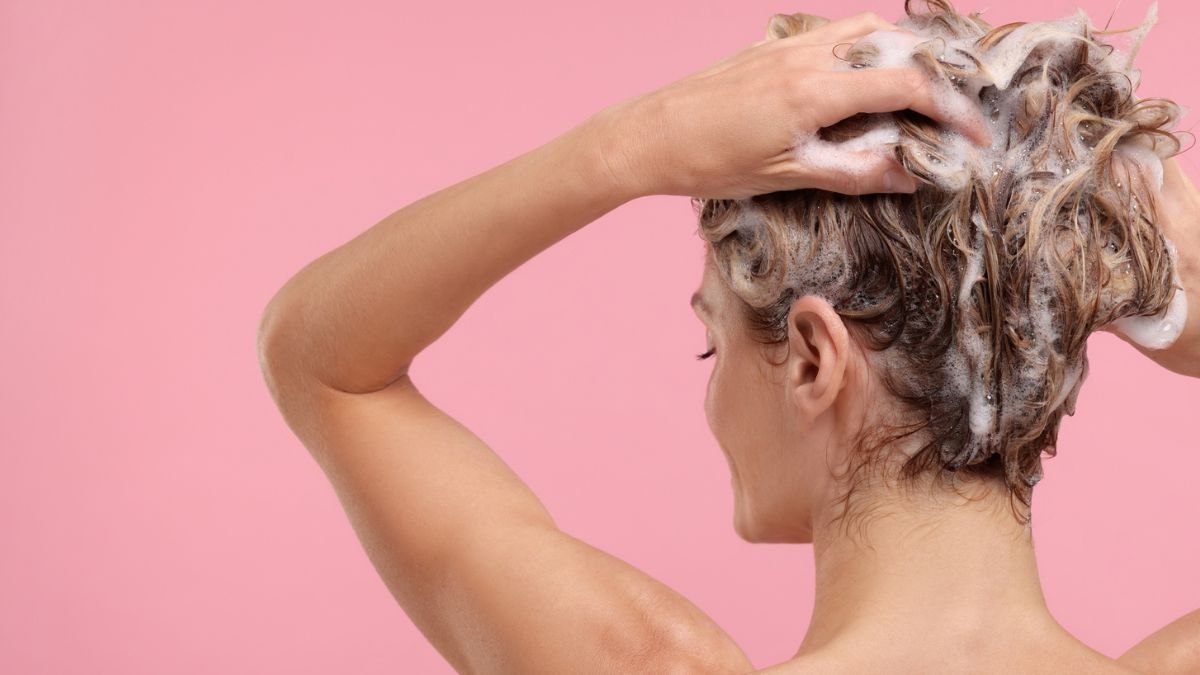
Foam doesn't equal clean
How often you wash depends on scalp oiliness, hair texture and activity levels. Remove build-up without leaving your scalp uncomfortable.
Apply conditioner to the ends
Shampoo cleans the scalp and roots, while conditioner improves smoothness of the shaft. Focus conditioner on lengths and ends, not the scalp.
Tight hairstyles cause damage
Styles that repeatedly pull on the same areas place ongoing tension on follicles. Alternate styles and loosen ponytails to reduce stress.
“Hair care should not hurt.”
Extreme diets trigger shedding
During inadequate nutrition, more follicles shift into the resting stage. Increased shedding may appear weeks or months after major weight loss.
Eat enough protein and nutrients
Hair production requires adequate energy, protein, vitamins and minerals. A varied diet beats handfuls of supplements without knowing if you're deficient.
Breakage isn't the same as thinning
Breakage affects strands themselves with split ends and roughness. Pattern hair loss involves follicles shrinking under the influence of DHT.
Finasteride can treat male pattern loss
For clinically assessed men, finasteride reduces testosterone conversion to DHT and can increase growth. It has potential side effects including sexual dysfunction.
Most products can't reach follicles
Masks and oils improve softness and reduce friction, which is worthwhile. They can't change inherited DHT sensitivity or correct medical causes of loss.
Take photos to track changes
Hair changes slowly, but daily mirror checks make it hard to judge progress. Photograph your hairline and crown every few months under similar lighting.
Some changes need professional help
Seek advice if loss develops suddenly, occurs in patches, progresses quickly or involves scalp pain, redness or scarring.
Focus on resilience, not perfection
Healthy hair means limiting damage, keeping the scalp comfortable and eating adequately. Persistent thinning may need assessment, not another product.
The bottom line
Protecting existing hair from damage is more effective than adding endless products to your routine.