From Woman's World · Hanna Wickes · · 1m
Do Digestive Enzyme Supplements Actually Work for Bloating?
Gastroenterologists clarify when enzyme pills help bloating and when they don't.
In brief
Gastroenterologists clarify when enzyme pills help bloating and when they don't. Supplements work best for specific triggers like lactose intolerance, not general bloating. Originally reported by Woman's World.
Quick answers
- What Are Digestive Enzymes?
- Digestive enzymes break food into nutrients your body can absorb. Different enzymes target carbs, proteins, fats, and sugars.
- When Do Enzyme Pills Help?
- Take them with the first bites of a meal for best results. Lactase works best before dairy triggers.
- Which Supplements Work?
- Lactaid treats lactose intolerance. Beano reduces gas from beans. Broader claims lack strong evidence.
- Who Needs Them?
- People with diagnosed enzyme deficiencies need supplements. Healthy people without symptoms don't require them.
- What is the key takeaway from Do Digestive Enzyme Supplements Actually Work for Bloating??
- Supplements work best for specific triggers like lactose intolerance, not general bloating.
What Are Digestive Enzymes?
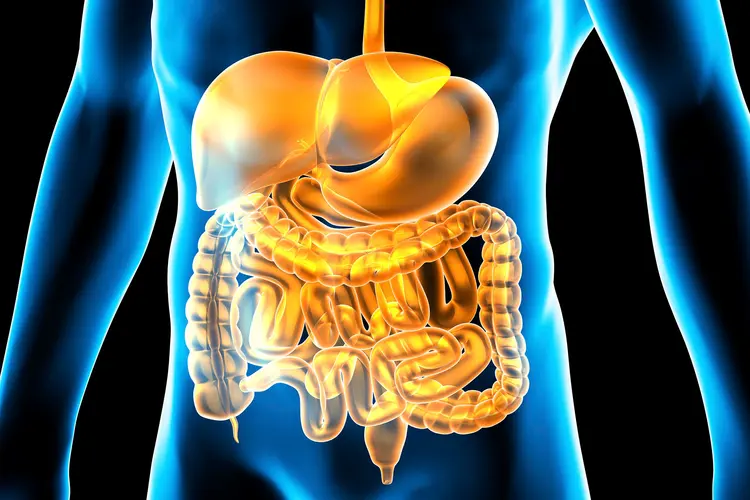
Digestive enzymes break food into nutrients your body can absorb. Different enzymes target carbs, proteins, fats, and sugars.
“The digestive enzymes naturally occurring in the body break down our food so that we can absorb the nutrients required for our bodily functions”
When Do Enzyme Pills Help?
Take them with the first bites of a meal for best results. Lactase works best before dairy triggers.
“You want the enzymes to be mixed in with the food as digestion begins”
Which Supplements Work?
Lactaid treats lactose intolerance. Beano reduces gas from beans. Broader claims lack strong evidence.
“Evidence is strongest for two targeted products, Lactaid for lactose intolerance and Beano for gas and bloating after legumes”
Who Needs Them?
People with diagnosed enzyme deficiencies need supplements. Healthy people without symptoms don't require them.
“Those patients are really the only people with a clinical or legitimate need for digestive enzyme products”
Market Size and Demand
The market hit $1.5 billion in 2024 and is projected to reach $2.1 billion by 2030.
“The global market hit $1.5 billion in 2024 and is projected to reach $2.1 billion by 2030”
Natural Enzyme Sources
Papaya, kiwi, mango, avocado, figs, and pineapple contain natural enzymes but aren't substitutes for deficiencies.
“Papaya, kiwi, mango, avocado, figs and pineapple all naturally contain digestive enzymes”
What matters most
Supplements work best for specific triggers like lactose intolerance, not general bloating.