From Woman's World · Kara Wahlgren, Chad Birt, Anna Traver, Lisa Maxbauer · · 2m
Fix Your Scalp to Regrow Hair After 50
Dermatologists reveal how scalp inflammation, poor circulation and nutrient gaps trigger hair thinning, and four simple treatments that work.
In brief
Dermatologists reveal how scalp inflammation, poor circulation and nutrient gaps trigger hair thinning, and four simple treatments that work. A healthy scalp is the foundation for hair growth. Inflammation, dandruff and styling damage are common culprits, but simple fixes like medicated shampoo, scalp massage and…
Scalp problems cause hair loss
If you're seeing more strands in your brush or a wider part, the issue may be your scalp, not your hair. Itchiness and scalp irritation directly contribute to shedding and thinning.
Inflammation triggers thinning hair
Scalp inflammation from styling, chemical treatments, tight ponytails and heat is one of the most common causes of hair thinning. This can lead to traction alopecia, or thinning at the forehead, temples and nape.
“Hair loss caused by the physical stresses to the scalp of styling has become one the most common causes of hair thinning I see in my practice, and it's on the rise.”
Scratching damages hair follicles

Seborrheic dermatitis, dandruff, psoriasis and head lice cause itching. The scratching itself damages follicles, making them unable to produce healthy hair strands.
“Constantly scratching the scalp can lead to damage to the hair follicles. Once the hair follicles are damaged, they are unable to produce healthy hair strands.”
Menopause shifts hormone balance
Women experience a 75 to 80 percent drop in estrogen during menopause, while testosterone drops only 20 to 25 percent. This hormonal shift accelerates female pattern hair loss.
Scalp microbiome needs balance
Your scalp hosts an ecosystem of bacteria and fungi. When balanced, this microbiome protects your scalp and creates a healthy environment for hair growth.
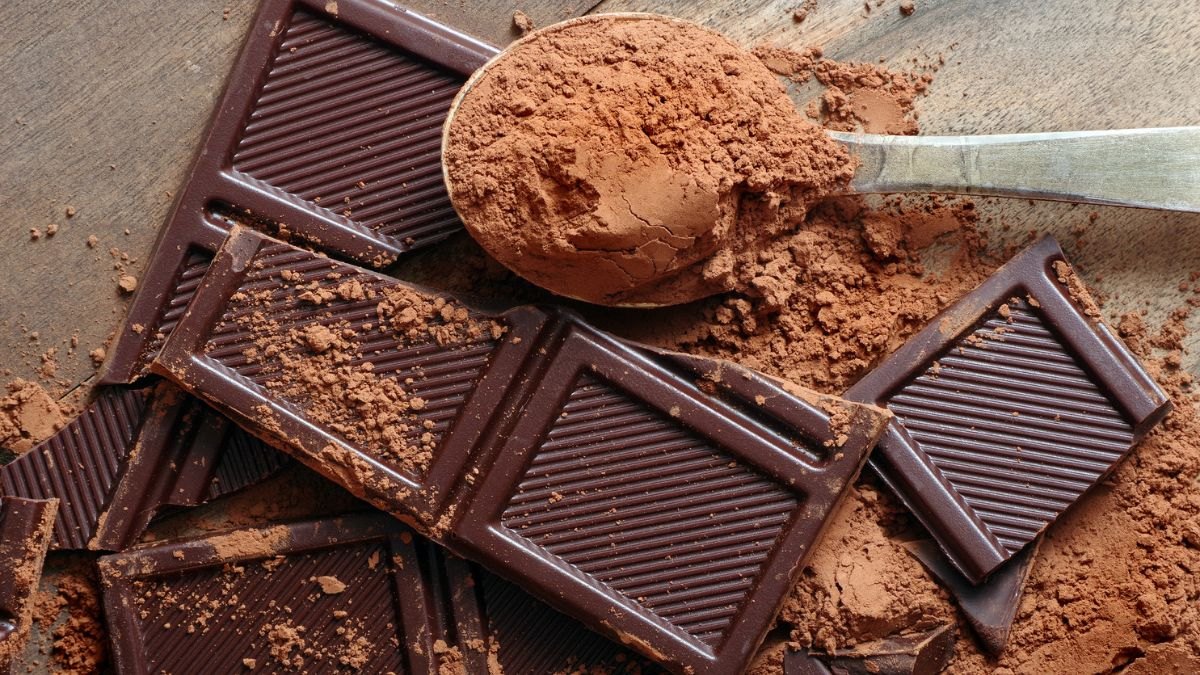
Nutrition fuels hair growth
Hair competes with vital organs for vitamins and nutrients. Deficiencies from crash diets and GLP-1 medications trigger shedding. Vitamin D, iron and zinc have proven benefits for hair.
“Your hair is fighting for the same vitamins and nutrients as your vital organs. So when you are deficient, your hair loses out.”
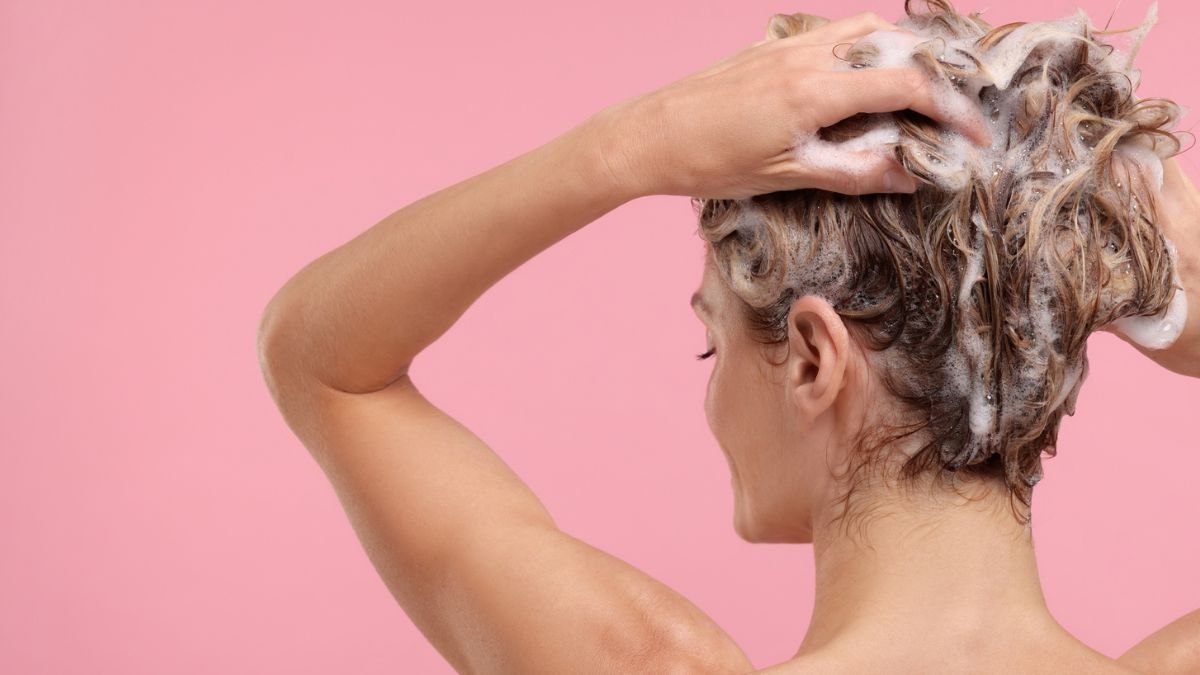
Scalp massage boosts circulation

A four-minute daily scalp massage increases blood flow to follicles, delivering oxygen and nutrients. A study found that massaging twice daily reduced shedding and boosted regrowth.
Use medicated shampoo for flakes
For a flaky, itchy scalp, choose a medicated shampoo with one percent pyrithione zinc like Selsun Blue or Head and Shoulders. Zinc pyrithione eases inflammation and supports skin healing.
Rethink your styling habits
Skip shampoo 24 hours before chemical services to build a protective sebum layer. Trade tight ponytails for loose styles, swap heavy extensions for clip-ins, and use the lowest heat setting on blow-dryers.
See a dermatologist if stuck
Give at-home treatments three months to work. If you don't see regrowth, consult a dermatologist about prescription options like oral minoxidil, PRP therapy, hormone treatment or hair transplantation.
What to remember
A healthy scalp is the foundation for hair growth. Inflammation, dandruff and styling damage are common culprits, but simple fixes like medicated shampoo, scalp massage and better nutrition can help regrow hair.