From Woman's World · Lisa Maxbauer · · 2m
Sneaky Signs Your Hormone Therapy Dose Is Off
How low desire or facial hair might signal your hormone therapy dose is too low or too high.
In brief
How low desire or facial hair might signal your hormone therapy dose is too low or too high. Women should adjust hormone therapy doses based on symptom improvement, adherence, and confidence in their regimen to find the right balance. Originally reported by Woman's World.
Hormone Therapy Dose Isn’t One-Size-Fits-All
Hormone therapy dosing must be individualized for each woman to manage perimenopause symptoms effectively.
Finding the Right Dose Takes Time
Adjusting hormone therapy regimens can take weeks to months to achieve the optimal balance for symptom relief.
70 Percent Symptom Improvement Is Target
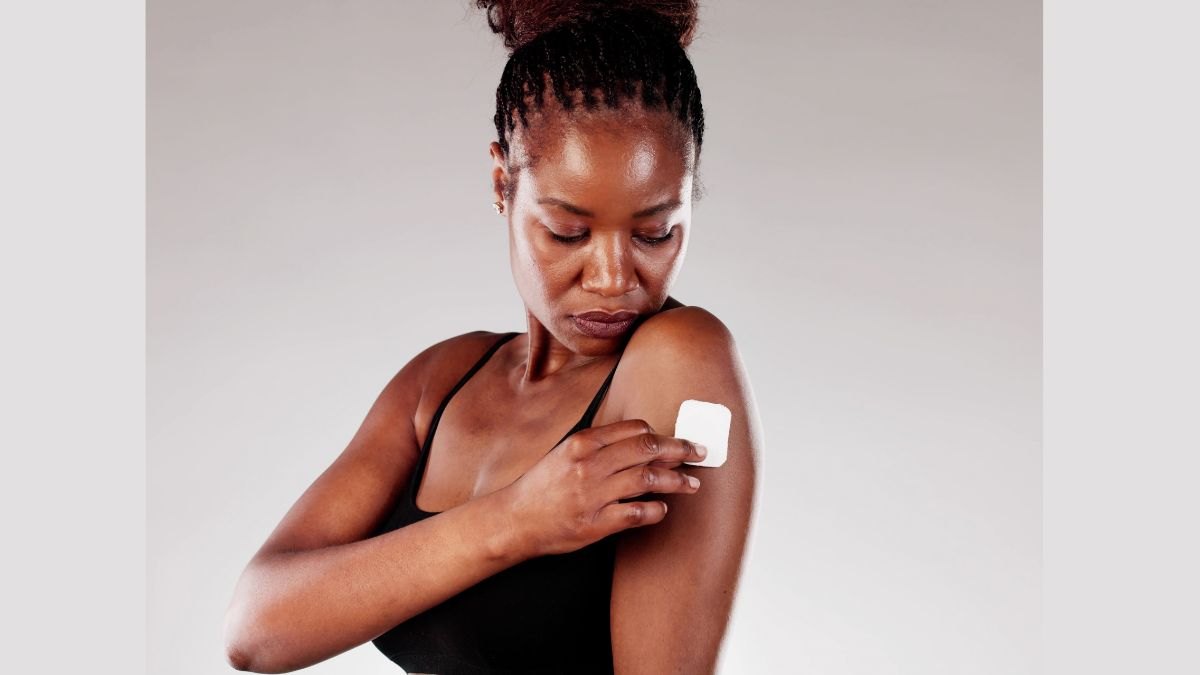
The goal is at least 70 percent improvement in perimenopause symptoms for hormone therapy to be effective.
Dr. Cabeca on Dosing as Art
Dr. Cabeca says dosing hormone therapy is more art than exact science, focusing on symptom relief rather than lab numbers.
“This is such an important question because even as a physician, I must recognize that dosing is more art than exact science”
Symptoms Guide Dose Adjustments
Dr. Hirsch emphasizes that symptom response, not routine hormone levels, is the best indicator for adjusting hormone therapy doses.
“I strongly believe that symptoms, rather than routine hormone levels, are often the most useful guide when adjusting hormone therapy”
Too Low Dose Signs
A dose too low may leave symptoms like hot flashes, night sweats, vaginal dryness, low libido, brain fog, and mood changes unresolved.
“The symptoms you started treatment for simply aren’t improving enough”
Too High Dose Signs
Excessive hormone therapy can cause fluid retention, irritability, breast tenderness, bleeding, headaches, or facial hair growth.
“With testosterone, excessive dosing can lead to acne, increased facial or body hair and scalp hair shedding”
70 Percent Improvement Target
Dr. Hirsch states that effective hormone therapy should improve symptoms by 70 to 80 percent or more for significant relief.
“My clinical goal is usually around 70 to 80 percent improvement or greater”
Adherence Matters
Hormone therapy must align with a woman’s lifestyle, including work schedules, travel, and family responsibilities.
“A medication can be medically appropriate and still be the wrong regimen for a particular woman”
Confidence in Regimen
Women should understand why they take each hormone, the dose, and how adjustments are made for effective hormone therapy.
“She should know why she’s taking each hormone, why she’s using that particular dose, route and formulation”
Dosing Adjustments Are Normal
Hormone therapy doses may need ongoing adjustments based on feedback to find the optimal balance over time.
“It’s important to note that dosing hormone therapy isn’t usually a one-and-done proposition”
The Right Dose Feels Right

When hormone therapy is right, women feel significant symptom relief without new unwanted side effects.
“you feel it!”
In short
Women should adjust hormone therapy doses based on symptom improvement, adherence, and confidence in their regimen to find the right balance.