From Woman's World · Ed Gross · · 4m
Stephen King's Modern Gothic Horror
How Stephen King transforms classic Gothic traditions into distinctly modern American nightmares.
In brief
How Stephen King transforms classic Gothic traditions into distinctly modern American nightmares. Stephen King reinvents Gothic horror by transplanting its timeless elements, haunted houses, vampires, forbidden knowledge, and the restless dead, into contemporary American settings. Originally reported by Woman's World.
King transforms Gothic traditions

Stephen King brings classic Gothic horror elements like haunted houses, vampires, and forbidden knowledge into modern America throughout his career.
Salem's Lot reimagines Dracula
King asked what would happen if Bram Stoker's Dracula arrived in a contemporary American town. The result: a vampire stronghold in rural Maine instead of ancient Europe.
“One night over supper I wondered aloud what would happen if Dracula came back in the 20th century, to America.”
Salem's Lot blends old and new
The novel retains the vampire and ominous house from Gothic tradition but plants them amid telephones, cars, schools and small-town gossip.
King's love letter to Maine

Salem's Lot captures the special things about small-town life while showing its scars. King wrote it in a furnace room with a fourth-grade desk propped on his knees.
“There will always be a special cold place in my heart for 'Salem's Lot.”
The Shining's American castle
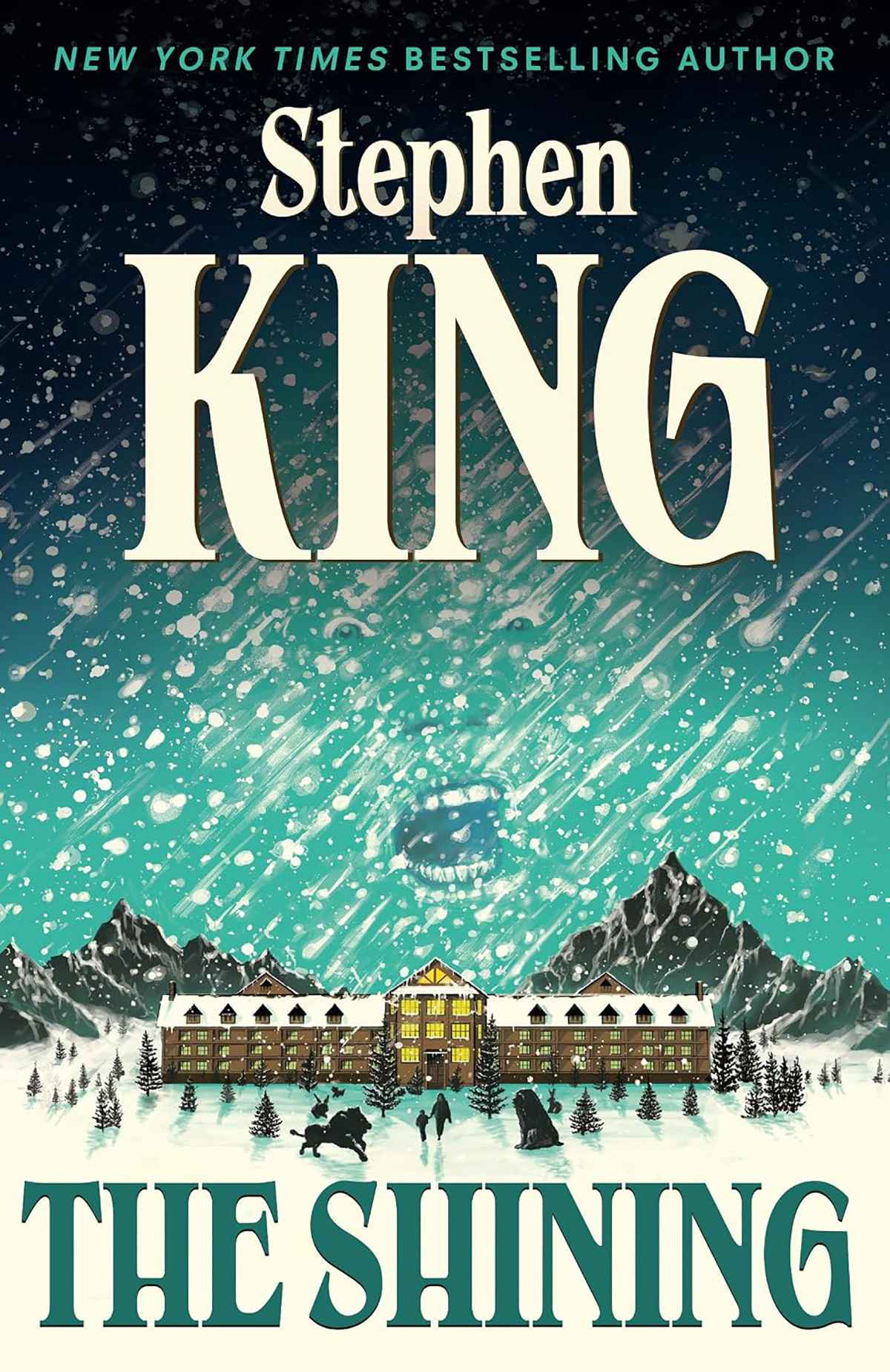
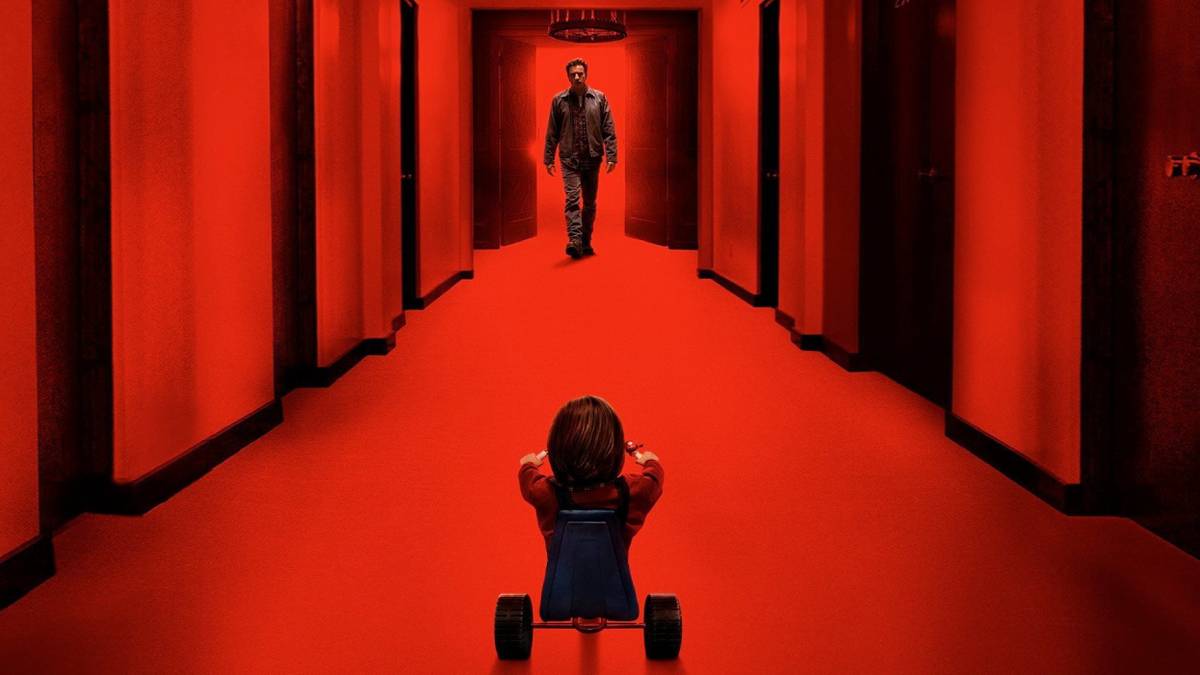
The Overlook Hotel becomes King's ultimate replacement for the traditional Gothic haunted castle. It's huge, isolated, and filled with forbidden rooms and violent memories.
The Shining inspired by Stanley Hotel
King and his wife stayed virtually alone at Colorado's Stanley Hotel just before it closed for winter in late September nineteen seventy-four. He dreamed of his young son running through corridors.
“It seemed the perfect, maybe the archetypal, setting for a ghost story.”
Pet Sematary's personal horror
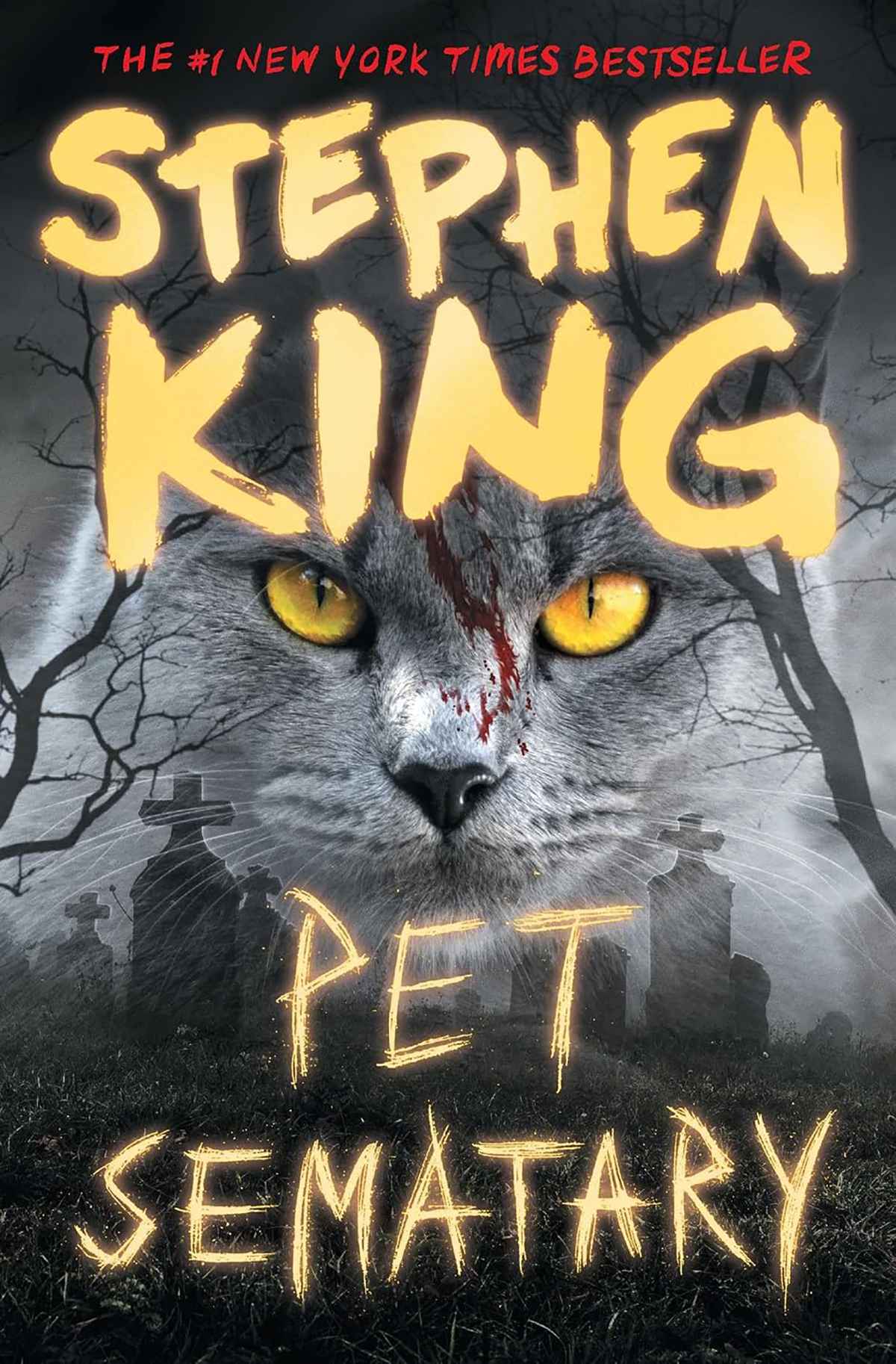
King developed this story after his daughter's cat was killed on a highway near their Maine home and his young son nearly ran into that same road.
Pet Sematary explores grief
The novel combines the Gothic obsession with bringing back the dead with painfully ordinary modern fears: traffic, pet death, and losing a child.
Pet Sematary's dark ending
King followed the grieving process all the way through, creating an ending so gruesome and awful that he didn't show it to his wife before publication.
“There's no hope for anybody at the end of that book.”
It expands the haunted house
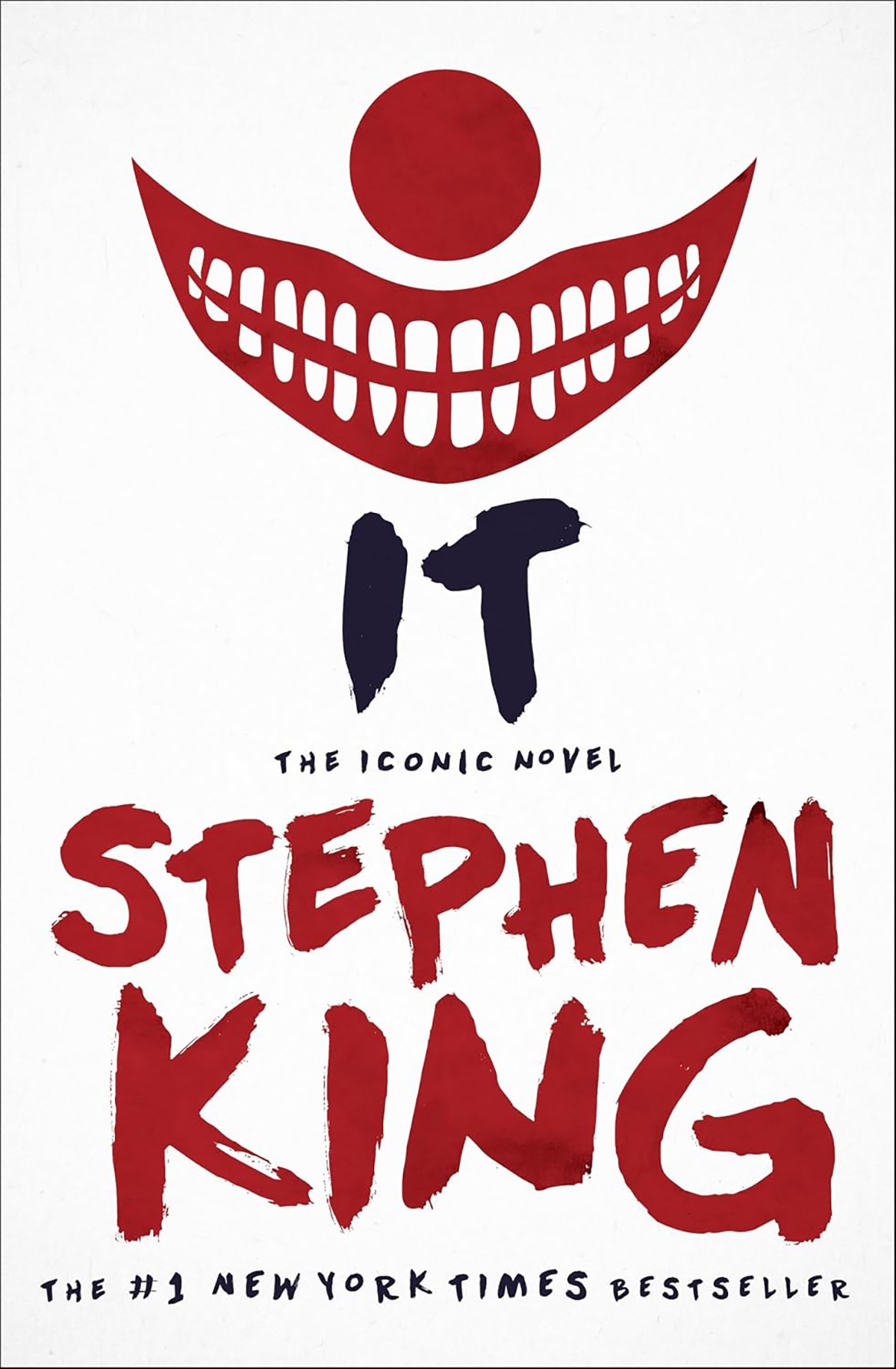
King expands the Gothic haunted house until it becomes an entire city. Derry, Maine looks ordinary but its history is filled with explosions, murders, and disappearances.
It inspired by a bridge walk
King conceived the idea while walking to pick up his car in Boulder, Colorado in nineteen seventy-eight. He thought about trolls under a bridge and the concept evolved over two years.
“A good idea is like a yo-yo, it may go to the end of its string, but it doesn't die there; it only sleeps.”
The Dark Half's literary double
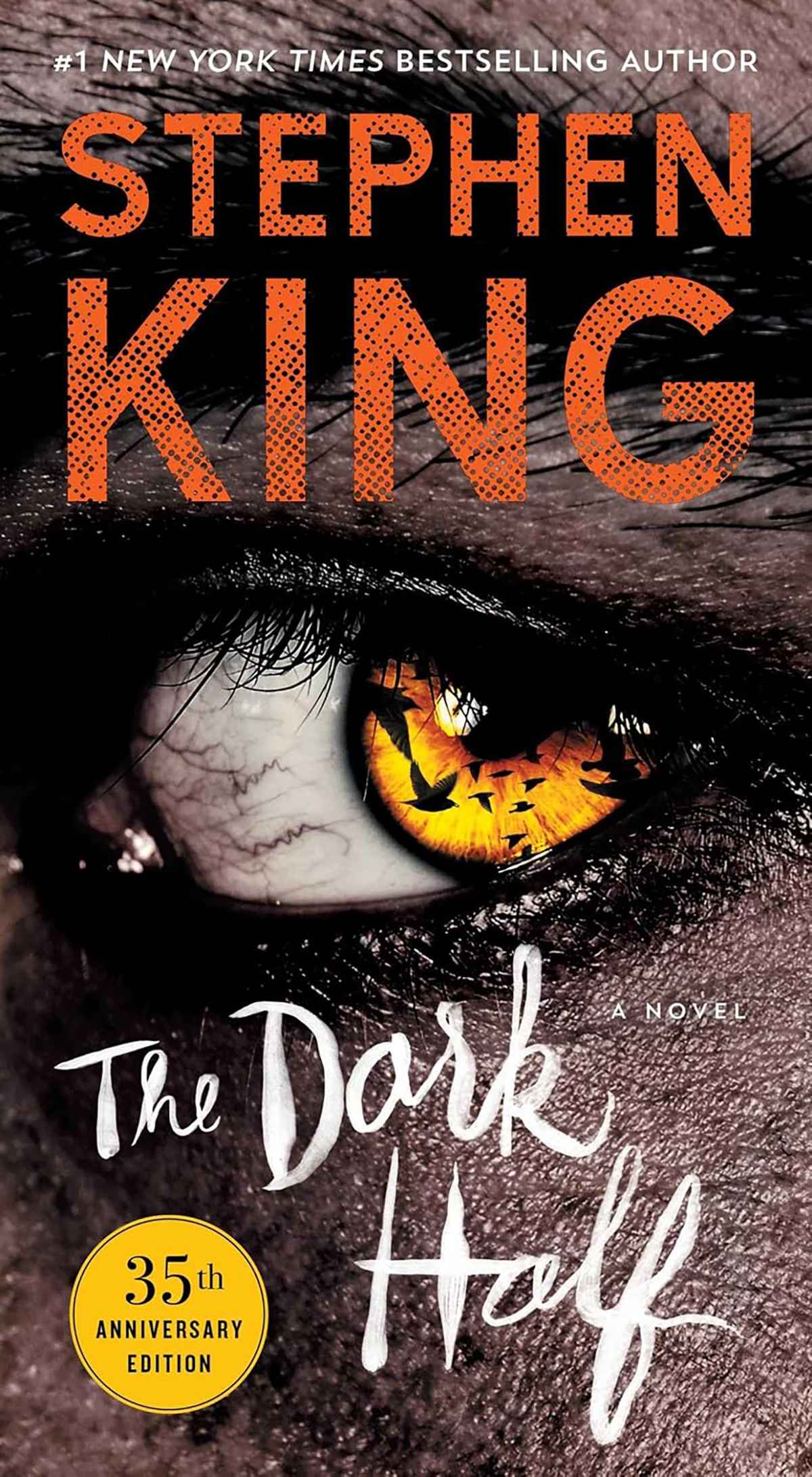
King makes the Gothic concept of the double literal by turning a writer's pseudonym into an independent being. George Stark becomes a murderous version of novelist Thad Beaumont.
The Dark Half's crow ending
King solved the ending after seeing a huge flock of crows taking wing. He connected them to a Lovecraft poem about a bird that is an emissary of death.
Bag of Bones haunts the present
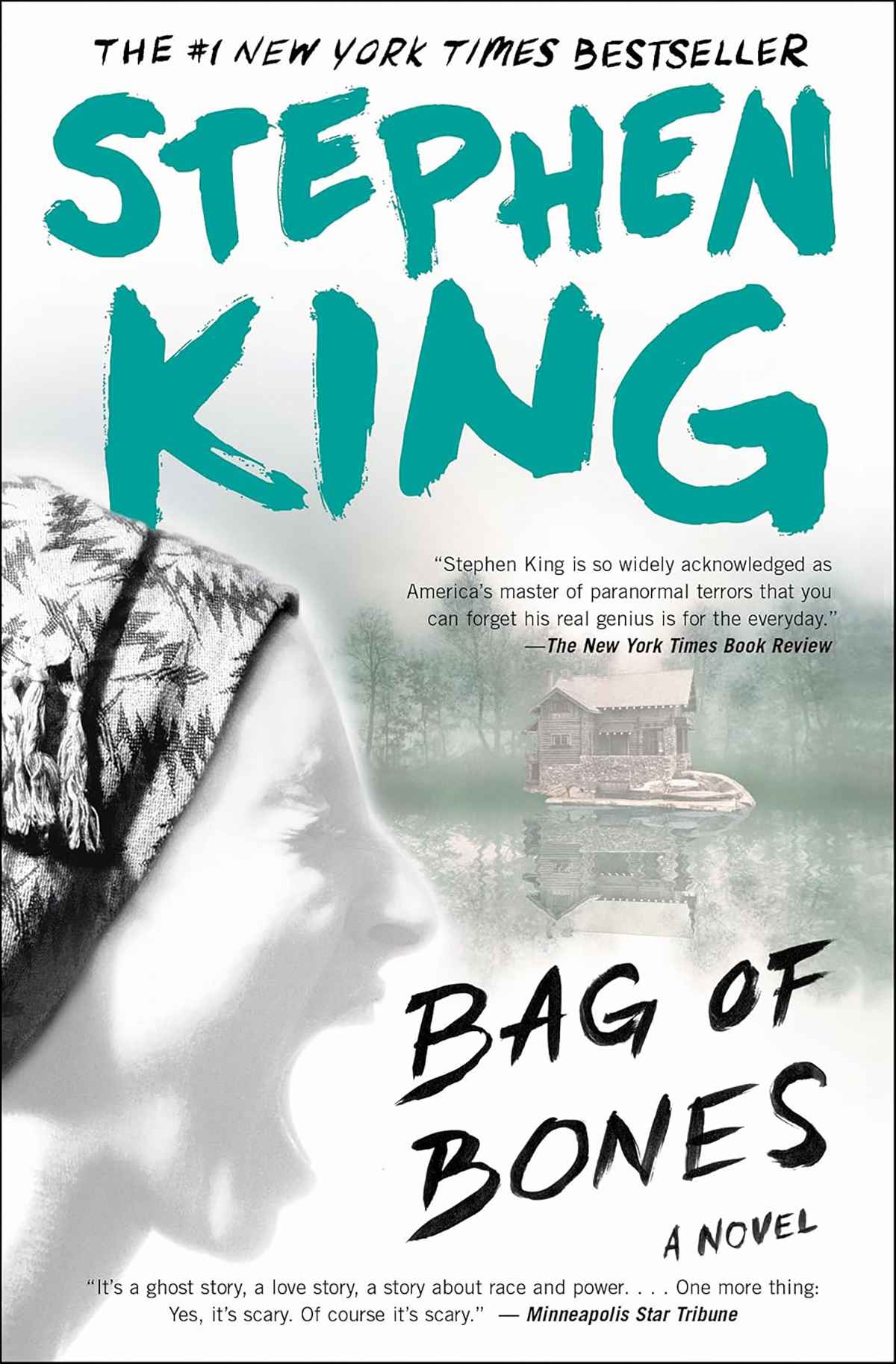
This novel uses haunting to make history physically intrude upon the present. Modern residents discover that what happened generations earlier hasn't gone anywhere.
Bag of Bones inspired by Rebecca
King's publisher describes Bag of Bones as a ghost story inspired by Daphne du Maurier's Rebecca, strengthening its connection to the Gothic tradition.
Duma Key's artistic horror

King replaces the dark castle with a beautiful Florida island and gives the Gothic's forbidden supernatural power to an artist. Edgar's paintings affect reality.
Duma Key inspired by accident
The book grew from an image of two dead girls holding hands that came to King while walking in Florida, and from his interest in phantom-limb syndrome.
Revival pursues forbidden knowledge
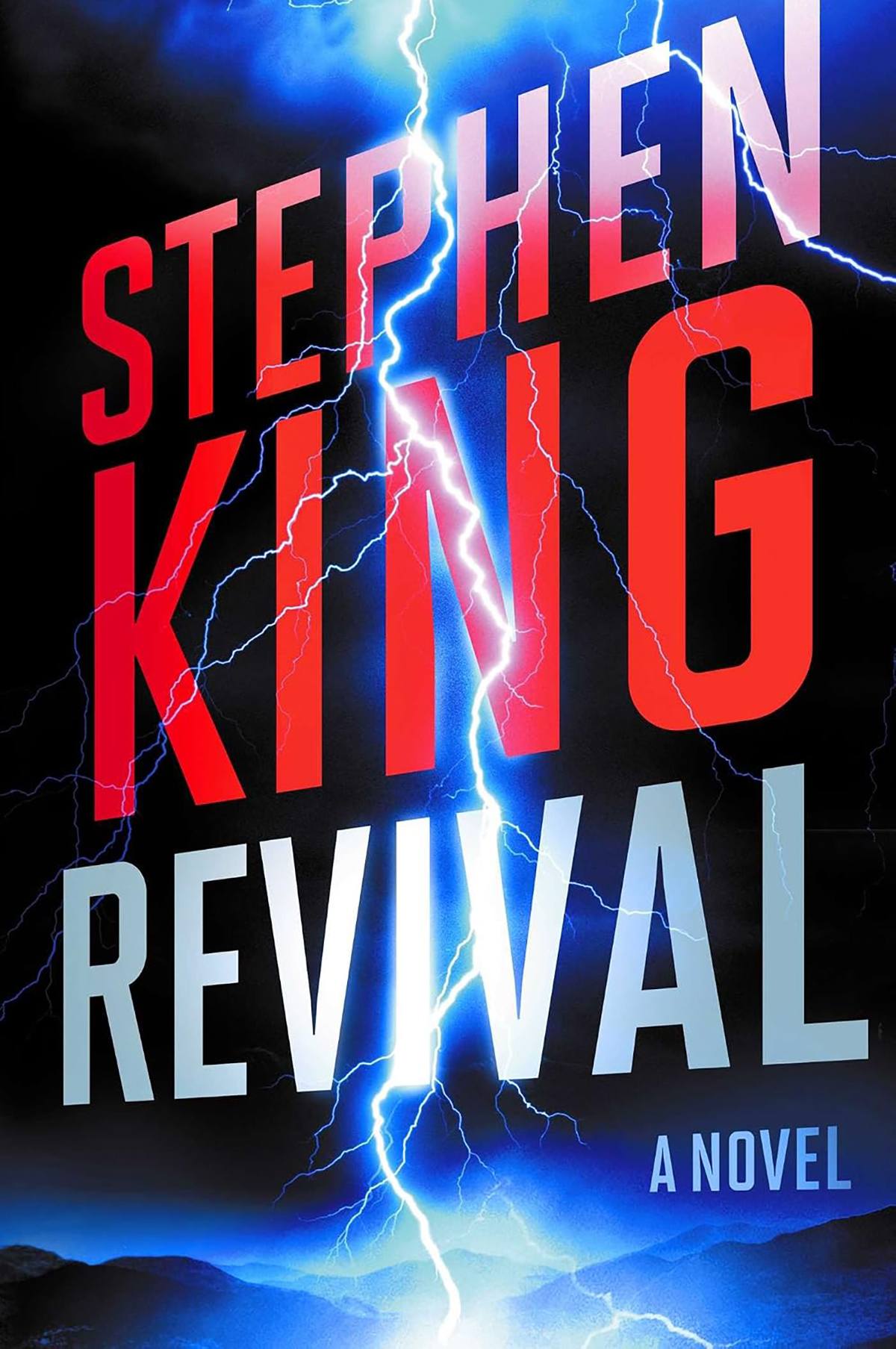
Revival takes King into territory occupied by Mary Shelley's Frankenstein. A minister's obsession with electricity evolves into a quest to discover what happens after death.
Revival's terrifying answer
The real horror isn't death itself, but the possibility that death conceals something far worse. King draws on Arthur Machen, Lovecraft, and his own religious upbringing.
King's 40-year Gothic evolution
Nearly forty years after Salem's Lot, King continues taking the elements of Gothic horror and rebuilding it for his own time, connecting to American literary traditions.
The takeaway
Stephen King reinvents Gothic horror by transplanting its timeless elements, haunted houses, vampires, forbidden knowledge, and the restless dead, into contemporary American settings.