From domino · Vaishnavi Nayel Talawadekar, Patrick Biller · · 3m
Minnesota cottage designed for a family that doesn't exist
Interior designer Melissa Oholendt created Mysa Hus by imagining a fictional family's daily routines, then built a home around how they'd actually live.
In brief
Interior designer Melissa Oholendt created Mysa Hus by imagining a fictional family's daily routines, then built a home around how they'd actually live. Design for specific moments and habits, not abstract buyers. A home with a clear point of view feels more compelling and livable than one designed for everyone…
Designer invents a family to design for
Melissa Oholendt of Oho Interiors partnered with architect Karl Adalbert and builder Mark Williams to create Mysa Hus, a spec house in Cottagewood, Minnesota. Instead of designing for an abstract buyer, they imagined a specific family of five with personalities and habits.
Modeling the family on real life
They loosely based the fictional family on Mark Williams's own household of three young kids. This gave them something more useful than designing for a nebulous idea of a buyer.
Designing around daily moments
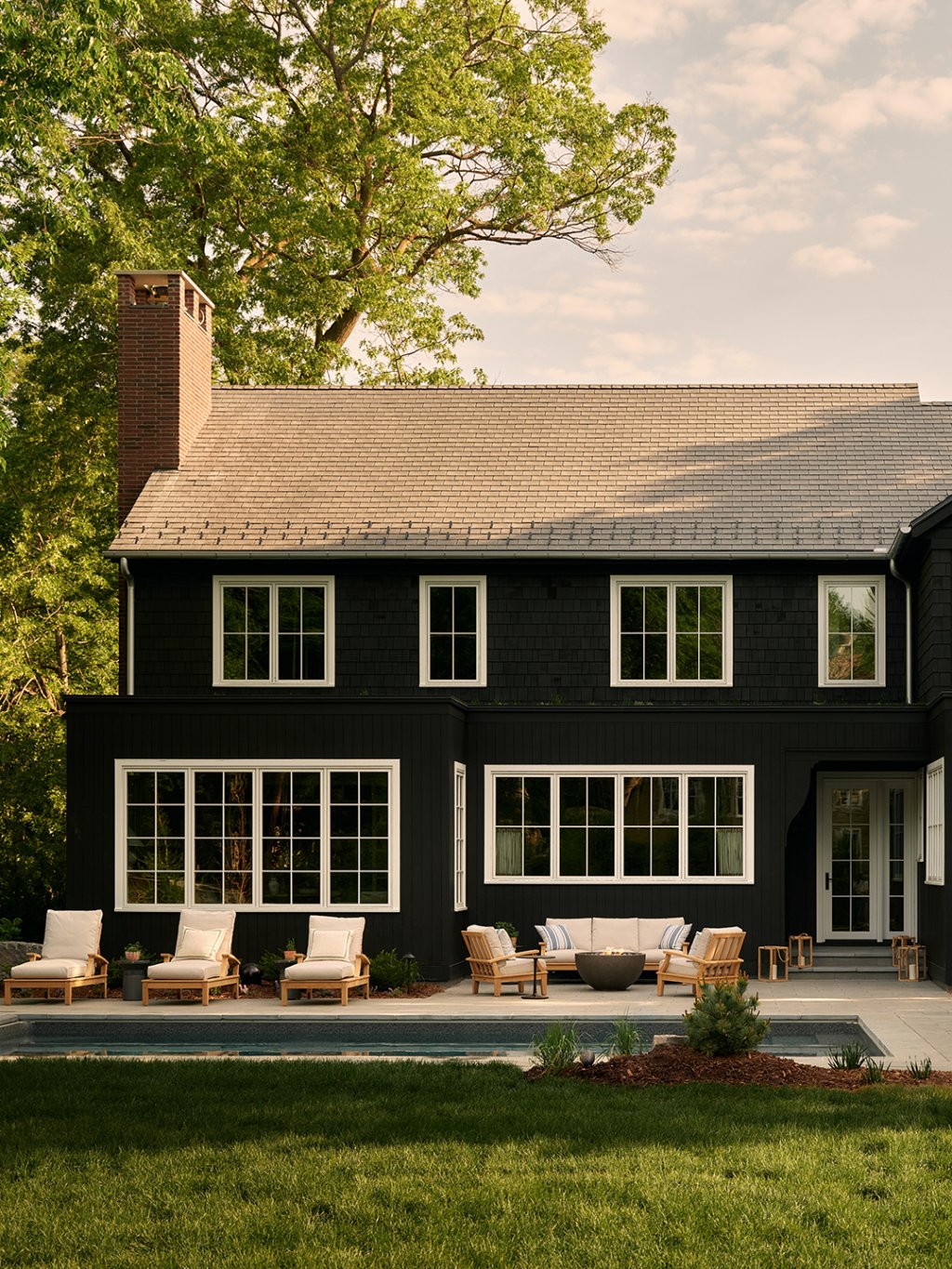
Oholendt imagined specific moments: where mom puts her bag, where someone sits with coffee, where kids read, where the family gathers, and where someone retreats. She designed the home around these habits and routines.
“We talked about how they would actually move through a day.”
Warmth through materials, not clichés
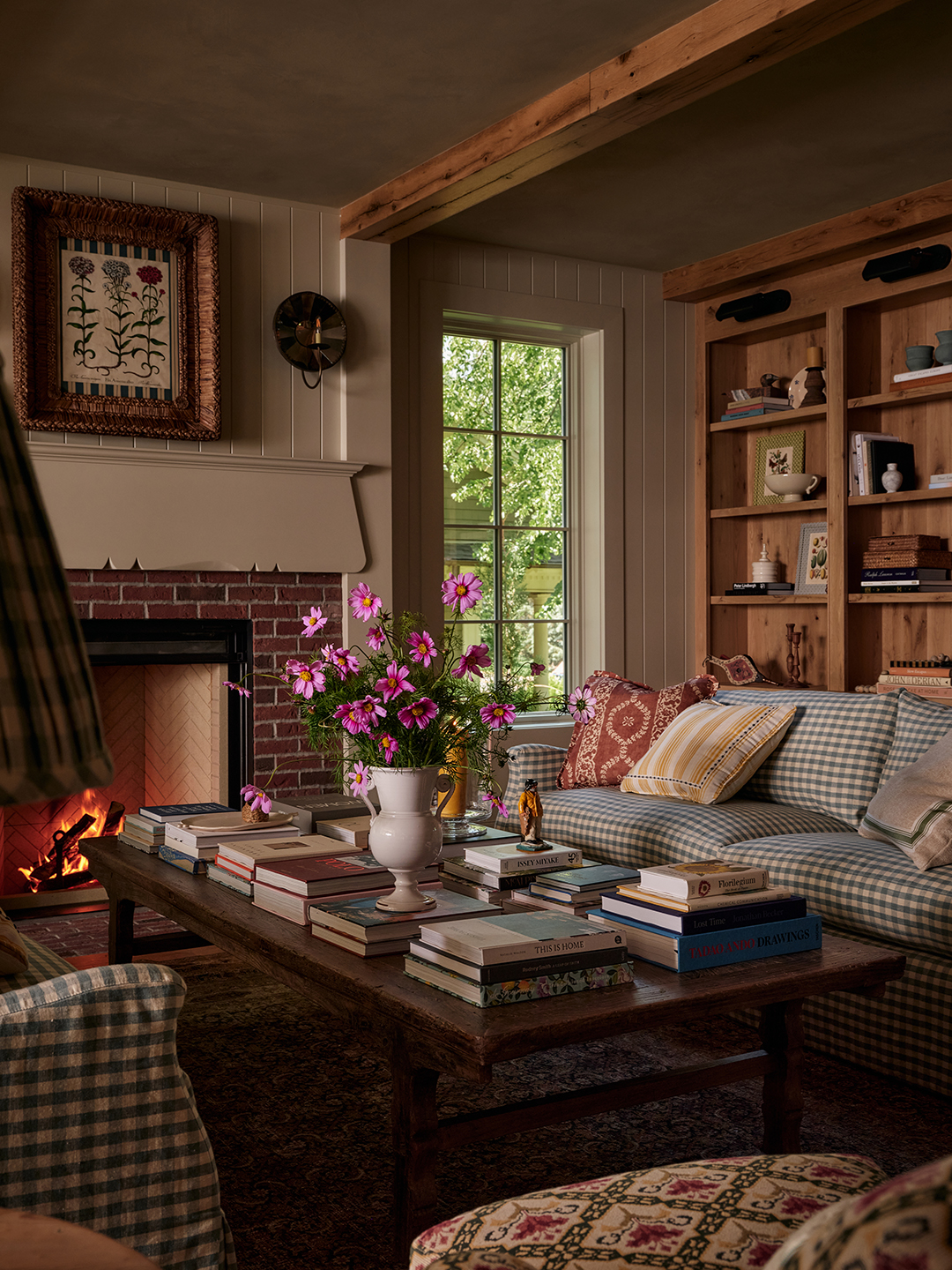
Instead of throw pillows and cable-knit blankets, Oholendt chased warmth through brass, antique wood, firelight, and natural sun. She chose hand-plastered surfaces, naturally finished wood floors, handmade tile, and custom ironwork.
Swedish rosemaling inspired the design
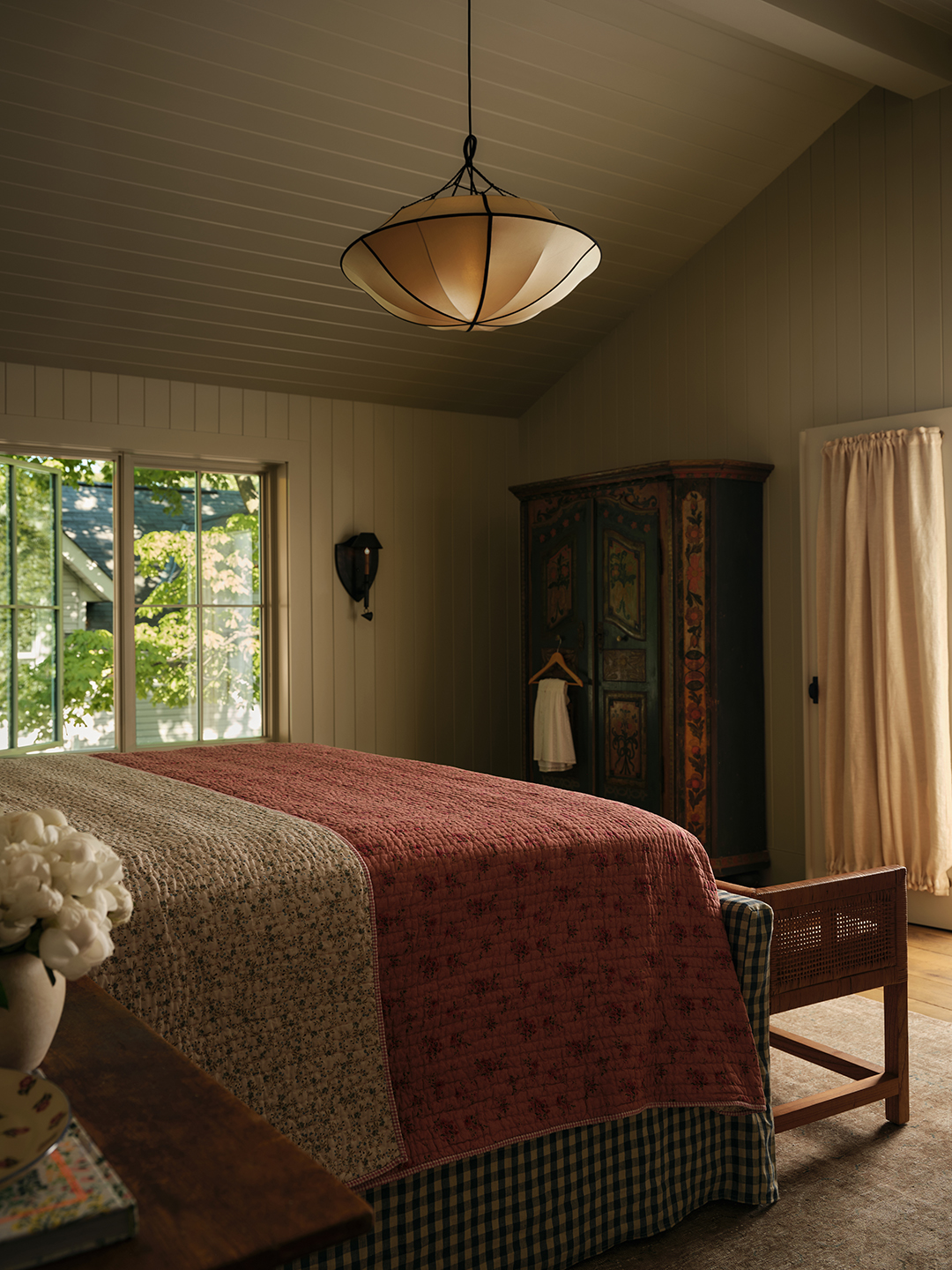
An 18th-century Swedish rosemaling cabinet from 1stDibs sparked the whole concept. Though that specific piece sold before she could buy it, the search led her to find the right one and informed hand-painted elements woven into the architecture.
Resisting newness and luxury expectations
The biggest gamble was making rooms smaller and cozier, using a real wood-burning fireplace, and choosing imperfect, handmade materials designed to patina. She trusted that a house with a specific point of view would feel more compelling than one built for mass appeal.
“What would Mysa Hus do?”
Splurging on human touch
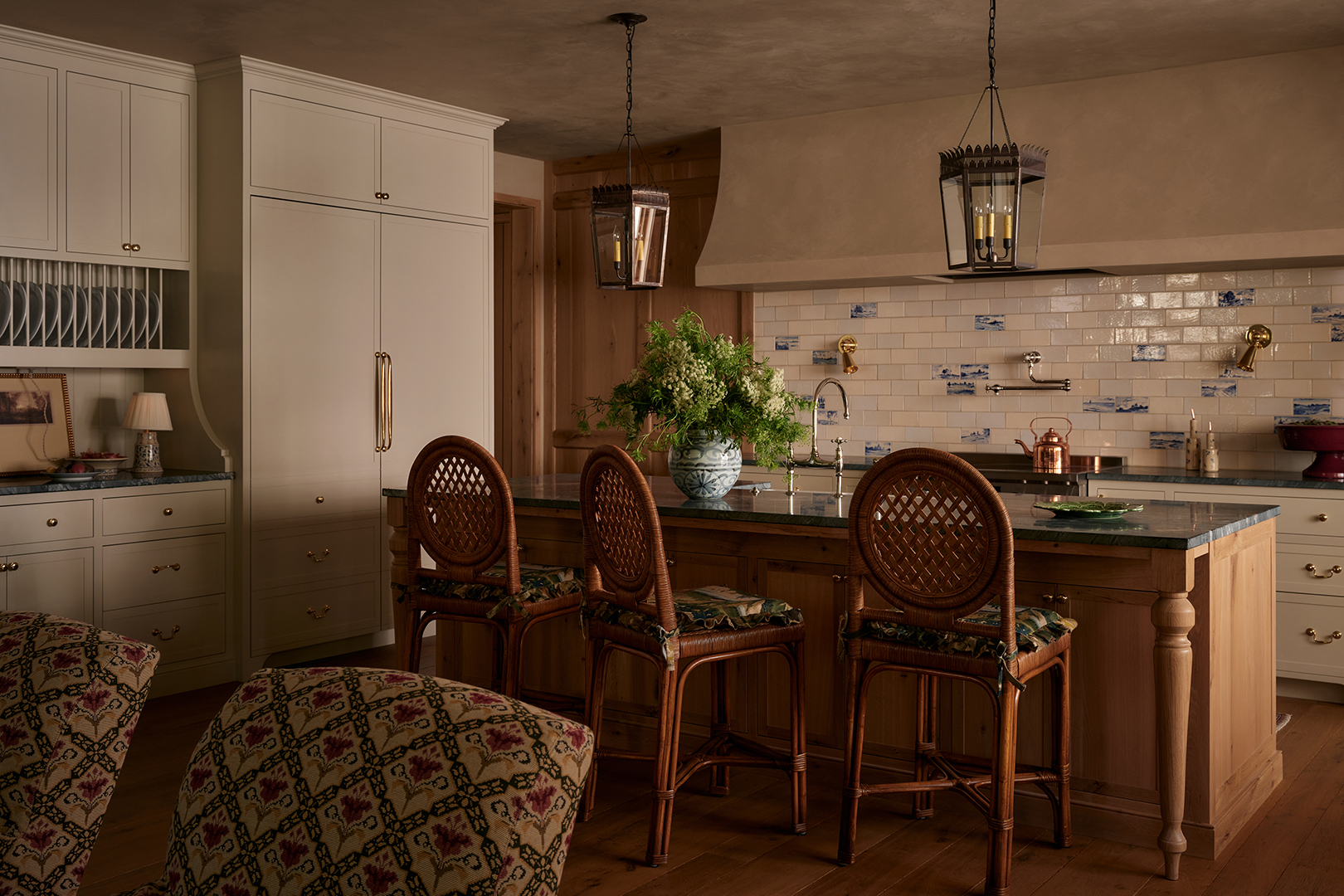
Oholendt invested in things difficult to fake: hand-plastered walls, custom millwork, handcrafted ironwork, brass stars in parquet floors, custom Delft tile, and natural materials that age beautifully. The greatest luxury is the amount of artisan hands throughout.
Antiques bring more soul than expensive pieces
Some of the most personality-filled pieces in the house aren't the most expensive. An antique cricket table or worn piece can bring more soul to a room than something ten times its price.
Global materials with local meaning
Materials came from 22 countries, but everything passed one filter: does it feel natural, tactile, and right for this house? Custom Delft tile hand-painted by a local Duluth artist with Minnesota landscapes made Old World craft tell a local story.
Winter wellness as ritual, not amenity
The wellness studio isn't a basement with a treadmill. It's a destination with contrast: warm sauna, freezing air, cold plunge, warm house again. The architecture makes the indoor-outdoor transition feel intentional, embracing Minnesota winters rather than pretending they're summer.
Layering creates instant history
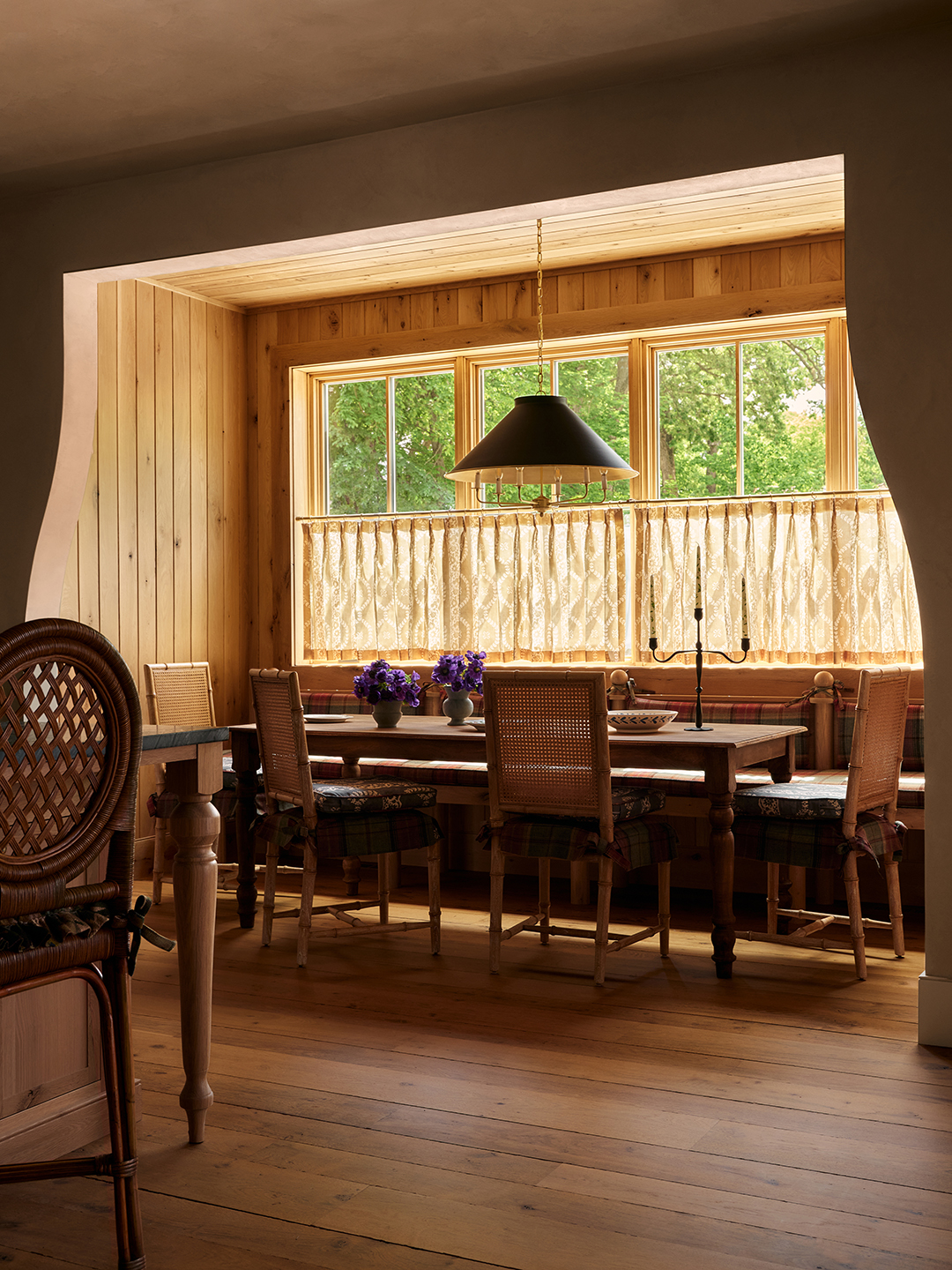
Gingham sofas, needlepoint-like armchair fabric, old tables, and books from antique vendors gave the new construction instant history. Nothing's too precious or perfectly coordinated. It feels collected over time, making a brand-new house feel permanent.
Here's the gist
Design for specific moments and habits, not abstract buyers. A home with a clear point of view feels more compelling and livable than one designed for everyone.