From euronews · Saida Rustamova · · 3m
Middle East and Asian leaders meet in Baku despite tensions
Middle East and Asian leaders hold rare summit in Baku to address conflicts and economic cooperation.
In brief
Middle East and Asian leaders hold rare summit in Baku to address conflicts and economic cooperation. Middle East and Asian leaders meet in Baku to discuss confidence-building measures amid conflicts and economic opportunities. Originally reported by euronews.
Leaders gather in Baku

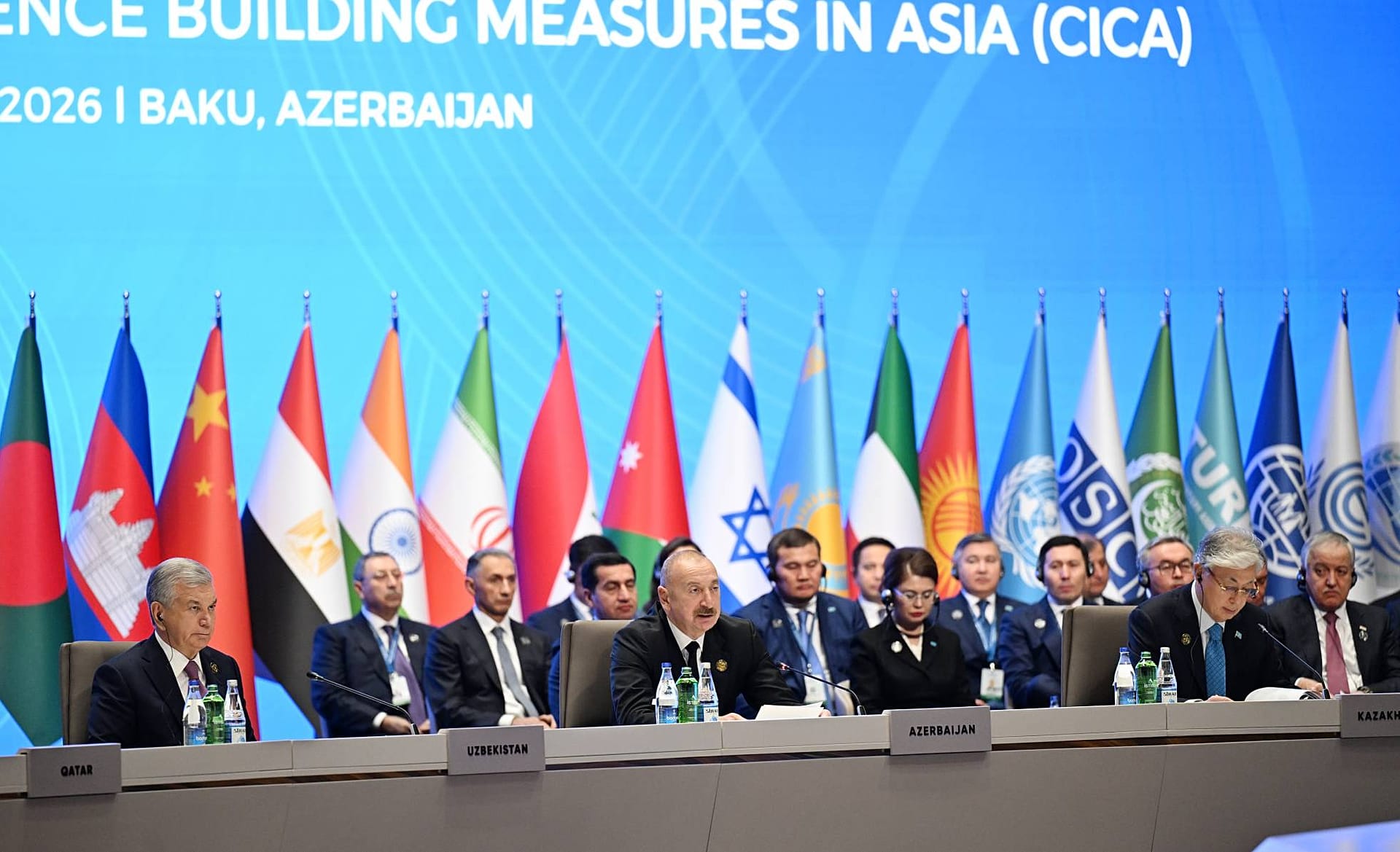
Middle East and Asian leaders including those on opposing sides of conflicts met in Baku on October 15, 2026.
Key attendees
Israel President Isaac Herzog, Iran's Deputy Foreign Minister Kazem Gharibabadi, Turkey's Foreign Minister Hakan Fidan, Russia's Foreign Minister Sergey Lavrov, Qatar's Emir Sheikh Tamim bin Hamad Al-Thani, UAE's Foreign Minister Khalifa bin Shaheen Al Marar…
Azerbaijan's role
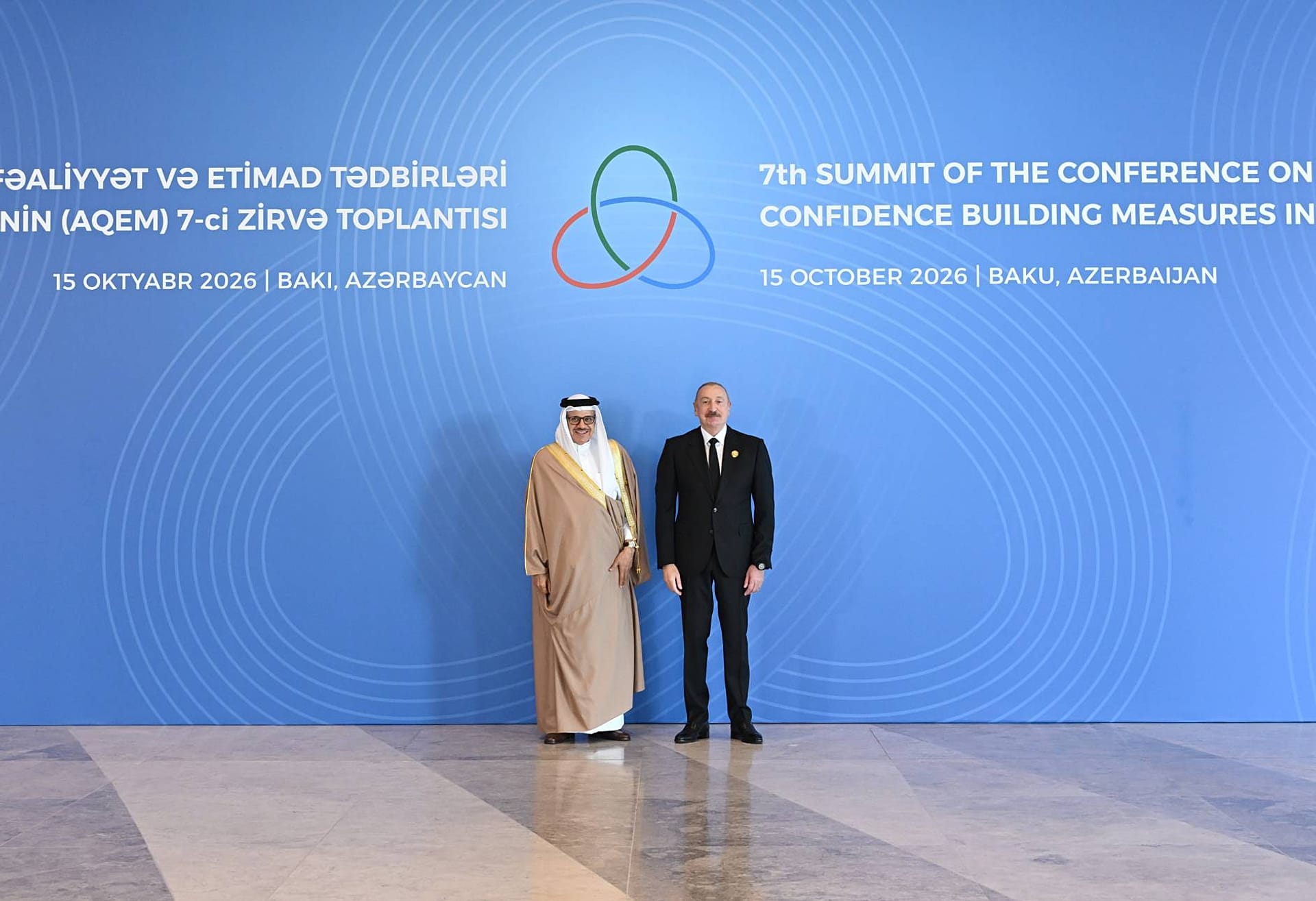
Azerbaijan's President Ilham Aliyev engineered bringing opposing heads of state and governments under the same roof.
CICA summit focus
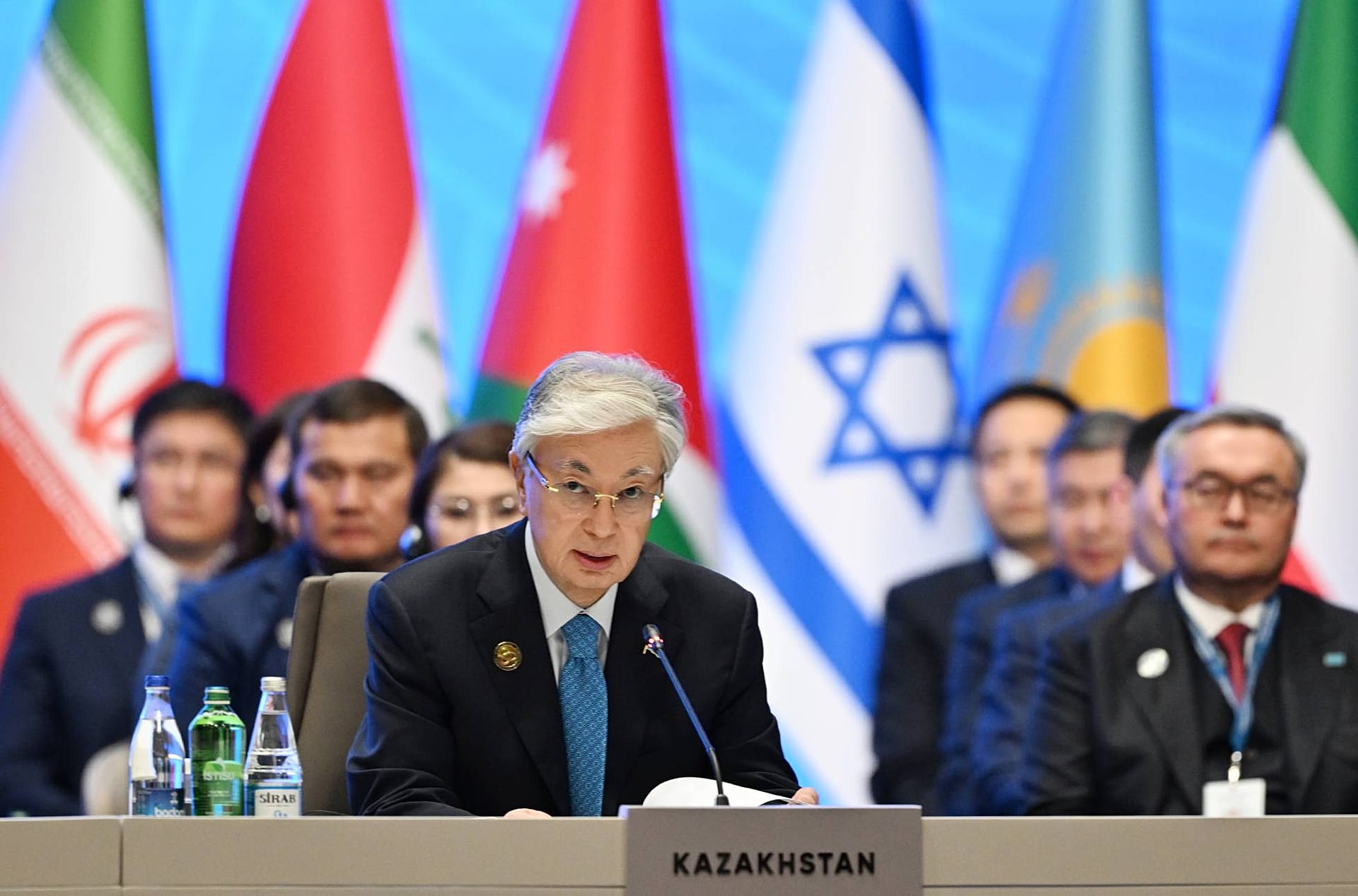
The 7th CICA Summit focused on conflict resolution, transport connectivity, and digital transformation with leaders declaring commitment to expand coordination across the Euroasian space.
Kazakhstan's proposal
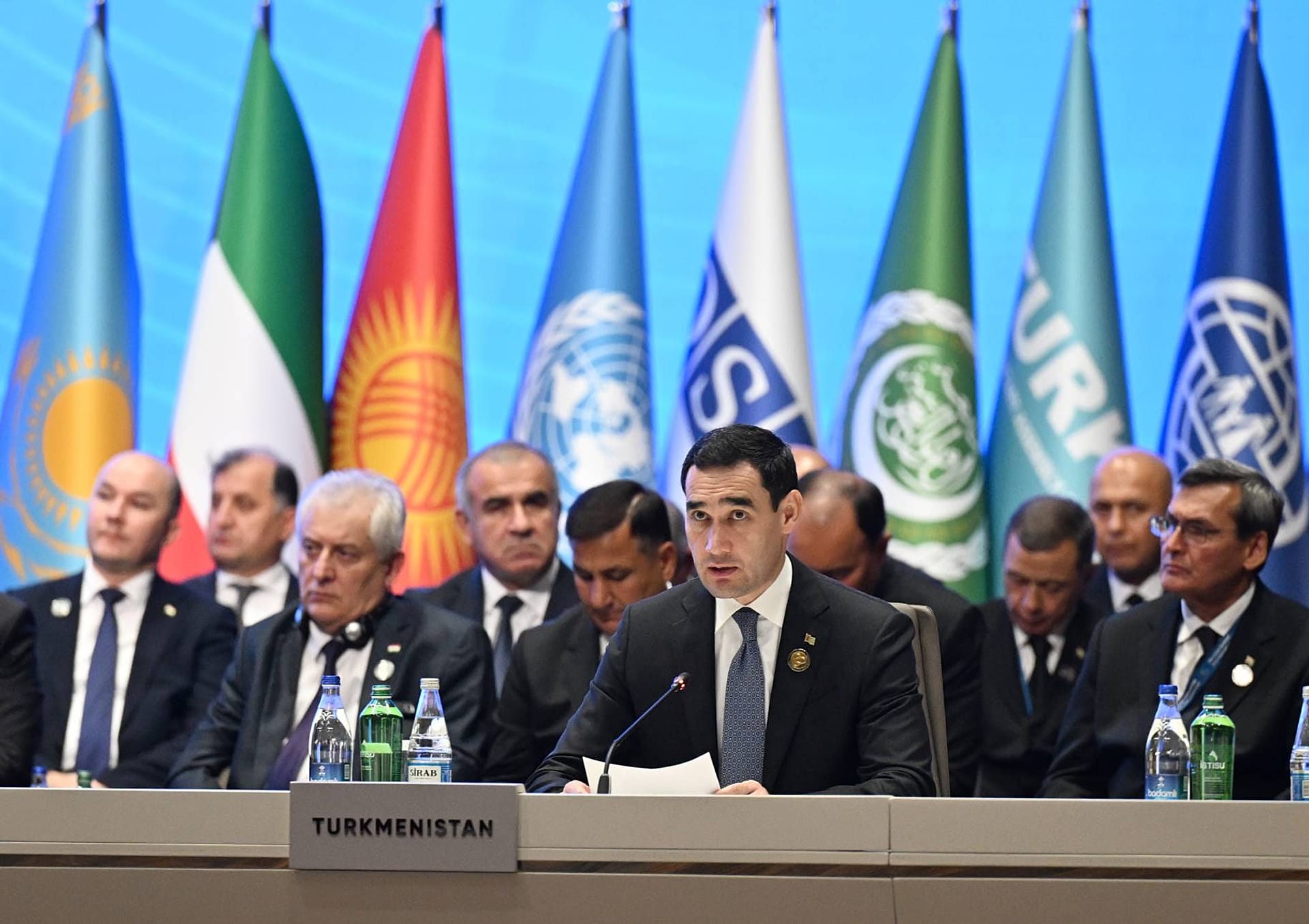
Kazakhstan's President Kassym-Jomart Tokayev proposed a CICA transport connectivity strategy to increase transport links across Asia, arguing economic cooperation can reduce tensions and build trust.
Trans-Caspian cable
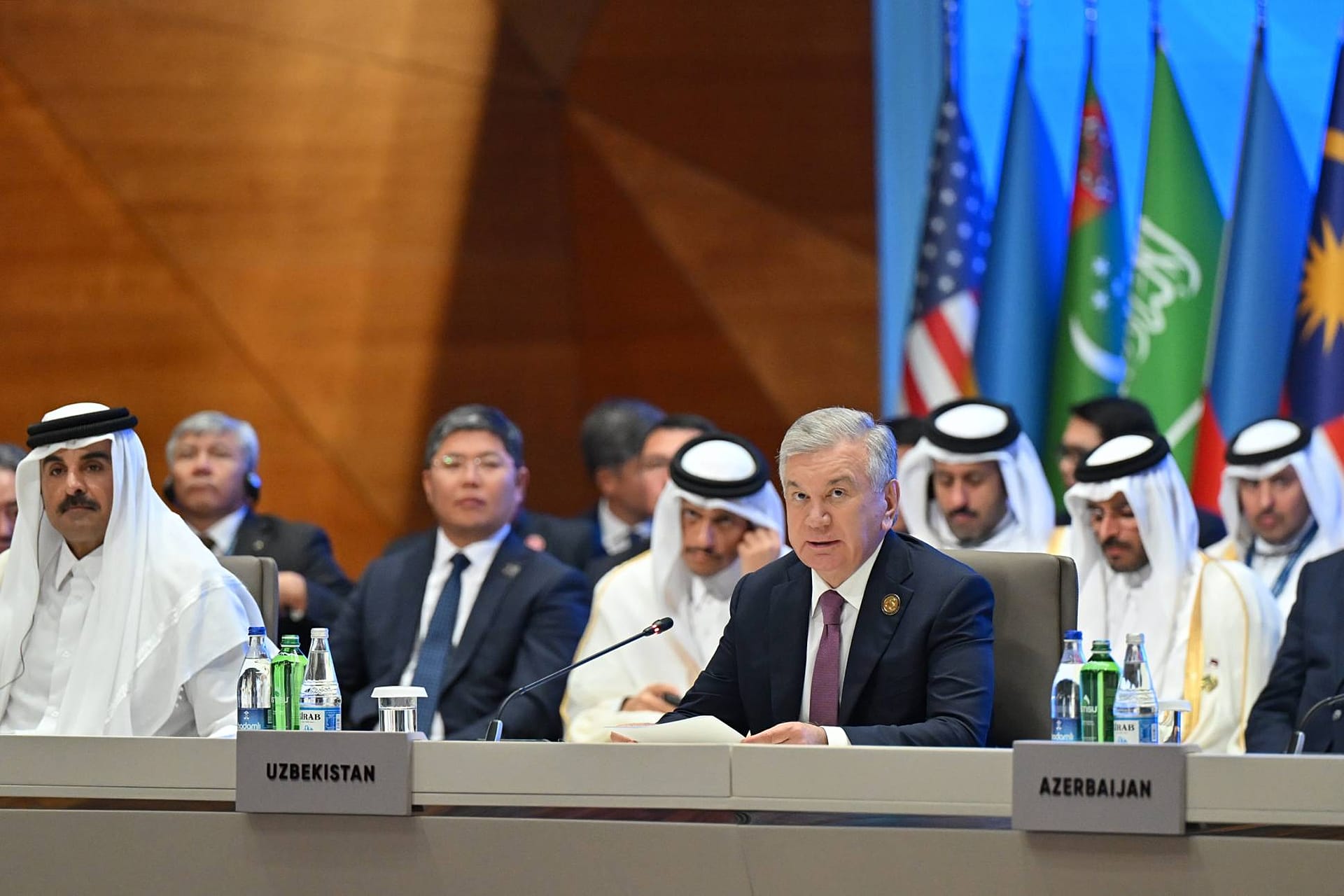
Azerbaijan and Kazakhstan officially inaugurated the Trans-Caspian fibre-optic cable line on the Caspian seabed to increase digital connectivity between Asia and Europe.
Uzbekistan's call
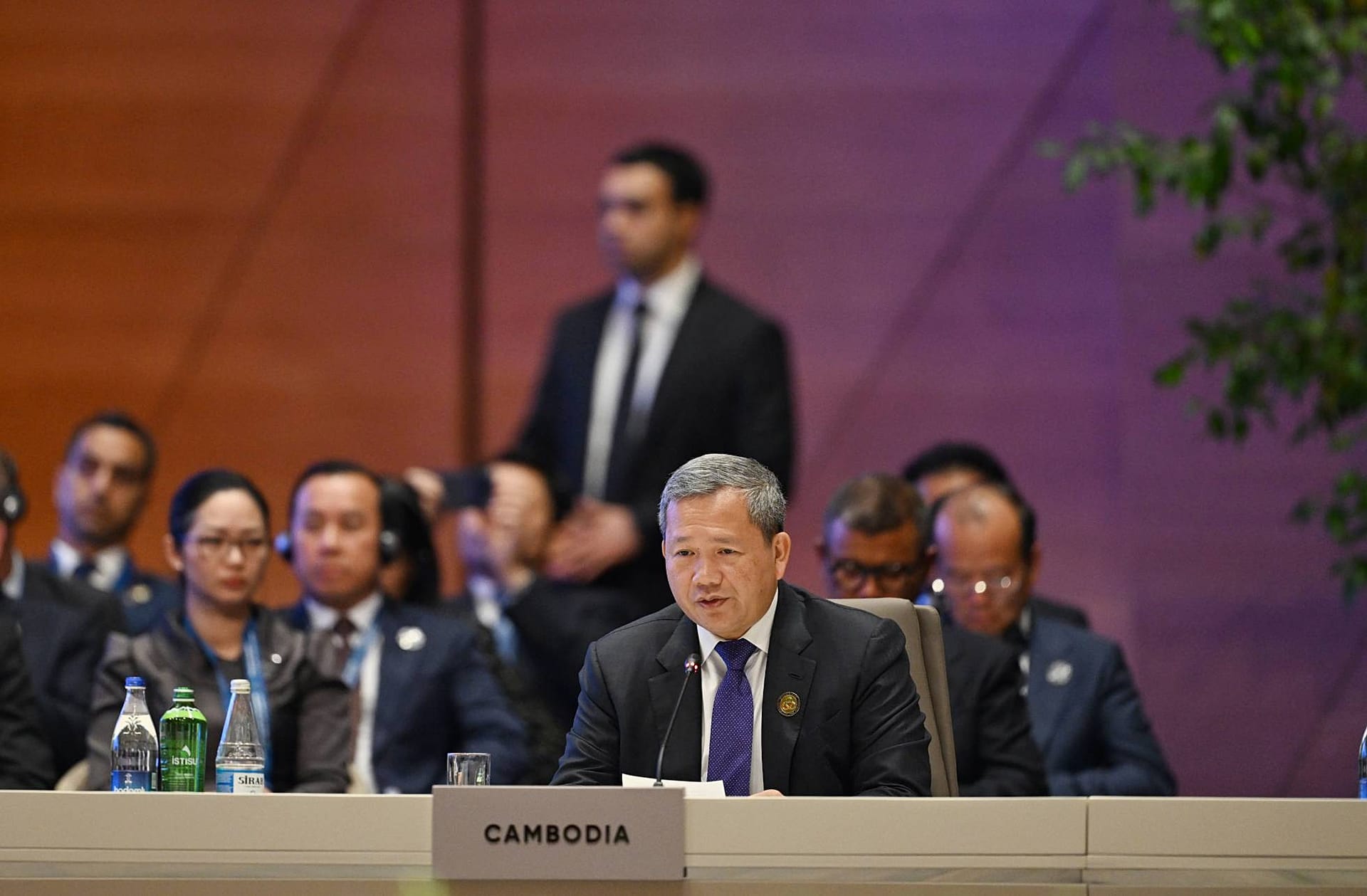
Uzbekistan's President Shavkat Mirziyoyev called for an infrastructure of trust in Asia based on transport and energy projects to prevent future conflicts.
Kyrgyzstan's perspective
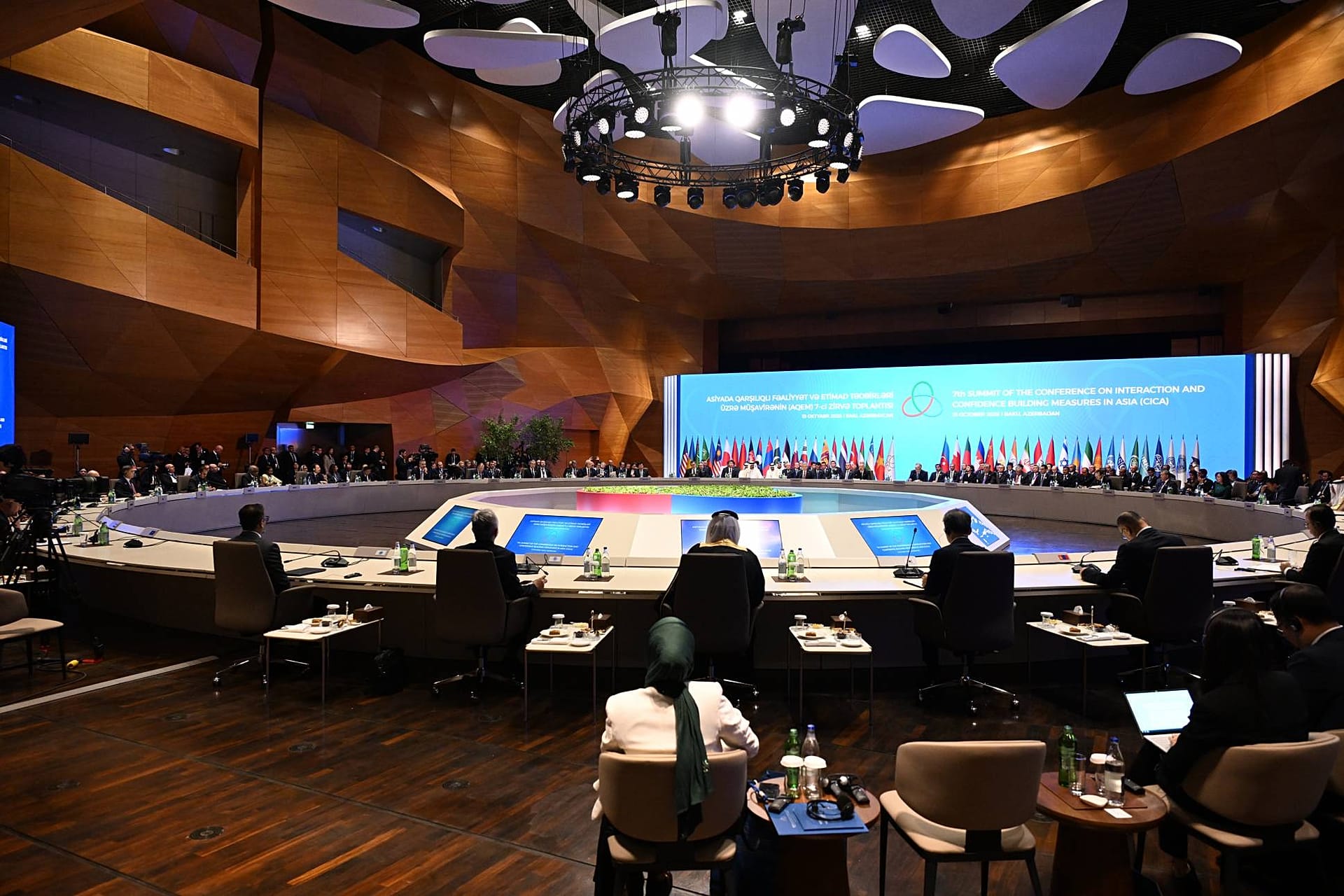
Kyrgyzstan's President Sadyr Japarov noted that 59% of global economic development falls to Asia's share this year amid accelerating conflicts and climate risks.
Vietnam's vision
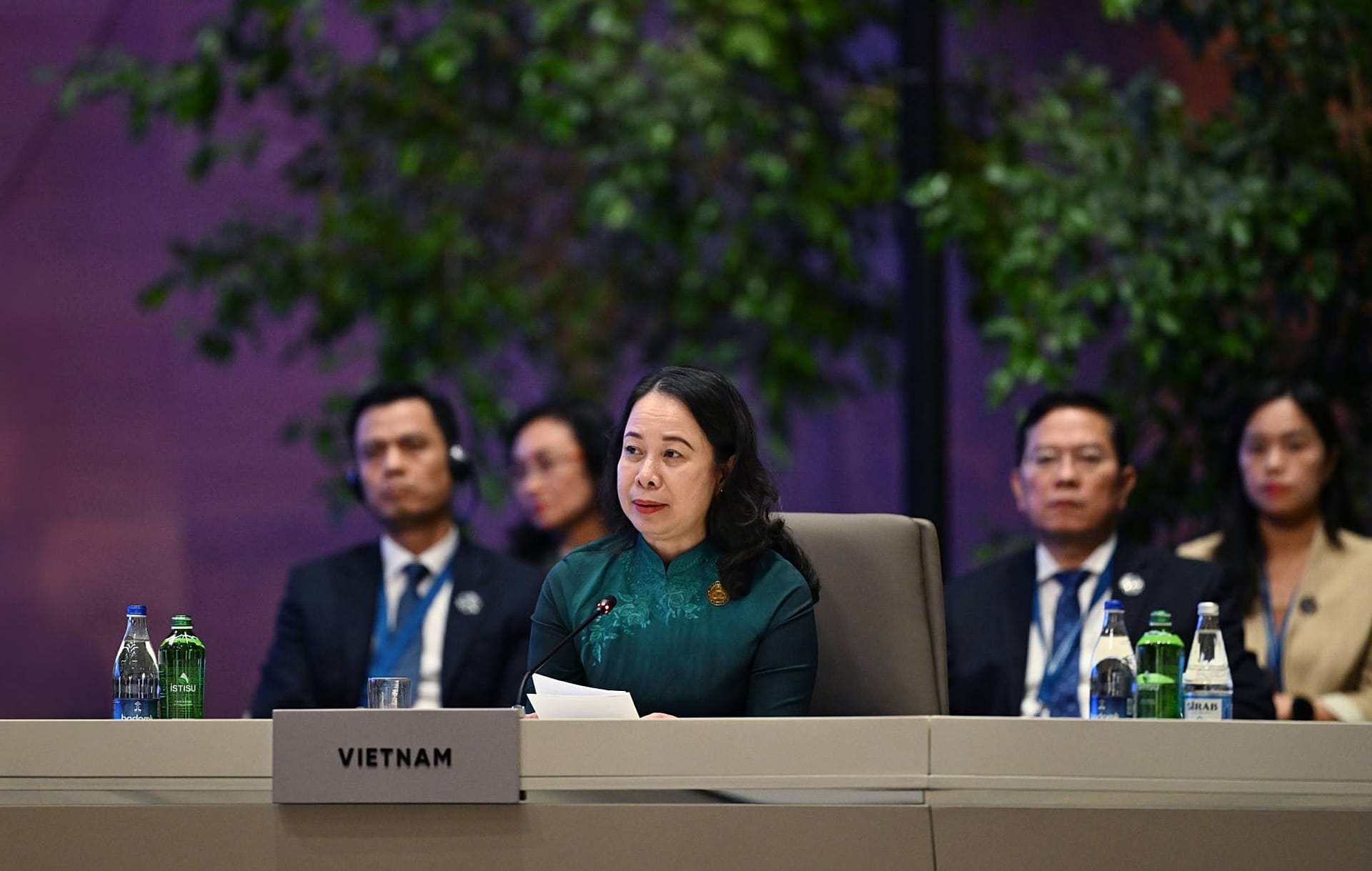
Vietnam's Vice President Võ Thị Ánh Xuân called for expanding coordination between CICA, ASEAN, and other regional cooperation mechanisms to foster closer links between Southeast Asia, Central Asia, and the wider Euro-Asian region.
Middle East tensions
When Israel's President Herzog began his address, delegations from Turkey, Iran, Kuwait, and Pakistan left the hall but Qatar and UAE delegations stayed to listen.
Bahrain's stance
Bahrain's Foreign Minister Dr Abdullatif bin Rashid Al Zayani called for full implementation of UN Security Council Resolution 2317 and highlighted threats to global supply chains from the Strait of Hormuz and Bab el-Mandeb.
China's position
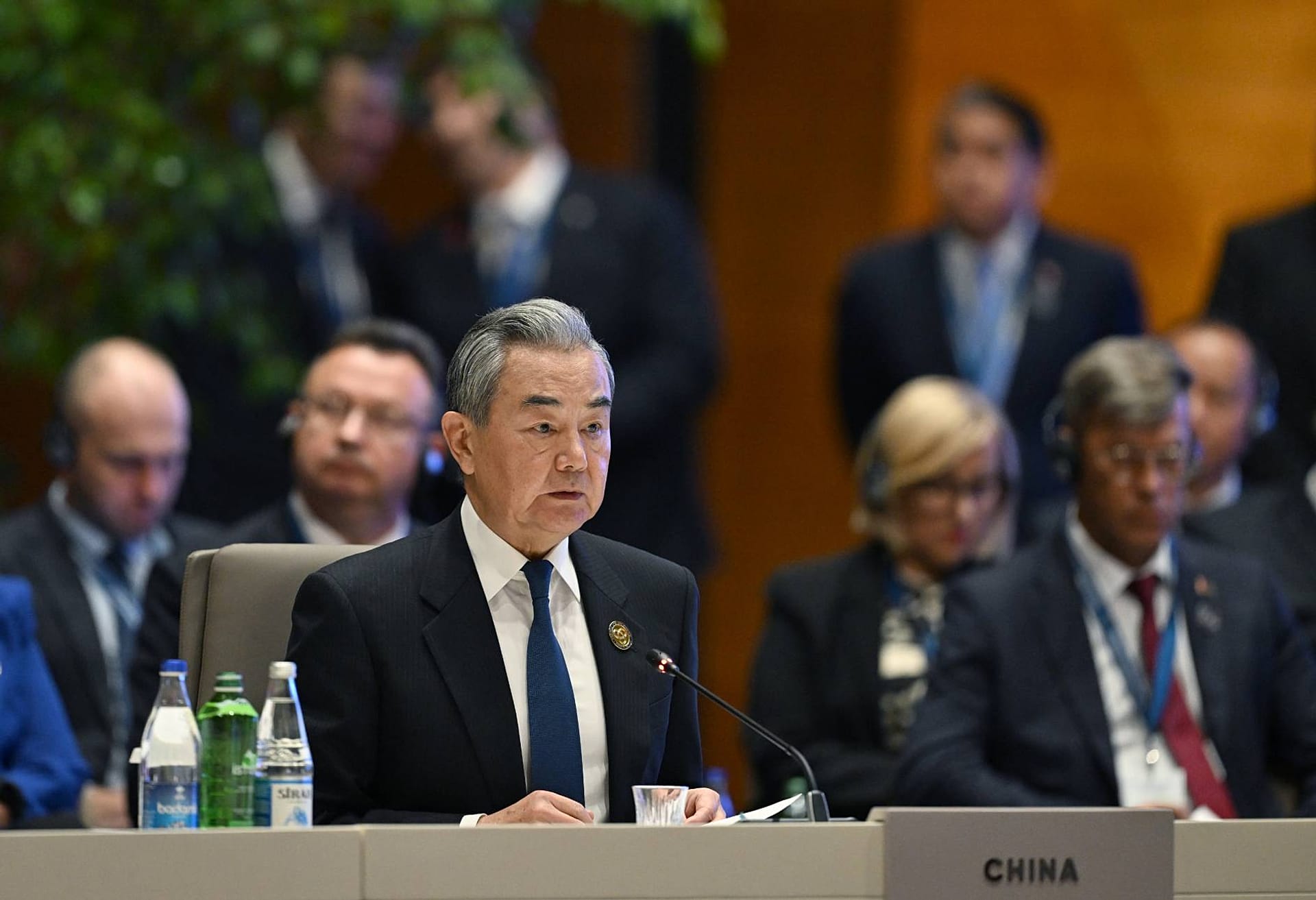
China's Foreign Minister Wang Yi stated Asia doesn't need Cold War mentality and should handle problems through solidarity and coordination, calling for diplomatic settlement between the US and Iran.
Palestine's concerns
Palestine's Foreign Minister Varsen Aghabekian Shahin addressed the humanitarian crisis in Gaza and expanding settlements, calling for swift implementation of UN Security Council Resolution 2803 to guarantee a permanent ceasefire.
AI governance
Leaders called for international standards to manage emerging technological risks, with Kazakhstan proposing AI to be added to CICA's five important dimensions and pillars.
Connectivity strategy
Kazakhstan proposed drafting a CICA Transport Connectivity Strategy to link major routes including the Belt and Road, Middle Corridor, and Caspian Green Energy Corridor.
Baku Declaration
Member states officially adopted the Baku Declaration outlining measures to counter military-political, economic and ecological risks and called for greater intercivilizational dialogue.
Here's the gist
Middle East and Asian leaders meet in Baku to discuss confidence-building measures amid conflicts and economic opportunities.