From NPR · · 2 min
What Went Wrong in the Miami Cargo Plane Crash
Flight data shows an Amazon cargo jet tried to abort an unsteady landing in Miami before a fatal collision killed five airport workers.
In brief
Flight data shows an Amazon cargo jet tried to abort an unsteady landing in Miami before a fatal collision killed five airport workers. Investigators are focusing on pilot hesitation, severe tailwinds, and the absence of runway stopping beds after a cargo jet overran a Miami runway. Originally reported by NPR.
Cargo jet overshoots Miami runway
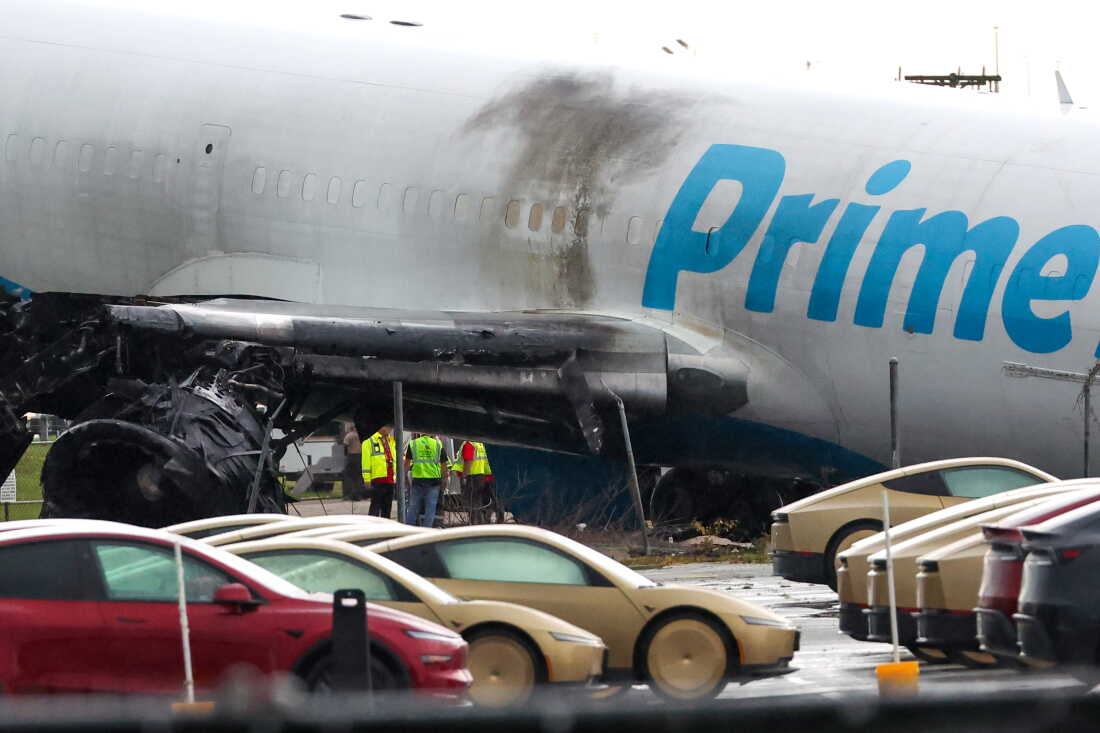
An Amazon cargo plane landing after a flight from Puerto Rico barreled 1,300 feet past the runway, crashing into airport ground vehicles and killing five people.
Flight data shows aborted approach
Recordings indicate the pilots briefly attempted a go-around to retry the landing. They abandoned the climb to try stopping, but thrust reversers were never deployed.
Tragic collision kills five workers

The jet slammed into an airport cleaning crew shuttle van and careened through a fence into an SUV. All five fatalities were workers inside the crushed van.
“You would not think riding in a van to clean an airplane, that this would happen.”
Evidence of an unstable landing
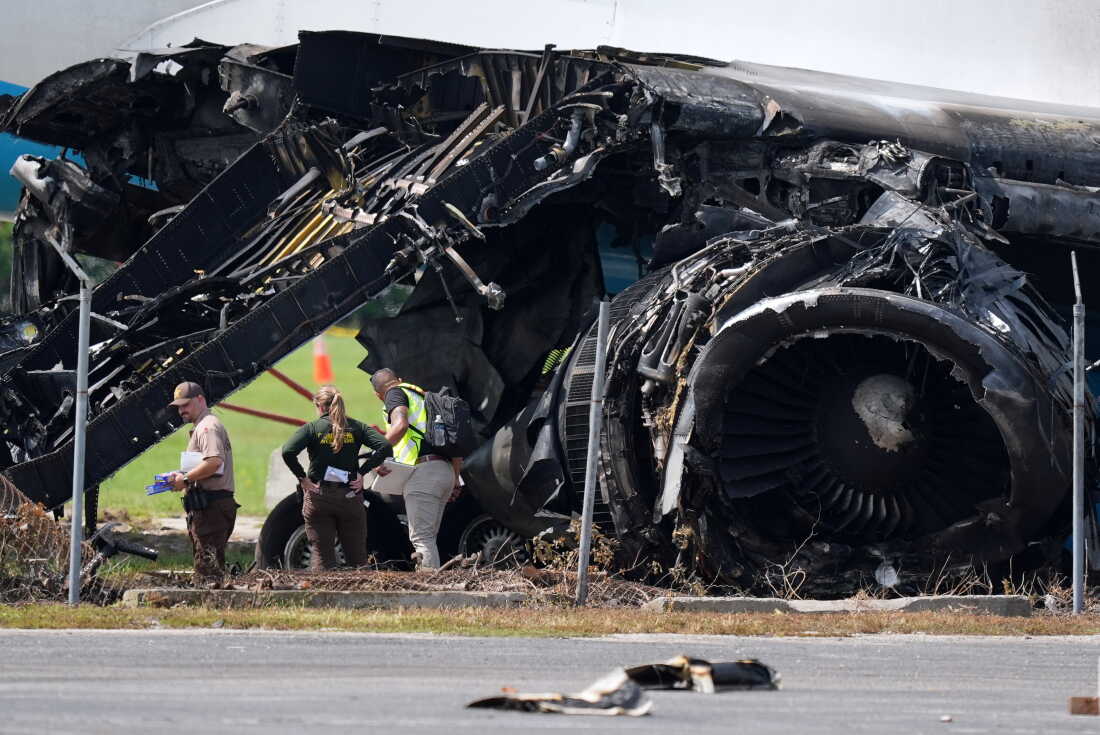
The Boeing 767 touched down on its nose and right landing gear first. Aviation experts note this abnormal posture indicates a deeply unstable landing approach.
“A go-around probably should have been executed sooner than that. And it seems like they hesitated.”
Possible cockpit miscommunication
Former transportation safety officials suspect there may have been confusion or a disagreement between the pilot and co-pilot about whether to touch down or abort.
“It almost seems like there was a disagreement between the pilots on what to do.”
Storms and strong tailwinds
Stormy weather surrounded the airport, creating strong tailwinds that pushed the jet past its landing mark. Investigators are looking into air traffic control decisions.
Absence of runway stopping technology
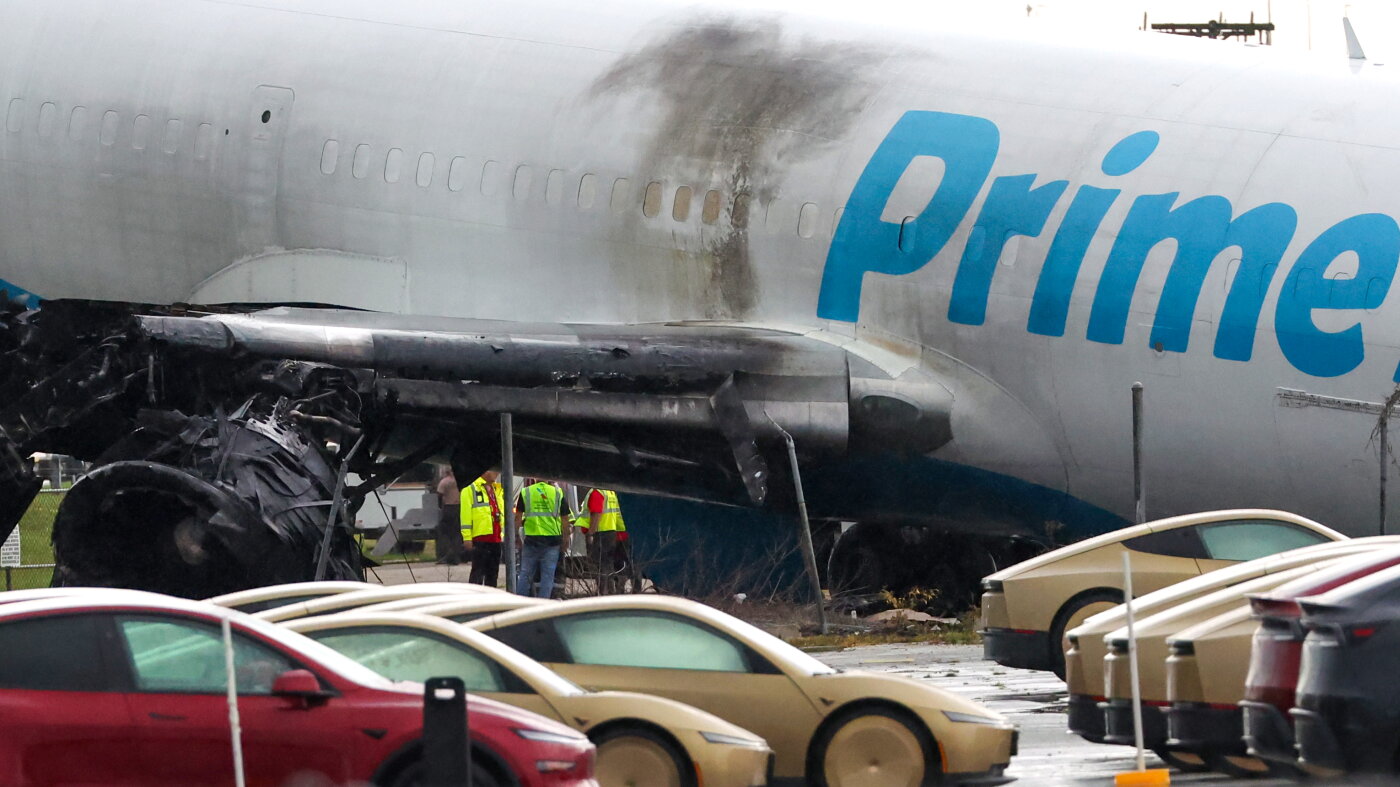
Miami lacks crushable material arrestor beds at runway ends designed to safely stop overrun jets. Federal officials are scrutinizing the lack of extra safety barriers.
A converted 32-year-old aircraft
The plane, operated by 21 Air, was originally built as a passenger jet in 1994. It flew internationally for foreign airlines before being converted to cargo in 2015.
NTSB probes pilot decisions
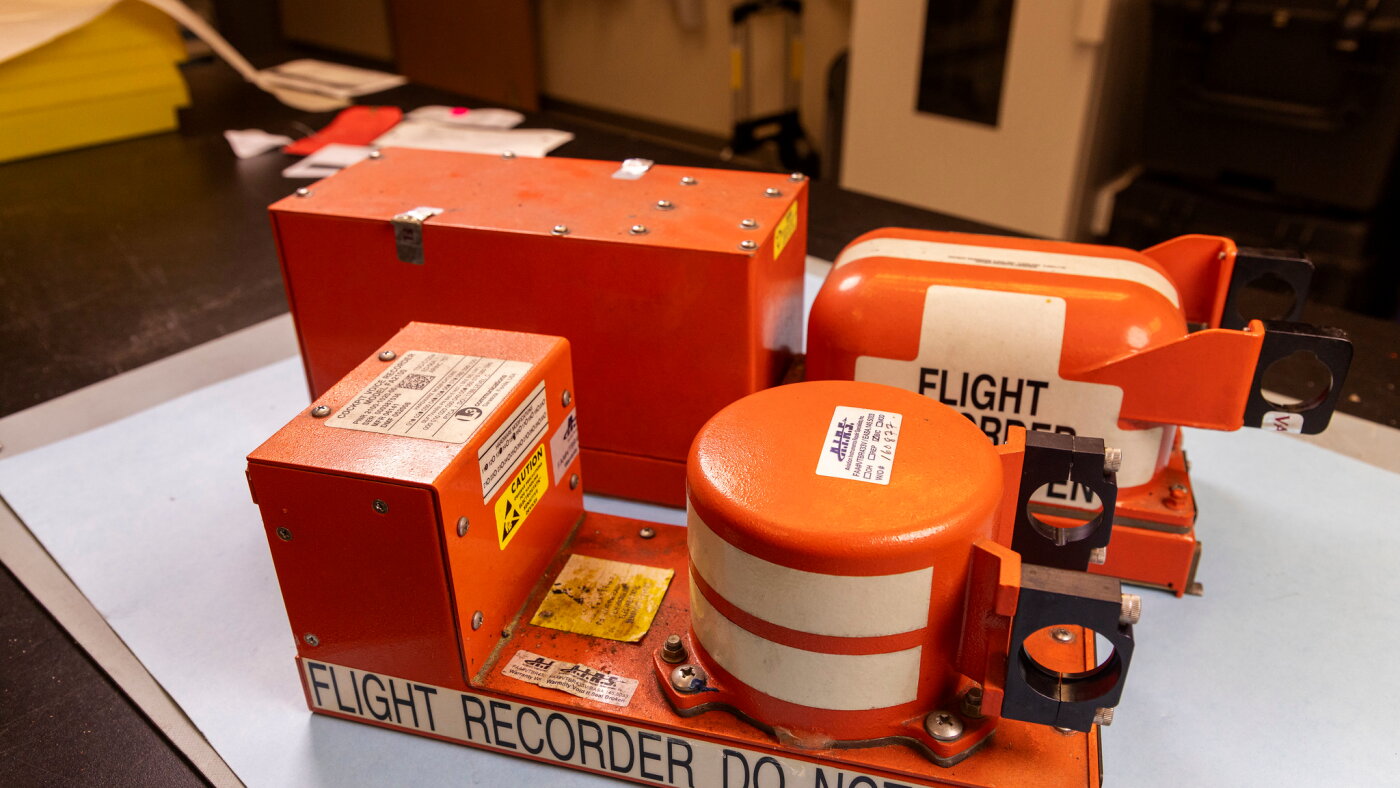
Federal investigators are interviewing the surviving pilots and analyzing cockpit voice recorders. A complete report on the crash cause could take a year or more.
What it means
Investigators are focusing on pilot hesitation, severe tailwinds, and the absence of runway stopping beds after a cargo jet overran a Miami runway.