From the Guardian · · 4m
AI clog: UK public bodies swamped by chatbot complaints
Generative AI tools make it easy for people to file complaints, but public bodies are drowning in AI-generated correspondence that takes far longer to process.
In brief
Generative AI tools make it easy for people to file complaints, but public bodies are drowning in AI-generated correspondence that takes far longer to process. UK public bodies, courts, schools and local authorities report being overwhelmed by AI-generated complaints and requests that massively increase workload at a…
The trickle became an onslaught
Hollie Wickens, a senior caseworker in a Labour MP's office, says AI-generated correspondence started as a trickle in 2024 and is now an onslaught. Half the emails her office receives are some form of AI.
“Half the emails we receive are some form of AI”
AI made complaints easier to file
ChatGPT, Claude, Copilot and Gemini have made it simple for ordinary people to draft formal complaints and requests. These tools provide free access to legal and administrative guidance previously requiring specialist knowledge.
But processing takes vastly longer

AI-generated correspondence takes moments for users to create but huge amounts of time for human employees to sift through and respond to. This massively increases workload at a time of already stretched resources.
Researchers call it agentic flooding
Bombarding public bodies with AI-generated requests has been labelled agentic flooding by researchers at the centre for digital governance at the Hertie School in Berlin, the Cooperative AI Foundation and GovAI.
Local authorities hit hardest
Local authorities are experiencing surging numbers of complaints about adult social care, missed bin collections and planning applications.
Complaints are ten times longer now
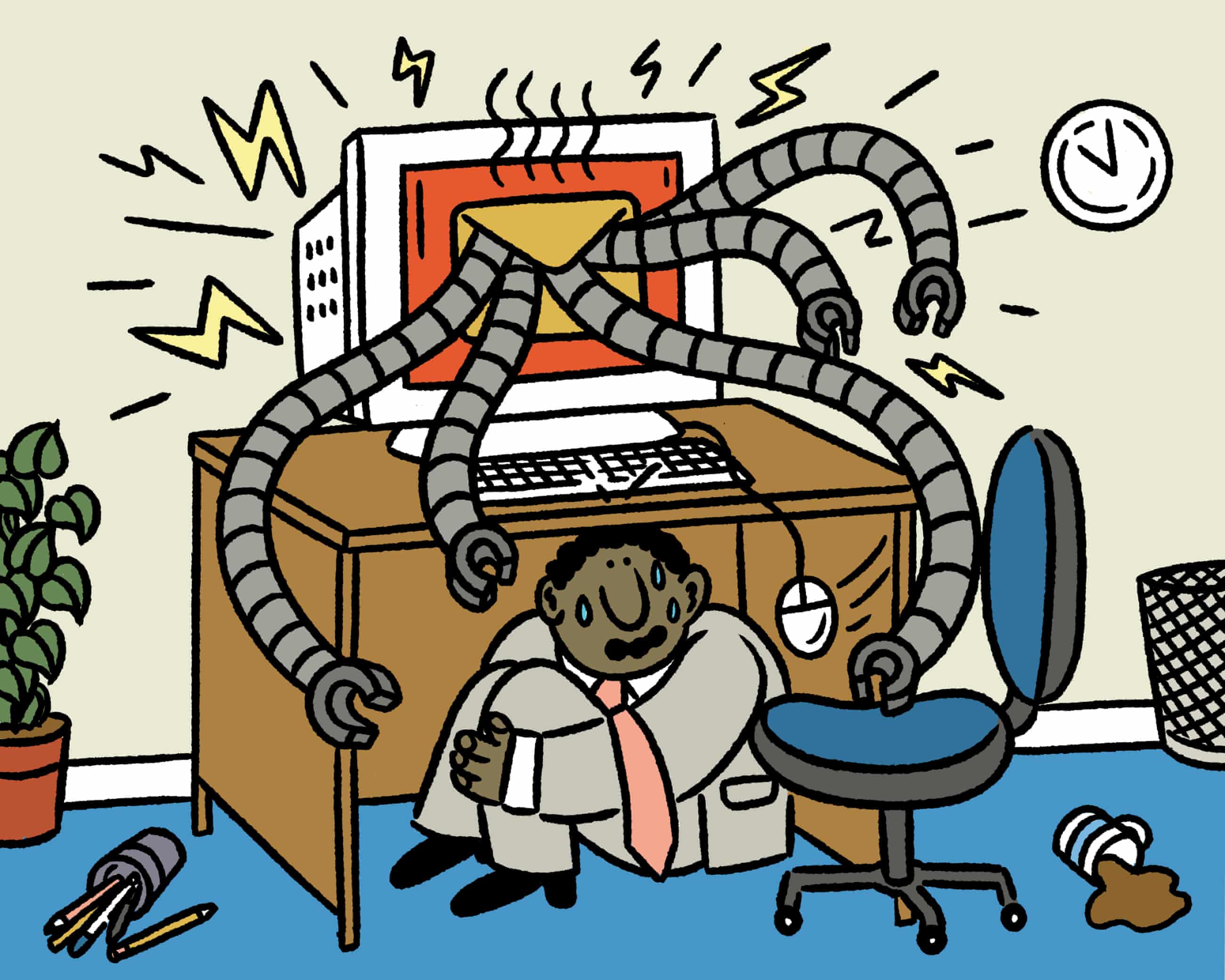
Before widespread chatbot use, average complaints to local authorities were about two pages. The majority are now ten times longer. Evans says the worst one she is aware of is about two hundred pages long.
AI makes false legal claims
AI tools often treat complaints as legal claims, referring to statute and case law that may not apply.
Employment tribunal claims surge
The number of employment tribunal claims opened between April and June soared by twenty eight percent compared with a year earlier, representing fourteen thousand cases from single claimants.
Employers face costly defences
One technology start-up founder expects to spend thirty thousand pounds on legal fees defending an employment tribunal case brought by a former employee using AI-generated correspondence.
“Everyone's got a free lawyer now”
AI complaints miss the point
Many AI-generated complaints are unnecessarily verbose and contain embellished claims.Moore says they often miss the most important point: what resolution is the complainant looking for.
Transport for London overwhelmed

Transport for London received a record four thousand seven hundred sixty nine freedom of information requests in twenty twenty five to twenty twenty six, a five percent increase on the previous peak in twenty twenty…
TfL sees surge in AI appeals
Transport for London reported a noted increase in appeals believed to be AI-generated, which often contain highly technical and often inaccurate assertions and assumptions, according to minutes of a recent audit and assurance committee meeting.
MPs' offices stretched to breaking
Vonnie Sandlan, head of office for Labour MP Graeme Downie for Dunfermline and Dollar, says dealing with AI-generated requests has left staff exhausted and stretched to the limits, working more hours than they are paid.
Union reports casework has doubled
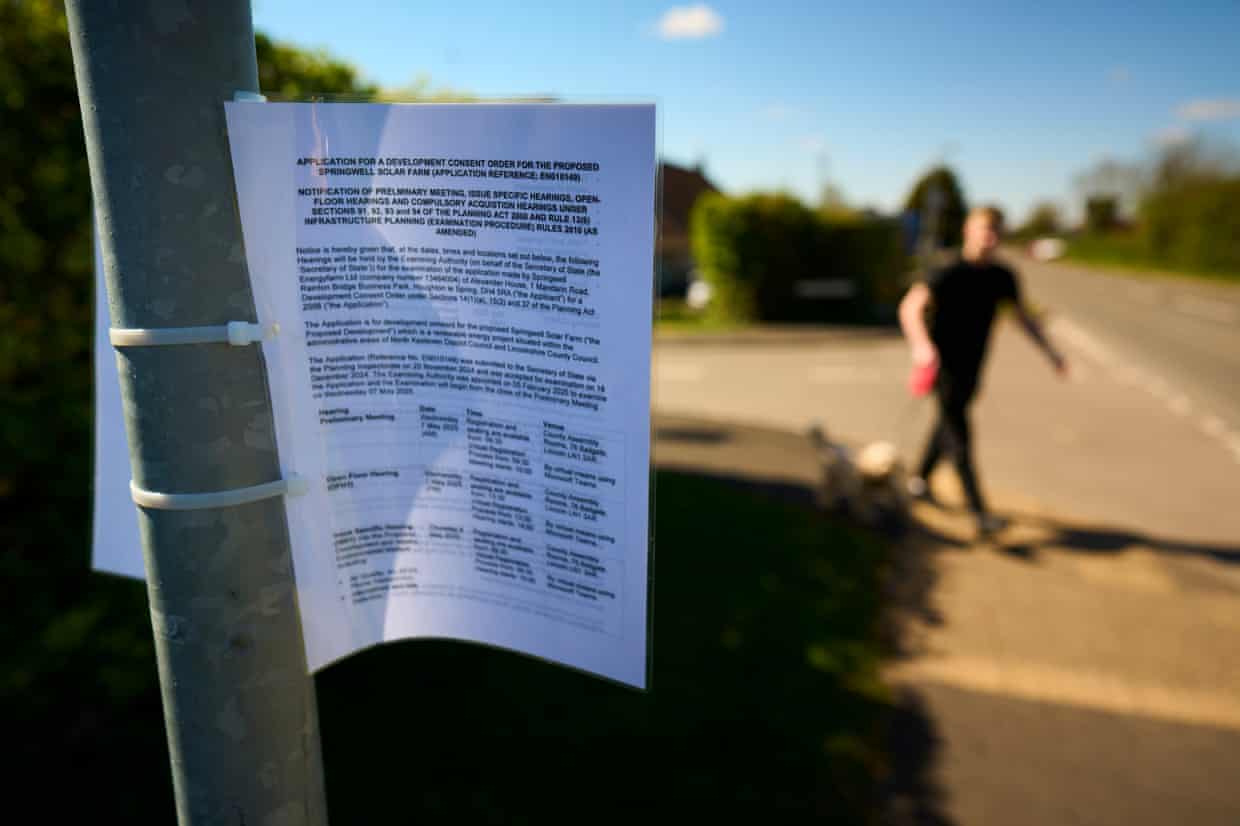
The GMB union, which represents MPs' office staff, found soaring casework levels widespread. Lisa Gillmore, president of the MPs' and peers' staff branch, says where offices keep figures, casework has doubled or more with no…
“AI is not lightening the load in MPs' offices”
Authorities consider AI solutions
Some ombudsman services are imposing word limits for complaints or designing online templates to restrict information. Wiltshire council is exploring using AI tools to summarise long emails and draft initial responses to complaints.
Experts warn of machine-to-machine risk
Technology journalist Jamie Bartlett says public bodies will probably have to use AI to filter things out or set stricter rules on what they accept.Otherwise he worries they will get completely overwhelmed by the volume.
The headline
UK public bodies, courts, schools and local authorities report being overwhelmed by AI-generated complaints and requests that massively increase workload at a time of stretched resources.