From the Guardian · · 3m
Australian brewers brew up sustainability
From renewable energy to carbon capture, local breweries are cutting the environmental cost of Australia's 69 million litres of annual beer consumption.
In brief
From renewable energy to carbon capture, local breweries are cutting the environmental cost of Australia's 69 million litres of annual beer consumption. Australian breweries are adopting renewable energy, reusable containers and innovative malting techniques to reduce the environmental footprint of beer production and…
Australia's beer habit has a cost
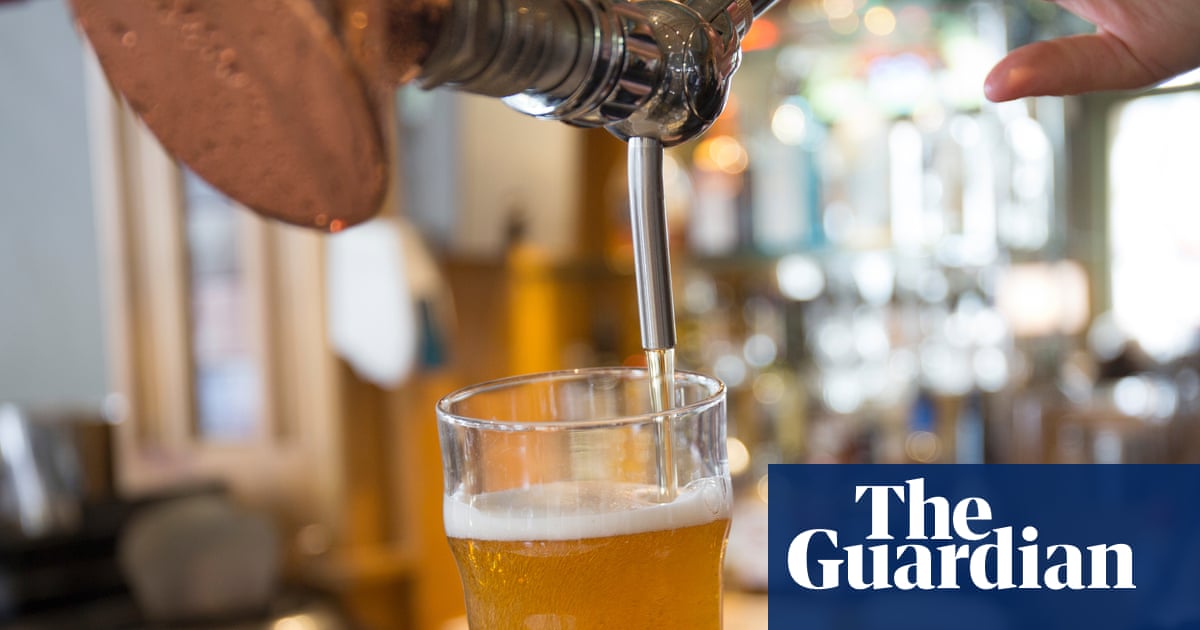
Australians consume 69m litres of beer every year, generating significant packaging and environmental emissions. An estimated 17bn bottles and cans are disposed of annually, with fewer than half recycled.
Major breweries commit to renewables
Japanese conglomerate Asahi Group Holdings owns Carlton Draught, Victoria Bitter, Great Northern, Balter and Mountain Goat. Asahi purchases one hundred percent renewable electricity and aims for net zero emissions by two thousand forty.
Kirin sets its own renewable targets
Kirin Holdings owns XXXX, Tooheys, Hahn, James Boag, Little Creatures and Stone and Wood. Kirin has a one hundred percent renewables target for electricity by two thousand forty and net zero target by two thousand fifty.
Bodriggy leads local sustainability
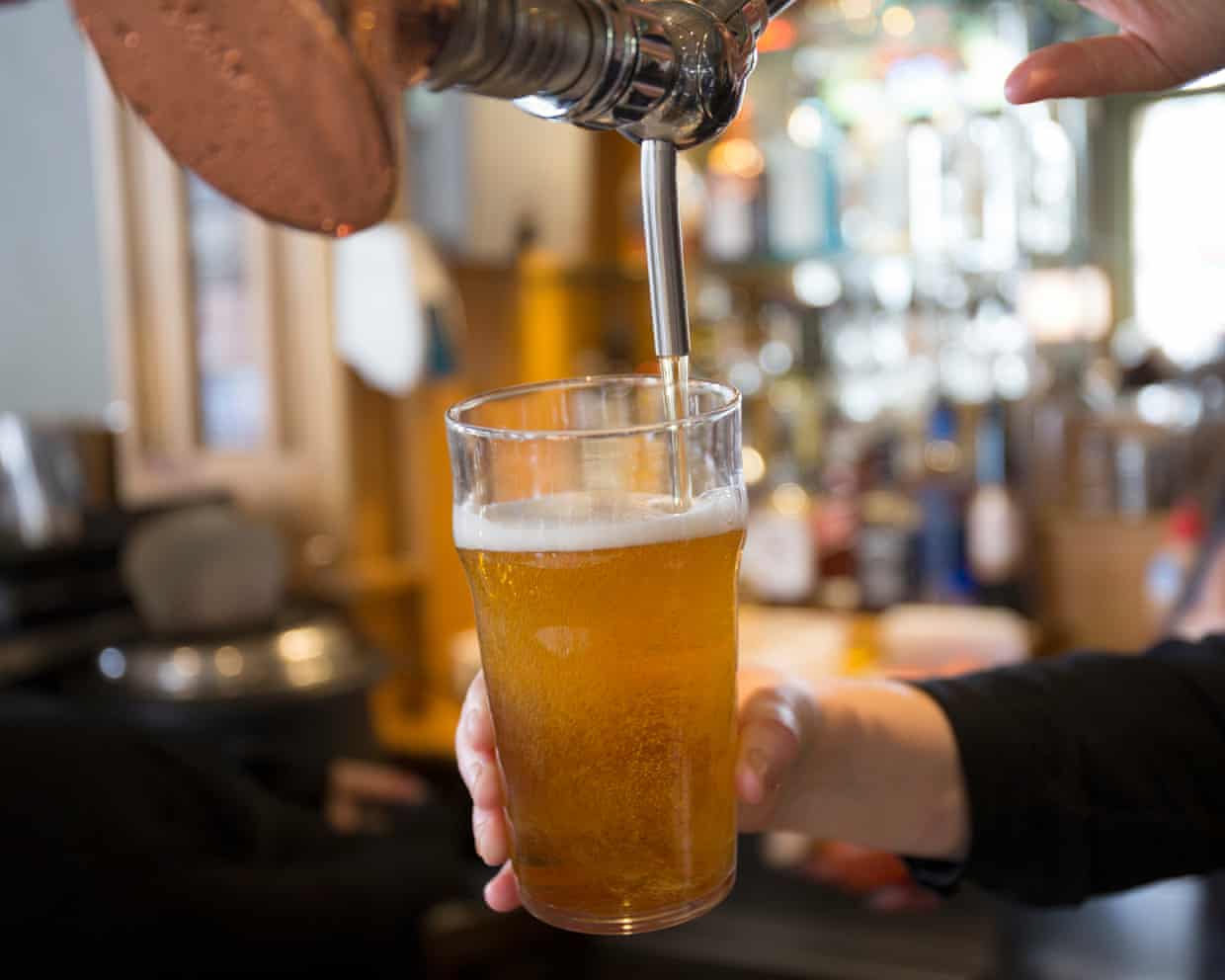
Bodriggy Brewing Company in Melbourne was the second Australian and first Victorian brewery certified carbon neutral through Climate Active. It plans to cut emissions by a further thirty percent by two thousand thirty.
“Sustainable brewing is the future of brewing in Australia.”
Bodriggy cuts deliveries and redesigns kegs
Bodriggy recently purchased its own grain silo to reduce delivery frequency and worked with Pactec to design reusable lids on kegs. Upcoming goals include introducing e-water cleaning technology and shifting to electric vehicles.
Adelaide researchers tackle malting efficiency
Adelaide University researchers collaborate with Coopers Brewery to investigate whether certain barley cultivars make malting more efficient. Barley strains that dry quicker could reduce energy needed in the kilning stage, which typically relies on gas.
“The cheapest energy and the greenest energy is the one that you don't need to use.”
Young Henrys captures fermentation carbon
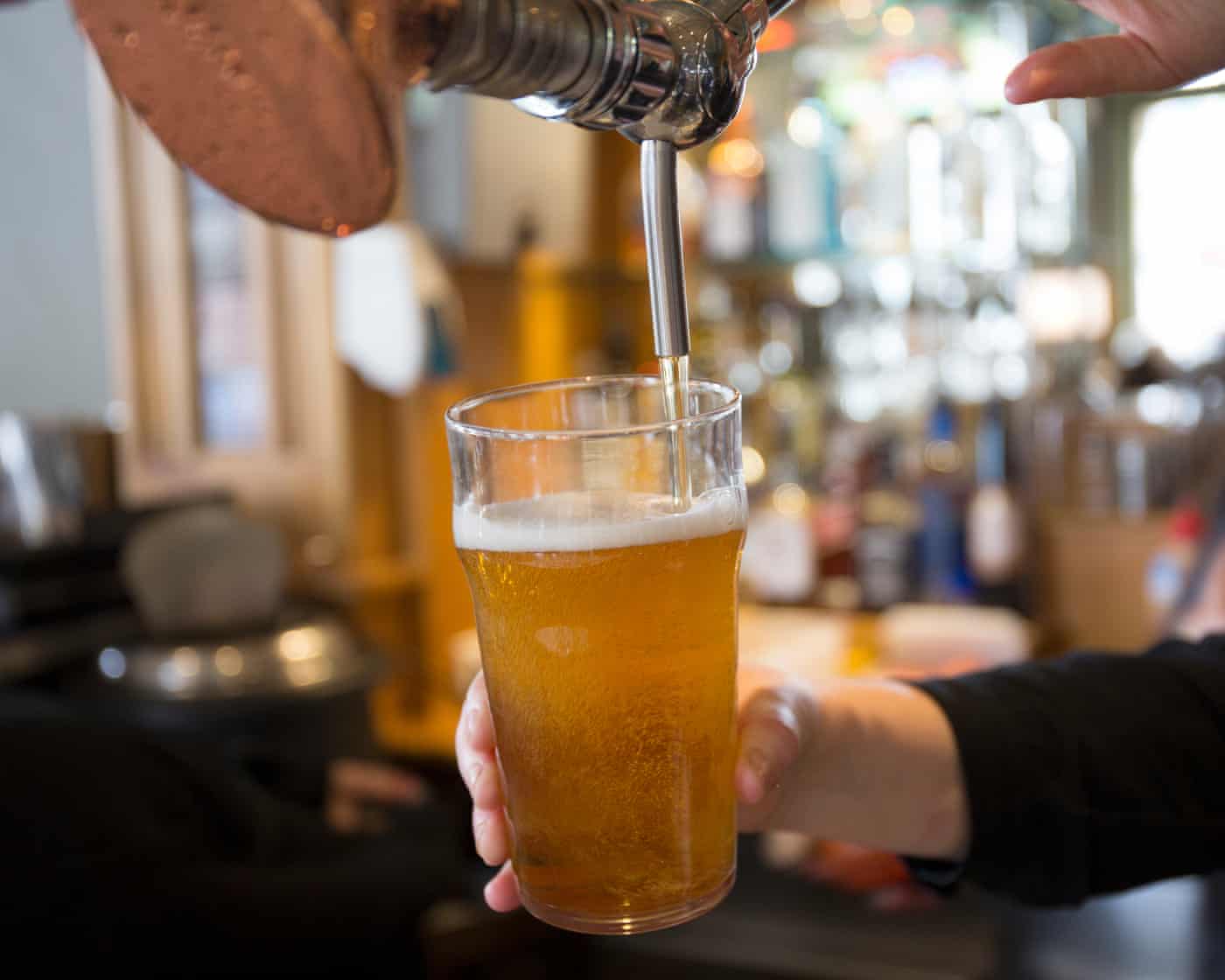
Young Henrys in Newtown installed thirty kilowatts of solar in two thousand sixteen and purchases one hundred percent renewable electricity. The brewery works with University of Technology Sydney to capture carbon dioxide from fermentation using algae in bioreactors.
Algae and spent grain feed livestock
Algae from bioreactors is blended with spent grain to create livestock feed. Eighty head of sheep trialled the feed, then were slaughtered and cooked for testing. Panellists believed the algae improved flavour and omega-three content of the lamb.
Young Henrys seeks methane reduction
Now in the fifth stage of the project, researchers hope to find a livestock species that reduces methane emissions while improving animal health, productivity and product quality. Young Henrys director Richard Adamson sees viability in combining brewing and animal improvements.
“If we can do methane reduction in both the brewing process and in the animal, whilst improving omega-3s at the same time, we're really on to something that's going to be quite viable.”
Growlers and squealers offer refills
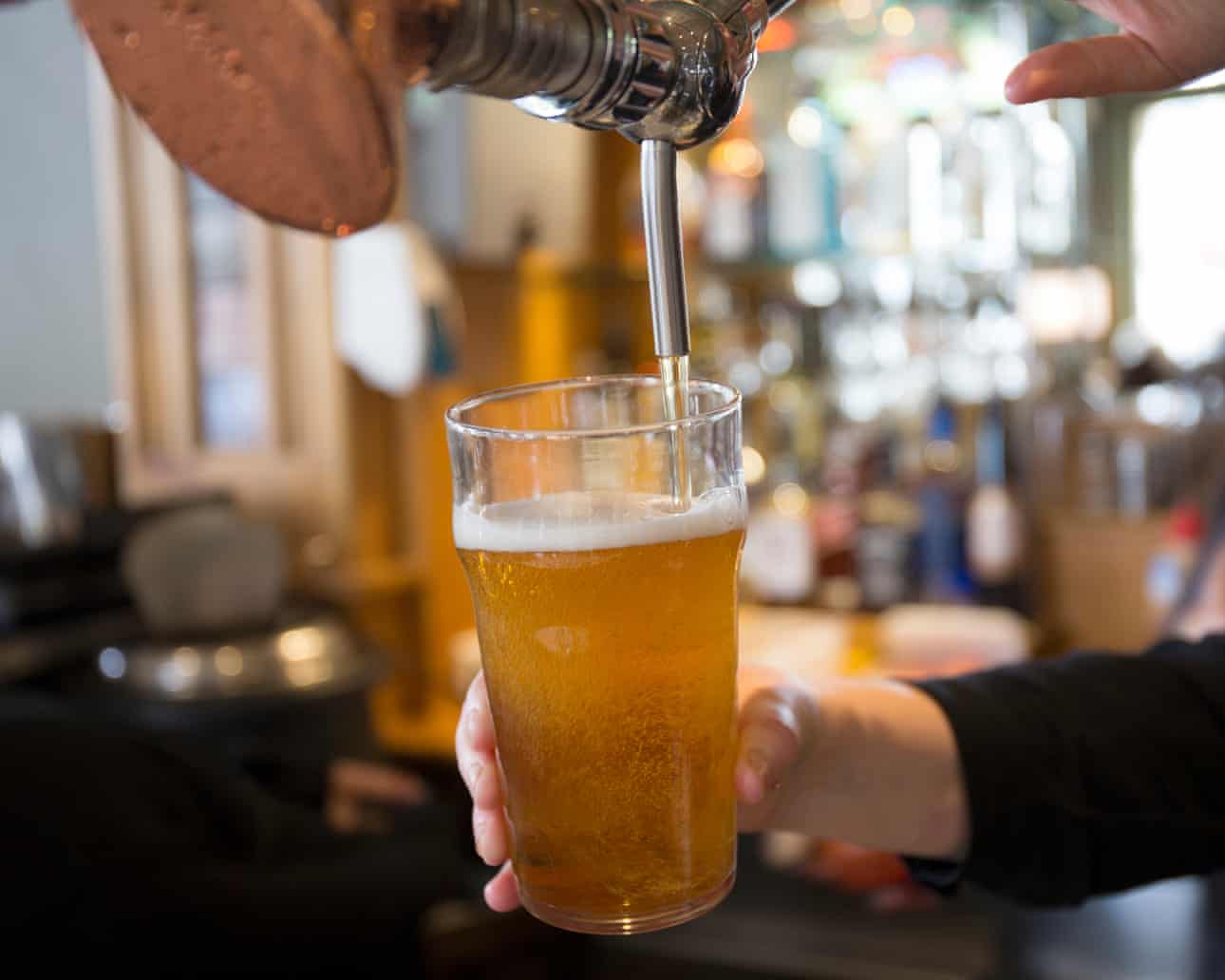
Many breweries and pubs offer growlers, one point eighty nine litre flasks filled with tap beer that can be washed and refilled. A smaller nine hundred millilitre option called a squealer serves those wanting less. Directories like Beer Crawl help find refill venues.
The essence
Australian breweries are adopting renewable energy, reusable containers and innovative malting techniques to reduce the environmental footprint of beer production and packaging.