From the Guardian · · 1m 30s
Bird flu just killed its first Australian sea lion
A dead sea lion at Seal Bay marks the moment H5 reached one of Australia's rarest marine mammals.
In brief
A dead sea lion at Seal Bay marks the moment H5 reached one of Australia's rarest marine mammals. H5 has crossed into Australian sea lions, a species of fewer than 12,000 already shrinking 2% a year, and there is no off-the-shelf vaccine to protect them. Originally reported by the Guardian.
A first for the species
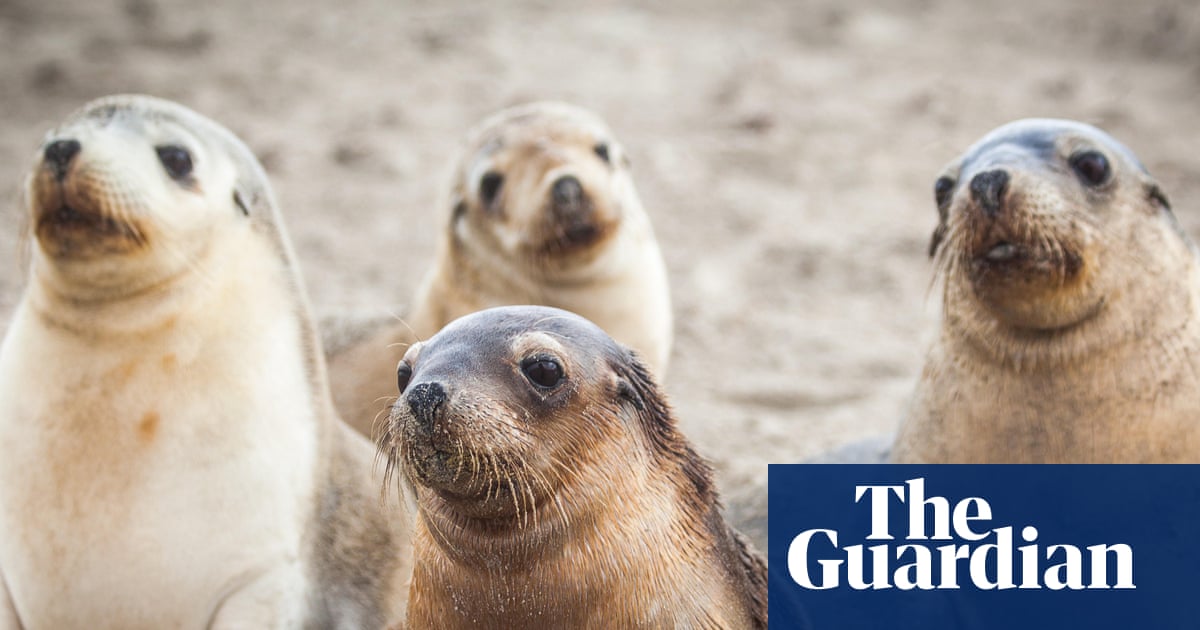
South Australia confirmed an endangered Australian sea lion died of H5 bird flu, the first recorded case in the species. The animal was found dead at Seal Bay on Kangaroo Island.
Fewer than 12,000 left
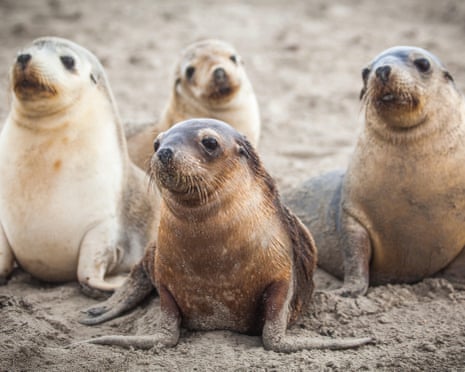
About 12,000 Australian sea lions remain, and a newer estimate puts it under 10,000. Roughly 85% live in South Australia, the rest in Western Australia.
“the Australian sea lion is the rarest seal found in our Australian waters”
The shark attack didn't kill it

Environment minister Emily Bourke said the sea lion had been recovering from a shark attack when it died. Being weakened may have made it more susceptible to the virus.
“We found that it was actually not the shark attack that killed the sea lion. It was the bird flu”
No vaccine on the shelf
There is no ready mammal vaccine. A version was used in US cattle and trialled successfully on Hawaiian monk seals, and SA has told Canberra it wants to run a trial.
Already losing 2% a year
The population was shrinking by 2% annually before H5 arrived. Bird flu cut seal pup numbers on Heard Island by 75%, and by 95% in some populations overseas.
“We know that this is going to be not the first and only case”
Colonies sit next to seabirds
Mammal scientist John Woinarski expects rapid spread because sea lion colonies sit close to breeding seabird colonies. H5 has already devastated seals in South America and the sub-Antarctic.
“The carnage may be substantial and represent a serious conservation impact”
Here's the gist
H5 has crossed into Australian sea lions, a species of fewer than 12,000 already shrinking 2% a year, and there is no off-the-shelf vaccine to protect them.