From the Guardian · · 1m 50s
Bristol aims to become UK's first wetland city
A five-year project backed by insurer Aviva will create over 200 wetland sites across Bristol to reduce flooding and boost wildlife.
In brief
A five-year project backed by insurer Aviva will create over 200 wetland sites across Bristol to reduce flooding and boost wildlife. Bristol is launching a five-year wetland restoration project with over 200 sites to reduce flood risk, increase wildlife habitat and access to green spaces. Originally reported by the…
Bristol's wetland city plan
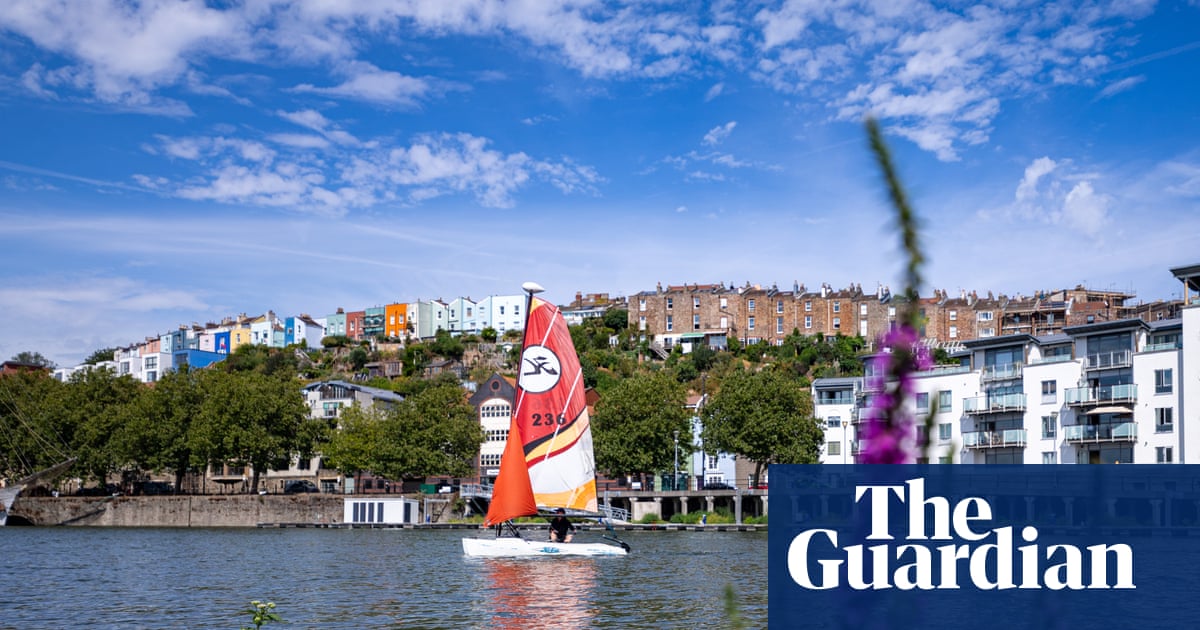
The Wildfowl & Wetlands Trust is launching a five-year initiative to create over 200 wetland projects across Bristol, from household rainwater ponds to restored river habitats.
Floating wetlands installed
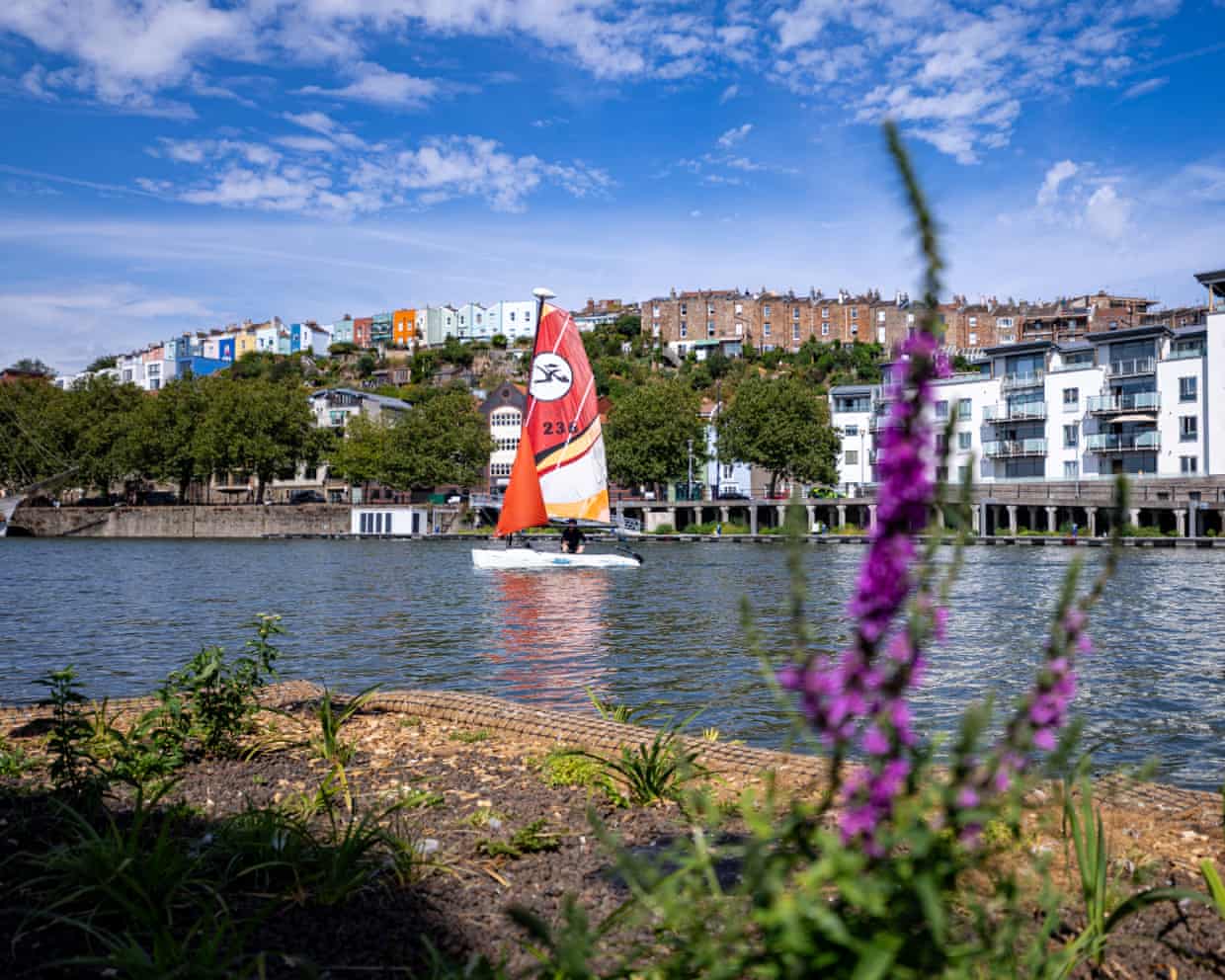
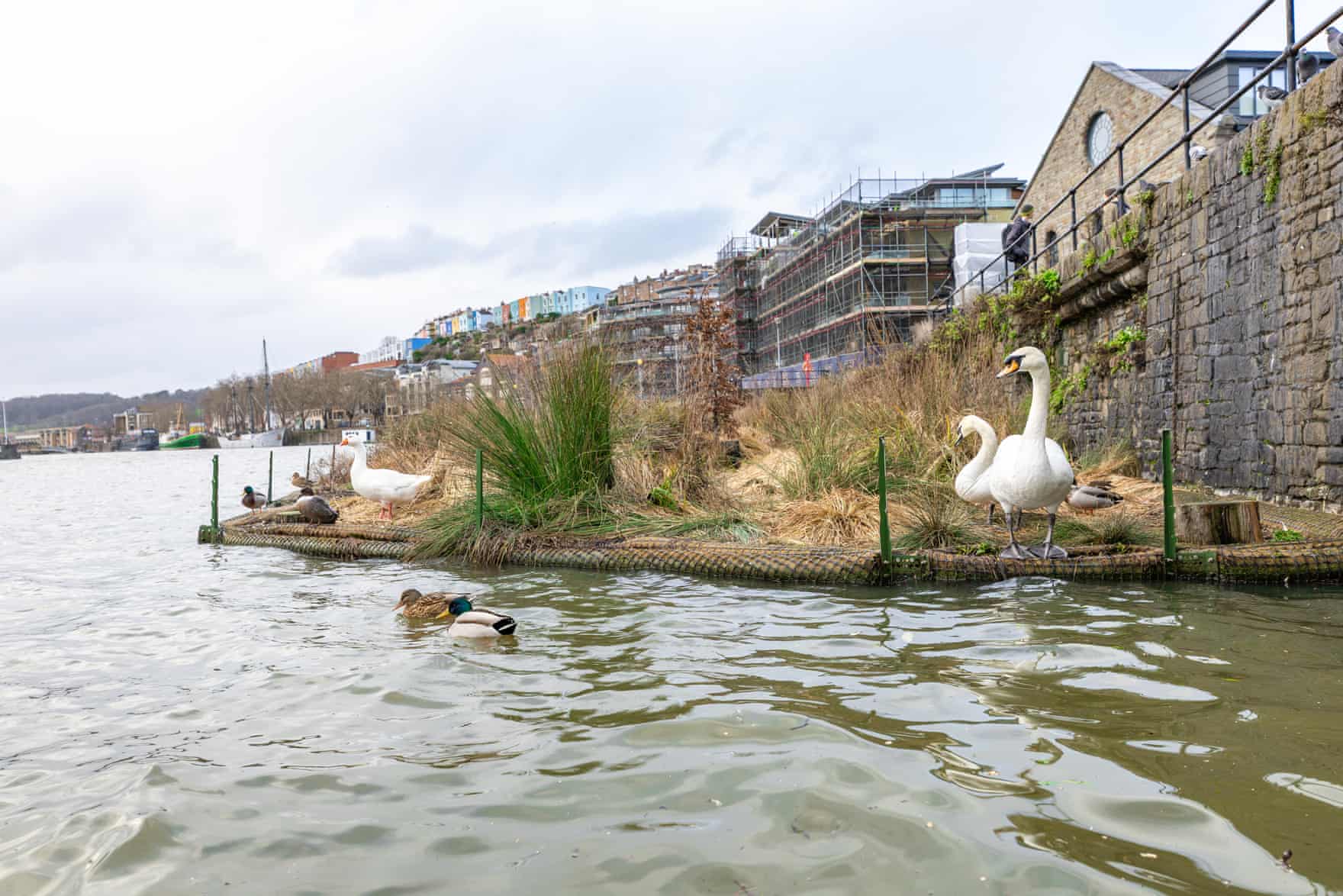
The charity installed floating wetlands made of buoyant modules covered in wetland plants at three sites in Bristol's city-centre harbour in September to create habitat for insects, birds and wildlife.
“Within minutes, dragonflies and other wildlife were appearing. Nature was being drawn to it.”
Why wetlands matter for cities
Forty percent of species worldwide rely on wetlands. Louise Kennedy, managing the project, says restoring wetlands in cities improves biodiversity and gives urban populations access to nature they might not otherwise have.
“At WWT we often say they're in freefall, given the number we've already lost.”
Wetlands reduce flooding
Wetlands absorb and store water more effectively than concrete, preventing flooding during heavy rainfall. Peter Lee says the project rethinks how cities manage water by capturing it where it lands instead of draining it quickly.
“Instead of trying to get water out of the city as quickly as possible through drains and combined sewers, we can actually manage the water where it lands.”
Aviva funds the project
Insurer Aviva is contributing eight point nine million pounds over five years to fund Bristol's wetland city project. There are 74 accredited wetland cities in 27 countries, 22 of them in China.
Bristol's water heritage
Peter Lee says Bristol stood out for the project because of its maritime heritage and 100 miles of waterways within the city, many of them hidden. The city's placenames are full of water references.
“Look at the placenames across Bristol, they're full of water references.”
A template for other cities
Lee hopes Bristol will become a template for other UK towns and cities by demonstrating the economic case for wetlands, including higher mooring fees and increased footfall in the city centre.
“By proving the commercial and economic case for investment in wetlands, we won't always need to rely on a big philanthropic donation.”
What it means
Bristol is launching a five-year wetland restoration project with over 200 sites to reduce flood risk, increase wildlife habitat and access to green spaces.