From the Guardian · · 2m
Bronze leg rewrites Roman Scotland story
A gilded statue limb found in a Scottish bog 200 years ago is now at the centre of a major exhibition proving Rome's grip on Scotland was far deeper than historians thought.
In brief
A gilded statue limb found in a Scottish bog 200 years ago is now at the centre of a major exhibition proving Rome's grip on Scotland was far deeper than historians thought. A bronze leg from a statue of emperor Antoninus Pius, found in a Scottish bog and hidden for a century, is now the centrepiece of an exhibition…
A leg emerges from Scottish soil
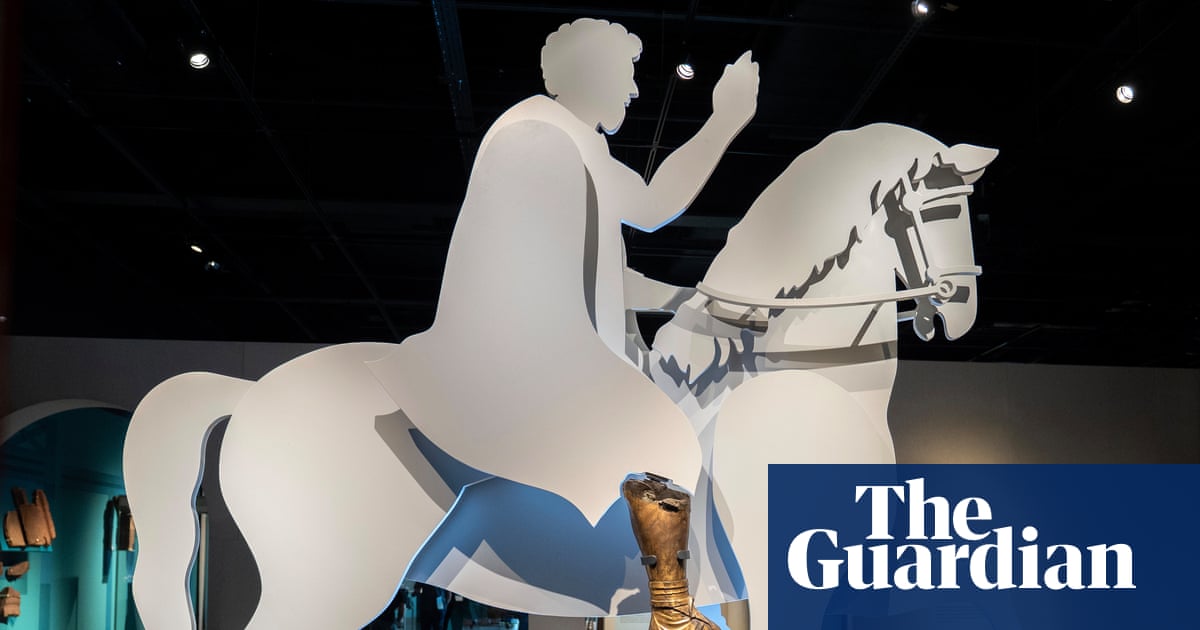
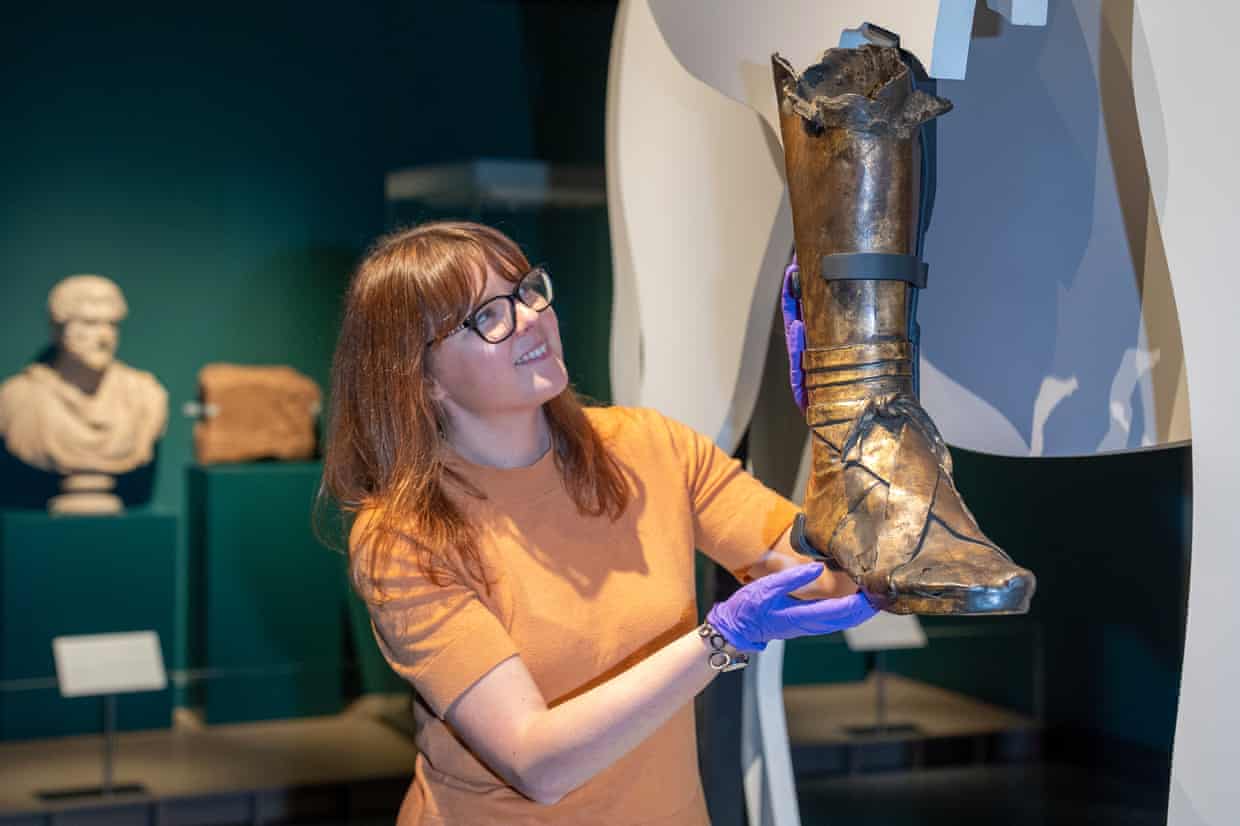
A large gilded bronze leg was dug up in a Scottish bog in 1820 and then hidden away in a storeroom at Dalkeith House, a stately home owned by the Duke of Buccleuch, for 100…
Scholars thought it was plunder
Early antiquarians argued the leg had been looted, perhaps from York, and hacked off by marauding Scottish tribes who carried it north over Hadrian's Wall.
“We cannot visualise the conditions which would have led to its erection anywhere north of the Great Wall.”
New theory: it was made locally
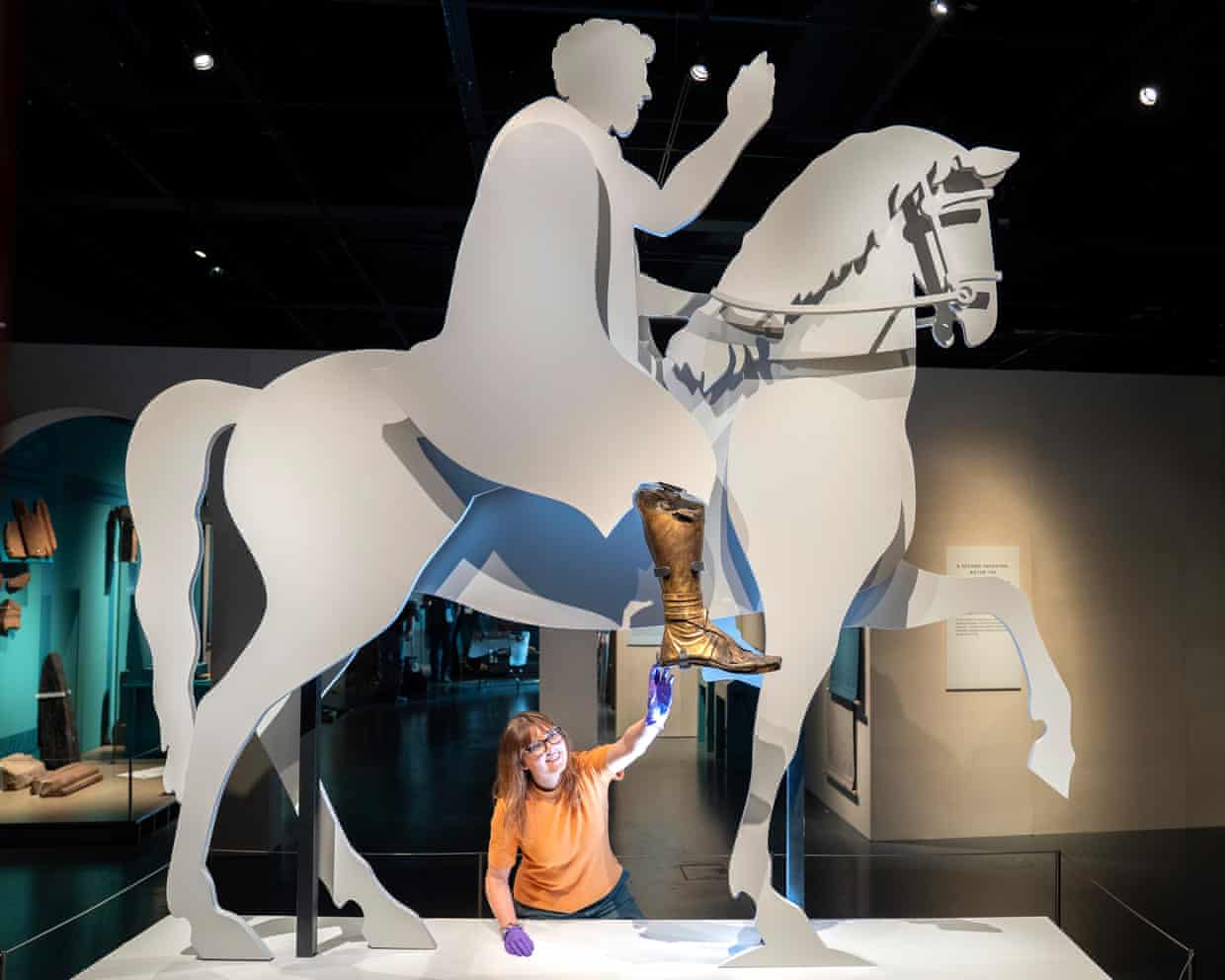
Archaeologists now believe the gilded bronze leg came from the Scottish Borders and was part of a vast statue of emperor Antoninus Pius on horseback, erected near Hawick after his armies took control of southern…
The leg goes on display in Edinburgh
The leg is now the centrepiece of the largest exhibition ever staged on the Romans in Scotland, opening on Saturday at the National Museum of Scotland in Edinburgh, curated by Dr Fraser Hunter.
Rome's reach was deeper than thought
The exhibition includes artefacts proving the Romans were a far more significant force north of Hadrian's Wall than previously realised, occupying large areas of Scotland, producing new artworks and shaping politics long after they retreated.
A unique decorated bowl from Inveresk
The exhibition includes a newly reconstructed earthenware bowl from Inveresk, east of Edinburgh, displaying a unique combination of animal reliefs involving dolphins, stags and a stylised hunting dog found nowhere else in Scotland or the…
“You only find it in Inveresk. It's not seen anywhere else in Scotland; it's not seen anywhere in the UK.”
Rare treasures from a Roman fort
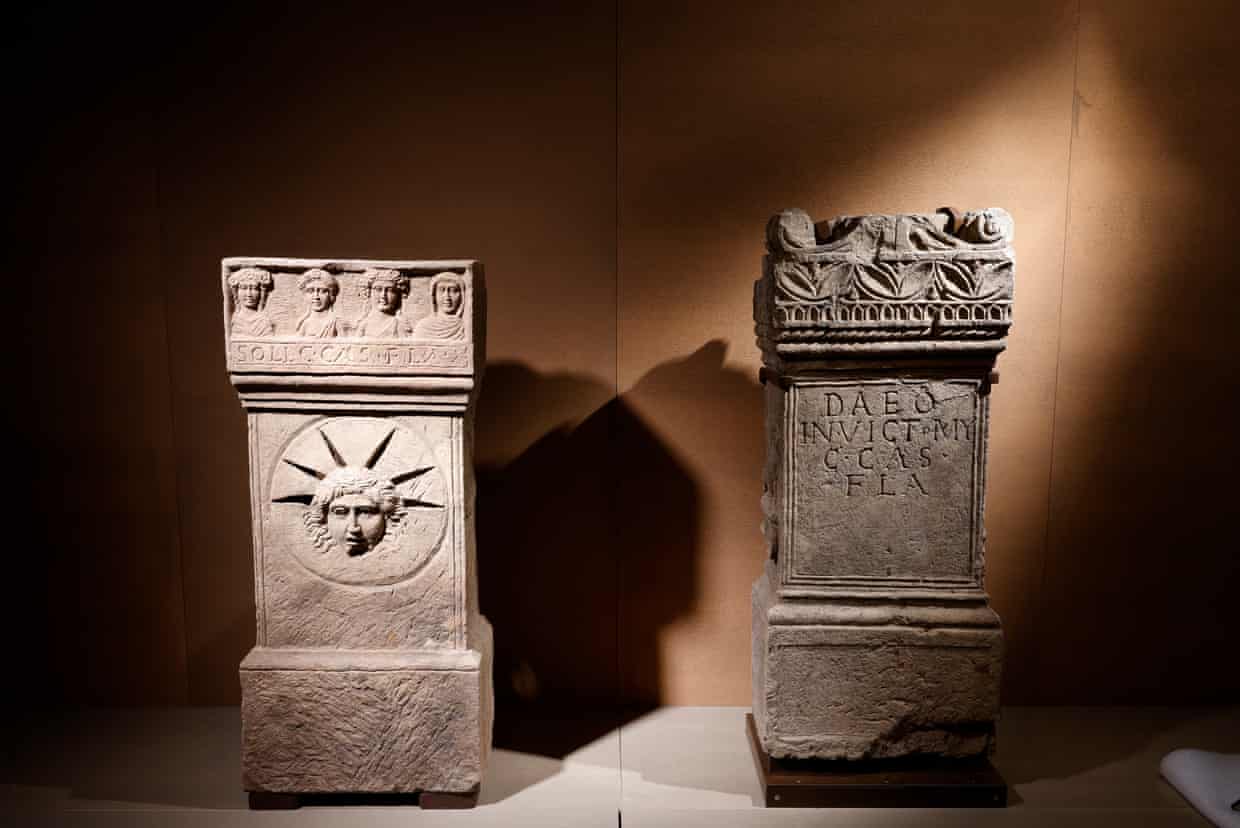
Two remarkably well preserved stone altars from a mithraeum at Inveresk are shown for the first time, with dramatic lighting revealing their original vibrant colours.
Rome created its own enemies
By the third and fourth centuries, Roman interventions led Pictish tribes to merge into an anti-Roman coalition.
“What Roman interventions effectively do is they create a worse enemy. It's the problem that empires often have in dabbling around their edges.”
The one thing
A bronze leg from a statue of emperor Antoninus Pius, found in a Scottish bog and hidden for a century, is now the centrepiece of an exhibition proving Roman occupation of Scotland was more significant than previously believed.