From the Guardian · · 2m
Chelsea's chaos profits American owners anyway
Todd Boehly doubled his money at Chelsea despite four years of sporting failure, exposing how modern sports ownership works.
In brief
Todd Boehly doubled his money at Chelsea despite four years of sporting failure, exposing how modern sports ownership works. In American-style sports capitalism, owners make money by holding valuable assets and selling them for more, regardless of on-field performance. Originally reported by the Guardian.
Chelsea's four-year record under Boehly
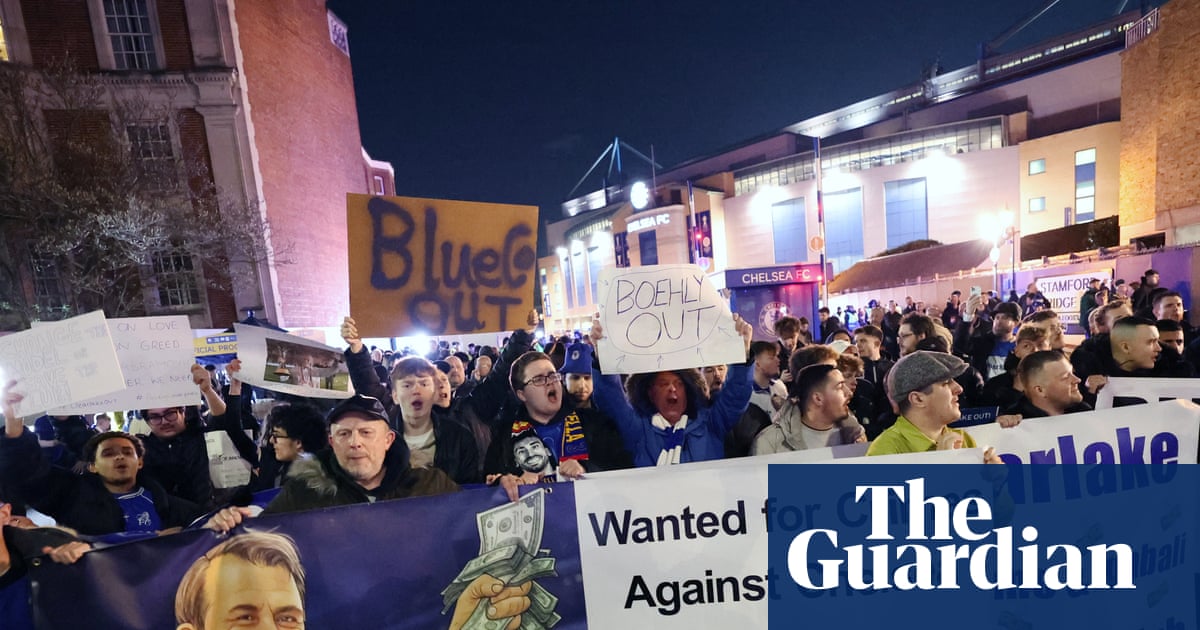
Since May 2022, Chelsea finished 12th, 6th, 4th and 10th in the Premier League. They cycled through nine managers and spent $2.37bn on 60 players.
The spending didn't work out
Chelsea spent $2.37bn on players now valued at just $1.23bn. The signings included Mykhailo Mudryk, a Premier League bust, and Raheem Sterling on one of the worst contracts.
Record losses and accounting tricks
Chelsea set a Premier League record for biggest pre-tax loss and infamously sold its women's team to itself to stay compliant with financial regulations.
Boehly exits with a profit anyway

Boehly and Mark Walter bought their stakes at a $3.3bn valuation and sold them at $6.7bn, doubling the club's supposed value after four chaotic years.
How American sports ownership works
The ownership class makes money by holding ultra-scarce assets and selling them for more, not by running competitive teams. Season-to-season performance barely matters.
“It is virtually impossible to lose money by parking it in a beloved sports team over the long term.”
Losses don't matter if you sell high
Clubs can lose money year after year, but those losses are offset by profits from selling the team for more than you paid. The balance sheet is immaterial.
Manchester United set the template
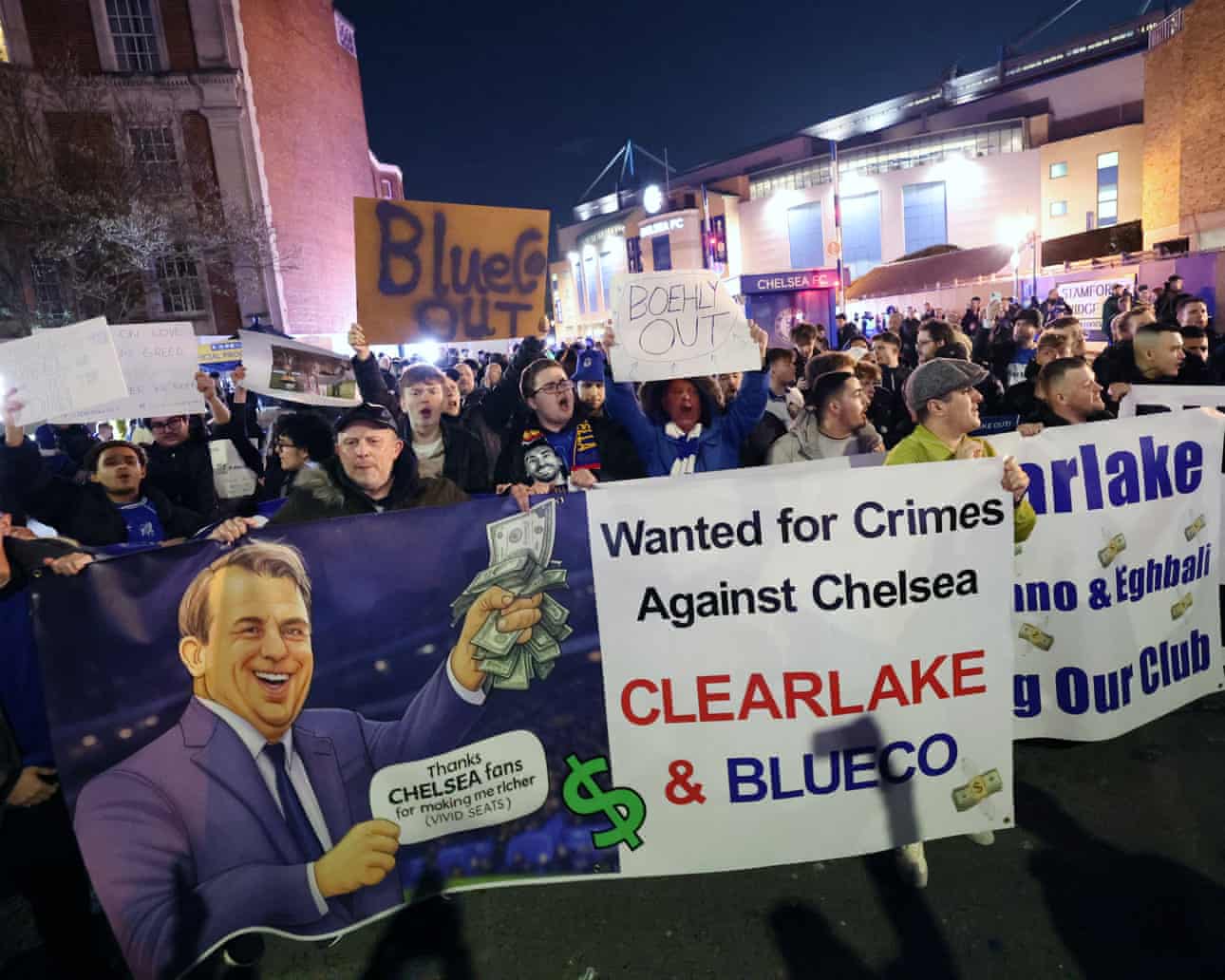
The Glazer family bought Manchester United in 2005 for $1.47bn mostly with borrowed money, then sold a quarter to Jim Ratcliffe for $1.6bn while keeping three-quarters of the club.
Mark Walter's Lakers flip
Mark Walter bought the Los Angeles Lakers for $10bn and flipped them for $12.5bn just 14 months later, a $2.5bn profit in over a year.
Liverpool's staggering profit
Fenway Sports Group bought Liverpool for $464m in 2010. A consortium including Jeff Bezos bought 30% for $2.2bn this summer, representing a 1,580% profit.
This model now dominates English football
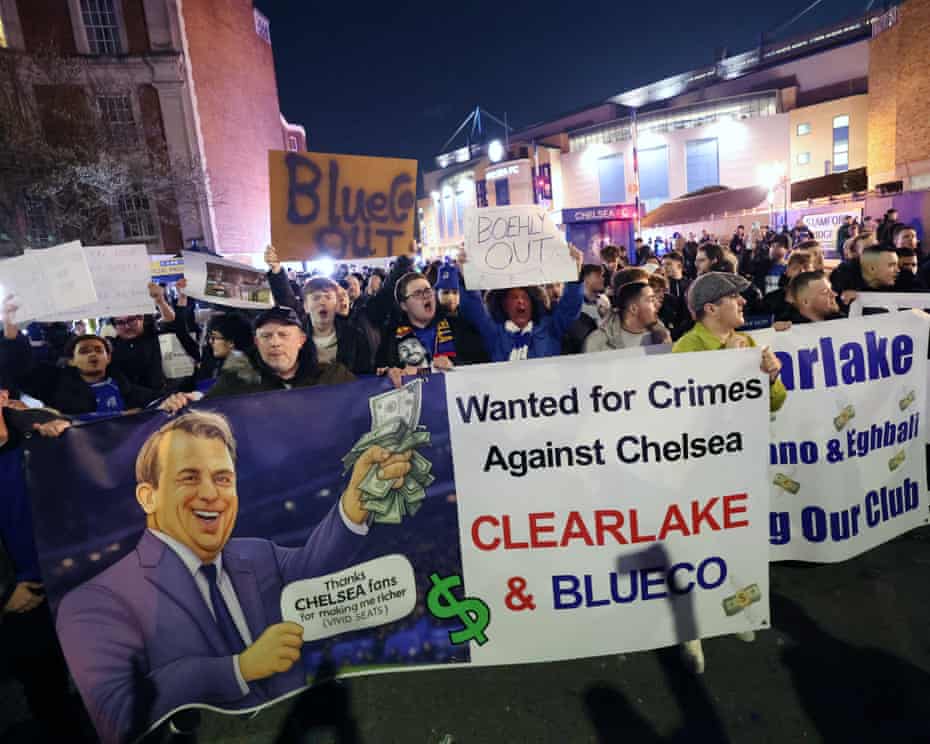
American-style sports capitalism has enveloped most of the Premier League. Billionaires pass stakes around among themselves, always for more than they paid, treating clubs as financial assets.
Fans lose out in this system
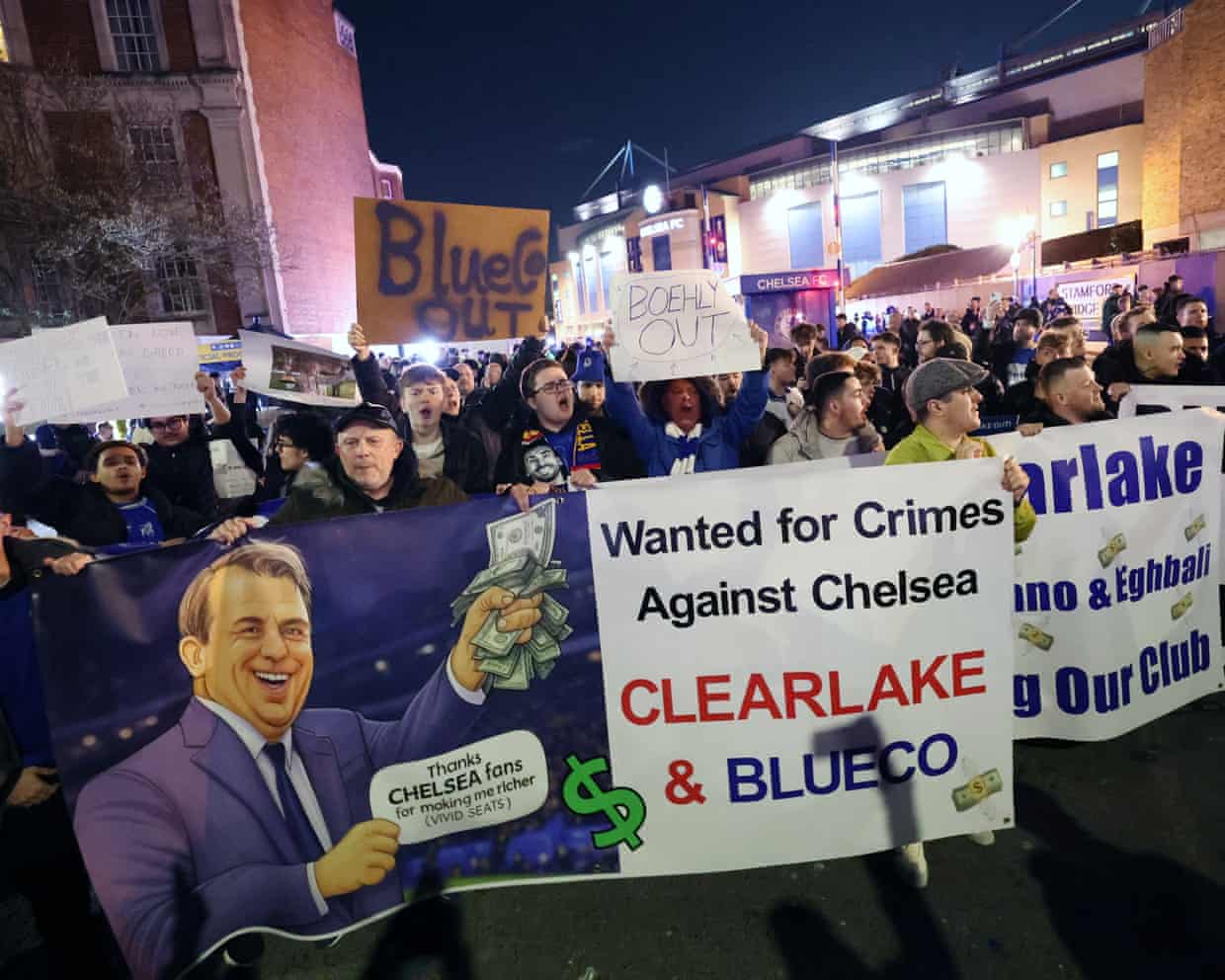
The model doesn't drive sporting excellence or build connections with fans. Clubs now exist to make rich people richer, with little fans can do about it.
“The clubs now exist to make rich people richer. There's little anyone can do about it. It sucks.”
The headline
In American-style sports capitalism, owners make money by holding valuable assets and selling them for more, regardless of on-field performance.