From the Guardian · · 2m
Climate change weakened glacier before Nepal floods
Scientists find global heating destabilized the mountain slope that killed over 1,300 people in August.
In brief
Scientists find global heating destabilized the mountain slope that killed over 1,300 people in August. Climate change doesn't cause disasters alone, but it weakens natural defenses until catastrophe becomes inevitable. Originally reported by the Guardian.
Glacier collapse kills over 1,300
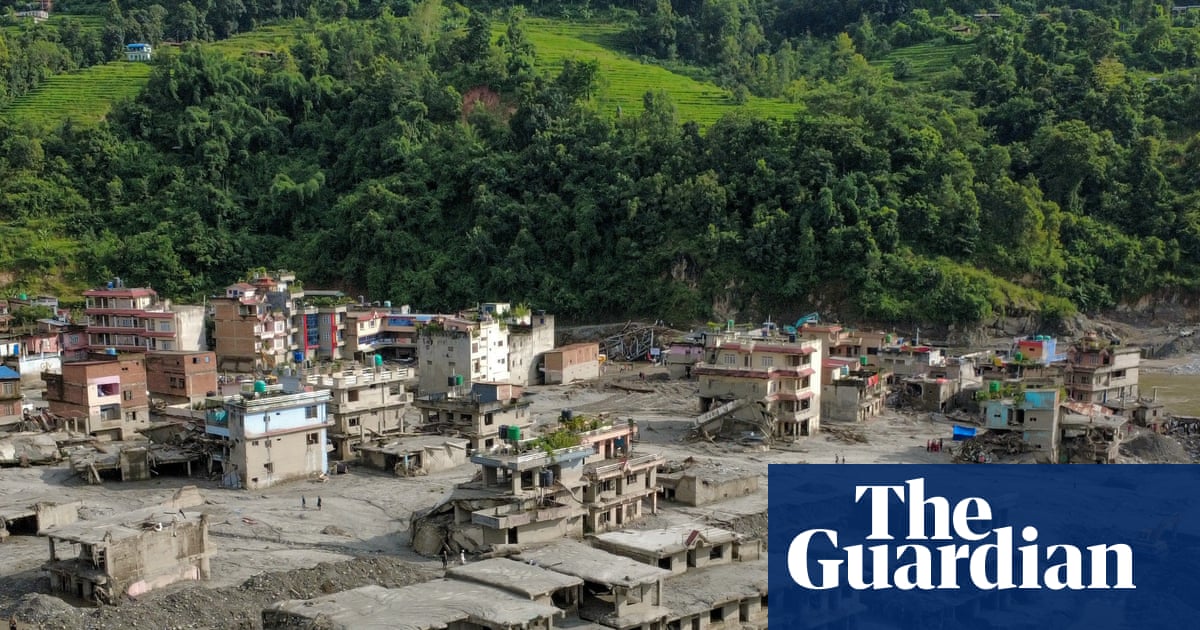
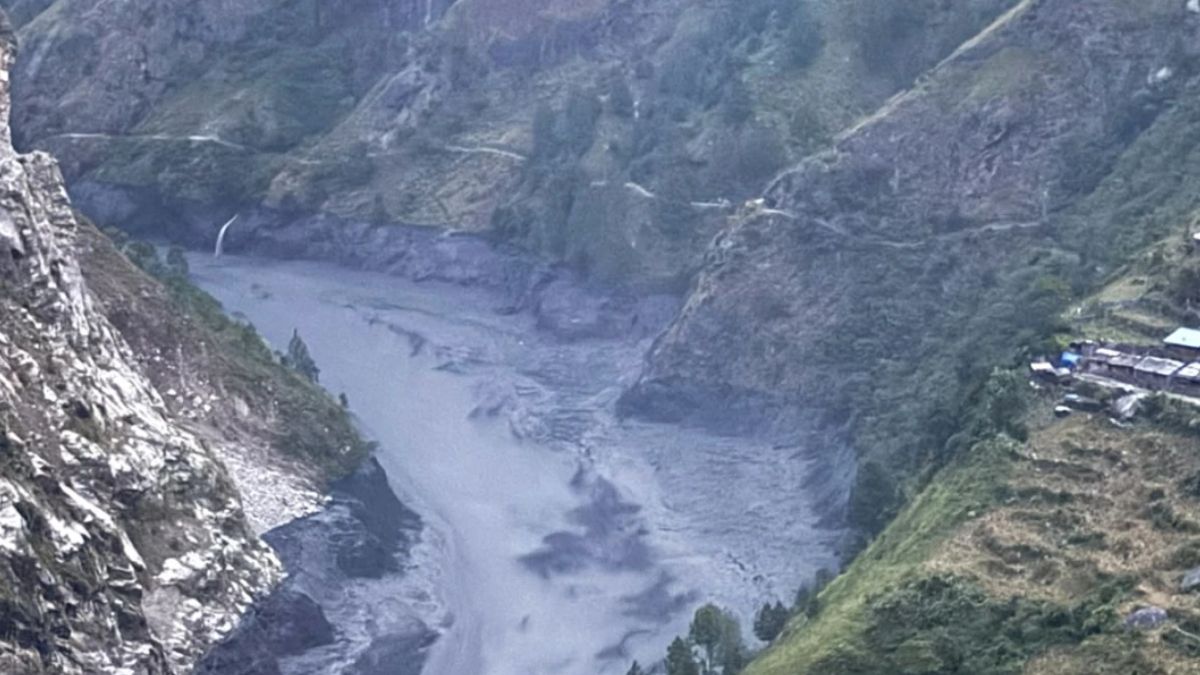
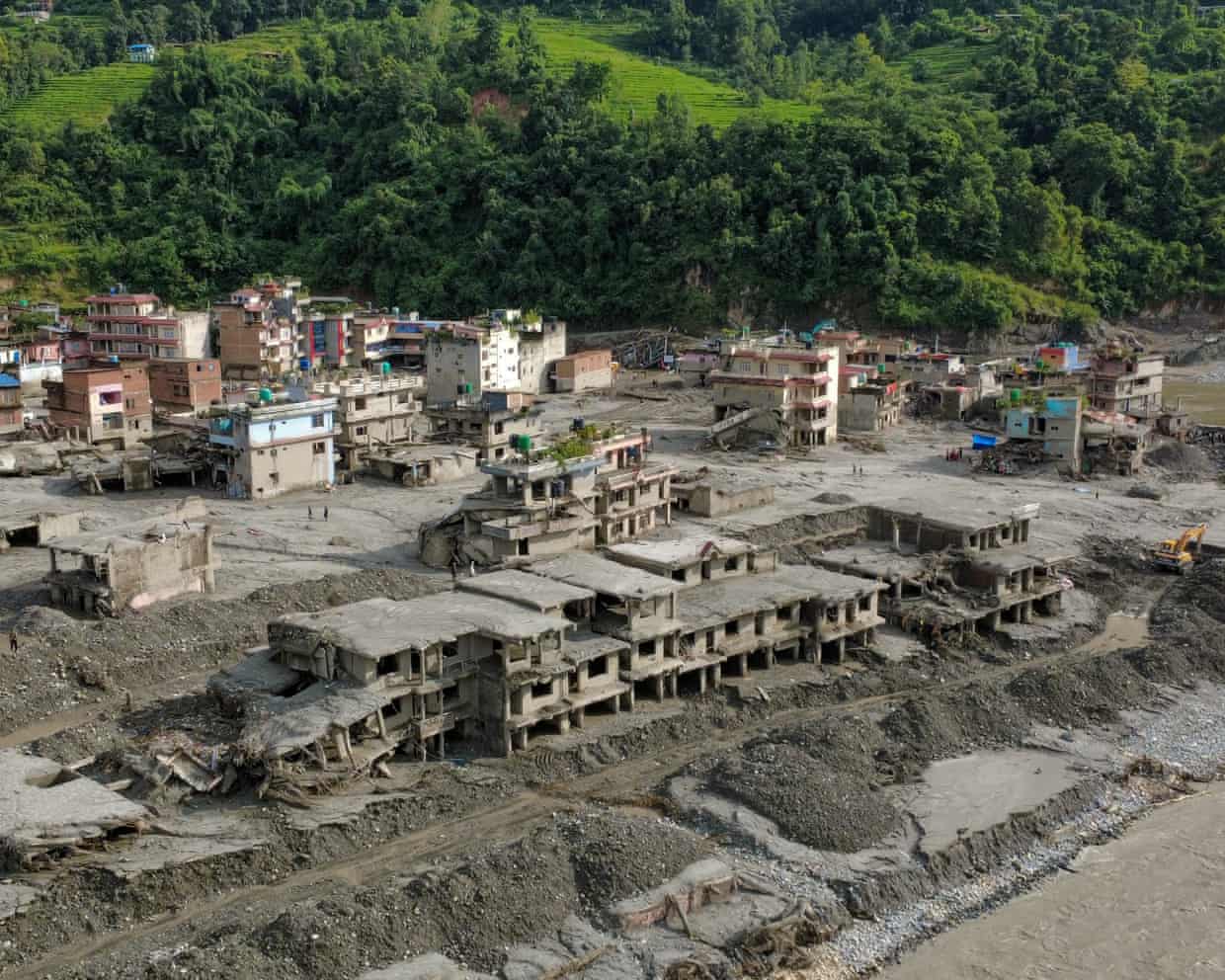
A 200,000 square metre section of glacier fell from Langtang Lirung mountain on August 26, sending 110 million cubic metres of snow and ice into the valley below. The impact triggered catastrophic floods that swept away entire communities.
“Rock avalanches of this size are rare, with annual frequency estimates of approximately one event this size every 1,000, 10,000 years.”
Climate warming weakened the slope
Researchers from Imperial College London found that global heating destabilized the glacier before it collapsed. Unusually warm conditions in the weeks before the disaster made the mountain slope more vulnerable to failure.
“Communities in Nepal are paying with their lives for a crisis driven by fossil fuel emissions thousands of miles away.”
Record heat in July and August
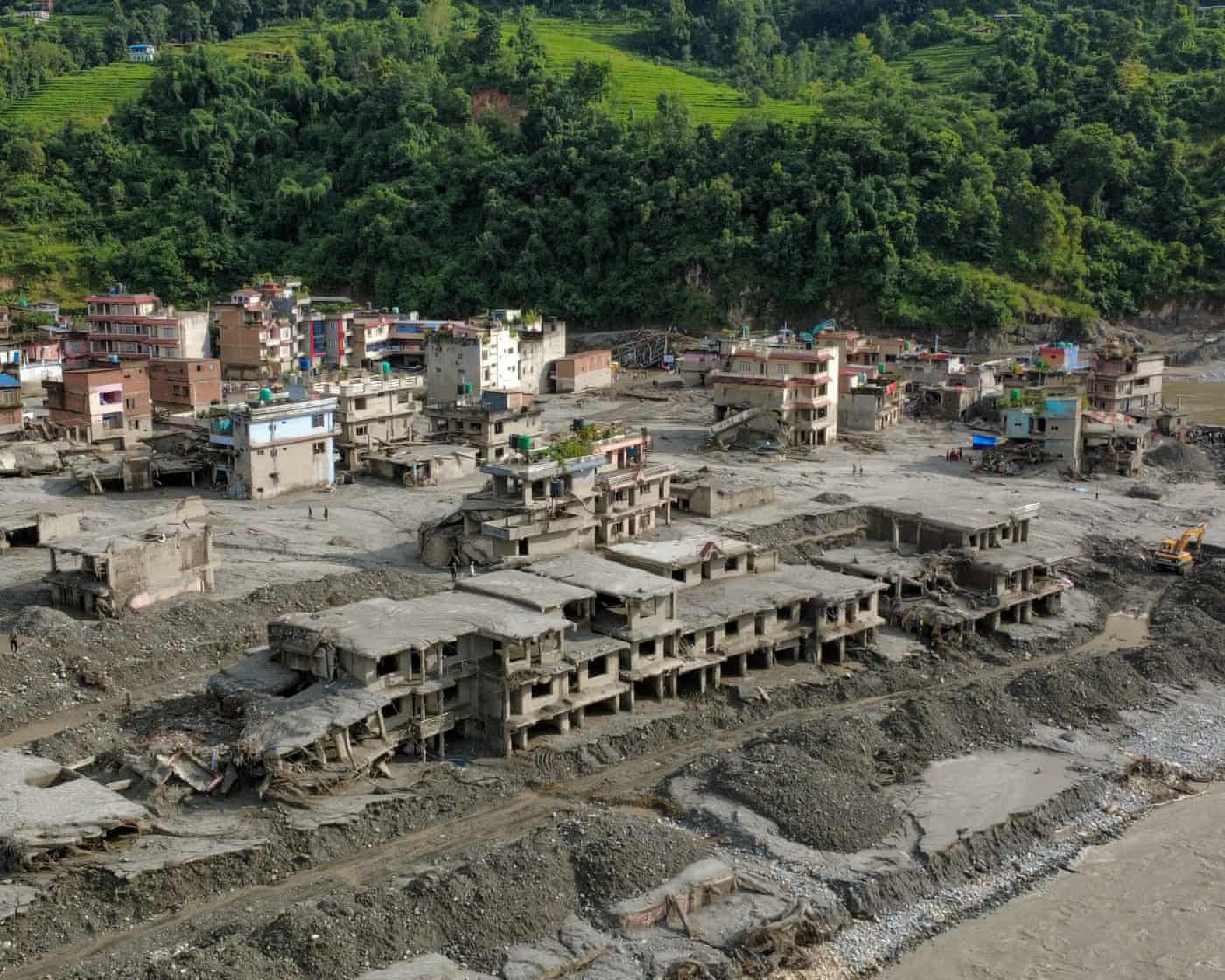
July and August 2026 were the warmest months on record in the region, reaching 5 degrees Celsius above the 30-year average in the days before the collapse. The region has warmed about 2 degrees Celsius since pre-industrial times.
Permafrost thaw rising 100 metres yearly
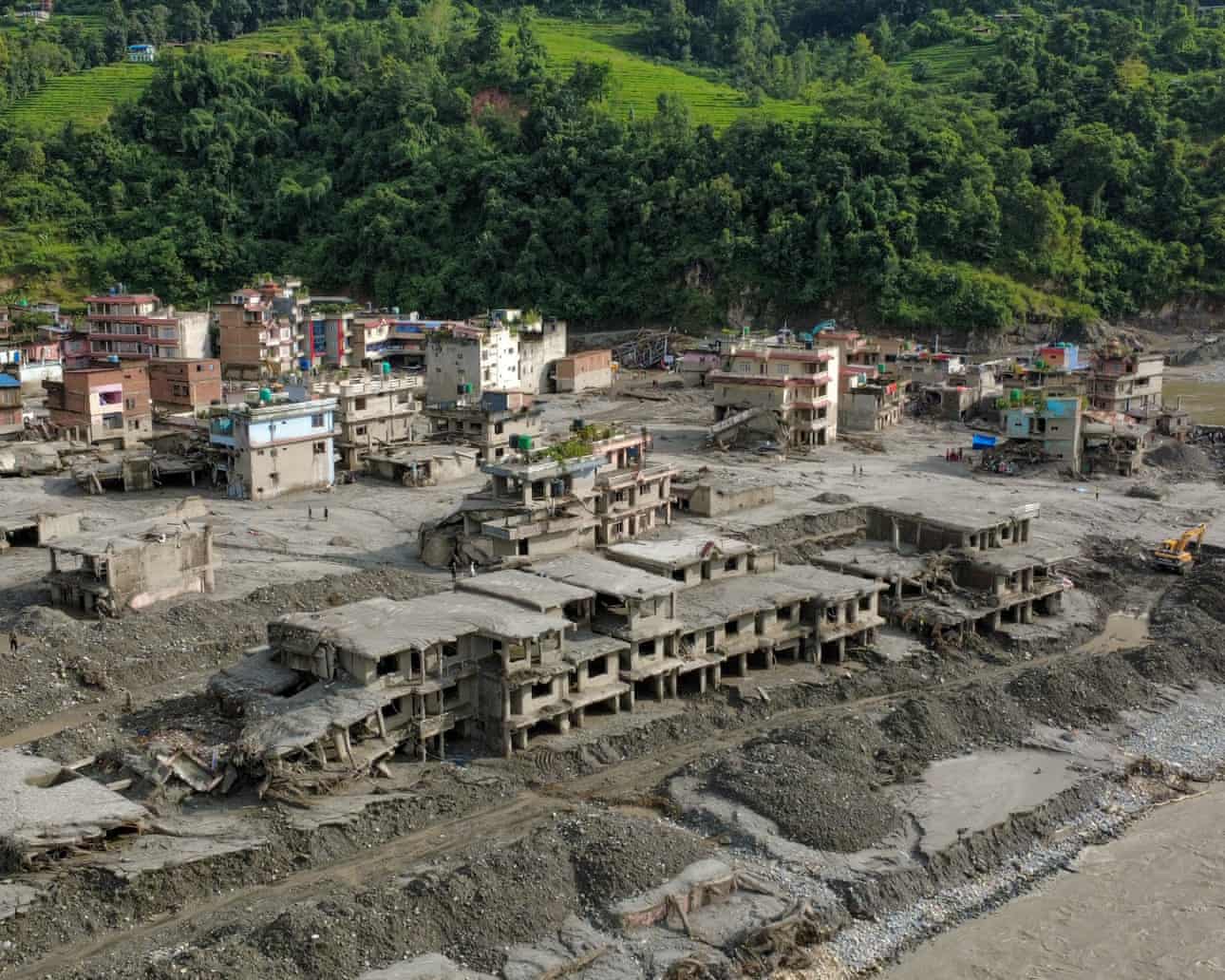
The freezing threshold in the Himalayas has risen about 100 metres per decade since the 1980s. Higher and longer thaw temperatures are weakening mountain slopes that depend on permafrost to stay stable.
Glacier recession removed stabilizing ice
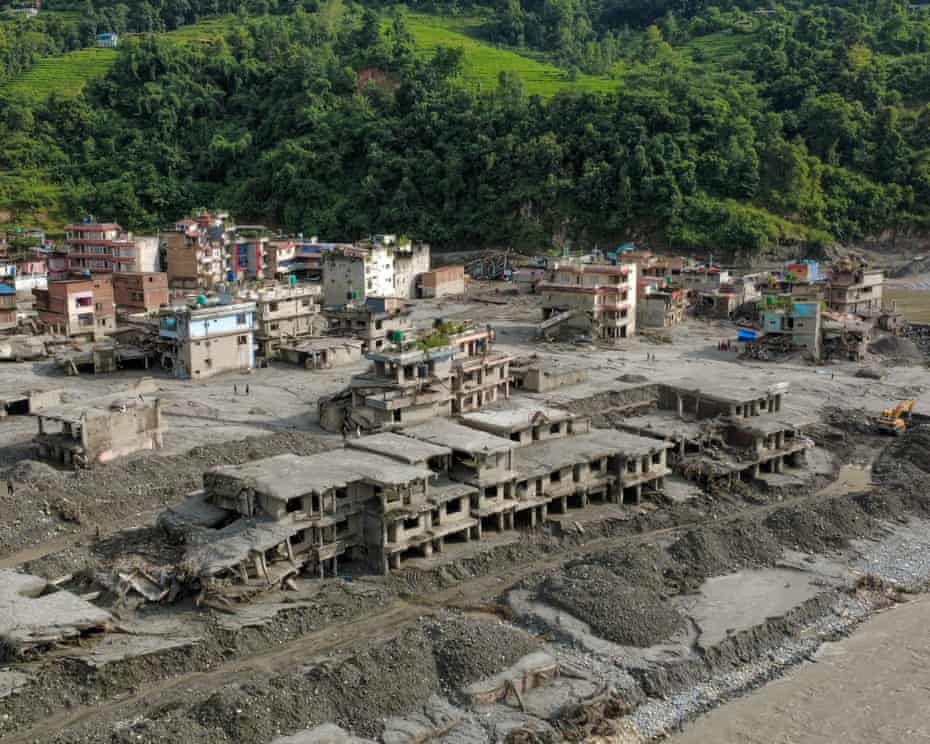
Warming temperatures have already caused substantial glacier recession in the region. The loss of ice that once stabilized the slope around the collapse site contributed to the disaster.
A compound crisis, not one cause

The disaster resulted from multiple factors made worse by decades of atmospheric heating. A 2015 earthquake also contributed to slope failure, but climate change was the destabilizing force that made collapse possible.
“We found that climate change is transforming the high mountain environment, influencing many of the possible drivers of this collapse.”
Nepal demands action from top emitters

Nepal has filed a formal request with the UN loss and damage fund for financial support. The country's foreign minister demanded that major emitting nations like China and India accept shared responsibility for the disaster.
Limits to adaptation already reached

Experts warn that vulnerable communities cannot fully protect themselves from disasters of this scale through local adaptation alone. Only aggressive cuts to global emissions can prevent more catastrophes like this.
“Without much faster action to transition to zero fossil fuel emissions we will inevitably see more disasters of this scale occurring in the years to come.”
What matters most
Climate change doesn't cause disasters alone, but it weakens natural defenses until catastrophe becomes inevitable.