From the Guardian · · 3m
Ebola in Kenya exposes US health retreat
Eight cases of Ebola in Kenya reveal how US funding cuts, WHO withdrawal and a controversial quarantine center have weakened disease response.
In brief
Eight cases of Ebola in Kenya reveal how US funding cuts, WHO withdrawal and a controversial quarantine center have weakened disease response. Eight Ebola cases in Kenya highlight how US health funding cuts, withdrawal from the WHO and a controversial quarantine center have reduced America's ability to detect and…
Eight Ebola cases in Kenya
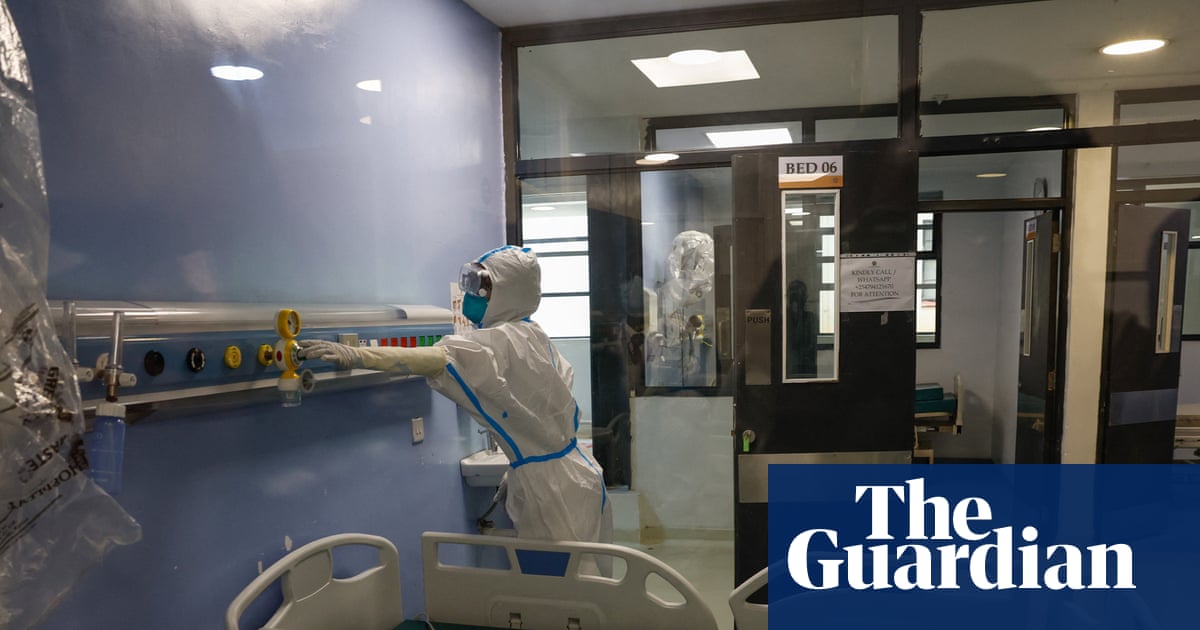
An eighth person in Kenya has tested positive for the Bundibugyo strain of Ebola in the country's first-ever cluster.
How the case reached Kenya
A Kenyan man fell ill in the Democratic Republic of the Congo before traveling by road to Uganda and then flying to Nairobi on October third.He died in a hospital two days later.
US built controversial quarantine center
The US created a quarantine center at Kenya's Laikipia airbase where Americans returning from the Democratic Republic of the Congo would be required to quarantine.
Kenyans lack information about center
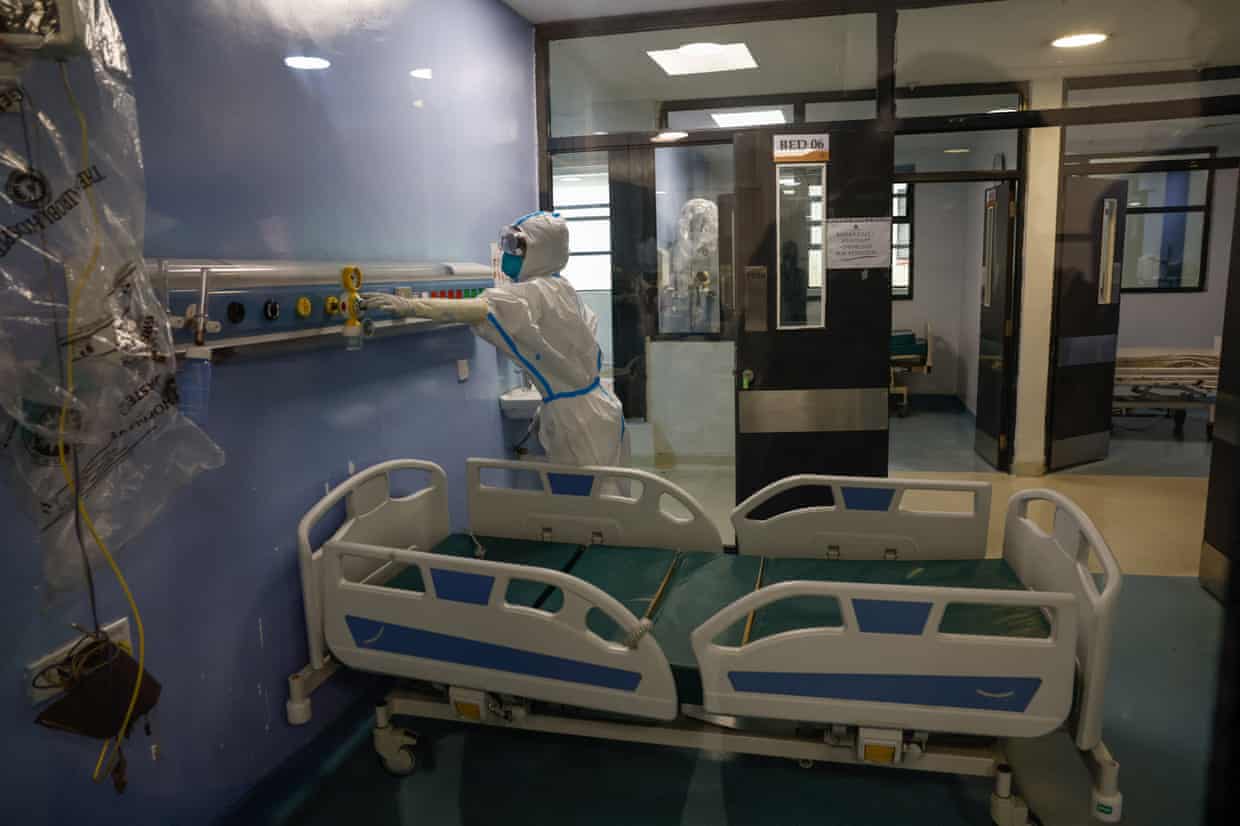
Allan Maleche, executive director of the Kenya Legal and Ethical Issues Network on HIV and Aids, said many Kenyans were concerned about lack of information about why the quarantine place was being set up and…
“Many Kenyans were concerned about the fact that there was no information and people did not know why the quarantine place was being set up, who was actually going to use it, and what had informed that.”
Distrust undermines outbreak response
Kenyans are now very cautious around any information being given by the government around Ebola, Maleche said. This distrust comes as the country faces its first Ebola cases and needs public cooperation to contain spread.
Questions about quarantine legality
Jennifer Nuzzo, director of the pandemic center at Brown University school of public health, questioned whether the US has legal authority to quarantine Americans on foreign soil.
“American taxpayers built these units for precisely this purpose, and it's mind-boggling to me that we're going to leave them empty.”
Sweeping cuts to US health support
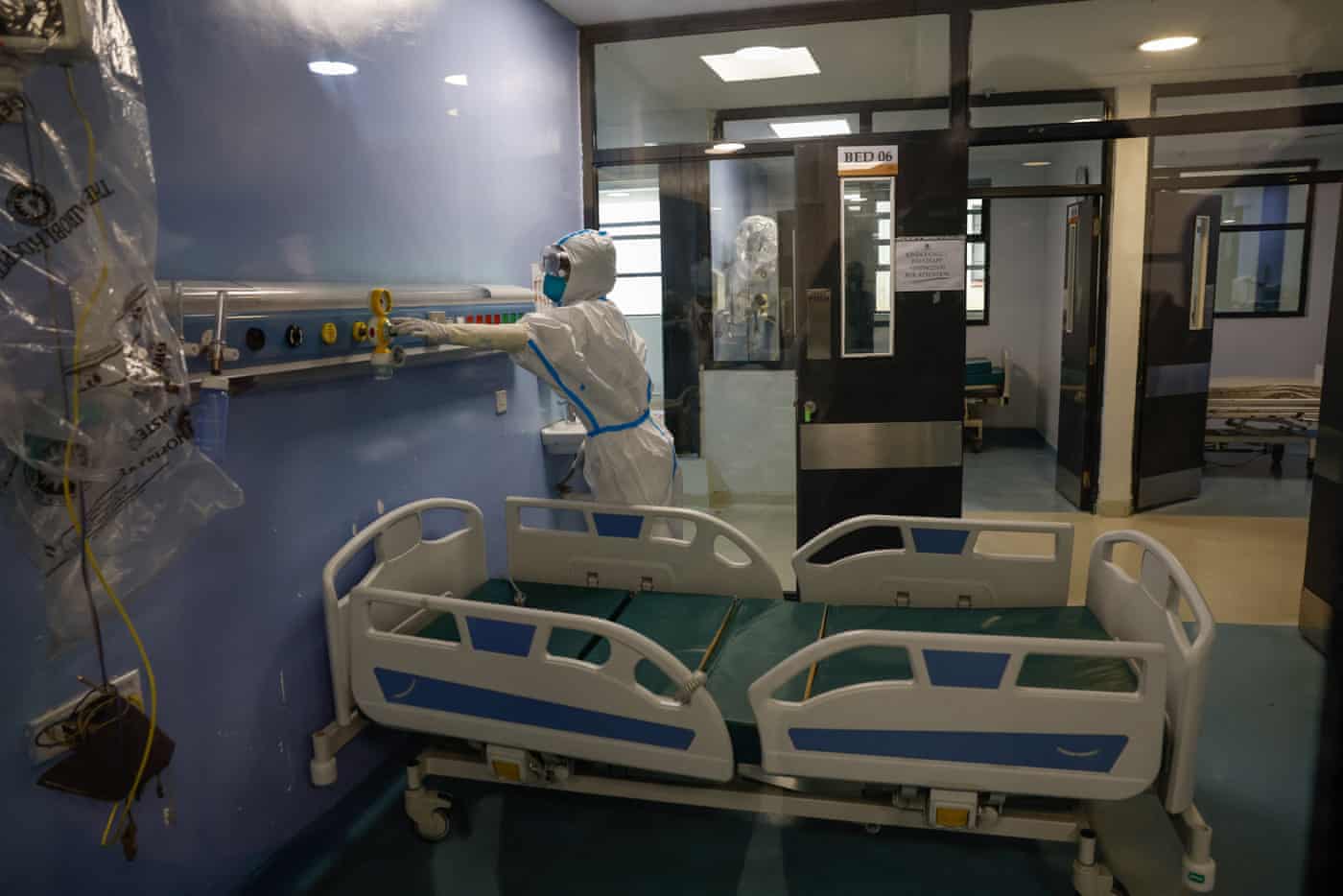
The unease follows sweeping cuts to US health support across the world, with the demolition of the US Agency for International Development and cuts to funding and staff at health agencies like the US Centers…
US left WHO in January
The US officially left the World Health Organization in January, making it much harder to collaborate on the response to crises like Ebola.
Cuts erode disease monitoring
Cuts to decades-long programs mean affected countries and the US have less insight into what is happening and a lessened ability to prevent and stop outbreaks.
“When you pull back on those, not only do you leave those countries less prepared to deal with that day-to-day threat, but it also means that they're less prepared to deal with future emergencies.”
Senators warn of outbreak risk
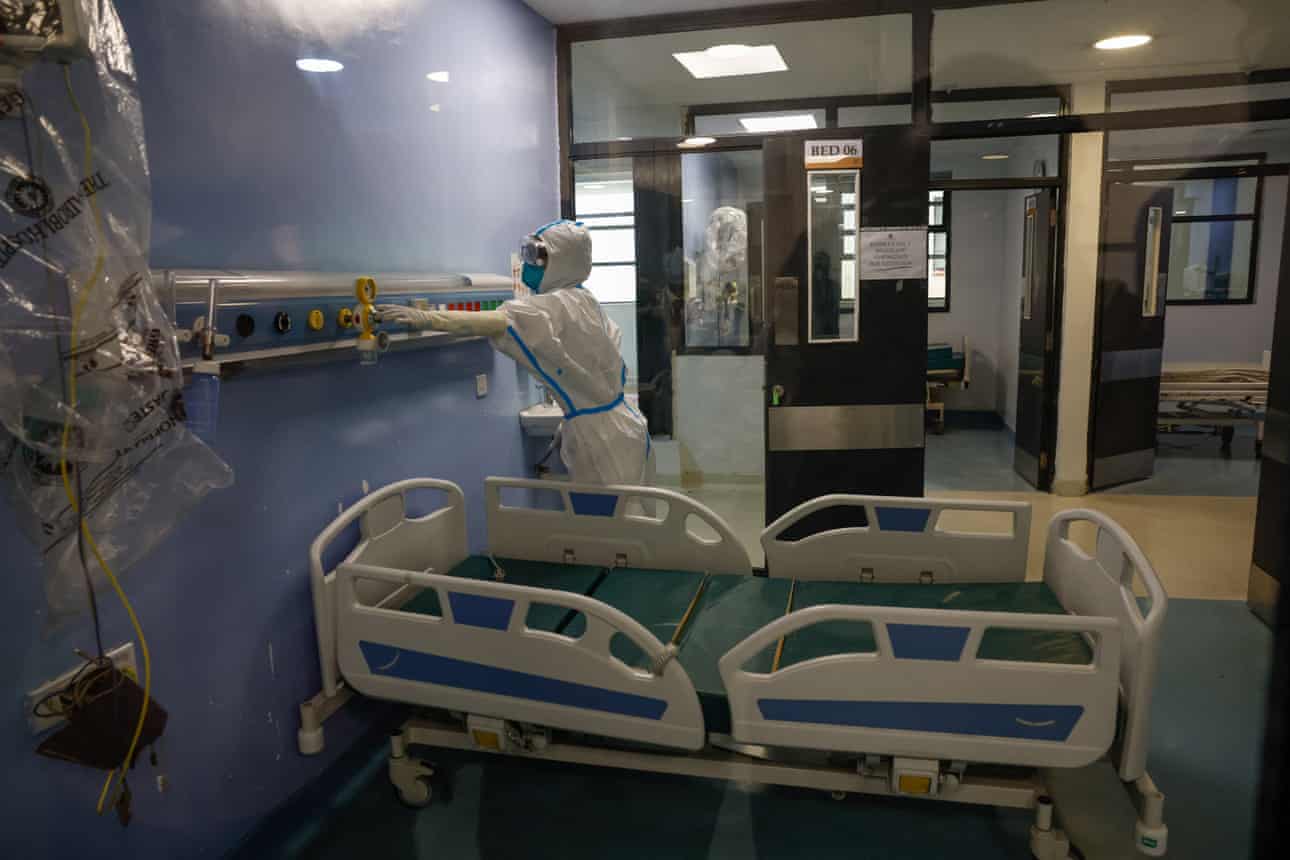
Raphael Warnock, a Democratic senator from Georgia, and Bill Cassidy, a Republican senator from Louisiana, penned a letter in June opposing the Trump administration's plans to cut back on HIV prevention.
“These cuts to global health funding have led to the erosion of international disease-monitoring infrastructure that helps us catch threats like Ebola before they reach our shores, at a time when the world needs American leadership most.”
Kenya's contact tracing working
Kenya's ministry of health pointed to the success of contact tracing and quarantine.About one hundred eight people have been quarantined in Nairobi.
In short
Eight Ebola cases in Kenya highlight how US health funding cuts, withdrawal from the WHO and a controversial quarantine center have reduced America's ability to detect and respond to outbreaks.


