From the Guardian · · 2m
Europe's supermarket fridges under cyber-attack
Hackers have remotely sabotaged refrigeration systems across seven European countries, destroying food and raising fears of a new form of state-sponsored disruption.
In brief
Hackers have remotely sabotaged refrigeration systems across seven European countries, destroying food and raising fears of a new form of state-sponsored disruption. Hackers remotely overheated supermarket fridges across seven European countries, destroying food supplies. The EU called it a deliberate attempt to…
Fridges across Europe overheated remotely
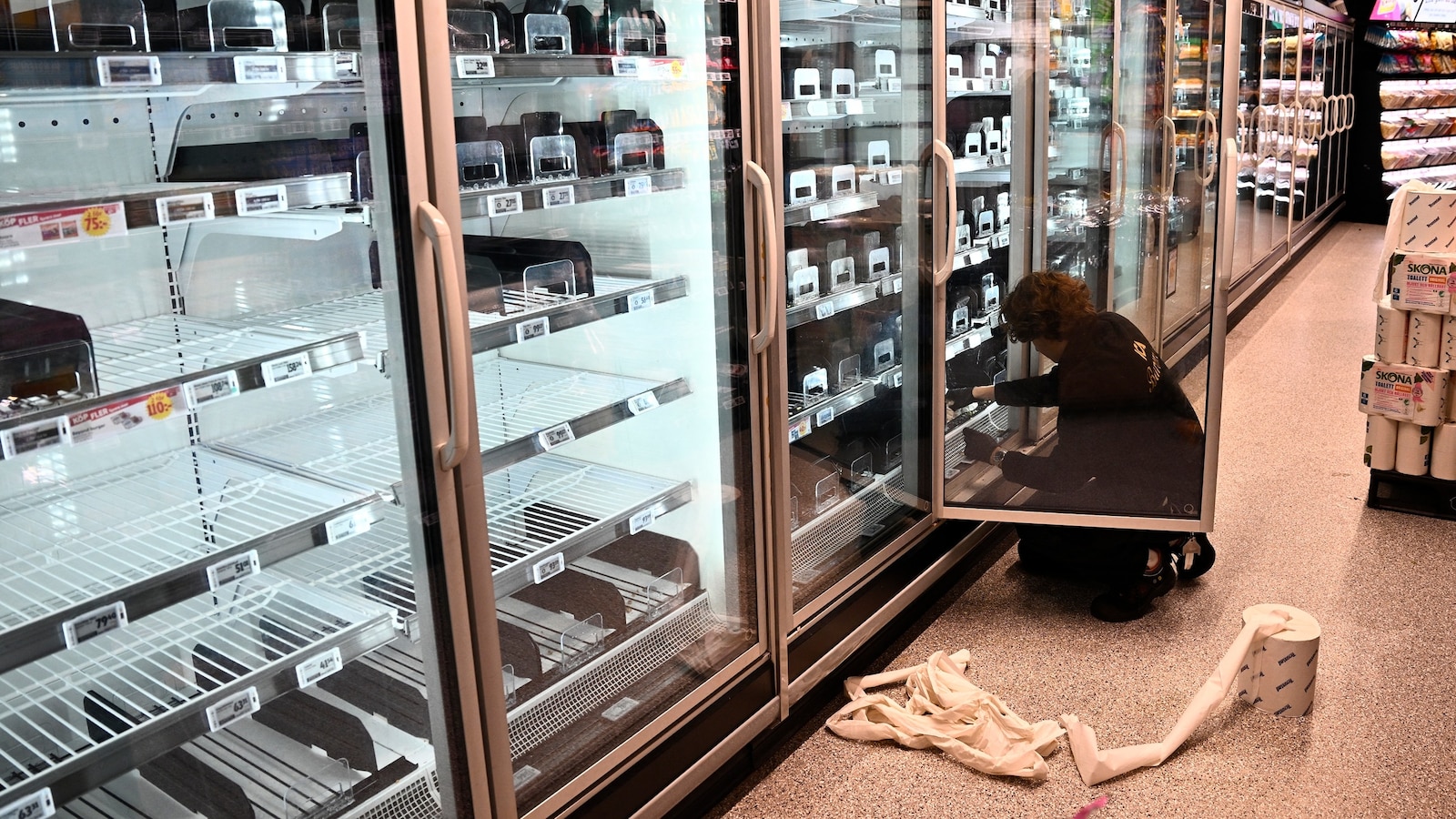
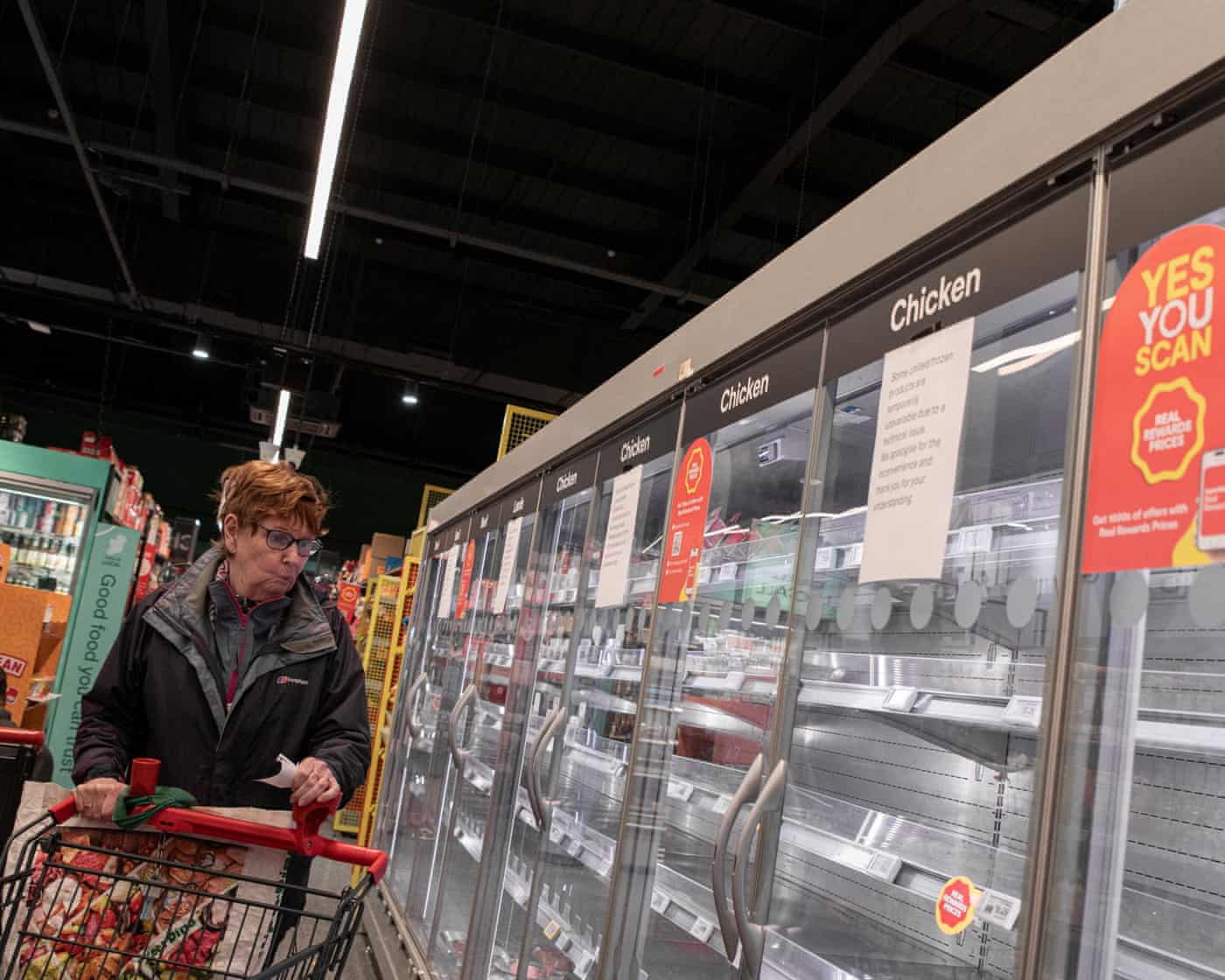
Supermarket fridges and freezers in seven European countries malfunctioned when hackers remotely cranked up thermostats to fifty degrees Celsius, destroying food supplies.
Which supermarkets were hit
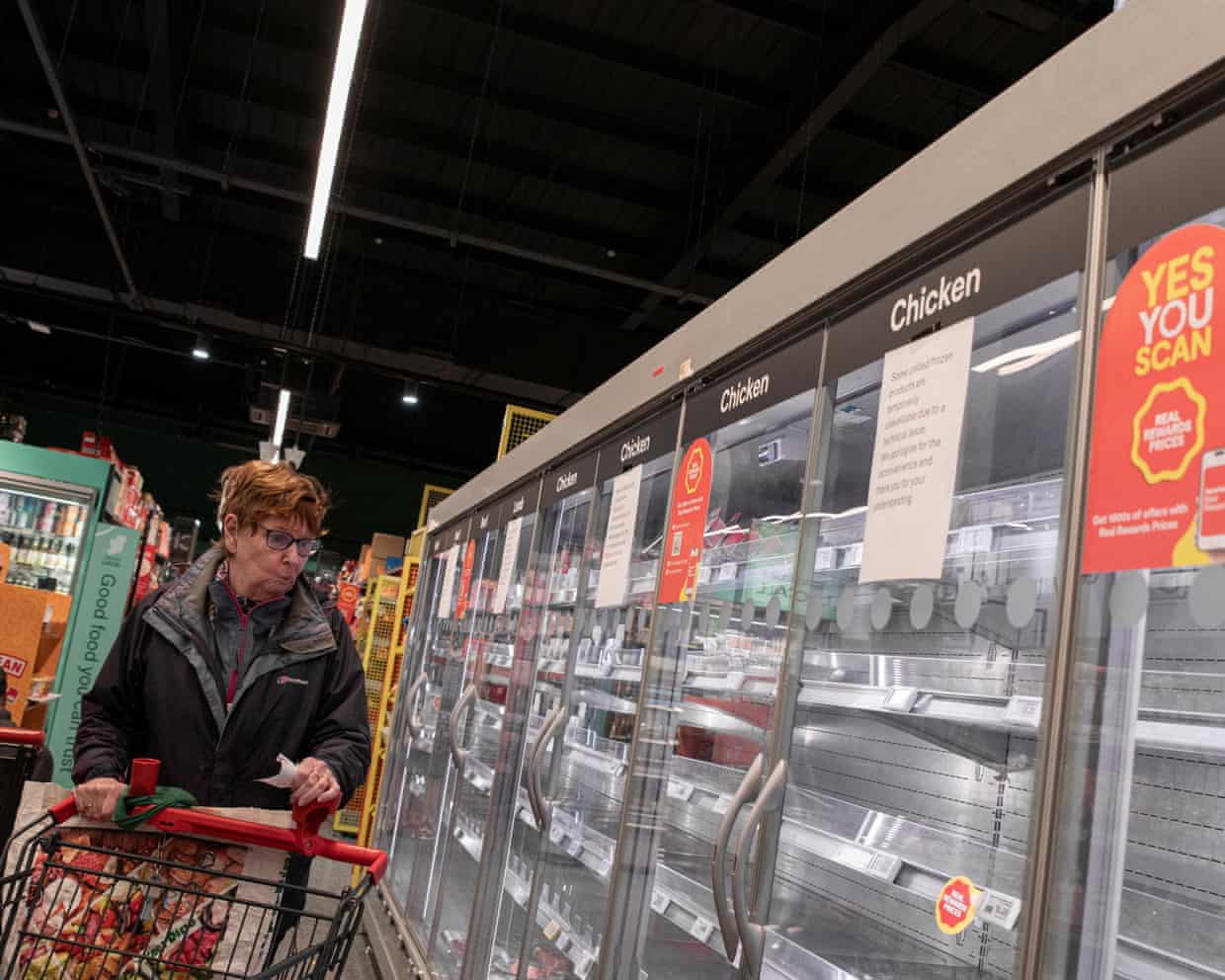
The attack affected Carrefour, Intermarché and Ikea in Belgium; Coop and ICA in Sweden; Delhaize in Luxembourg; Kesko in Finland; SuperValu in Ireland; and shops in Estonia.
Second attack in three weeks
This follows a similar attack three weeks ago when French retailers had to discard huge amounts of food after hackers seized control of their internet-exposed appliance management software.
EU condemns deliberate disruption
The EU said the attacks were a deliberate attempt to disrupt the food supply chain and undermine consumers' confidence in it.
“a deliberate attempt to disrupt our food supply chain and undermine consumers' confidence in it”
State actor most likely culprit
No hacktivist group claimed responsibility and no ransomware gang demanded payment. Rafe Pilling at Sophos said state-based signalling seems most plausible, with Russia and China in the frame.
“some kind of state-based signalling and demonstration of capability”
Why the hack is hard to trace
No malware was needed, leaving no trace at the crime scene. Rafe Pilling compared it to wearing rubber gloves and messing with the switches.
“wearing rubber gloves and messing with the switches”
Fridges left unpatched for months
Commercial fridge software connected to the internet can go unpatched for long periods. Companies may delay updates because patches take time to run, leaving machinery offline.
Patching fridges prevents worse damage
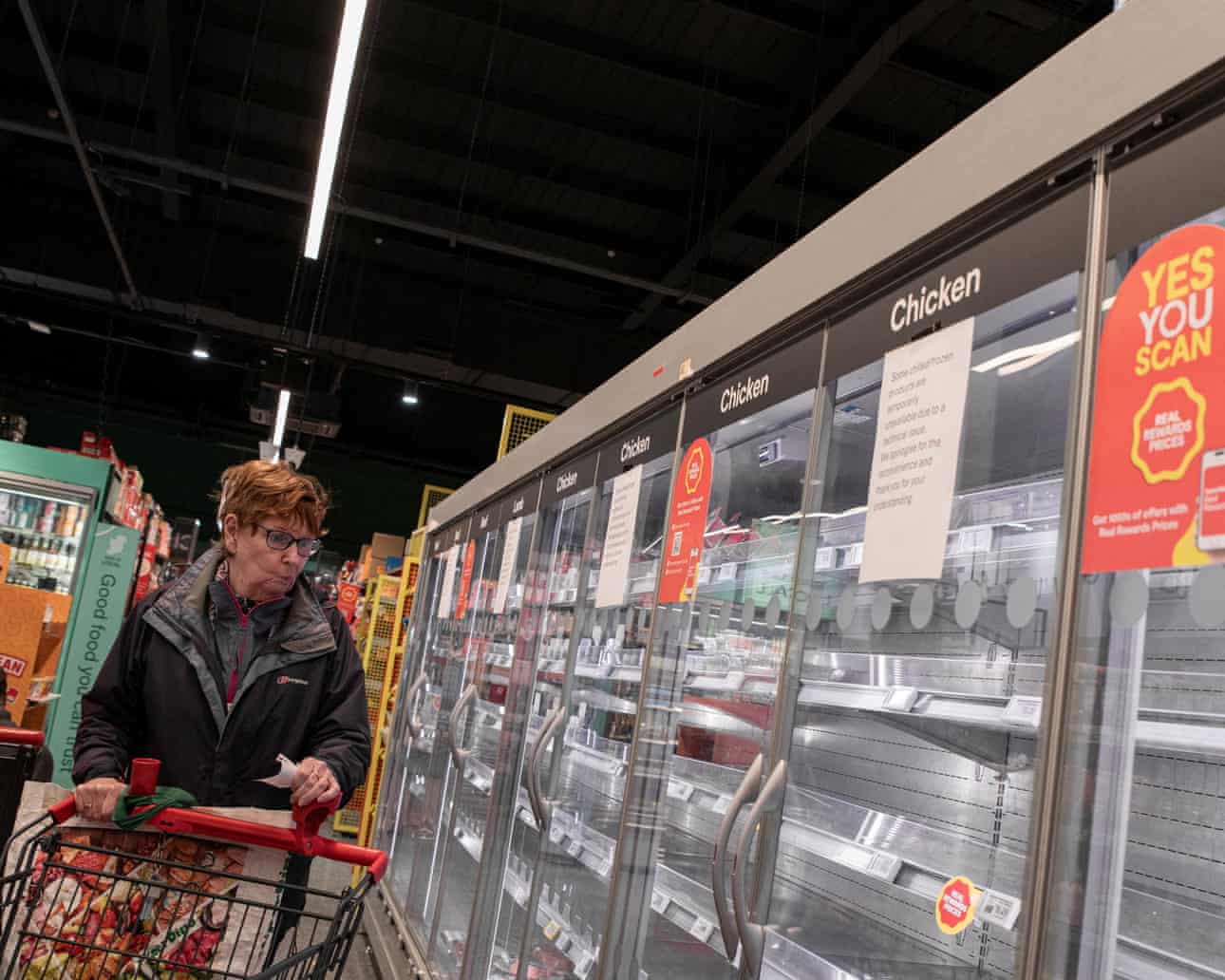
Belgian refrigerator group Sabcobel said Monday's hack could have been far worse if they had not started patching fridges after the twelve October attack in France.
UK supermarkets less exposed for now
Internet-exposed refrigeration systems are most popular in France, Italy, Greece and Belgium. The UK is not in the top ten for exposed systems, though risk remains.
The takeaway
Hackers remotely overheated supermarket fridges across seven European countries, destroying food supplies. The EU called it a deliberate attempt to disrupt the food chain.