From the Guardian · · 2m
Harvard returns skulls of enslaved Brazilians after 190 years
Two remains used in racist eugenics studies at Harvard are repatriated to Brazil after a four-year campaign, with one believed to belong to a man who led a major slave revolt.
In brief
Two remains used in racist eugenics studies at Harvard are repatriated to Brazil after a four-year campaign, with one believed to belong to a man who led a major slave revolt. Harvard returned two skulls of enslaved people to Brazil on Wednesday after a four-year repatriation campaign, ending their use in racist…
Two skulls returned to Brazil
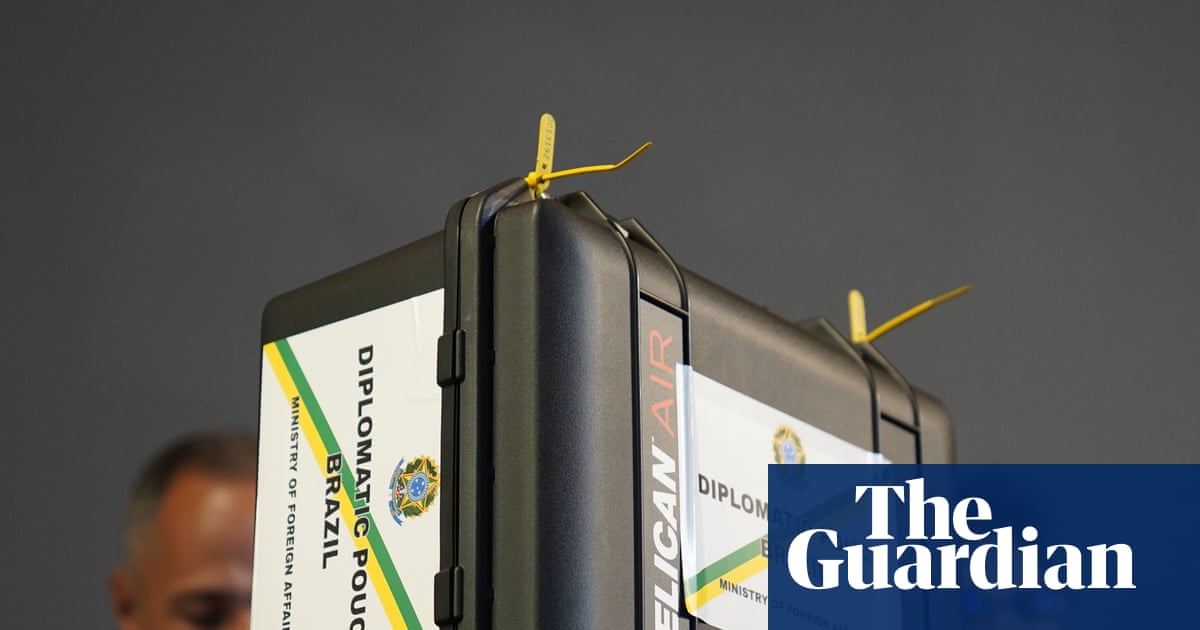
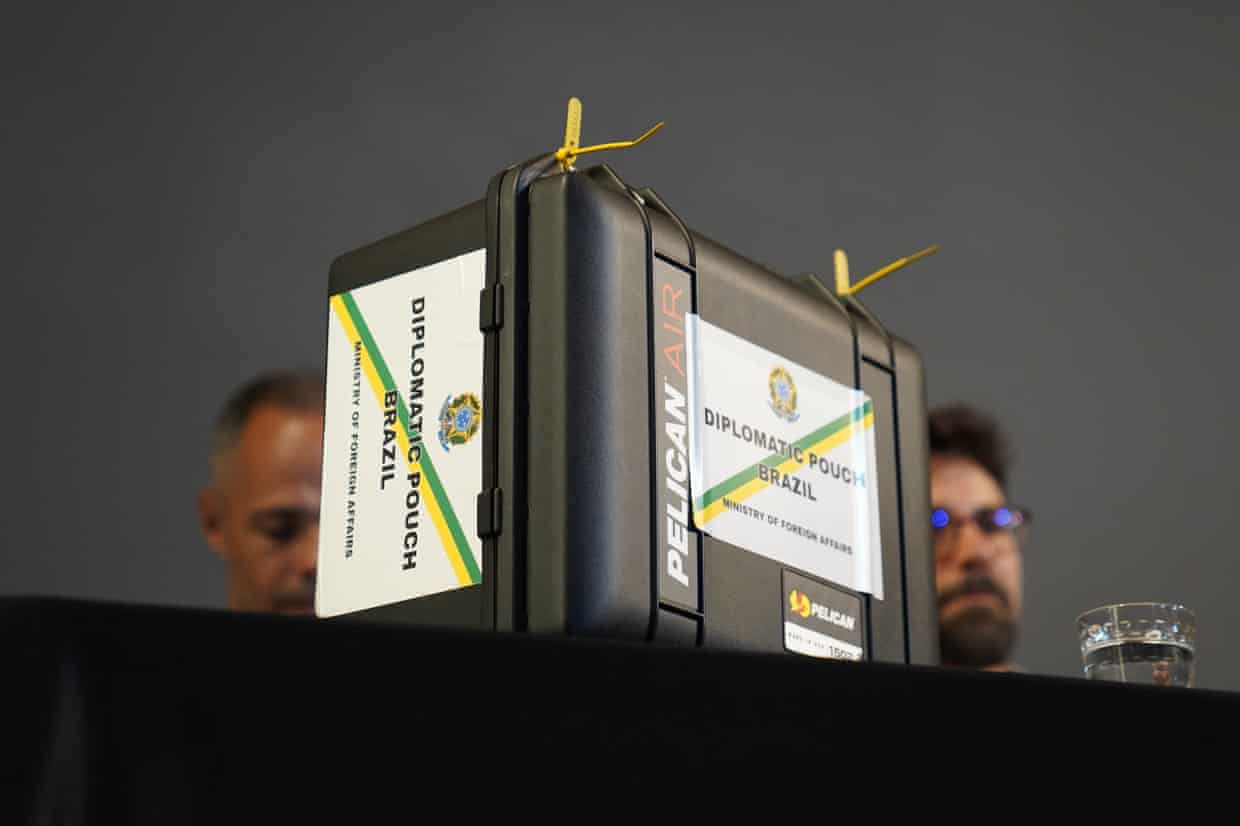
Harvard University returned two skulls believed to belong to enslaved Africans or Afro-Brazilians on Wednesday in ceremonies in Salvador and Rio de Janeiro after a four-year repatriation campaign.
Taken centuries ago for racist research
One skull was taken about one hundred ninety years ago from Salvador; the other about one hundred sixty years ago from Rio de Janeiro.
One man led a major slave revolt
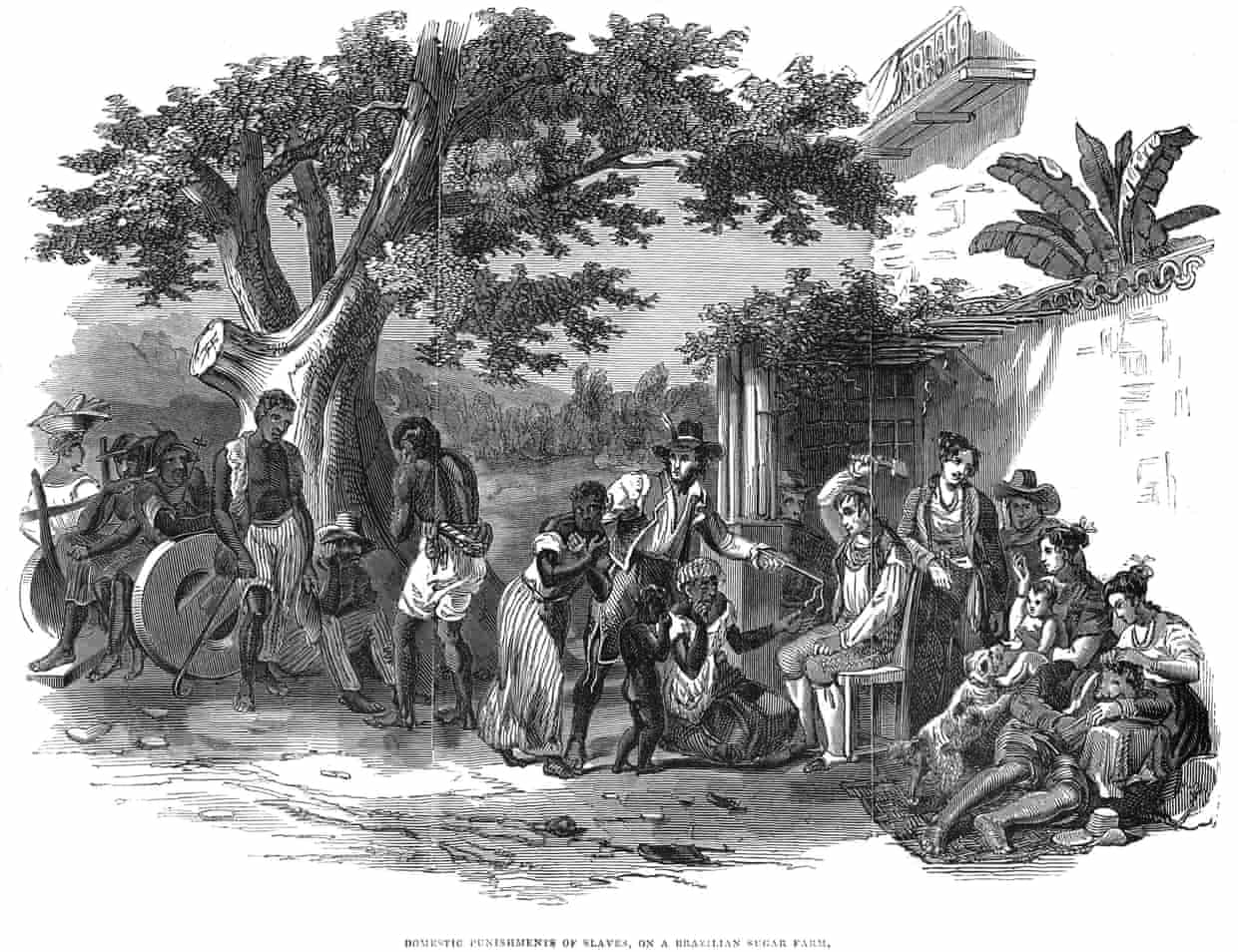
The skull from Salvador is believed to have belonged to a man who took part in the most significant urban slave revolt in Brazilian history in eighteen thirty-five, when about six hundred African Muslims attempted…
The revolt was defeated with heavy losses
Police defeated the rebels in eighteen thirty-five, killing seventy of them. The man died at a hospital, and US diplomat Gideon T Snow is believed to have sent his skull to Boston.
Little known about the second skull
The other skull was exhumed from Rio de Janeiro in the eighteen sixties. Harvard researchers told Brazilian officials that features including its size suggest it may have belonged to a woman, possibly from a cemetery…
Stolen by a Harvard professor's student
Walter Hunnewell, a student from a wealthy Boston family, is believed to have taken the Rio skull to the US.
Remains will be buried with funeral rites

The skulls will not be displayed in museums or have their images released. The Brazilian government has pledged they will be buried with funeral rites once identification is complete through forensic analysis.
Restoring dignity to the ancestors
Carolina Dias dos Reis, a government official, said: "It's very important to restore the dignity of these people, which was taken from them in life and in death."
“It's very important to restore the dignity of these people, which was taken from them in life and in death.”
Acknowledging past mistakes for the future
Irina Feisthauer Silveira, a diplomat who carried one skull, said: "This history of slavery cannot be undone.
“acknowledging the mistakes of the past with transparency is a first step towards building a more equal, just and less violent future.”
The short version
Harvard returned two skulls of enslaved people to Brazil on Wednesday after a four-year repatriation campaign, ending their use in racist eugenics research and restoring dignity to the deceased.
Read the TL;DR — this story on one card.