From the Guardian · · 3m
How Australian festivals are cutting their carbon footprint
More than 530 music festivals a year draw hundreds of thousands of people. Organisers and fans are working together to reduce waste, transport emissions and energy use.
In brief
More than 530 music festivals a year draw hundreds of thousands of people. Organisers and fans are working together to reduce waste, transport emissions and energy use. Australian music festivals are adopting shared transport, equipment hire and renewable energy to cut their environmental impact, but extreme weather…
More than 530 festivals a year

Australia holds more than five hundred thirty live music festivals annually, ranging from large commercial ventures to smaller not-for-profit events. Organisers provide systems, but reducing footprint relies on fans doing their part.
Strawberry Fields buses 16,500 people
Strawberry Fields, a multi-day festival on the Murray River near Tocumwal in New South Wales, offers more than one hundred eighteen charter buses across New South Wales and Victoria instead of private vehicles for its…
Transport cuts emissions and eases pressure
Festival manager Vicky Keeler says the bus initiative cuts transport emissions, is safer and eases pressure on the local community.Festivalgoers can pick up camping rentals or pre-pitched tents, bringing less to pack up when leaving.
Renewable power and composting toilets

Strawberry Fields uses renewable-powered stage, sound and lighting. The festival also runs a rewash system for reusable plates and cups, composting toilets and rewards for eco-friendly behaviour.
Campsite waste is the biggest problem
Green Music Australia research finds that at regional festivals with camping, about fifty percent to eighty percent of festival waste comes directly from campsites. Cheap gear bought last-minute is treated as disposable and left behind.
“As soon as people go to Kmart last minute and buy cheap [camping gear], that tends to be treated like it's disposable and is more prone to breaking.”
Hiring gear avoids campsite Armageddon
Berish Bilander, chief executive of Green Music Australia, says borrowing or hiring equipment, or investing in quality gear, are the best ways to avoid campsite Armageddon.Platforms like Camping Buddy help people plan and pack lighter.
WOMADelaide diverts 99.5% of waste
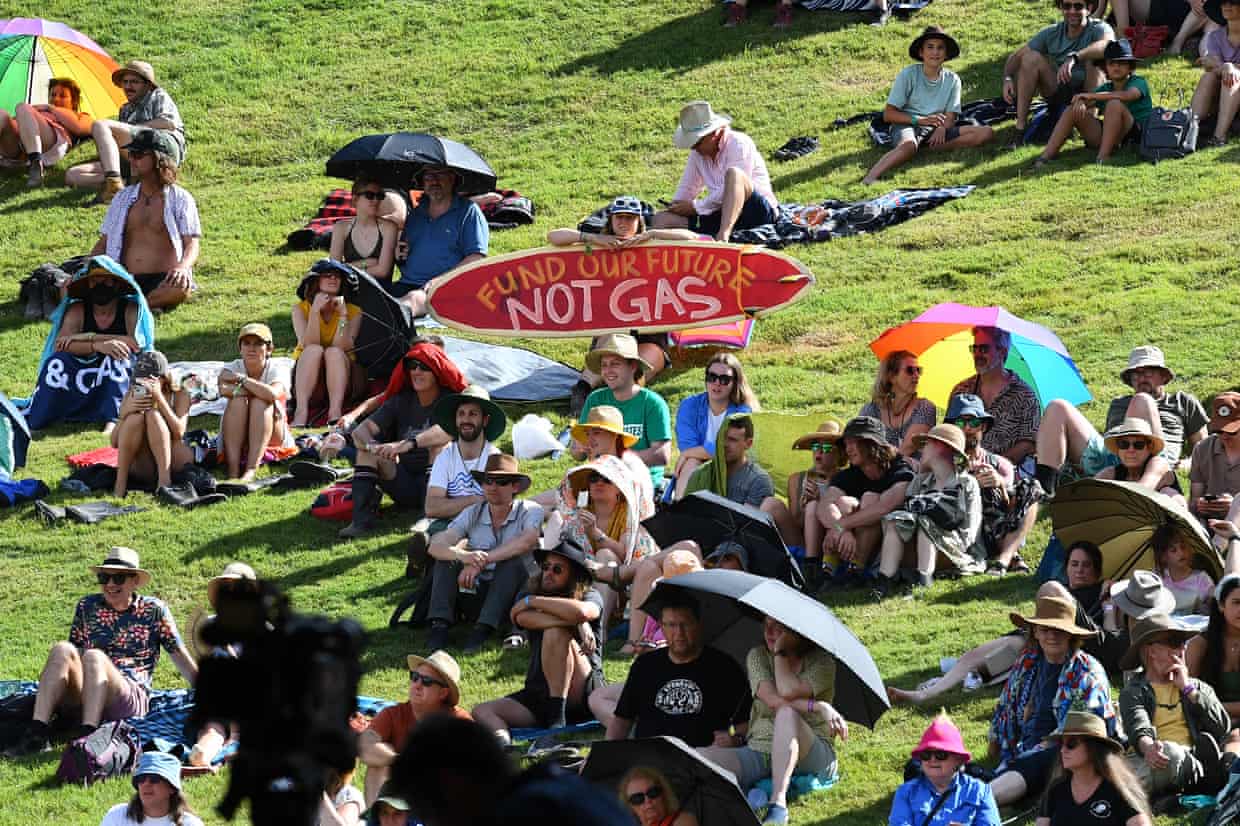
WOMADelaide in Adelaide's Botanic Park diverts ninety-nine point five percent of event waste from landfill by mandating compostable and reusable food packaging, cups and utensils, with dedicated volunteers ensuring people use the right bins.
Woodford plants trees in off-season
The Woodford folk festival runs a sister event called The Planting, a working bee centred on revegetating and restoring the land.Festival lovers plant trees on site, and over time the greenery and shading increased enormously.
Fifty events cancelled since 2015
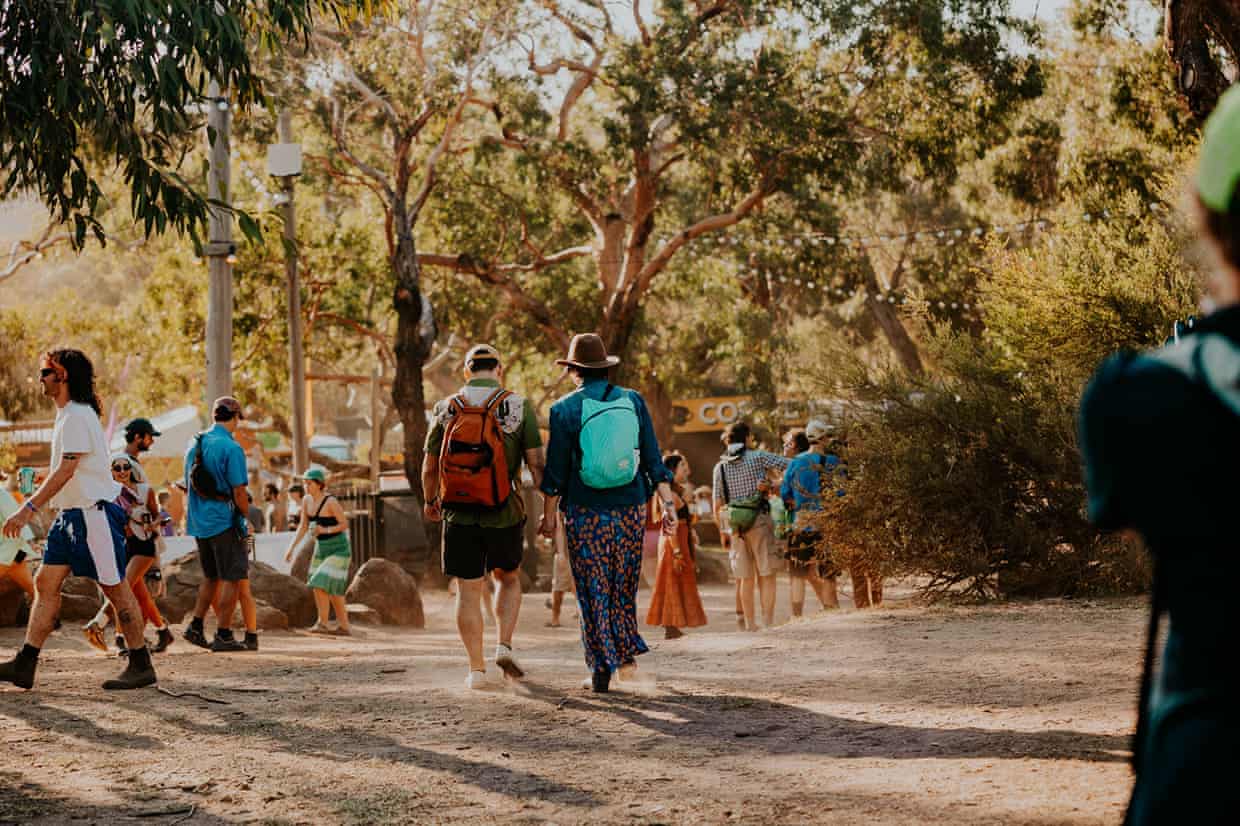
Since two thousand fifteen, more than fifty events across Australia have been cancelled due to dangerous conditions such as heatwaves, bushfire, heavy rain, extreme winds and flooding. Insurance costs have also risen.
Climate action matters more than cutlery
Catherine Strong, associate professor in the music industry program at RMIT University, says extreme weather fuelled by global heating makes adaptation harder than sustainability measures.Fans must advocate to government and decision makers on climate action.
“You can have all of the reusable water bottles and cutlery in the world, but if you get hit by one of those extreme events, you're still going to cop the outcome of that.”
The essence
Australian music festivals are adopting shared transport, equipment hire and renewable energy to cut their environmental impact, but extreme weather driven by climate change increasingly threatens events themselves.