From the Guardian · · 1m 50s
How slave trade money built Britain's banking system
New research reveals the Bank of England and financial institutions were deeply embedded in the trafficking of enslaved Africans.
In brief
New research reveals the Bank of England and financial institutions were deeply embedded in the trafficking of enslaved Africans. Britain's financial system was built on slave trade wealth, with dozens of Bank of England directors directly investing in the trafficking of enslaved people. Originally reported by the…
Banking built on enslavement
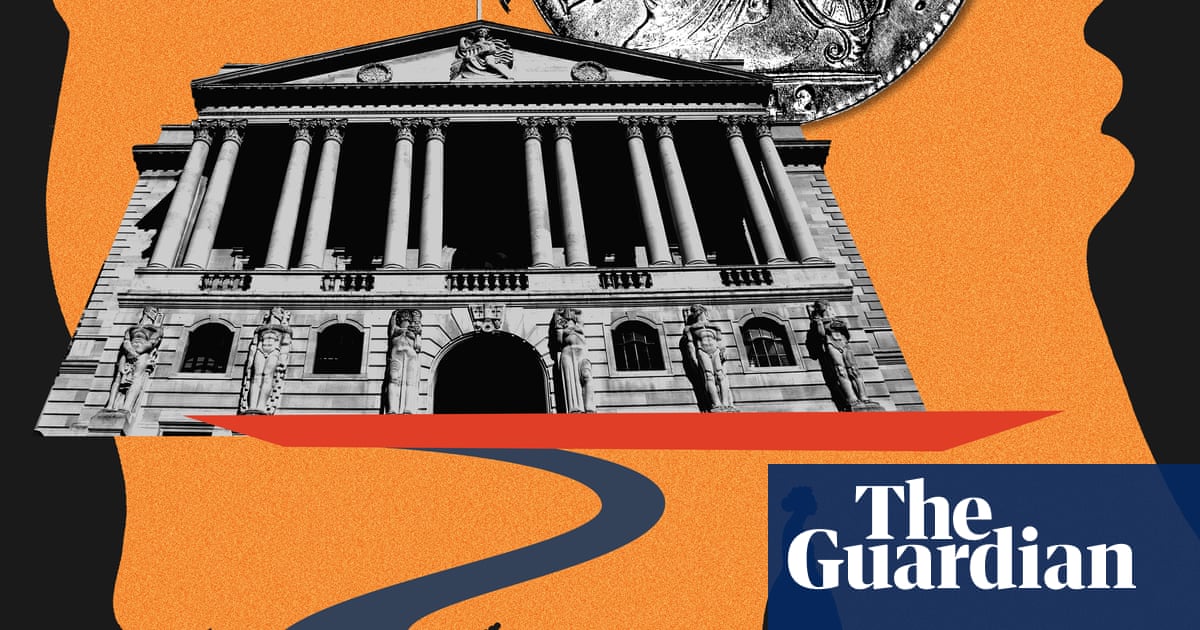
The Bank of England and British financial system were deeply involved in enslaving and trafficking millions of Africans for centuries.
24 directors invested in trafficking
Research found 24 Bank of England directors were investors in trafficking enslaved Africans. Four were founding directors in 1694.
Christopher Puller shipped weapons
The last director involved, Christopher Puller, shipped weapons for the slave trade and co-owned a 1786 voyage from Gambia to Jamaica.
Slave wealth funded the Bank
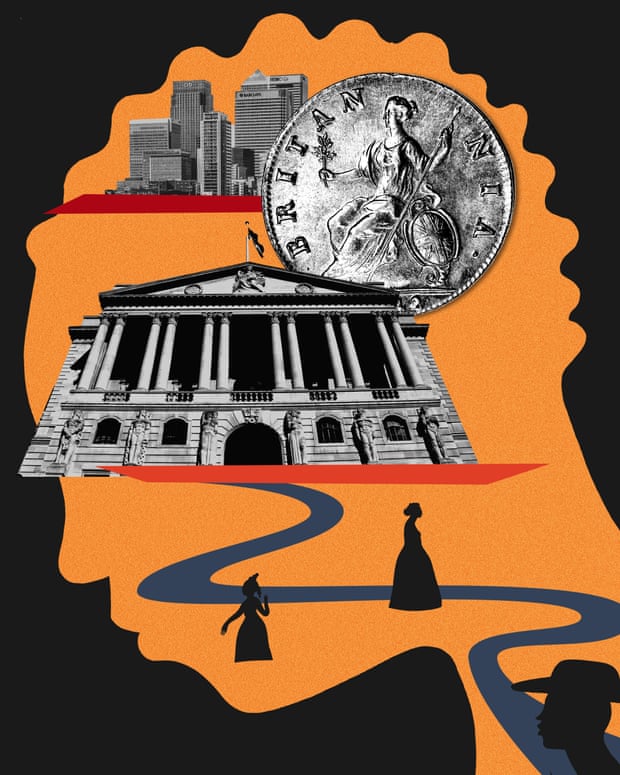
At least 30 founding subscribers invested in trafficking enslaved Africans, including King William III and Queen Mary II.
“Wealth generated from the slave trade formed part of the Bank of England's initial capital.”
Financial services enabled slavery
Banks and insurers provided financial services that supported and profited from the transatlantic slave economy throughout the 17th and 18th centuries.
“Slave traders and their wealth were firmly embedded within Britain's, especially London's, private banks and financial corporations.”
John Rudge's triple role
Bank director and governor John Rudge was simultaneously a shareholder in the Royal African Company and deputy governor of the South Sea Company.
£23bn paid to enslavers
The Bank and Treasury paid £20m (£23bn today) in compensation to enslavers after abolition in 1833. Nothing went to enslaved people.
Humphry Morice trafficked 30,000 people
Bank governor Humphry Morice was London's biggest trafficker, transporting over 30,000 enslaved people to Jamaica, Barbados and Virginia between 1704 and 1732.
“This was his principal commercial activity, and it is for this that he must chiefly be remembered.”
Bank apologized, Treasury hasn't
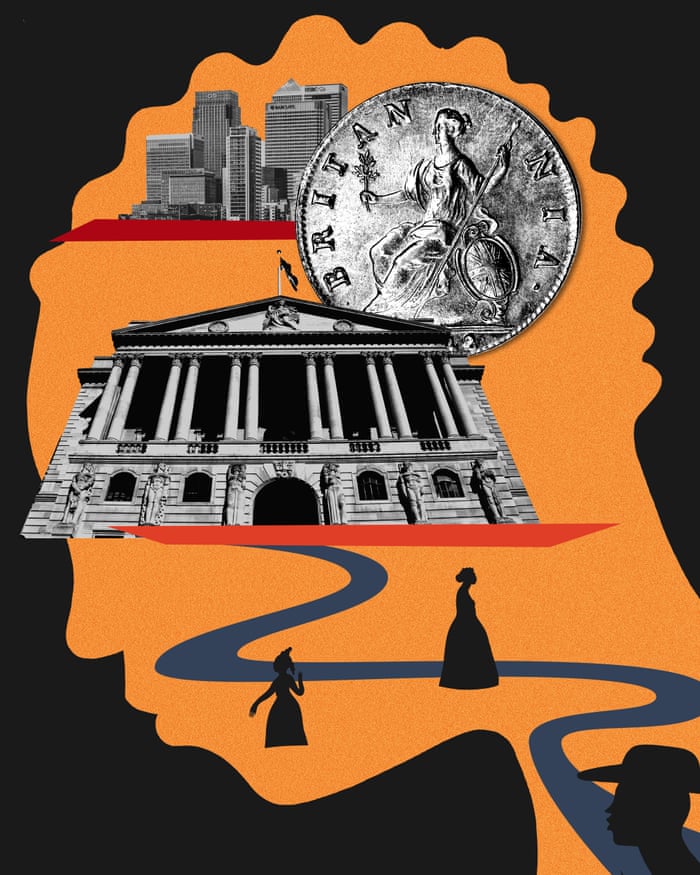
The Bank of England acknowledged its history and apologized in 2022. The Treasury has not, resisting discussion of reparations.
Pressure builds for reparations
Caribbean and African countries are increasing pressure on the British government to acknowledge culpability for centuries of trafficking and enslavement.
The big picture
Britain's financial system was built on slave trade wealth, with dozens of Bank of England directors directly investing in the trafficking of enslaved people.


/file/attachments/2998/14334037_611451.jpg)