From the Guardian · · 5m
Hundreds buried in unmarked graves without families knowing
A Guardian investigation reveals NSW authorities are placing poor Australians, including war veterans, in communal unmarked graves without notifying family or friends who could pay for proper burials.
In brief
A Guardian investigation reveals NSW authorities are placing poor Australians, including war veterans, in communal unmarked graves without notifying family or friends who could pay for proper burials. NSW is burying hundreds of poor Australians in unmarked communal graves without notifying families who could afford…
Peter buried without notice
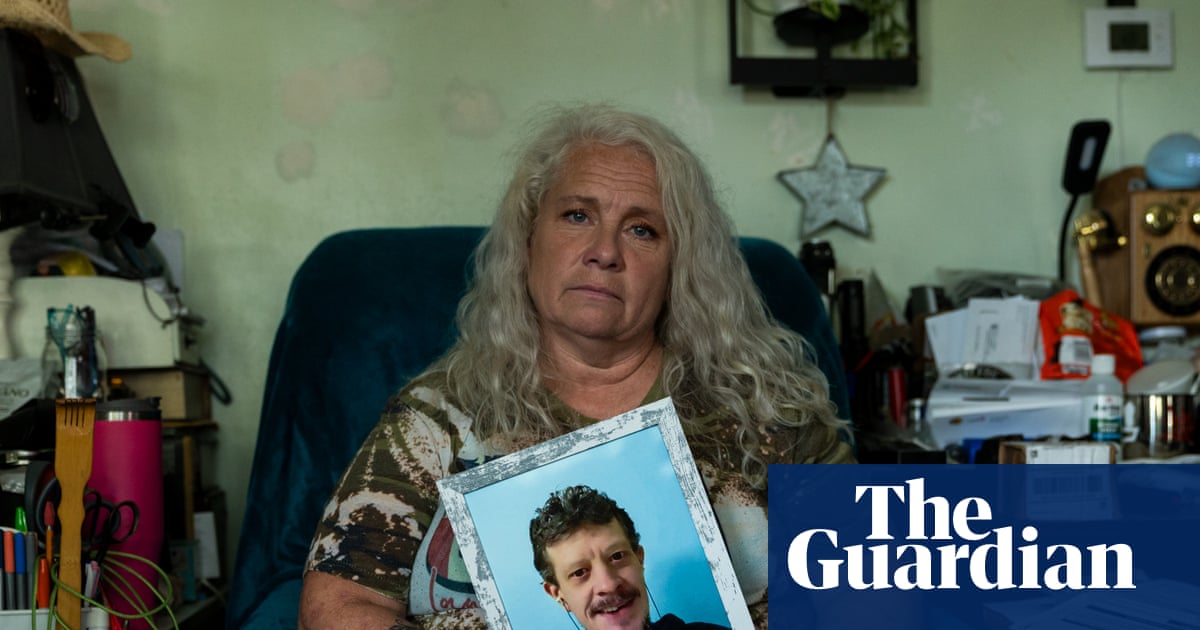
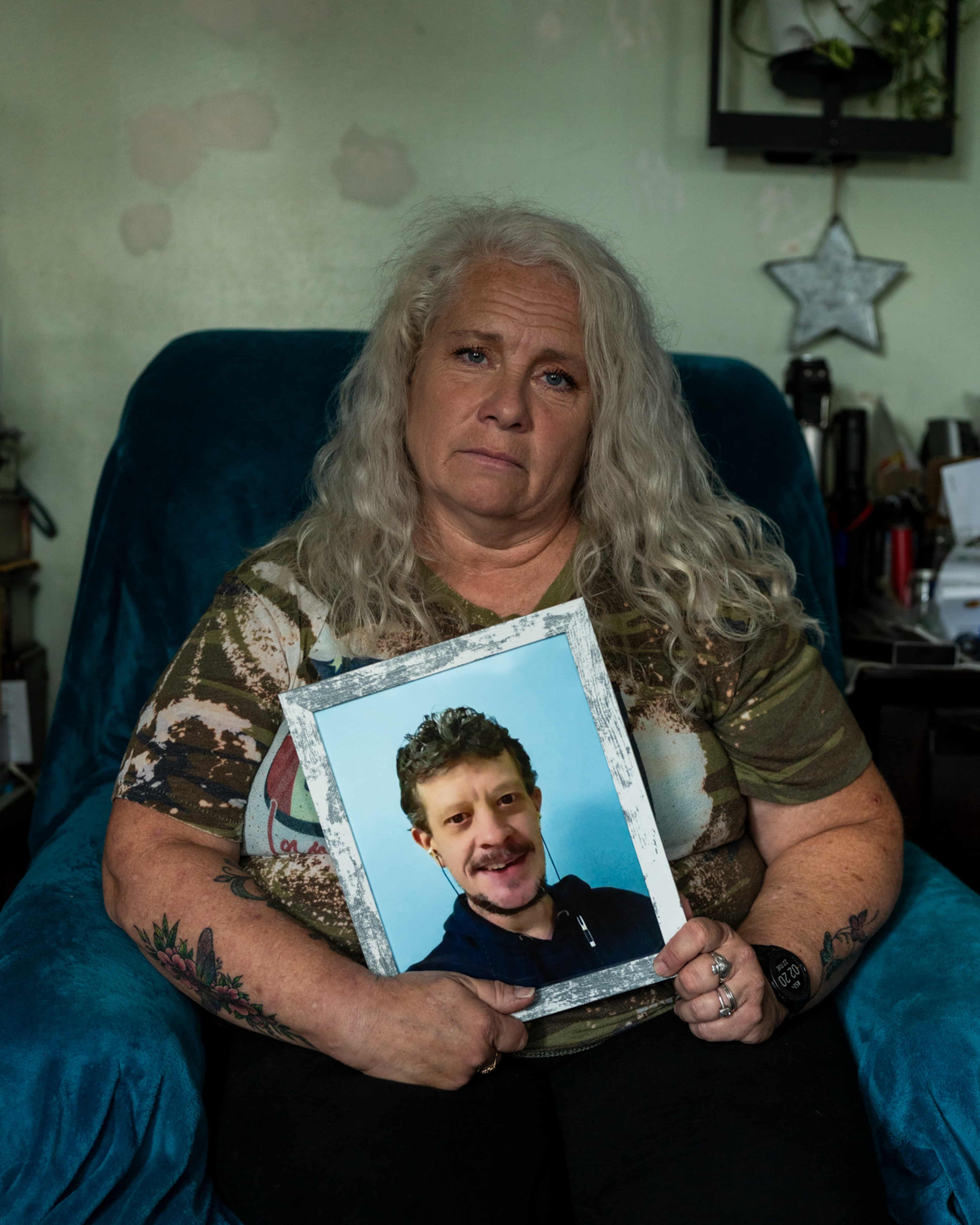
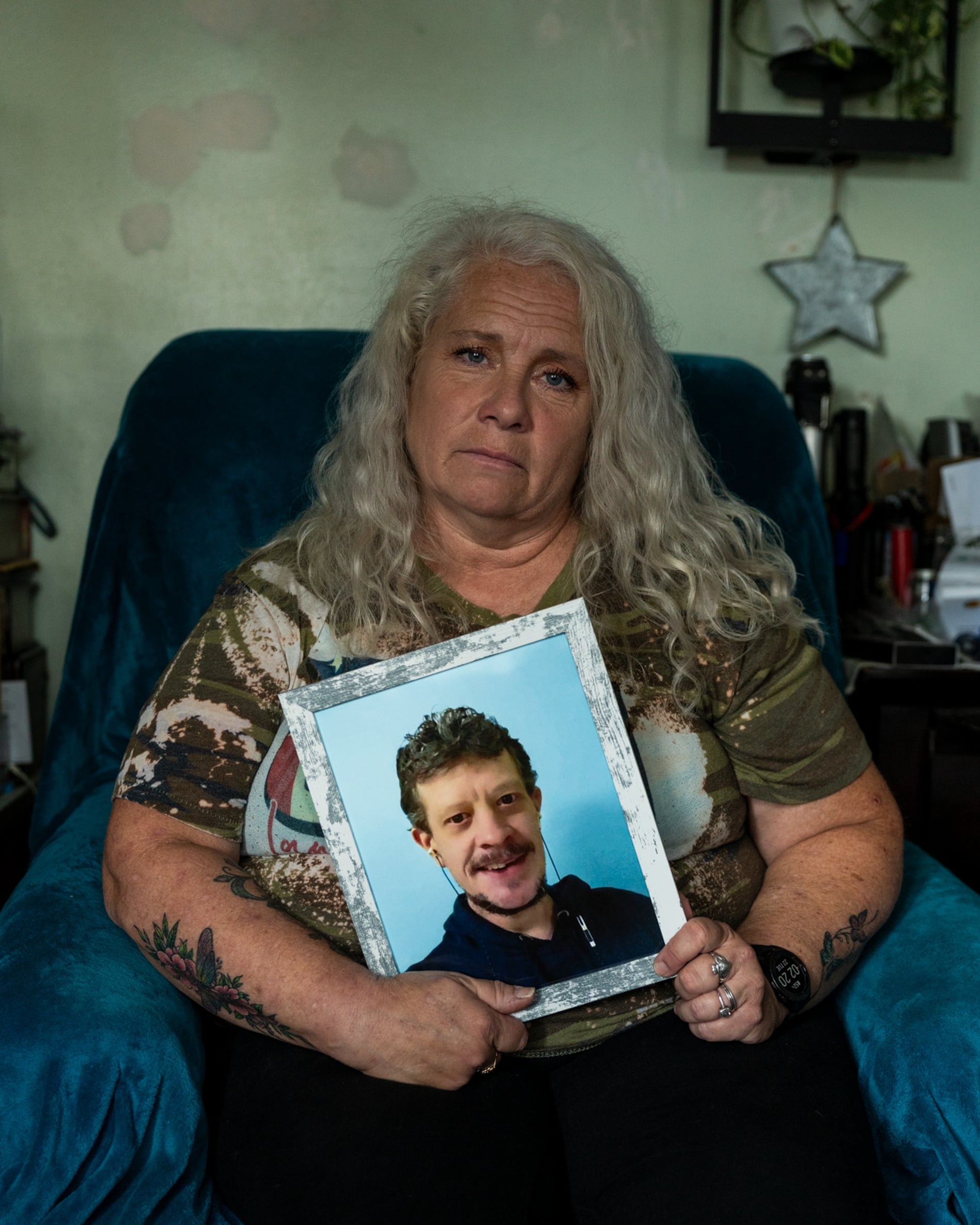
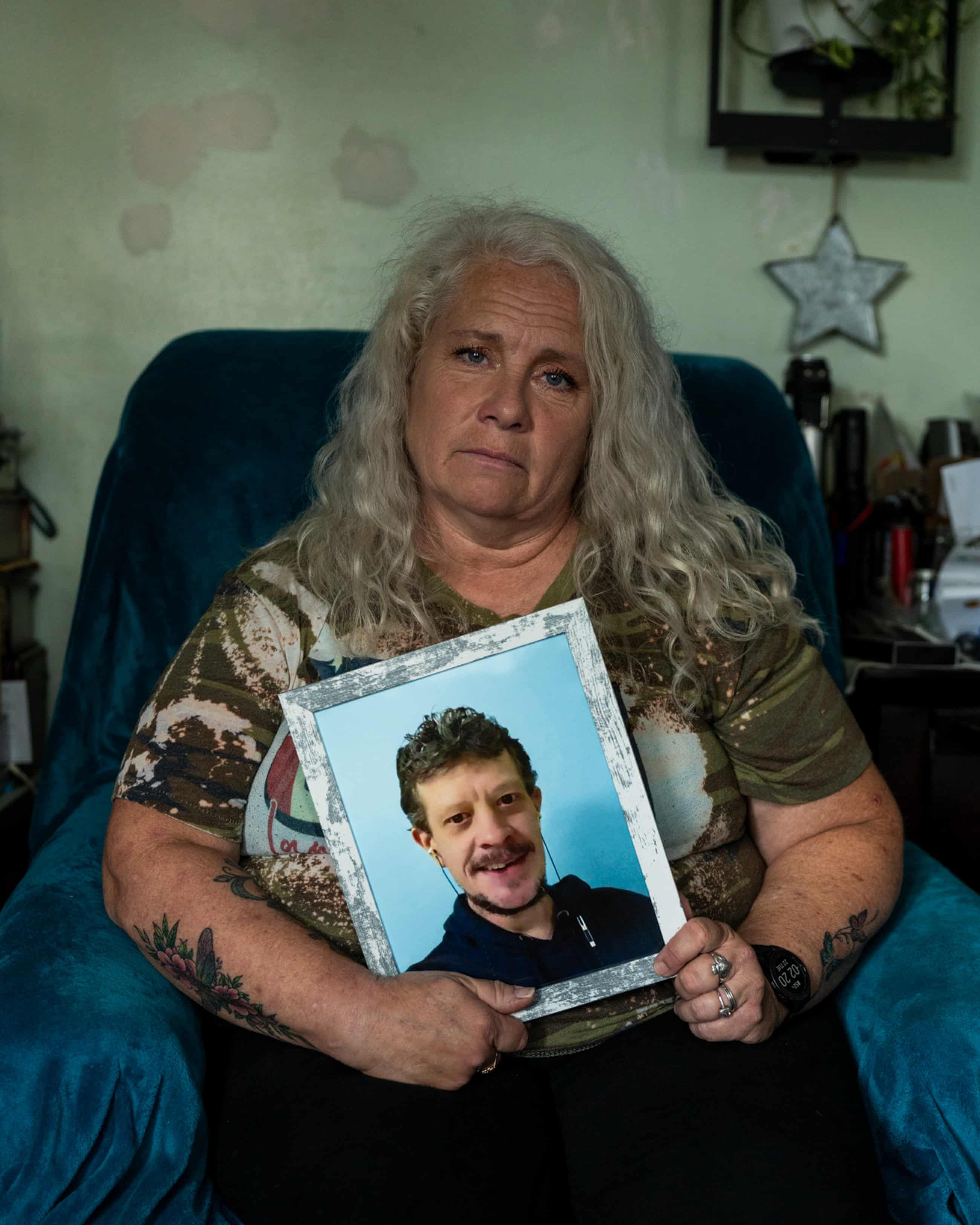
Peter Giesel was placed in an unmarked communal grave at Rookwood cemetery in Sydney in late June with three strangers. His sister Nicole and close friend Elaine Grady say they were never told.
“How could such a heartless thing happen to someone who gave so much of his heart to others?”
Hundreds in communal graves
A three-month Guardian Australia investigation found that hundreds of poor and vulnerable Australians are being buried in unmarked communal graves, which typically hold four to six people each.
Policy breaches identified
In six cases, friends, community leaders and family were either not told of unmarked communal graves or not given a proper chance to intervene and pay for proper burials, a likely breach of government policy.
Homelessness services unaware
At least eighteen individuals known to Sydney homelessness services have been placed in unmarked graves since two thousand sixteen. Sector leaders say they were never informed and never given a chance to intervene.
War veterans in graves
Two Vietnam war veterans who served in the Royal Australian Navy were buried in unmarked communal graves in two thousand twenty-four and two thousand twenty-five. The Department of Veterans' Affairs has not been approached to help fund burials since two thousand twenty.
Roger Davies buried without sister knowing
Rough sleeper Roger Davies was placed in a grave with four strangers without his sister Chantel Dubsky's knowledge because police lacked her current contact details. She was alive in Adelaide and would have paid for his cremation and repatriation.
“unspeakable”
Victoria's different approach
Victoria uses a rural cemetery at Ballan to bury disadvantaged citizens in single plots, each with a marking, as a matter of respect. The cost is three thousand dollars per burial, which would cost NSW at most about three hundred sixty thousand dollars a year.
Peter's difficult life
Peter Giesel was an out-of-work mechanic who loved American cars. His close friend Elaine Grady, in Rhode Island, would spend hours on the phone with him joking and sharing pictures, dreaming of plans to help him escape his difficult life.
Buddy was his lifeline
Giesel's dog Buddy was his whole world, a source of unconditional love in an isolated life. When Buddy was hit by a car and had to be put down, Giesel sank into depression and was never the same.
“Buddy was his lifeline, the reason he got up every morning, his partner and his best friend”
Found dead in caravan
About ten pm on fourteen August two thousand twenty-four, police were called for a welfare check on Giesel. They found him dead inside a caravan from what the coroner says were natural causes.
Sister never told of grave
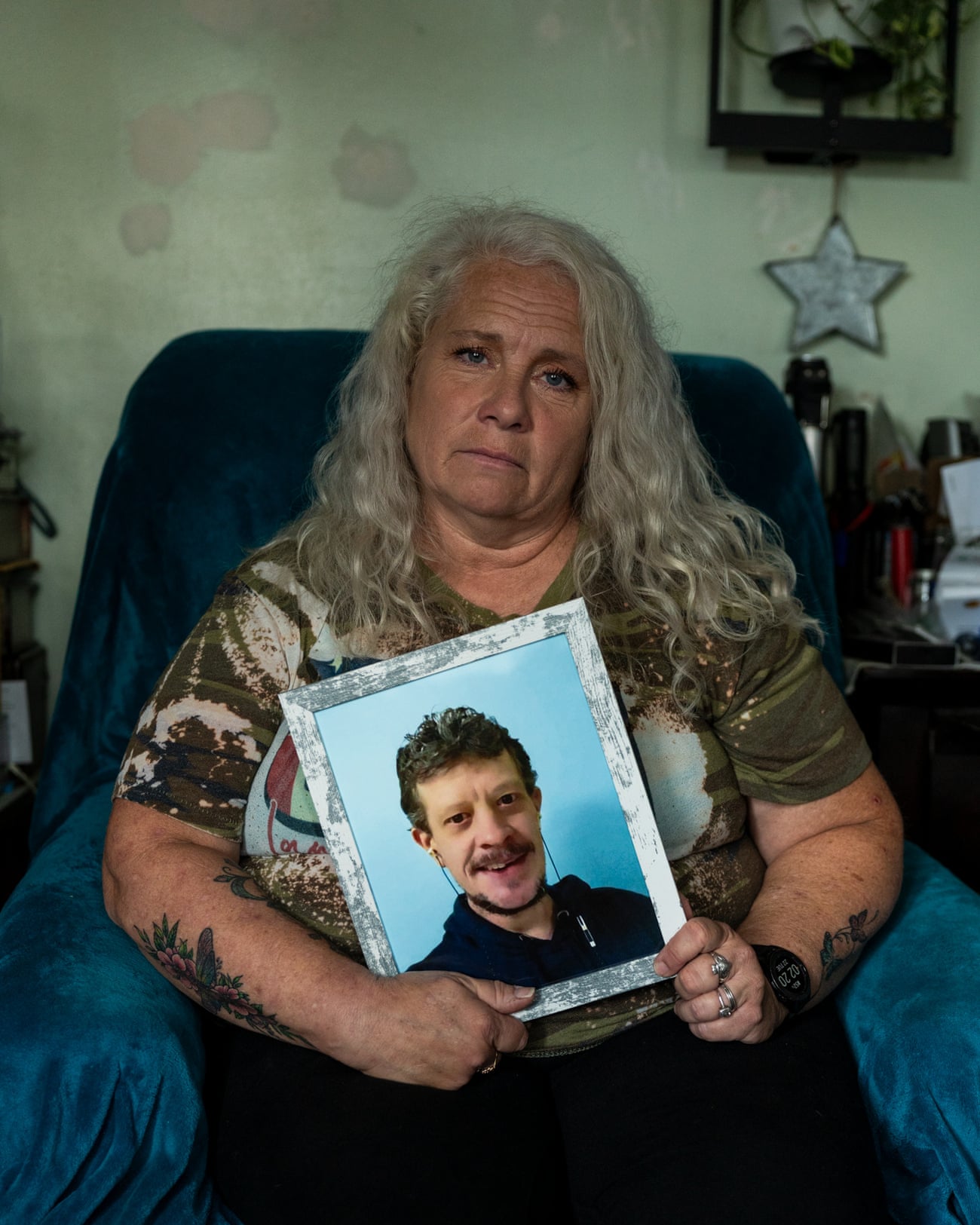
Nicole Giesel says she had no money to pay for her brother's funeral but was never told that an unmarked or communal grave would be used. She learned of it only through the Guardian investigation.
“This is the first I've heard of this and I'm devastated. I feel sick.”
Policy required notification
NSW health policy states authorities must contact friends or other interested parties to give them a chance to pay for burial or cremation, and must consider publicly available funding avenues such as crowdfunding.
Grady would have paid
Elaine Grady had posted on Peter's publicly accessible Facebook profile about his death two years before he was buried. Had she been contacted, she says she would have helped pay for the funeral and set up a GoFundMe page.
Maria Kikkert's story
Maria Kikkert, also known as Mary, was a housekeeper for the Cowley family for almost twenty years. She brought them gifts and became part of the family, but was living in complete poverty unknown to them.
Mary fell through the cracks
After her husband Egbert died in two thousand eleven, Maria Kikkert spiralled into mental ill health and poker machine addiction. In August two thousand twenty-two she was found dead at home with no money to her name.
“Mary fell through the cracks in the system. She is a victim of the system, and that's why she's died with no money and ended up in a pauper's grave.”
Buried without family knowing
Kikkert was buried as a person without means on twenty-three November two thousand twenty-two in an unmarked grave with four others. Her stepdaughter was only called the day before by a funeral director, not by NSW government authorities.
Cowley would have paid
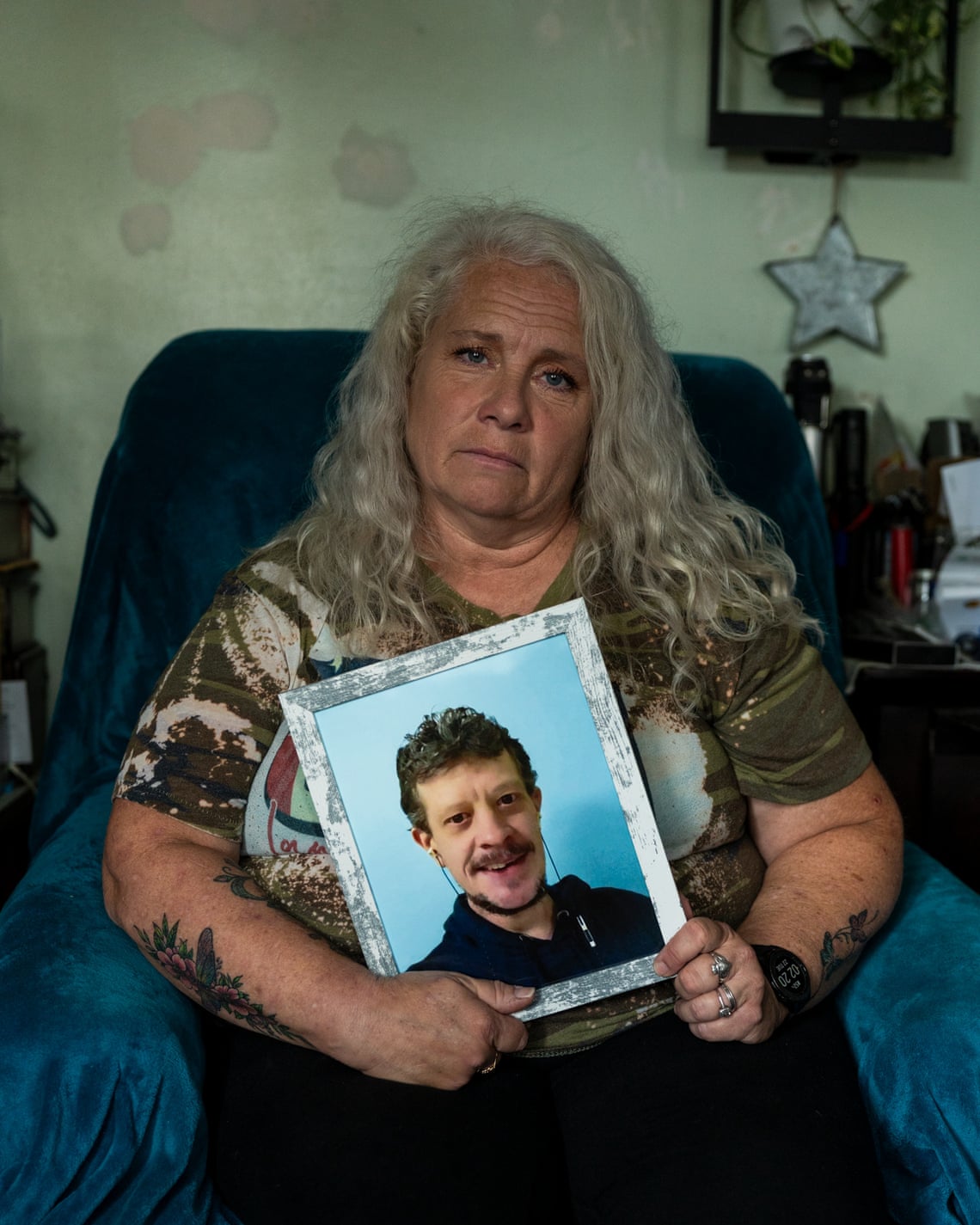
Kathy Cowley says she would have paid for a headstone or something to commemorate Maria if she had been asked. She was shocked by the burial site, a patch of dirt between a walkway and old headstones.
“I would have said that's unacceptable if I had been asked, and I would have said, 'Look, what can I do? How can I contribute?'”
NSW Health apologises
NSW Health issued a statement apologising for past failings, saying all deceased persons should be treated with dignity and respect regardless of financial circumstances. Health minister Ryan Park described the failings as unacceptable.
“Previous arrangements have meant that this has not always been the case, and that is unacceptable.”
Changes made in two thousand twenty-five
NSW Health Pathology created a dedicated funeral support assessment team with six point two full-time equivalent positions to identify alternative funeral arrangements and sources of support. The government is exploring further coordination with charities and community groups.
Grady still seeking answers
Elaine Grady has spent the past month trying to get an explanation from NSW Health and Rookwood about Peter's burial but has been stonewalled. Rookwood says she must sign a statutory declaration before they will answer her questions.
“Unfortunately, there are no answers, there is no one to turn to for help, and I am left with my hands tied, begging for answers I may never find.”
The essence
NSW is burying hundreds of poor Australians in unmarked communal graves without notifying families who could afford proper burials, breaching its own policy and causing distress to loved ones.