From the Guardian · · 2m
Hypemen are redefining Afrobeats with ad-libbed energy
A growing sub-genre of high-octane performers is transforming African nightlife and becoming a full-time career.
In brief
A growing sub-genre of high-octane performers is transforming African nightlife and becoming a full-time career. Hypemen, ad-libbed vocal performers rooted in African praise-singing traditions, have become permanent fixtures on the entertainment scene and are now paid as much as five to eight million naira for…
From university to hype pioneer
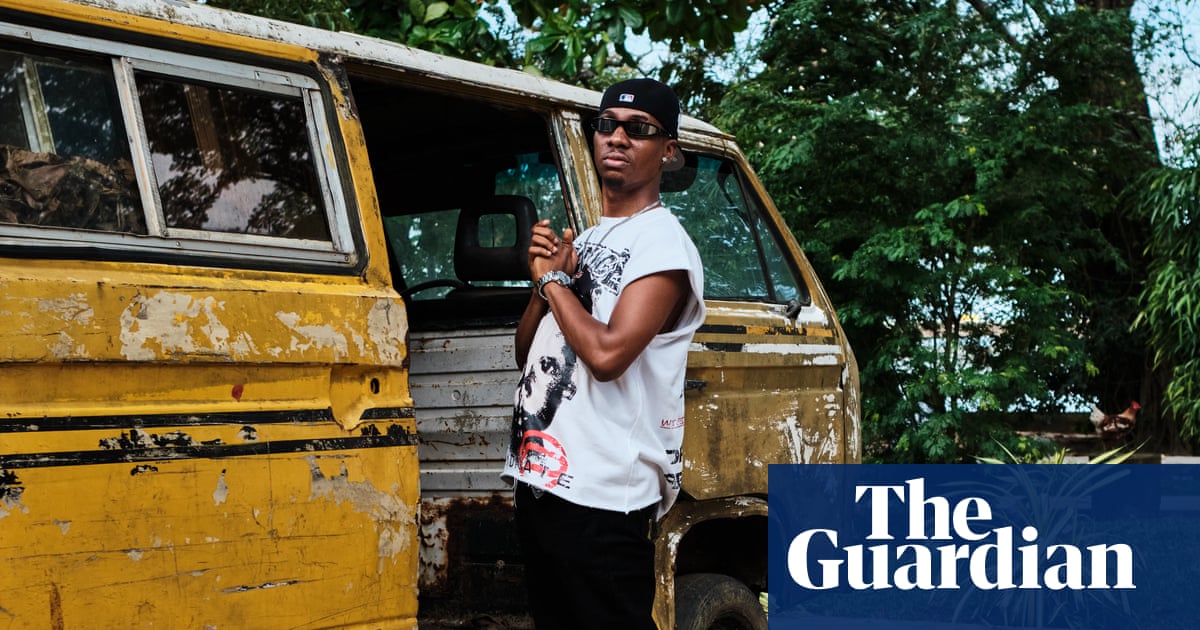
Toby Shang, born Tobi Michael Adeyeye, earned his nickname at the University of Lagos for captivating classmates during a history presentation. His infectious energy and viral catchphrases led to a hit song called Shedibalabala.
“Even my mother calls me Shang now”
Building the hype movement
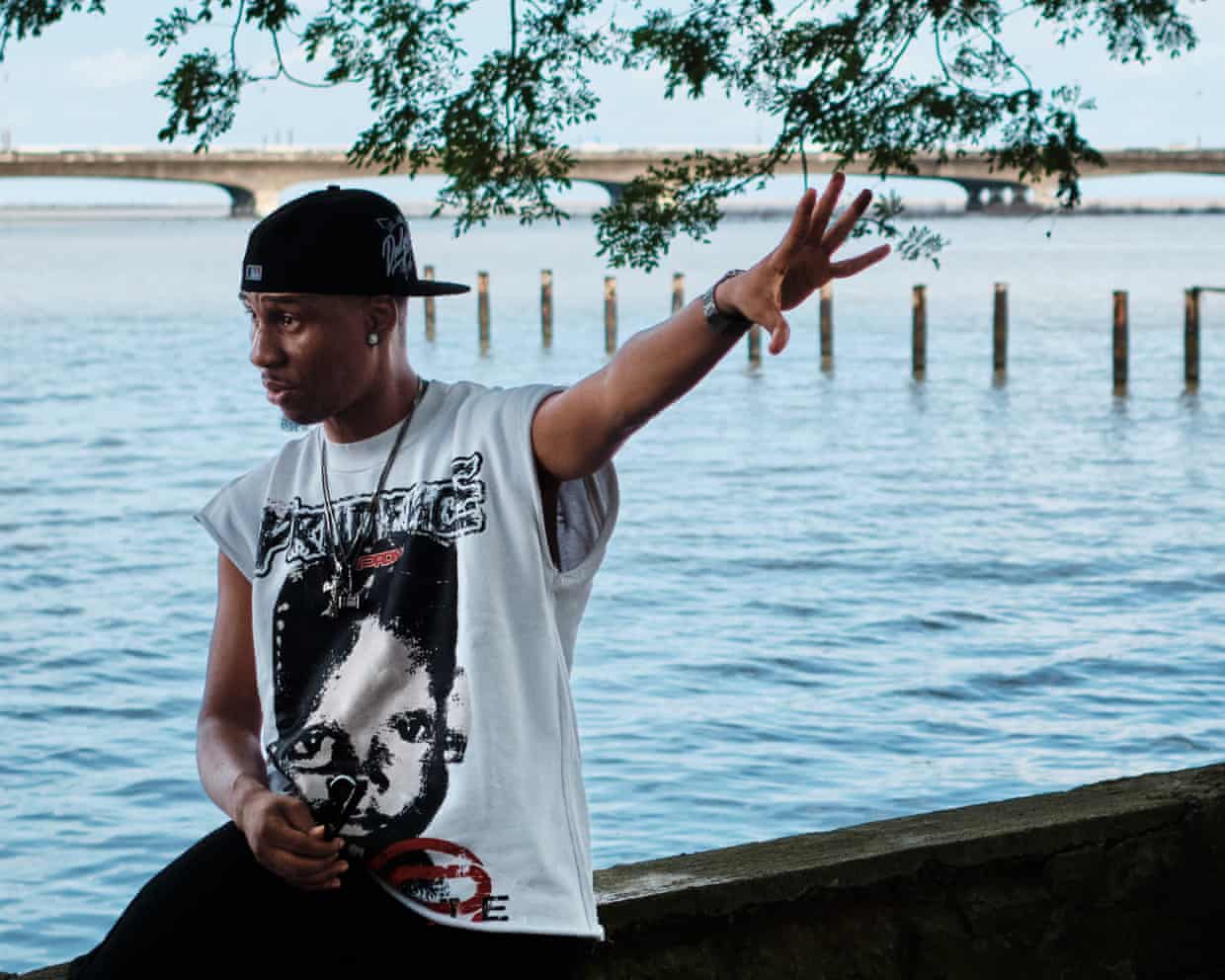
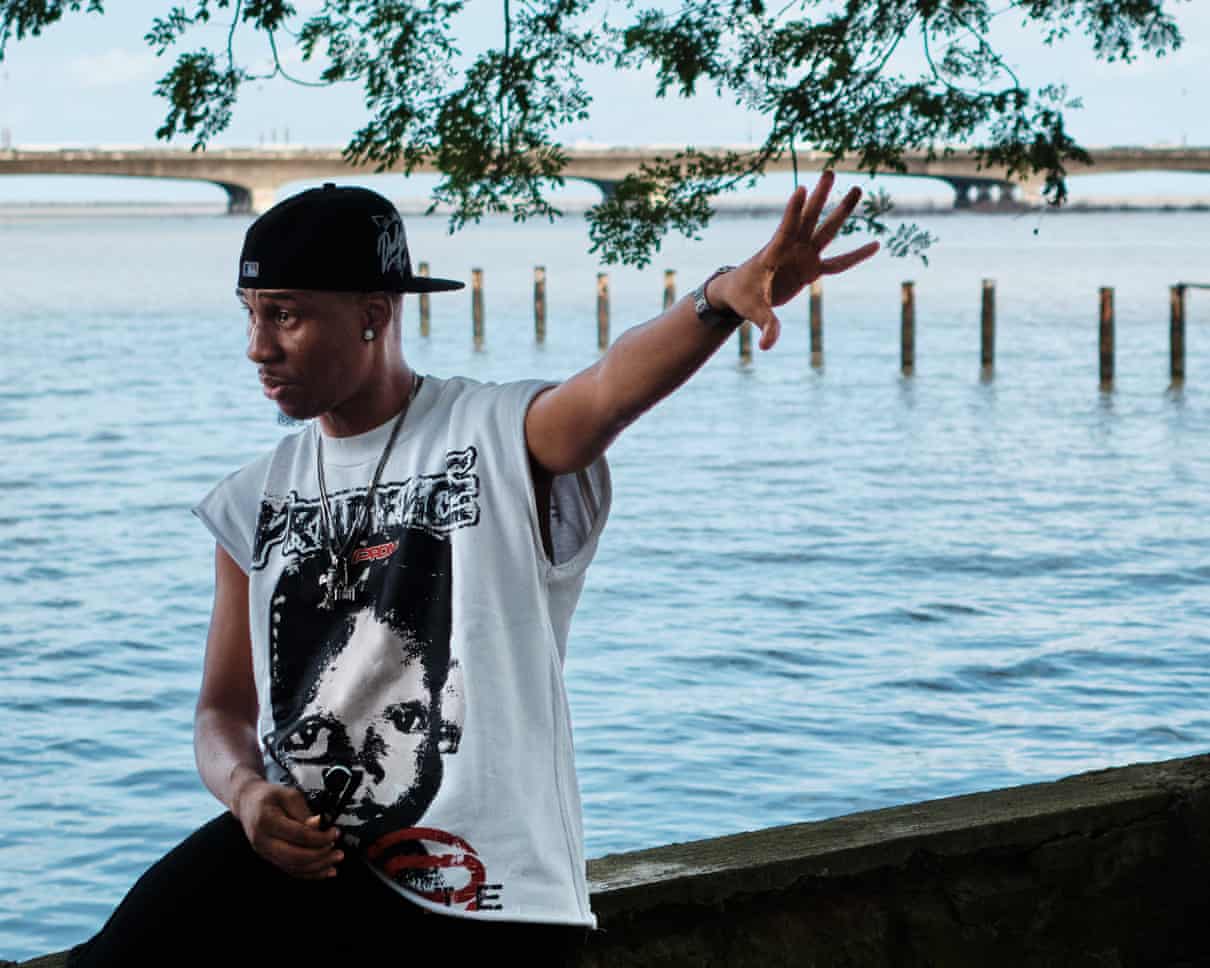
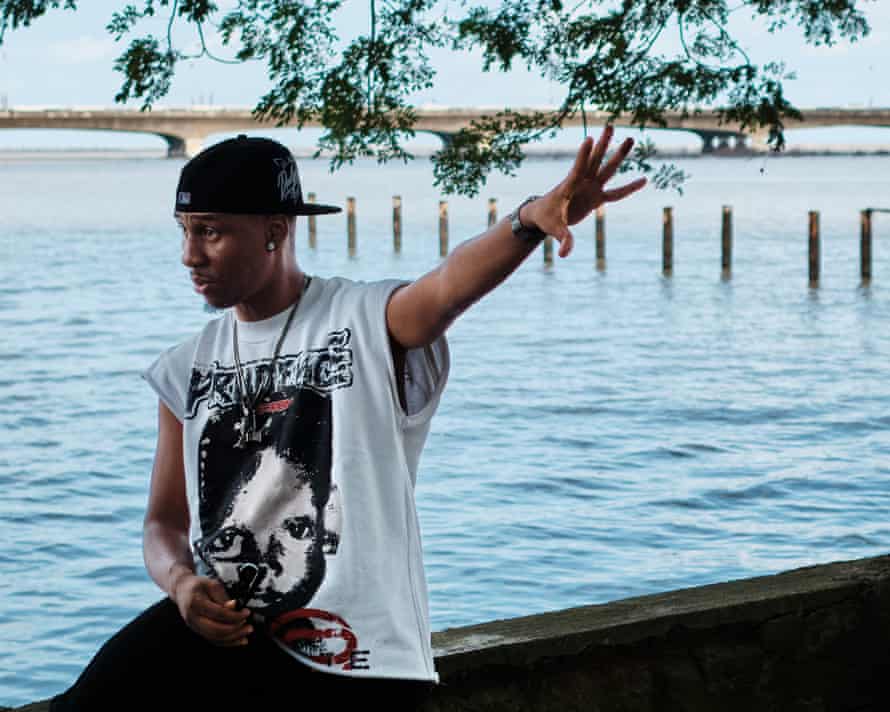
Now thirty-two, Shang has hosted his own rave, released two EPs and run four editions of his School of Hype, a one-day masterclass with online mentoring that has launched several rising stars.
What hypemen actually do
Hypemen neither sing nor rap entirely, but perform high-octane ad-libbed vocals and onomatopoeic sounds over fresh beats or popular instrumentals.Nightclub patrons respond by donating or spraying money, a Nigerian custom of throwing cash to celebrate.
Hype is everywhere now
Hype is now omnipresent at wedding after-parties, raves and corporate parties. On Instagram, one teenage sensation records thirty-second hypes for birthday celebrants at the request of friends or relatives.
Women breaking through in hype
Despite being male-dominated, women have made their mark.Lady Ponce from Yaoundé is known as the one hundred thousand volt lady because of her energy.
“100,000-volt lady”
Roots in centuries of African tradition
Hyping has roots in praise-singing and call-and-response styles ingrained for centuries in Black populations. West African griots were oral historians. In the US, enslaved African Americans sustained the tradition through negro spirituals, sacred folk songs.
From Congo to Côte d'Ivoire to Nigeria
The atalaku tradition, meaning look here look at me in Kikongo, came alive in nineteen eighties Kinshasa.
Hypemen now earn serious money
Thanks to Afrobeats success, Afrohype is now widely recognised as a full-time career.After Covid-19 made artists expensive to book, promoters turned to hypemen.
“5-8m naira”
Critics say hype creates problems
Some observers say hype is a nuisance, amping up noise levels at events or encouraging fraudulent lifestyles. Many performers do not customise language and tempo to fit the event, critics argue.
Hypemen help people dance again

Hypemen are now permanent fixtures on the entertainment scene. Shang says they help people facing challenges get back on the dancefloor by bringing out their playful side, even among older audiences.
“You need a hypeman to bring out that childlike part in every person”
In short
Hypemen, ad-libbed vocal performers rooted in African praise-singing traditions, have become permanent fixtures on the entertainment scene and are now paid as much as five to eight million naira for performances.


