From the Guardian · · 3m
Jackdaw approval signals pragmatic North Sea energy policy
UK approves Jackdaw gasfield as it reckons with the awkward reality that oil and gas will power Britain for years to come.
In brief
UK approves Jackdaw gasfield as it reckons with the awkward reality that oil and gas will power Britain for years to come. The UK has approved the Jackdaw gasfield in the North Sea, recognising that domestic gas production makes sense while Britain still relies on fossil fuels on the path to net zero by twenty fifty…
The energy question Burnham posed
Prime Minister Andy Burnham said the real question is not whether Britain will use oil and gas, but where it comes from. This framing underpins the Jackdaw decision.
“The question isn't whether Britain will still be using oil and gas, the question is, where does it come from?”
Britain's energy reality in twenty twenty-five
Oil and gas provided seventy-five percent of the UK's energy in twenty twenty-five, government data shows. About forty-three percent of overall energy was imported last year.
The electrification gap remains huge
Fewer than two percent of UK households have heat pumps. Nearly ninety-five percent of vehicles on the road run on petrol and diesel. Hydrogen and biomethane have barely taken off.
Global energy supply is now fragile
The strait of Hormuz can close overnight. Russian ships prowl the North Sea. The Langeled pipeline from Norway carries forty percent of UK gas consumption and is a security vulnerability.
Jackdaw gasfield gets the green light
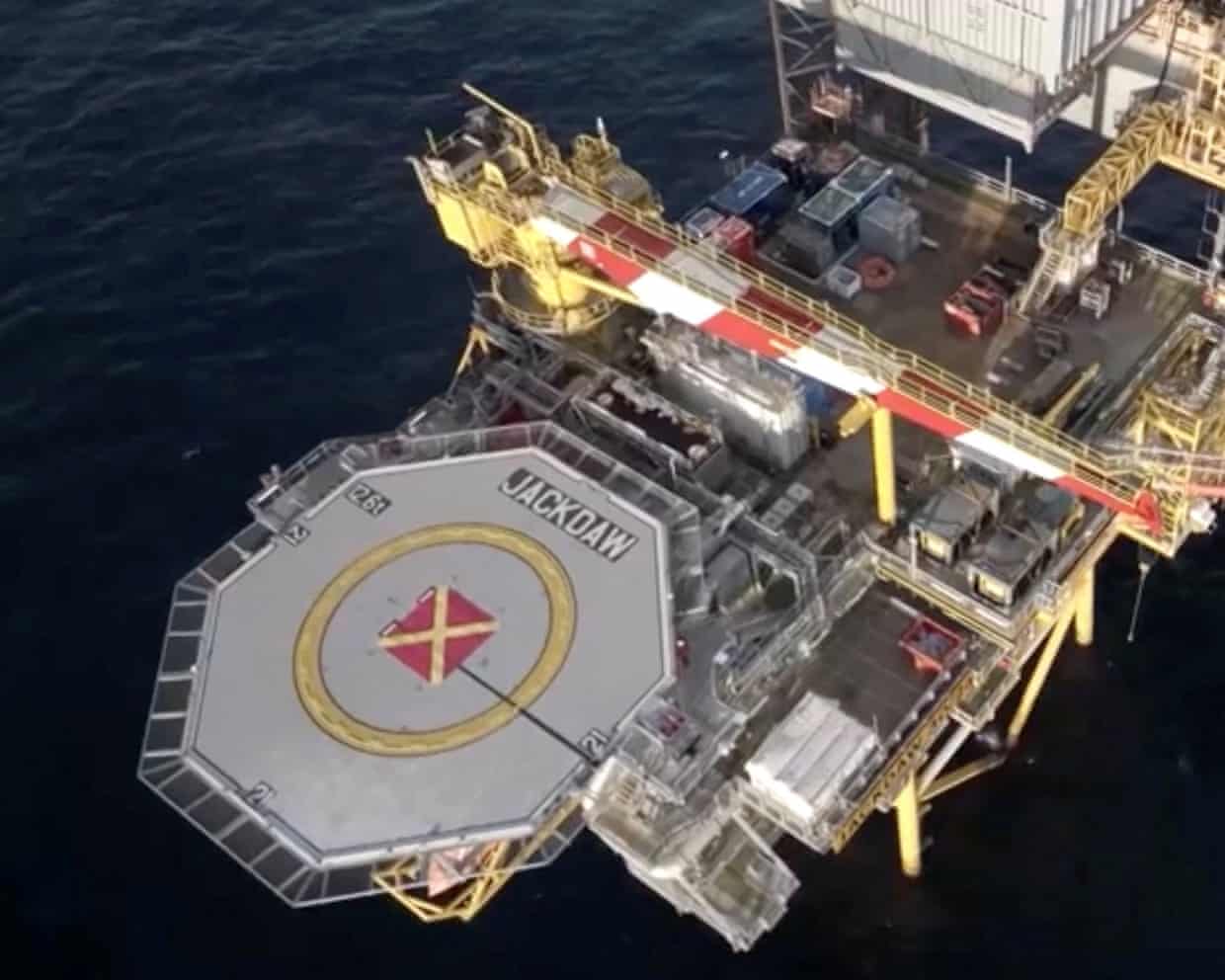
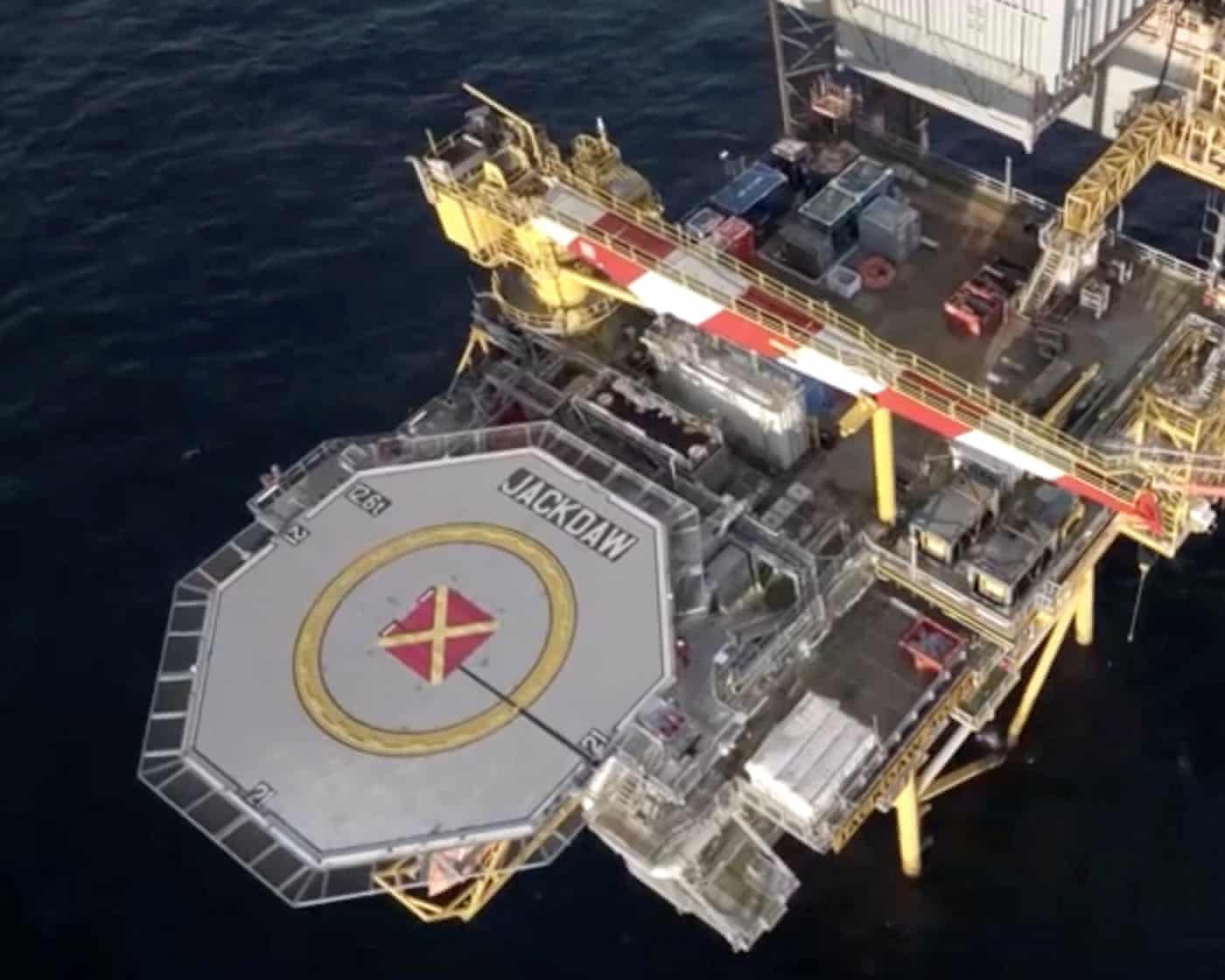
The Jackdaw gasfield, one hundred fifty miles east of Aberdeen, has been approved to produce in time for winter. It will supply six percent of UK North Sea gas production at peak.
Why domestic gas beats imported liquefied gas
Less North Sea gas means more imported liquefied natural gas from the US, which creates extra carbon emissions by chilling fuel to minus one hundred sixty degrees Celsius for shipment and regasifying it.
The real case for Jackdaw
The argument was never about lowering consumer prices. It was about tax receipts, jobs, the national balance of payments, relative emissions and security from having domestic gas piped into the network.
Other fields may follow Jackdaw's path
The government announcement suggests other tie-back gasfields in already-explored areas, such as Tornado west of Shetland, could follow. Rosebank, also near Shetland, is a trickier political proposition because it is mostly oil.
The real North Sea question
The debate is about how much oil and gas the UK should produce itself on the way to net zero.
Energy secretary insists net zero commitment holds
Energy Secretary Miatta Fahnbulleh insisted commitment to net zero by twenty fifty is intact. A new energy wealth fund will reinvest oil and gas revenues into renewable and low-carbon projects.
Jackdaw addresses import dependency
The previous government approach maximised imports of oil and gas while promoting clean homegrown energy like wind and solar. Jackdaw is a step towards joined-up energy security and commonsense policy.
The key point
The UK has approved the Jackdaw gasfield in the North Sea, recognising that domestic gas production makes sense while Britain still relies on fossil fuels on the path to net zero by twenty fifty.