From the Guardian · · 3m
Kieron Dyer's second act at Southend
The former England midfielder has left his wild playing days behind to become a hands-on manager building culture through discipline and chess-like tactical thinking.
In brief
The former England midfielder has left his wild playing days behind to become a hands-on manager building culture through discipline and chess-like tactical thinking. Dyer's journey from party-prone player to thoughtful manager shows how self-awareness and mentorship can transform a person's trajectory. Originally…
Chess master in football boots
Dyer, 47, is a serious chess player with a rating of 1380 on Chess.com. He once played Sol Campbell for an hour at the 2002 World Cup, though Campbell barely moved two pieces.
“I'm not sitting here for five hours playing chess with you, mate!”
From hooligan to honest self-appraisal
Young Dyer earned a reputation for partying, gambling, and holidaying in Ayia Napa. He now describes his younger self bluntly: "Twenty-year-old Kieron Dyer was a hooligan."
“Twenty-year-old Kieron Dyer was a hooligan. Let's not get it wrong.”
Coaching path begins after 2013
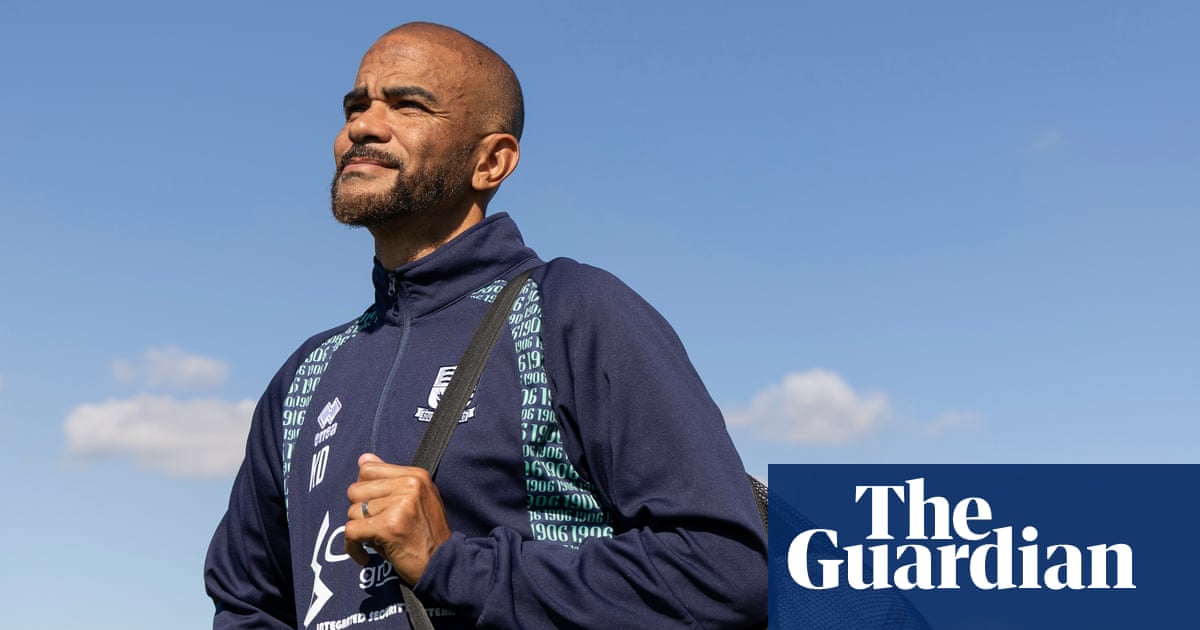
Dyer retired as a player in 2013 and started coaching with Ipswich's academy and under-23 teams, then joined Paul Cook's staff at Chesterfield before taking the Southend top job.
Southend second in National League
Dyer's tenure has started strongly with one defeat in nine matches, leaving Southend second in the National League. The club aims for a Football League return after financial stability under new ownership.
Tardiness will not be tolerated
Players must complete a wellness check on waking and sign in by 9am. Late arrivals face real consequences: miss the meeting or go home from training. Fines must hurt, not just cost money.
“If you're late for a meeting, you don't come into the meeting. And if you're late for training you go home.”
Stealing ideas from great coaches
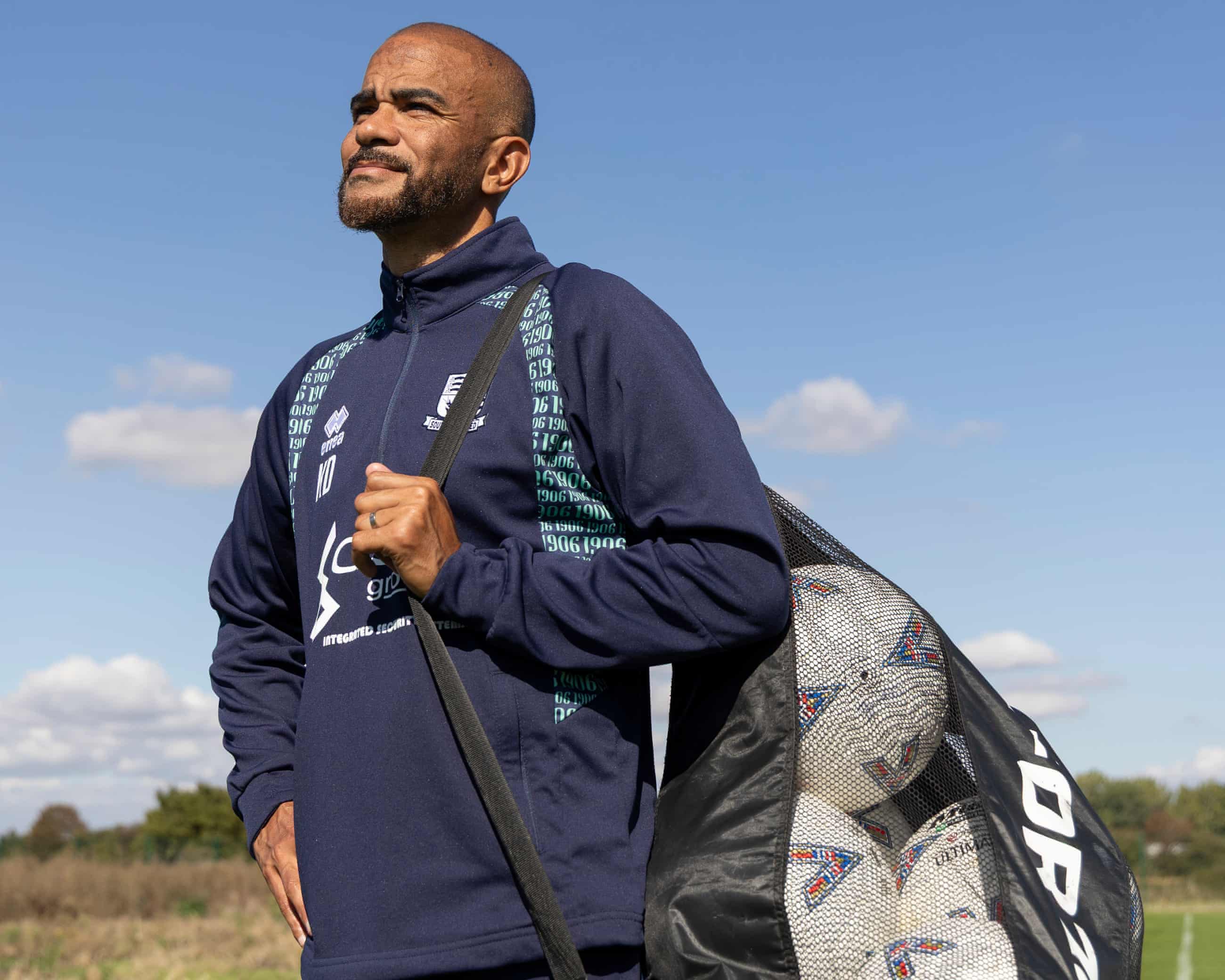
Dyer borrowed his tardiness policy from Craig Bellamy, who got it from Vincent Kompany. He believes good coaches steal tactics and culture-building ideas from others that fit their vision.
“I always say coaches are thieves. You steal things from other people that fit how you want to build your culture.”
Perfection impossible, improvement endless
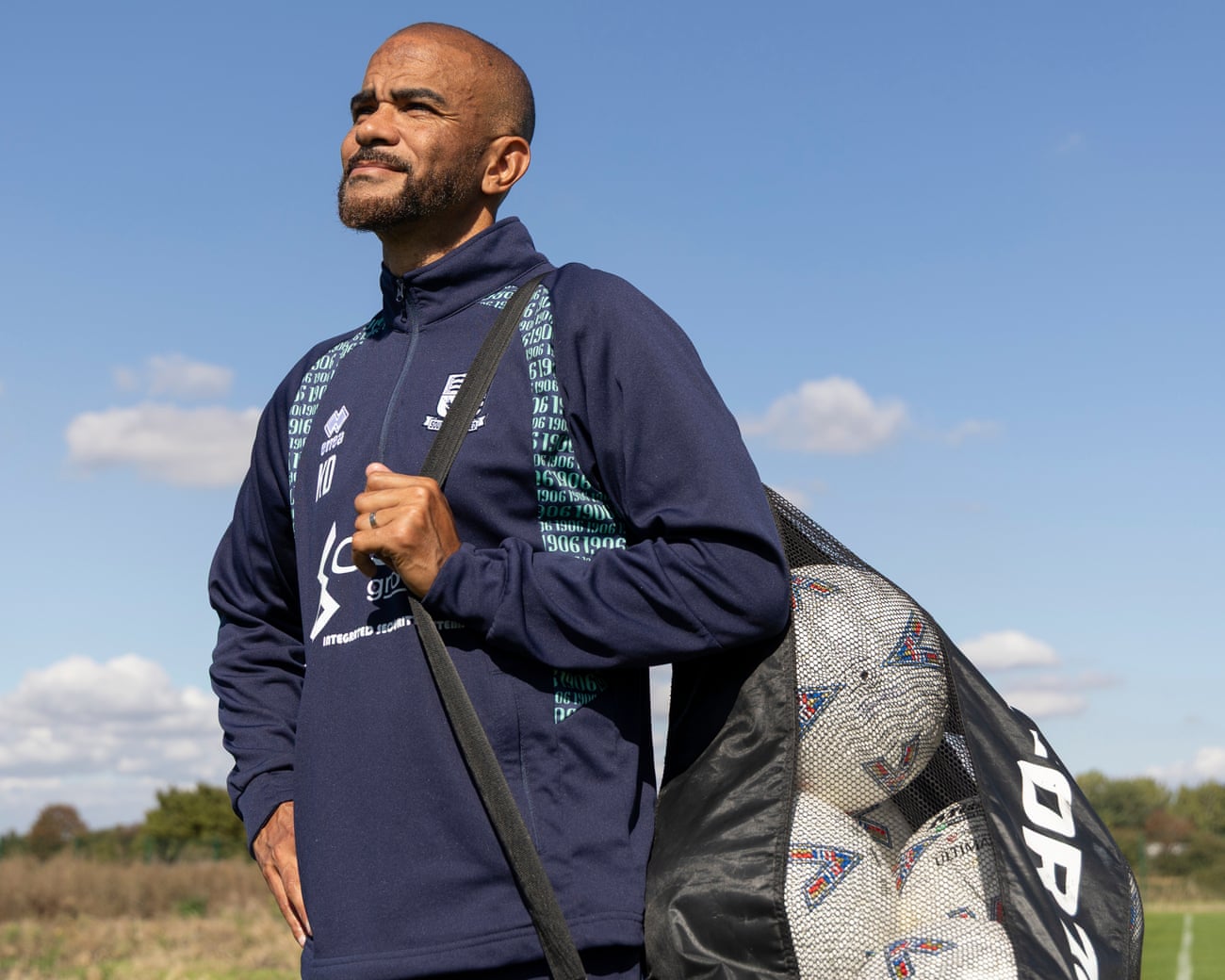
After a 6-1 win at Gateshead, Dyer still finds flaws to correct in video review. He tells his squad to ignore external criticism about not scoring more, knowing intensity is hard to maintain.
Newcastle years and Bobby Robson bond
Dyer joined Newcastle for 6 million pounds in 1999 and won 32 of his 33 England caps there. His relationship with Bobby Robson was deeper than manager and player, more like father and son.
“A lot of people don't realise our relationship was more than a manager and player. Honestly, it was like father and son.”
Childhood abuse shaped his boundaries
Dyer was sexually abused by his great-uncle Kenny during his pre-teens, something he wrote about in his autobiography. This experience made him determined not to be taken advantage of later in life.
Guarded off the pitch, electric on it
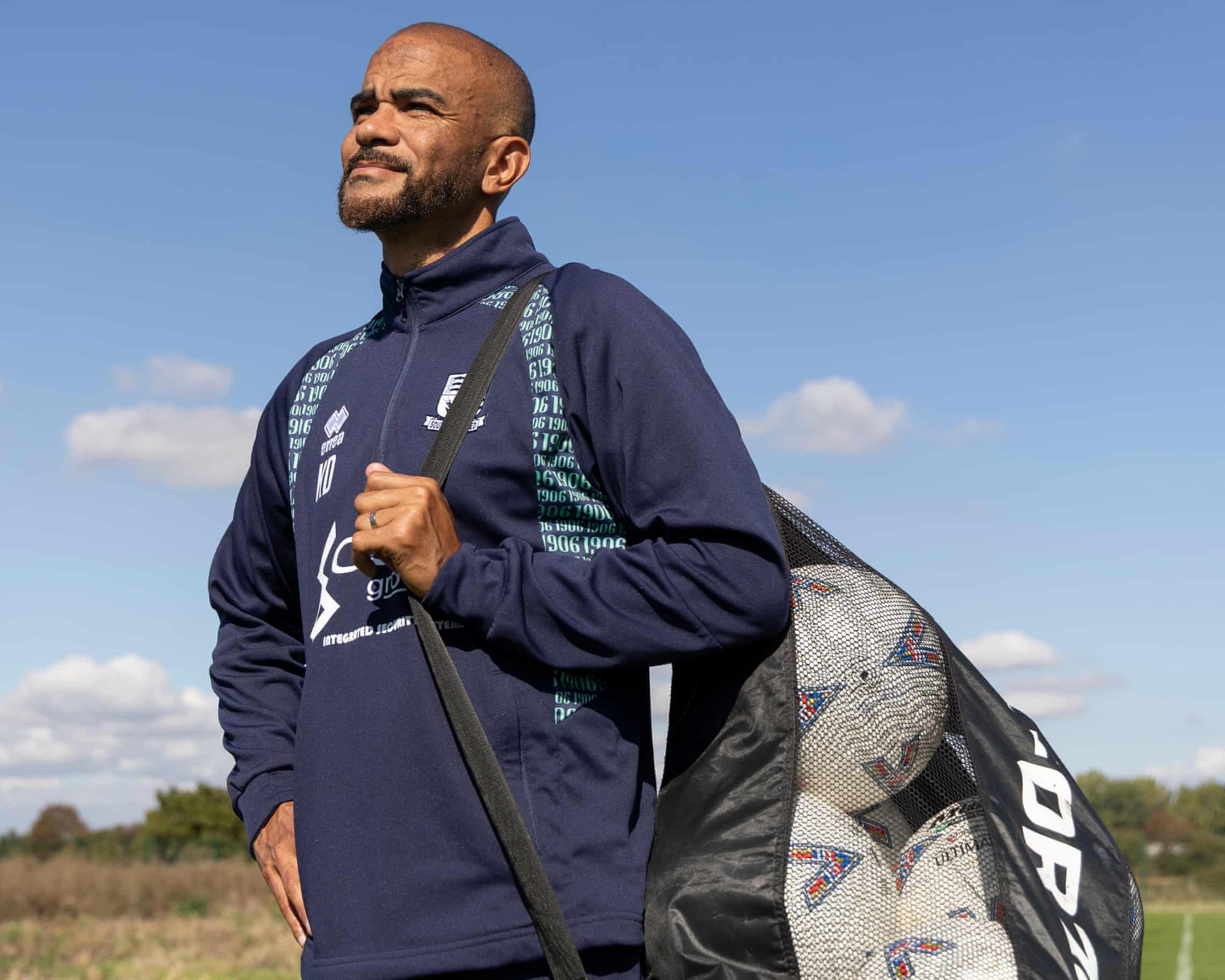
Dyer describes himself as very guarded, spending his time between football club and home. But once training starts, he becomes extroverted, enthusiastically coaching complex drills and joining in.
“I'm just: football club, home. I don't go out; I don't really have a life outside of football.”
Wheel of misfortune keeps squad sharp
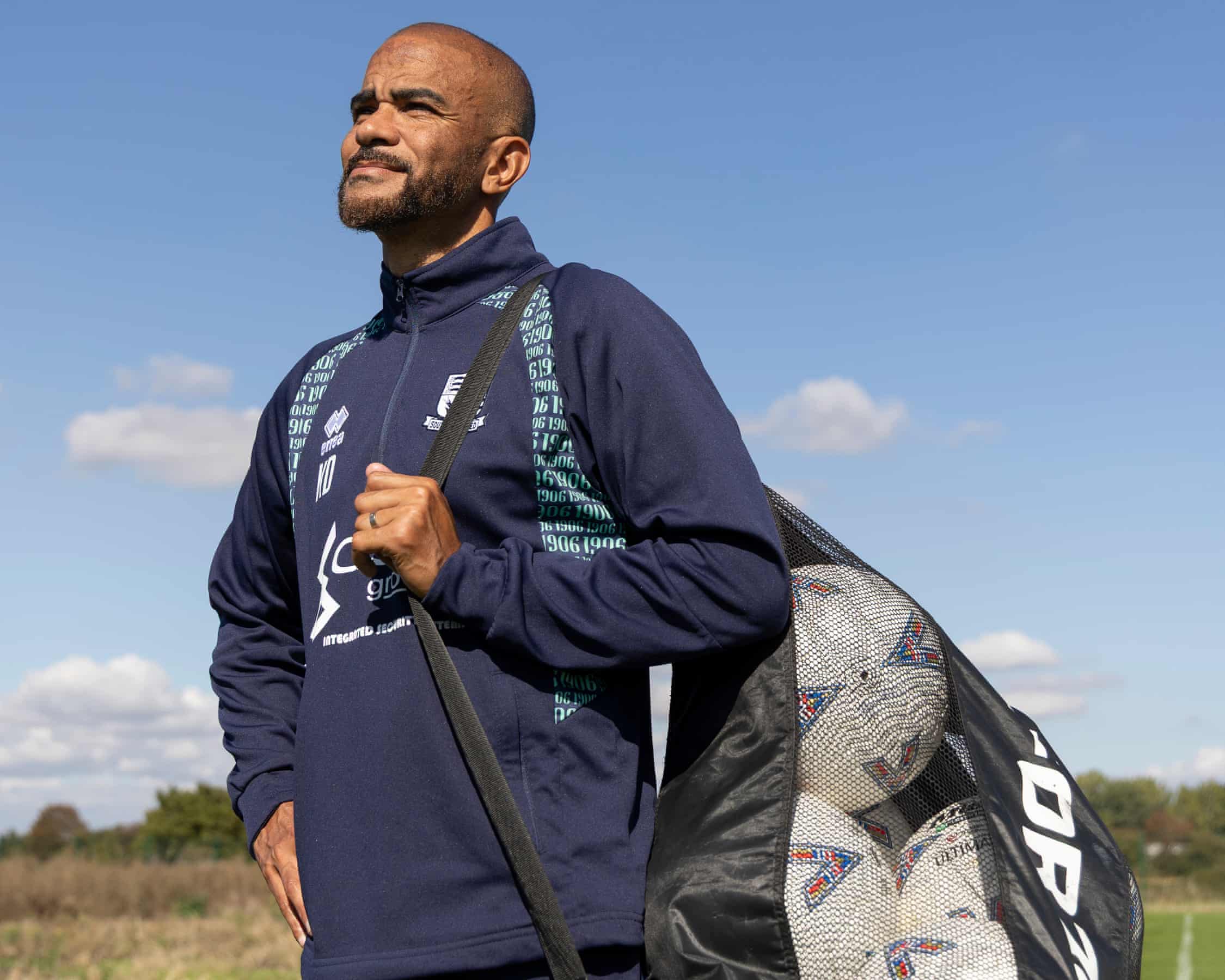
Losing teams spin a wheel with punishments including burpees, equipment collection, and a week without pool and darts. Dyer particularly enjoys making them prepare hot chocolate for staff.
Liver transplant three years ago
In 2015 Dyer was diagnosed with primary sclerosing cholangitis. By 2023 he needed a liver transplant, waking in agony during a hotel stay and driving 130 miles to Cambridge for emergency surgery.
“Being on your deathbed certainly humbles you. Not many people get second chances.”
Second chances reshape perspective
Dyer's near-death experience has given him clarity about what matters. He draws on this and other life lessons to guide his players and build a winning culture at Southend.
At a glance
Dyer's journey from party-prone player to thoughtful manager shows how self-awareness and mentorship can transform a person's trajectory.