From the Guardian · · 1m 50s
Lambie's prolapse: the condition affecting half of mothers
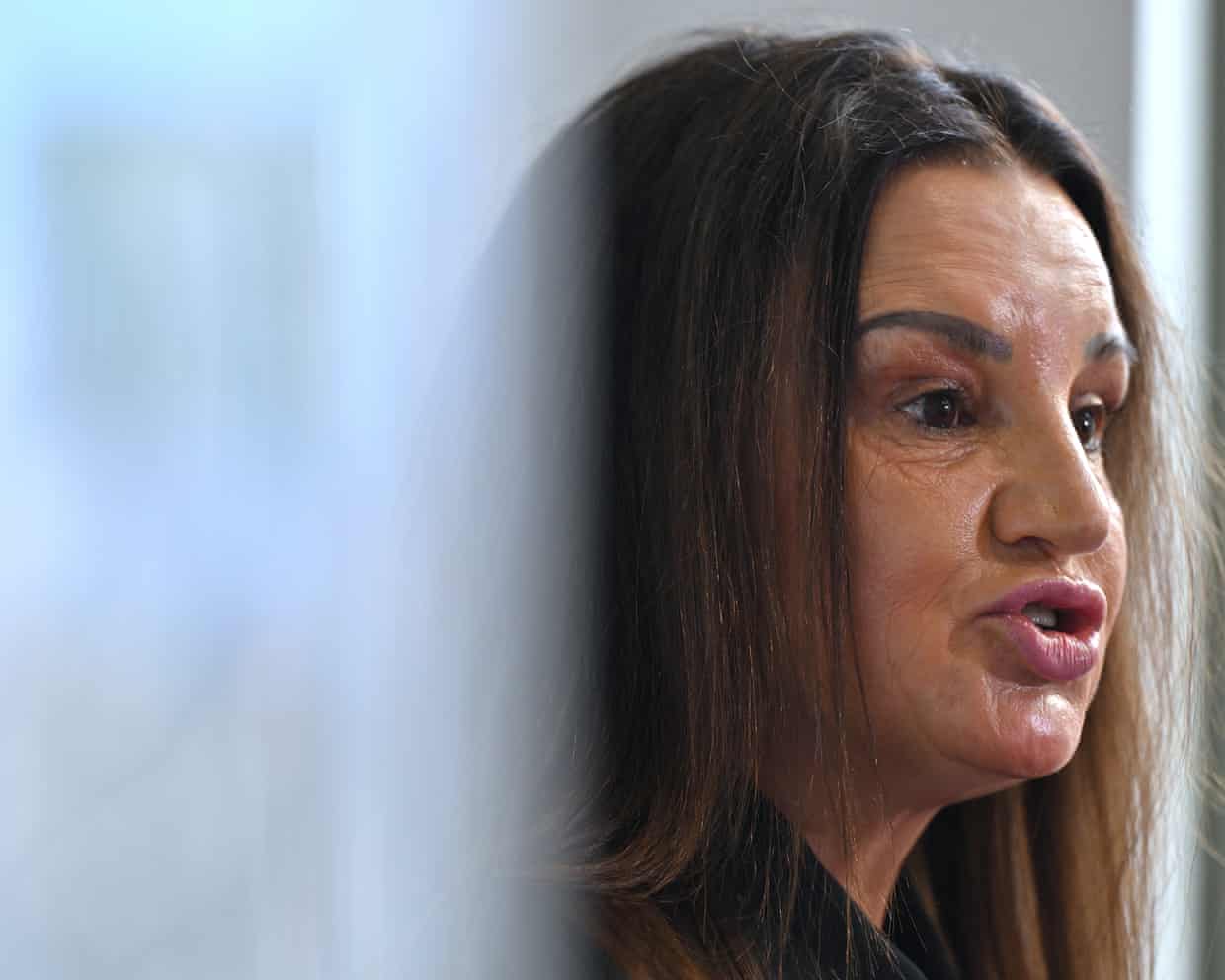
Senator Jacqui Lambie has spoken publicly about vaginal prolapse after mockery from One Nation. The condition is far more common than stigma suggests.
In brief
Senator Jacqui Lambie has spoken publicly about vaginal prolapse after mockery from One Nation. The condition is far more common than stigma suggests. Vaginal prolapse affects up to fifty percent of women who have been pregnant, but remains heavily stigmatised despite being treatable with physiotherapy, lifestyle…
Quick answers
- What is vaginal prolapse?
- Vaginal prolapse is a form of pelvic organ prolapse, when the bladder, uterus or bowel protrudes into the vagina. Pregnancy and birth are the most common causes.
- How common is it really?
- Studies relying on self-reporting estimate prolapse affects three to eight percent of women. Internal examinations find it affects up to fifty percent of women.
- What is the key takeaway from Lambie's prolapse: the condition affecting half of mothers?
- Vaginal prolapse affects up to fifty percent of women who have been pregnant, but remains heavily stigmatised despite being treatable with physiotherapy, lifestyle changes or surgery.
Lambie speaks out after cartoon mockery

Tasmanian senator Jacqui Lambie condemned a One Nation cartoon that mocked her for having vaginal prolapse. Labor and crossbenchers expressed support for her.
Stigma around a common condition
Dr Sarah White, chief executive of Jean Hailes, said mockery of vaginal prolapse was absolutely not OK. We just don't talk about things like vaginal prolapse when we need to.
“We just don't talk about things like vaginal prolapse when we need to.”
What is vaginal prolapse?
Vaginal prolapse is a form of pelvic organ prolapse, when the bladder, uterus or bowel protrudes into the vagina. Pregnancy and birth are the most common causes.
How common is it really?
Studies relying on self-reporting estimate prolapse affects three to eight percent of women. Internal examinations find it affects up to fifty percent of women.
Symptoms women experience
Amy Steventon, a pelvic floor physiotherapist at Jean Hailes, said symptoms include vaginal dragging or bulging, or feeling like a tampon's dropped down.
“vaginal dragging or bulging, or feeling like a tampon's dropped down”
Treatment options available
Mild to moderate prolapse can be treated with physiotherapy and lifestyle changes. Some women need a pessary device that supports organs. More severe cases require surgery.
The mesh implant scandal
In the early two thousands, some women used transvaginal mesh implants to treat prolapse.Investigations found harmful side effects and complications.
Seeking help early matters
Women often avoid seeking help due to embarrassment and stigma. Early assessment and treatment prevents symptoms worsening. Talking to a GP is a good first step to finding comfortable care.
“With good and appropriate care, you can lead a very normal life with it.”
The headline
Vaginal prolapse affects up to fifty percent of women who have been pregnant, but remains heavily stigmatised despite being treatable with physiotherapy, lifestyle changes or surgery.