From the Guardian · Adam Isfendiyar · · 3m
Lions and Irons: the Dockers derby
Millwall and West Ham met for the first time in 14 years, their 100th competitive clash rooted in east London's industrial past.
In brief
Millwall and West Ham met for the first time in 14 years, their 100th competitive clash rooted in east London's industrial past. The Dockers Derby's intensity comes from two working-class clubs competing to represent the same place and identity, even as the docks that birthed them have disappeared. Originally reported…
100 years of rivalry
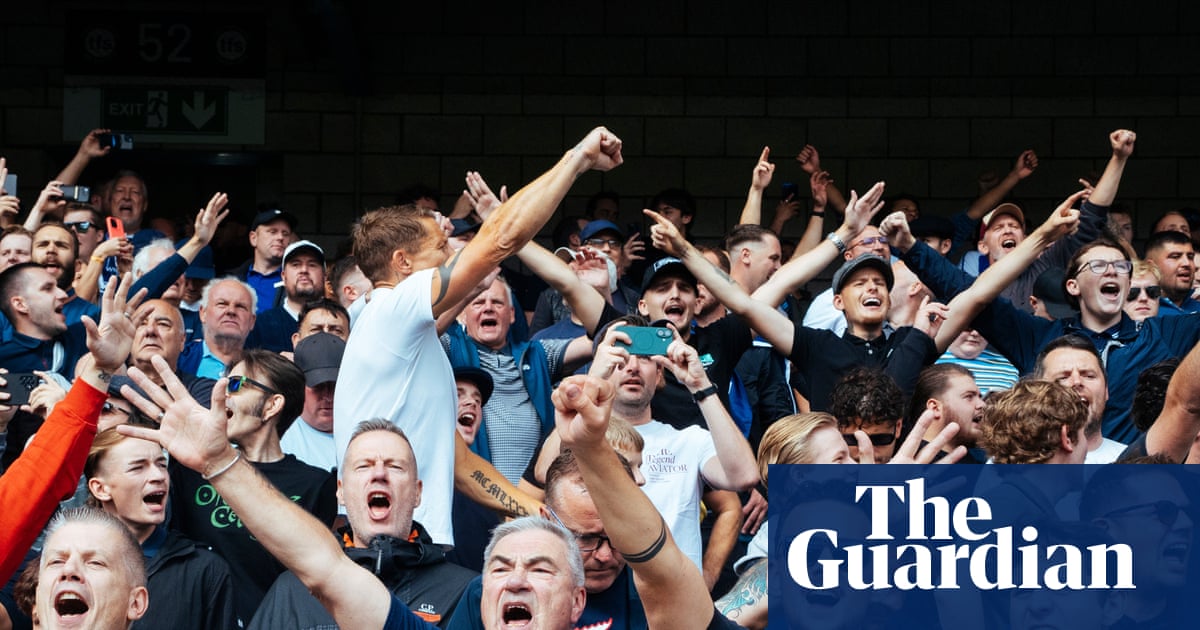
Millwall and West Ham met at the Den on Saturday for their 100th competitive match, the first in 14 years. The clubs were born from east London's docklands in the late 19th century.
Born from the docks
Millwall were known as the Dockers during their formative years, while West Ham's Irons nickname comes from Thames Ironworks and Shipbuilding Company. Both clubs emerged from precarious dock work that demanded toughness and loyalty.
Geography and distance
Before Millwall relocated south of the Thames to New Cross in 1910, both clubs were north of the river and only just over two miles apart. Now they are separated by the Thames but still connected by shared history.
The 1926 strike myth
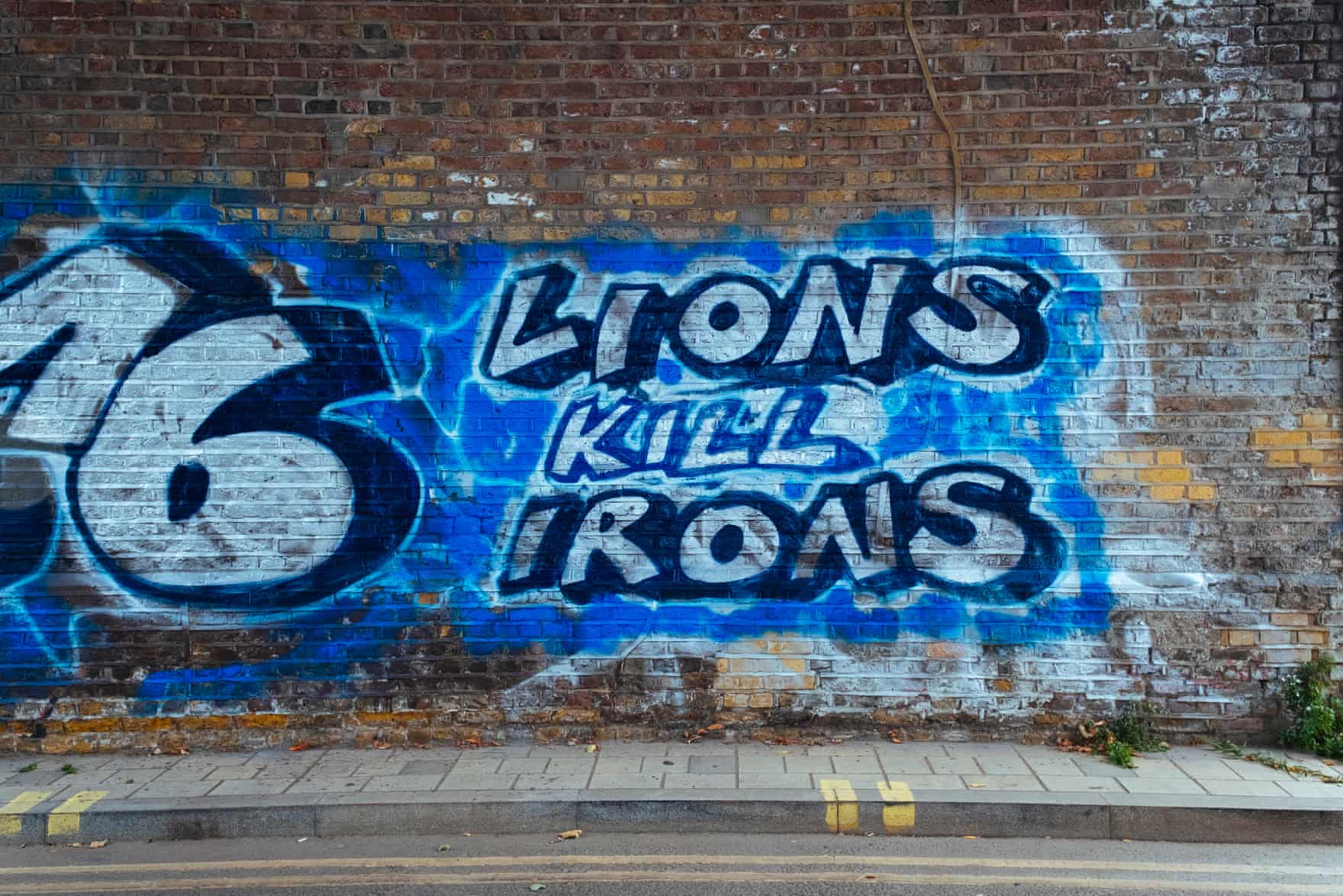
One enduring story claims the rivalry began during the General Strike of 1926, when West Ham dock workers supposedly supported the strike while Millwall workers did not. Historians dispute this version, but the story has survived for a century.
Rivalry intensified in the 1970s
Much of the hostility associated with the fixture developed during the 1970s. Serious disorder erupted at a testimonial in 1972, and in 1976 a Millwall supporter died after falling from a train, with some believing West Ham supporters were involved.
Industrial decline and football
London's docks were closing and traditional industries were shedding tens of thousands of jobs during the 1970s. Football offered a place where territory, masculinity and local pride could be asserted as the institutions providing those identities disappeared.
Violence and notoriety
The most notorious flashpoint came at Upton Park in 2009 during a League Cup tie, overshadowed by fighting, a stabbing and pitch invasions. Films like ID and Green Street reinforced both clubs' reputations for violence.
Policing Saturday's match
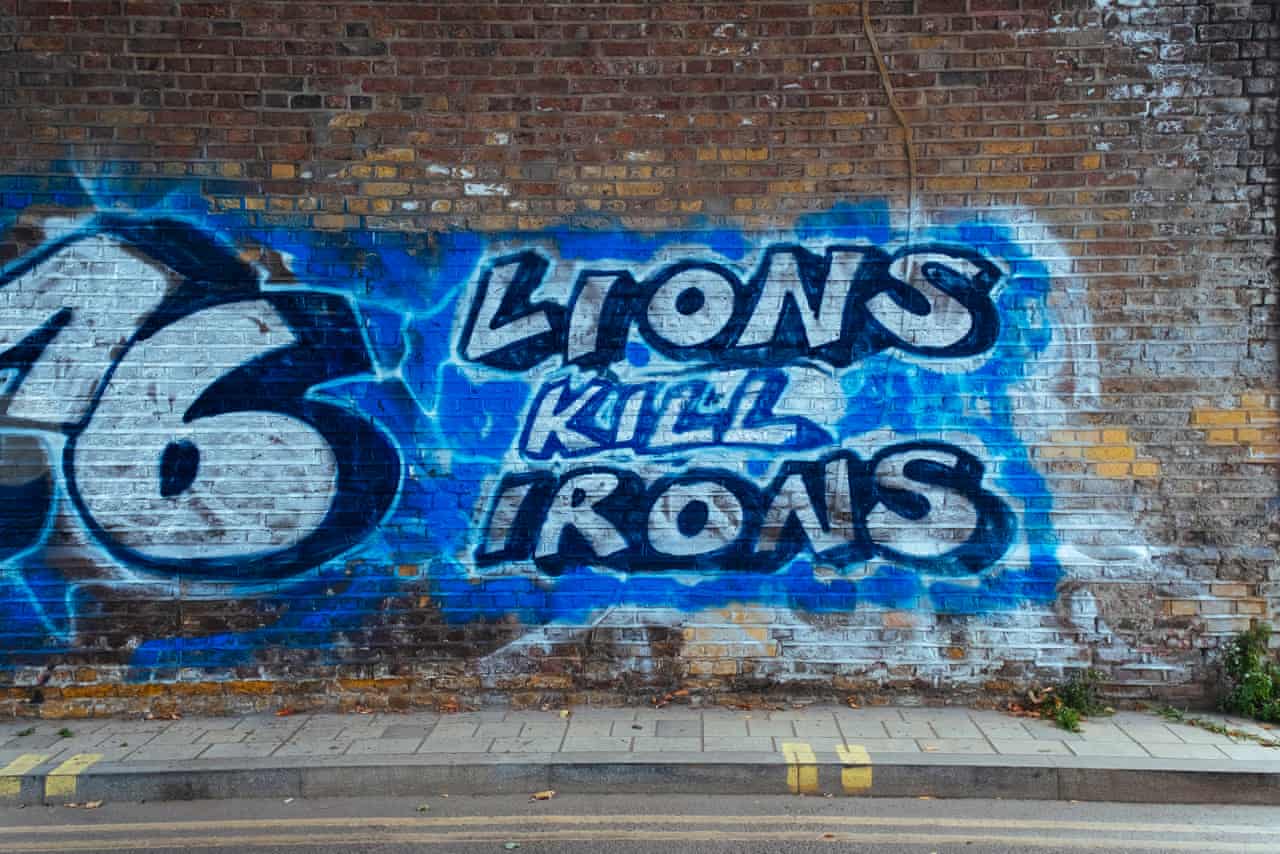
The game was broadcast live on ITV with kick-off moved to 12.30pm to limit pre-match drinking. An extensive police operation involving about 400 officers was deployed, and West Ham received just 1,774 tickets in a crowd of about 20,000.
The match unfolds
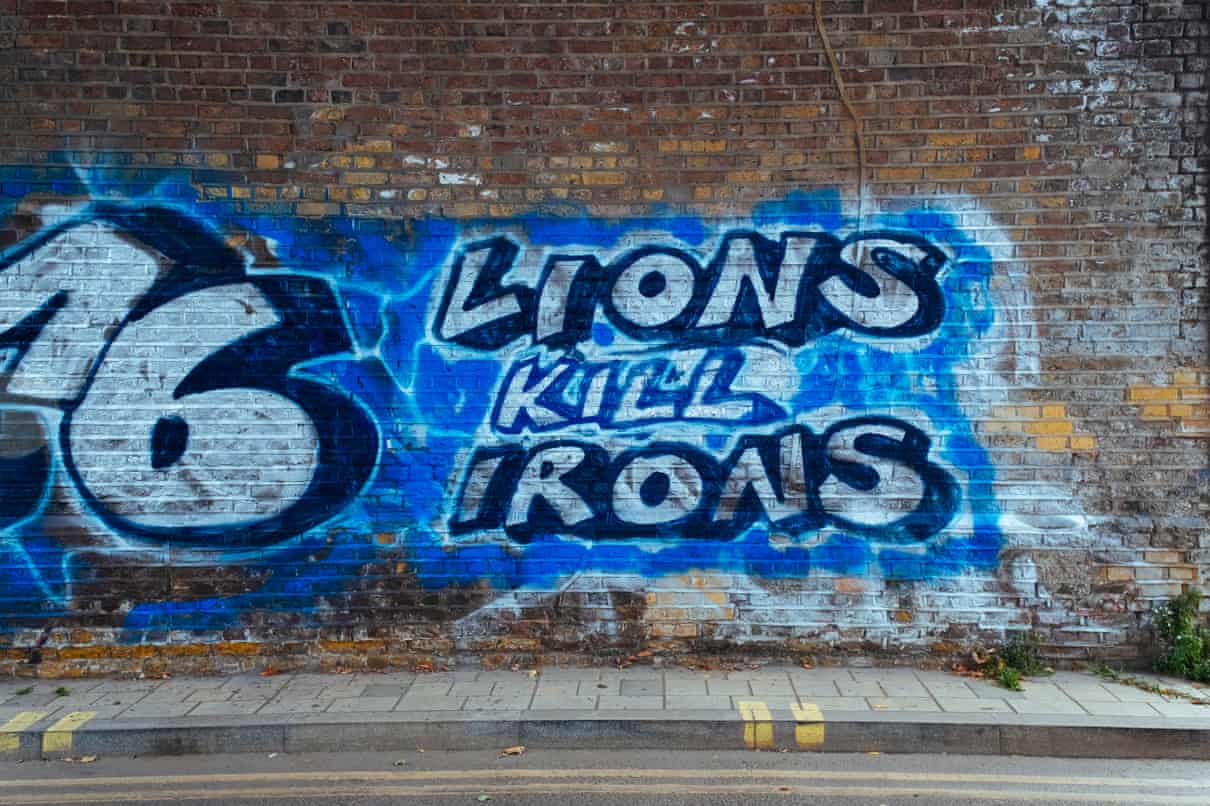
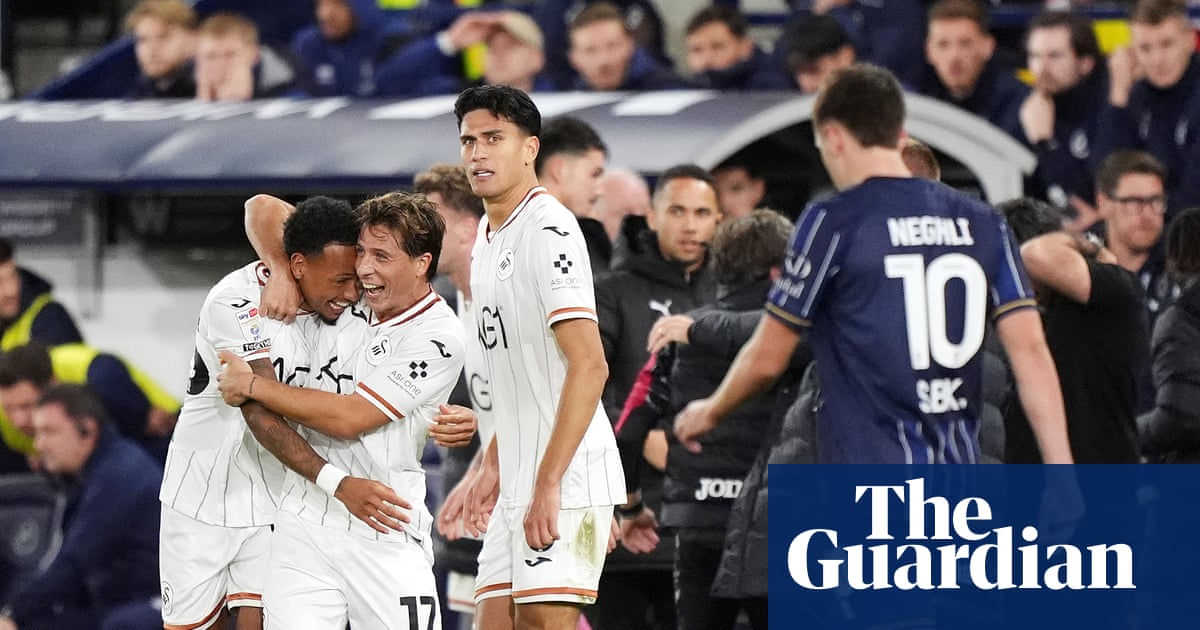
Millwall dominated the first half and led 2-0 at the break through goals from Caleb Taylor and Camiel Neghli. West Ham equalised with 10 minutes remaining, finishing 2-2 after Mohamadou Kanté was sent off in the 89th minute.
Crowd control moments
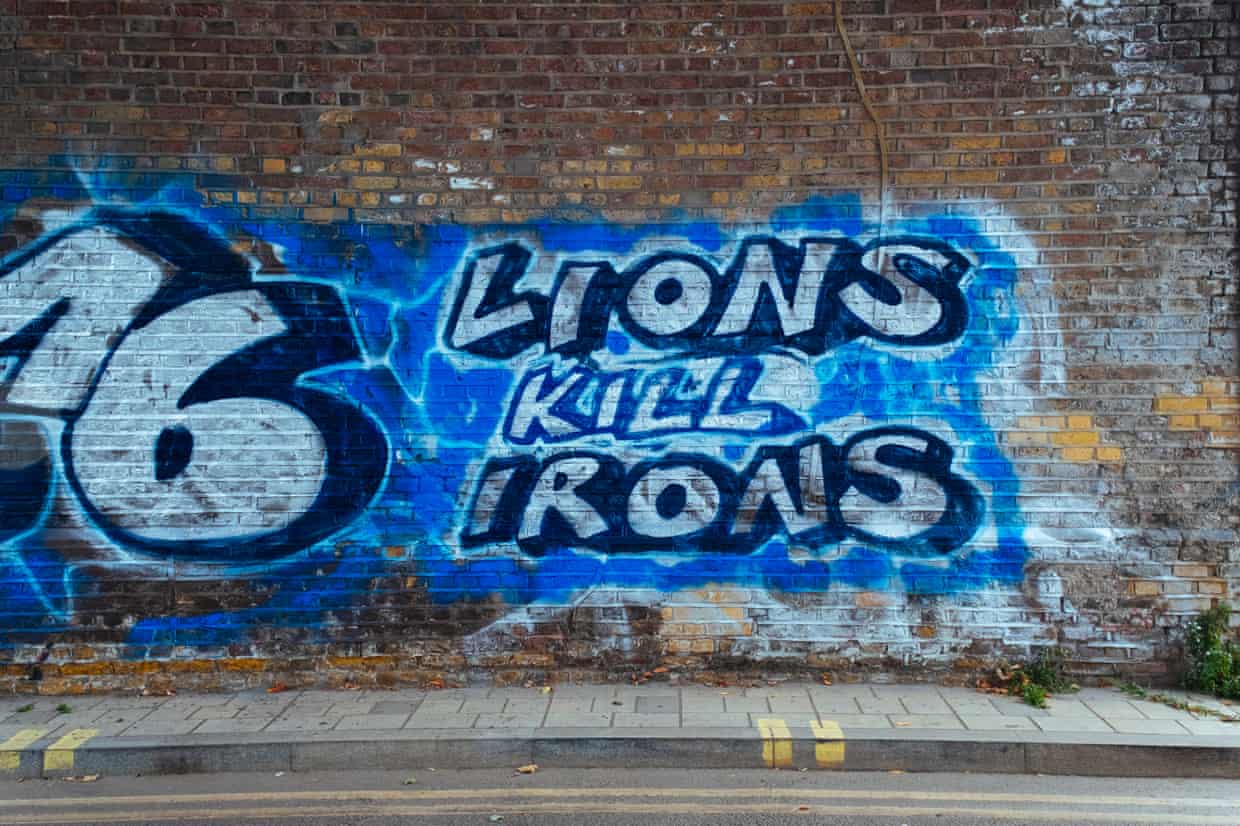
Each goal produced an explosive reaction from the stands, but the equaliser was the only point when the crowd appeared in danger of spilling over, requiring additional police support. Brief scuffles erupted outside afterwards but quickly subsided.
Shared identity, real animosity
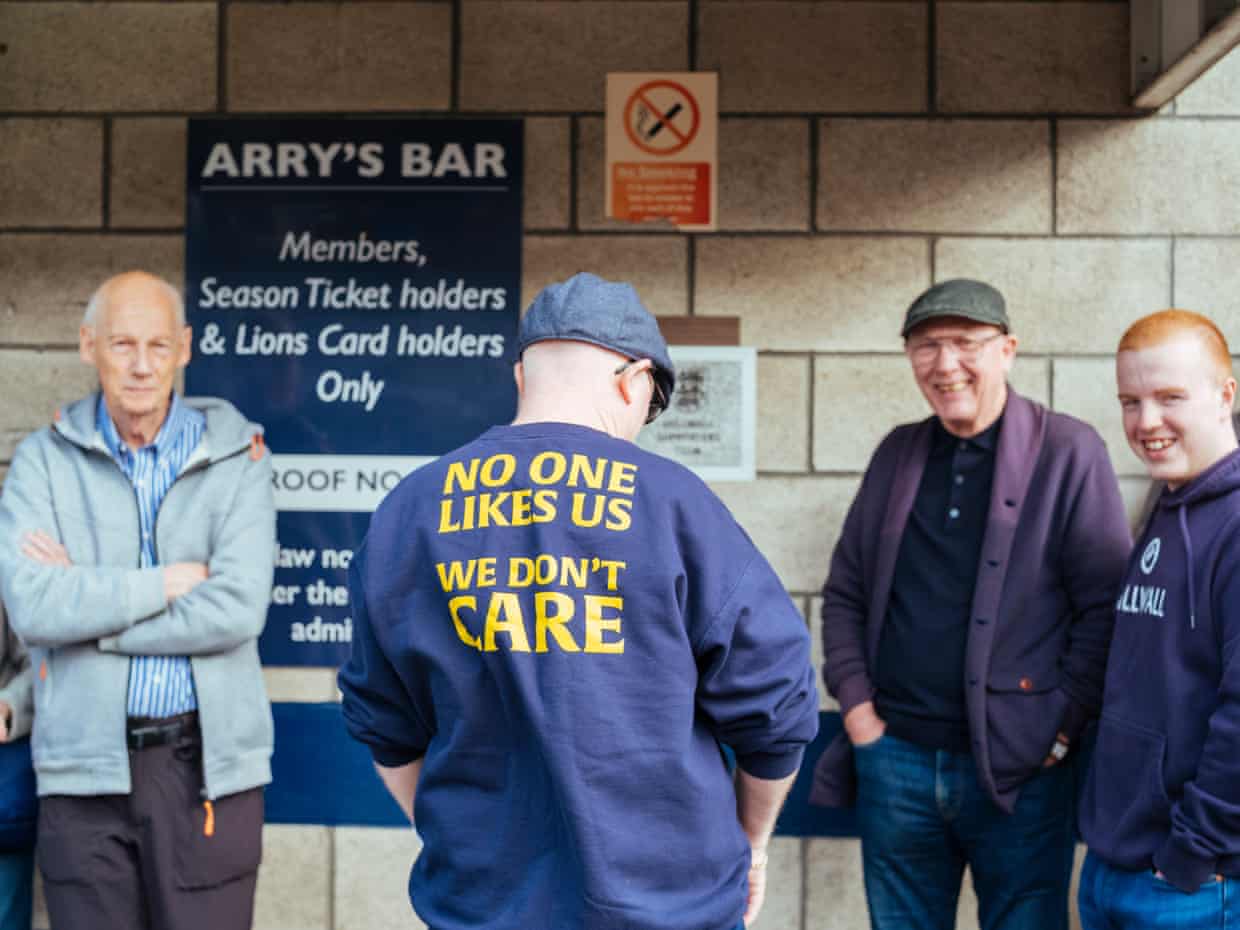
Many supporters have friends or relatives on the other side, and both clubs draw on working-class London values of toughness, loyalty and authenticity. Yet real animosity remains among sections of both fanbases competing to represent the same place.
A century of competition
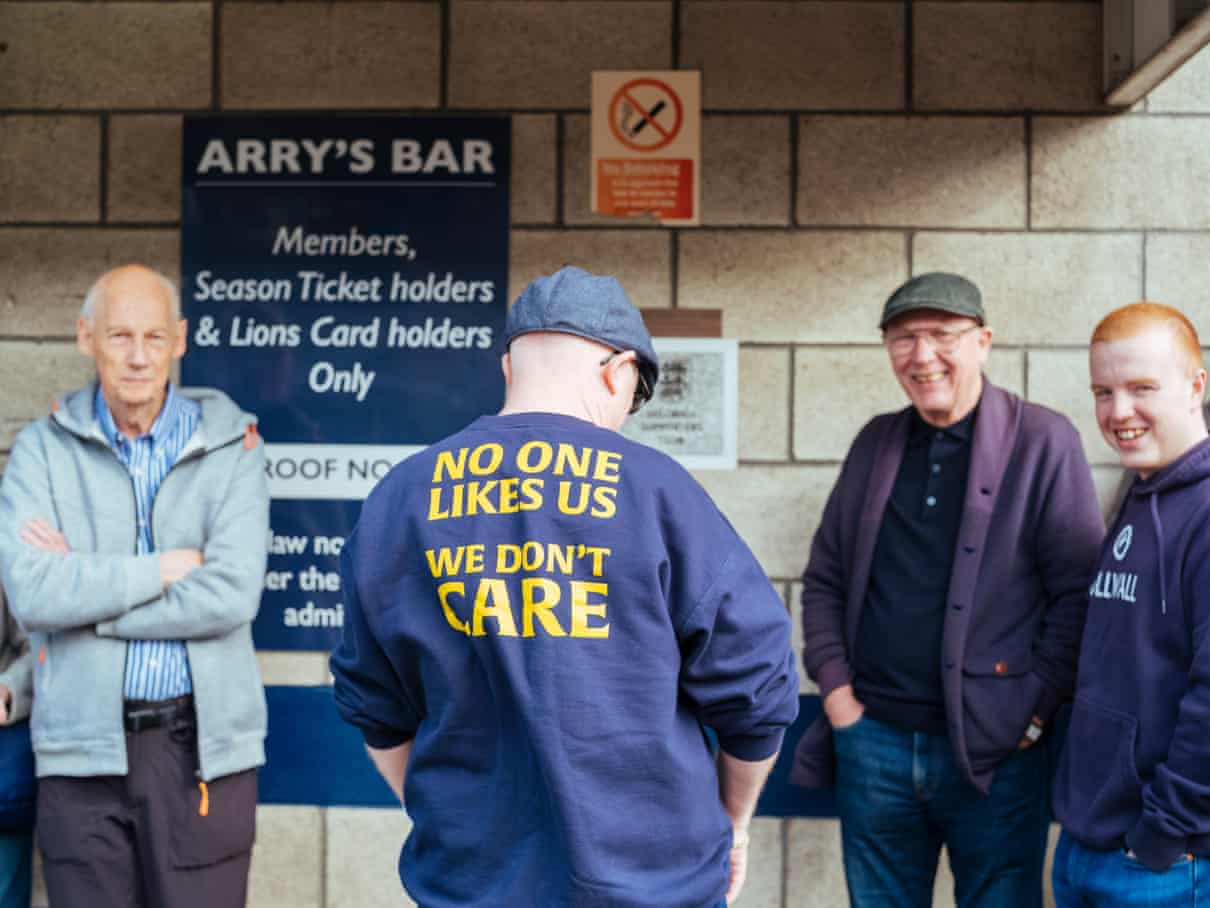
Millwall and West Ham have now played across three centuries. The docks that gave the fixture its name have largely disappeared and competitive meetings have become increasingly rare, yet the competition over what each club represents has survived.
What matters most
The Dockers Derby's intensity comes from two working-class clubs competing to represent the same place and identity, even as the docks that birthed them have disappeared.