From the Guardian · · 1m 40s
McLaren builds its first SUV for F1 fans with kids
The supercar maker bets racing glory can sell £200,000+ family vehicles to wealthy fans who've never owned its two-seaters.
In brief
The supercar maker bets racing glory can sell £200,000+ family vehicles to wealthy fans who've never owned its two-seaters. McLaren is launching its first SUV in 63 years, targeting Formula One fans who need more than two seats, as part of a £500m investment creating 1,000 jobs. Originally reported by the Guardian.
McLaren's first SUV in 63 years
The supercar maker is building an SUV for the first time, betting Formula One glamour can sell cars to wealthy fans who don't own its two-seaters.
£500m investment creates 1,000 jobs
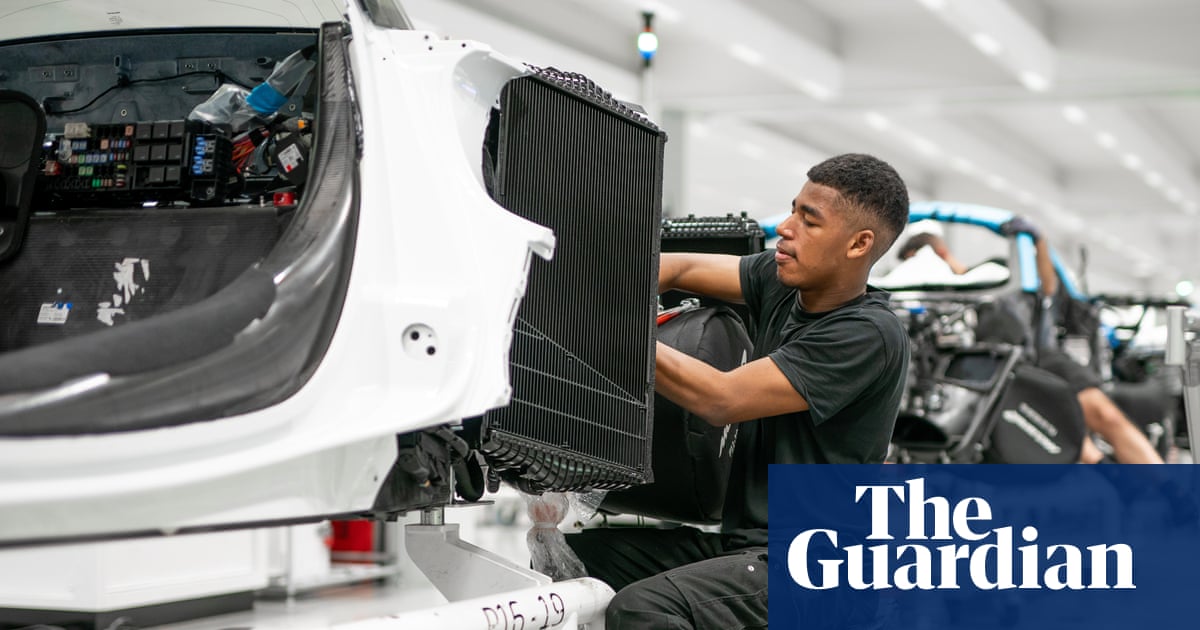
Abu Dhabi owner CYVN Holdings is investing £500m in McLaren, adding 1,000 jobs to the existing 2,500 workforce and funding a new factory.
Racing success creates untapped demand
McLaren's CEO says recent F1 victories created an "untapped love" for the brand among people who've never bought its cars but would consider an SUV.
“It's quite difficult if you have to decide which one of your kids you want to leave behind at home.”
No electric vehicles planned yet
Despite a 2035 zero-emission mandate, McLaren has no immediate EV plans. "Customers are not asking us, and we're not doing one," Collins said.
Sheffield likely for new factory
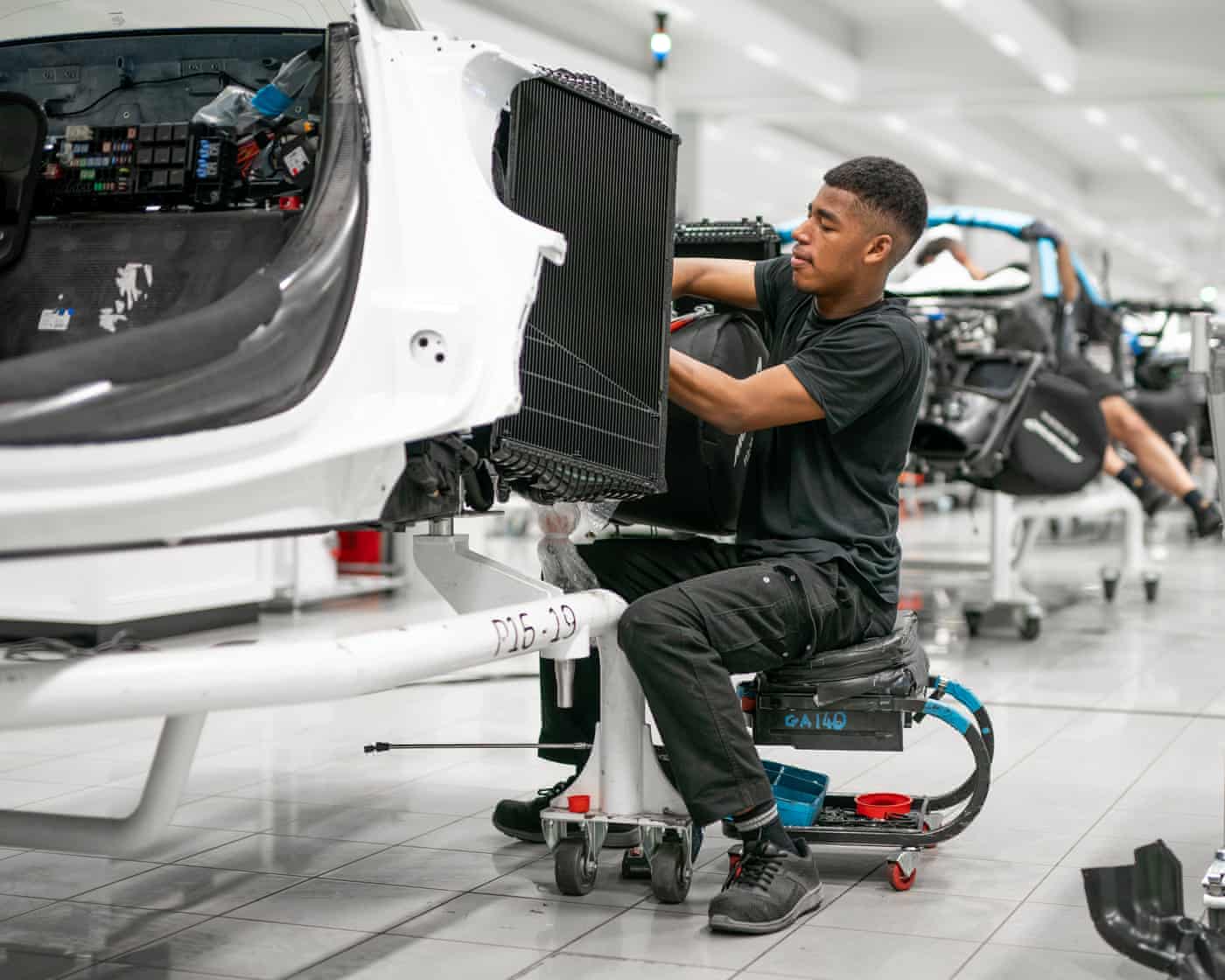
The new factory will probably be built in Sheffield, home to McLaren's carbon-fibre plant, rather than at headquarters in Woking.
Targeting £200,000+ luxury SUV market
The SUV will compete with Bentley Bentayga, Aston Martin DBX and Lamborghini Urus, all priced above £200,000. McLaren expects to double its 3,000 annual sales.
“I think the trick here is conquest of other brands' customers.”
Turnaround after years of struggle
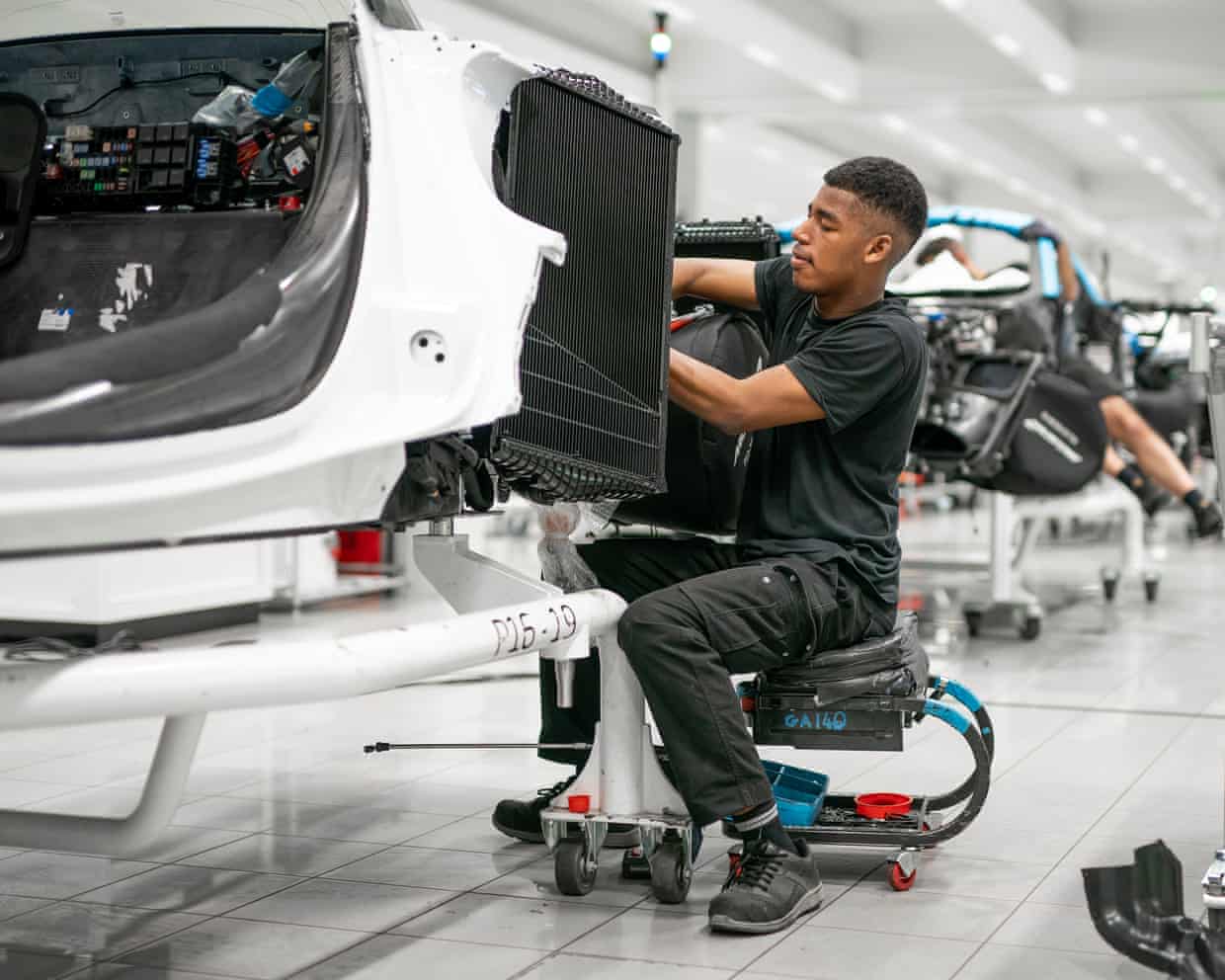
McLaren Automotive has faced mounting debts and falling sales. CYVN bought it from Bahrain's Mumtalakat last year, pledging $2bn over five years.
The main idea
McLaren is launching its first SUV in 63 years, targeting Formula One fans who need more than two seats, as part of a £500m investment creating 1,000 jobs.