From the Guardian · · 1m 30s
Microplastics in soil act as toxin delivery system
A five-year EU study found microplastics in every agricultural field tested, acting like a Trojan horse to spread pollutants and antibiotic-resistant genes through soil.
In brief
A five-year EU study found microplastics in every agricultural field tested, acting like a Trojan horse to spread pollutants and antibiotic-resistant genes through soil. Microplastics are now ubiquitous in European agricultural soils and amplify the harmful effects of other pollutants, requiring urgent policy action…
Microplastics found in every field tested

A five-year EU-funded study detected microplastics in all 227 agricultural fields across 11 European countries, revealing widespread soil contamination from current farming and historical land use.
“Microplastics in soil pose global threat by acting like 'Trojan horse' to deliver toxins”
Plastics act as Trojan horse for toxins
Microplastics create surfaces called the plastisphere where pollutants, pesticides, bacteria and metals accumulate, then spread through soil. Smaller particles absorb more contaminants.
“Trojan horse effect that can potentially increase the diffusion of pathogens and antibiotic-resistance genes”
Antibiotic resistance spreads in plastispheres
Microplastic surfaces showed increased antibiotic-resistant genes compared to normal soil. Pesticides made this effect even stronger, creating ideal conditions for dangerous bacteria to thrive.
Soil organisms and plants suffer damage
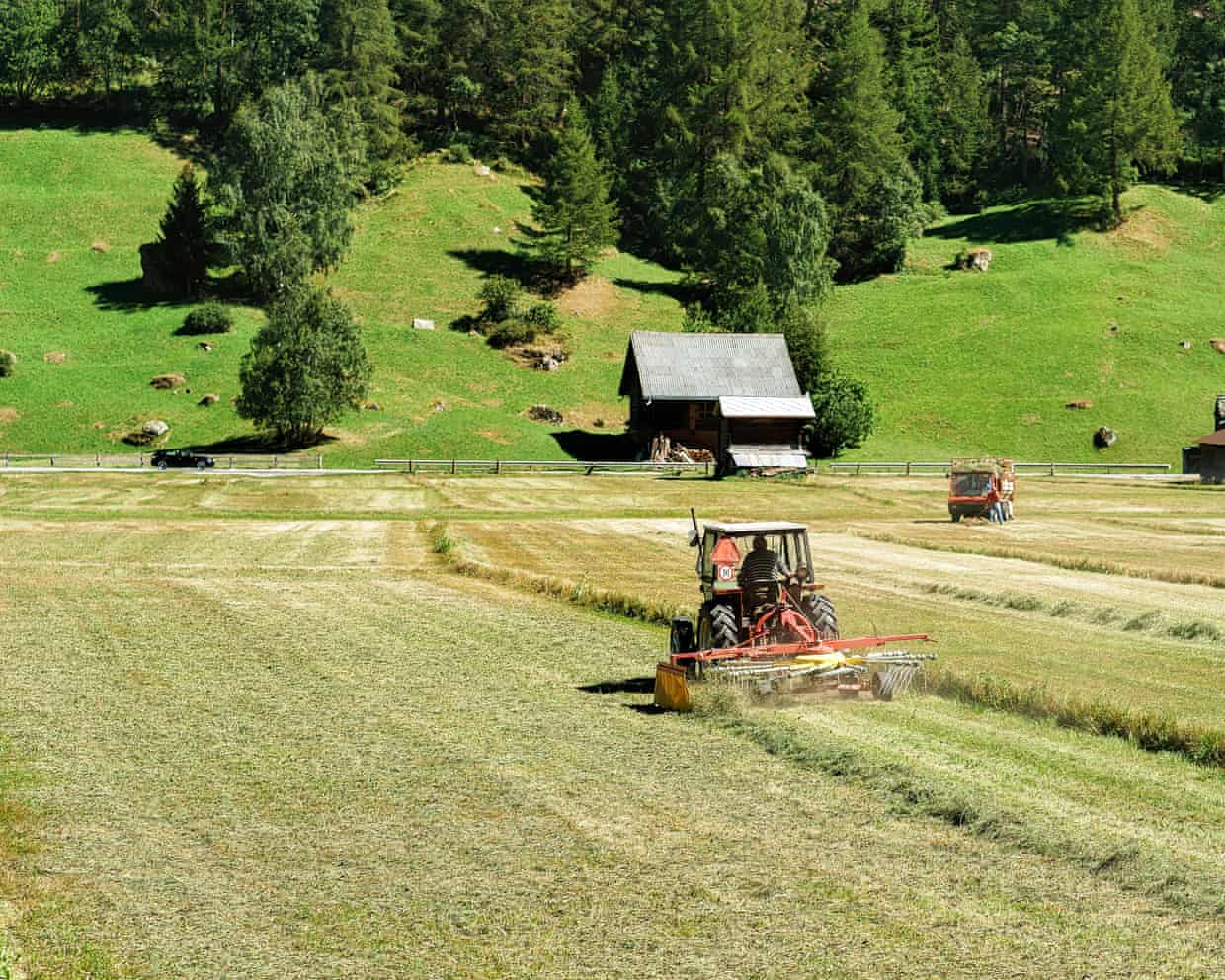
Microplastics disrupt earthworms and nutrient cycles critical to soil health. In lettuce, higher microplastic levels reduced leaf area, chlorophyll and photosynthetic efficiency, especially under drought stress.
Biodegradable plastics aren't the solution
Biodegradable plastics still fragment into microplastics in soil and can cause ecological damage. The study shows switching to biodegradable options alone won't prevent contamination.
Policy must address multiple pollutants together
Current environmental assessments treat pollutants separately, but microplastics interact with pesticides and other chemicals to cause greater harm. Urgent policy changes are needed for monitoring and regulation.
“Once these plastics fragment into the ground, they're practically impossible to remove”
What to remember
Microplastics are now ubiquitous in European agricultural soils and amplify the harmful effects of other pollutants, requiring urgent policy action to monitor and regulate plastic use.