From the Guardian · · 1m 50s
Most Australians with penicillin allergy label don't have one
New guidelines from immunologists aim to correct misdiagnosis affecting up to 2.8 million people and reduce unnecessary hospital stays.
In brief
New guidelines from immunologists aim to correct misdiagnosis affecting up to 2.8 million people and reduce unnecessary hospital stays. Up to ninety percent of Australians reporting penicillin allergy don't actually have one, prompting the Australasian Society of Clinical Immunology and Allergy to update guidelines…
The scale of misdiagnosis
Penicillin was thought to cause allergies in ten percent of Australians, about two point eight million people. But latest evidence shows up to ninety percent of those reporting allergy do not have one.
“up to 90% of those reporting a penicillin allergy do not have one”
Why misdiagnosis happens
Prof Michaela Lucas, a clinical immunologist, said misdiagnosis occurs when people experience a rash or nausea after taking penicillin and assume it's an allergy, or when doctors record side-effects as allergies to be cautious.
Childhood diagnoses carried forward
Some people were told by a parent they suffered a reaction as a child and carry that diagnosis into adulthood without questioning it. Some side-effects may also be due to illness itself, not the medicine.
Why penicillin matters
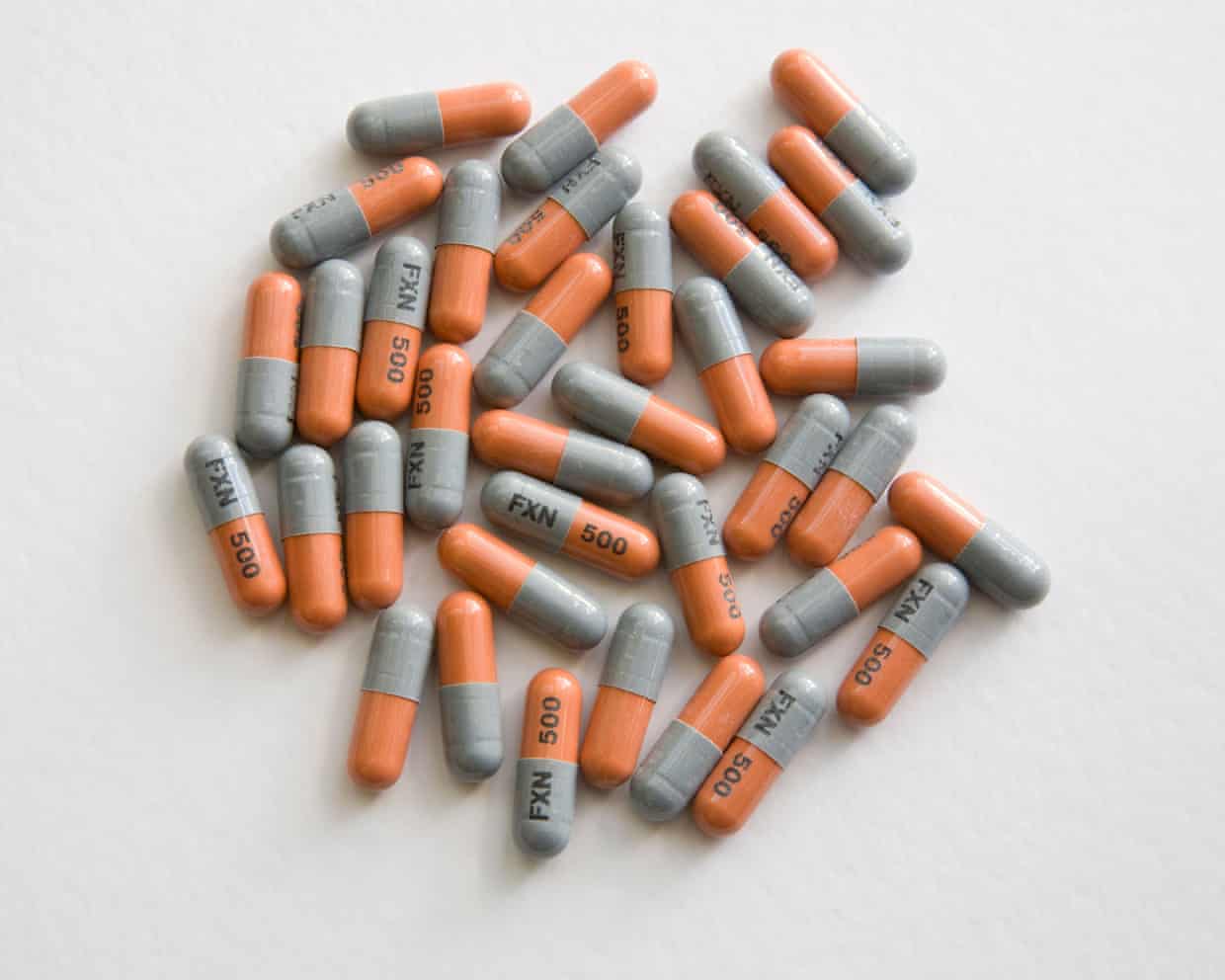
Penicillin is a narrow spectrum antibiotic targeted at the specific bug causing infection. Avoiding it forces use of broader spectrum antibiotics that kill good bacteria and allow superbugs to develop.
“Once you have to avoid narrow classes of drugs, you have to use broader spectrum antibiotics which have a bigger impact of your gut microbiome”
Antimicrobial resistance spreads
Prof Lucas said antimicrobial resistance matters beyond individual patients because resistant bacteria spread between people and communities. Serious resistant infections leave doctors with very limited treatment options.
“Antimicrobial resistance matters beyond the individual patient, because resistant bacteria can spread between people and through communities”
Hospital costs and system burden
Dr Nick Cooling, chair of the Royal Australian College of General Practitioners' allergy special interest group, said people with a penicillin allergy label go to hospital more, stay longer, and cost the system more.
“We know that people who have a penicillin allergy label go to hospital more. They spend longer in hospital, and they also cost the system more.”
New guidelines and next steps
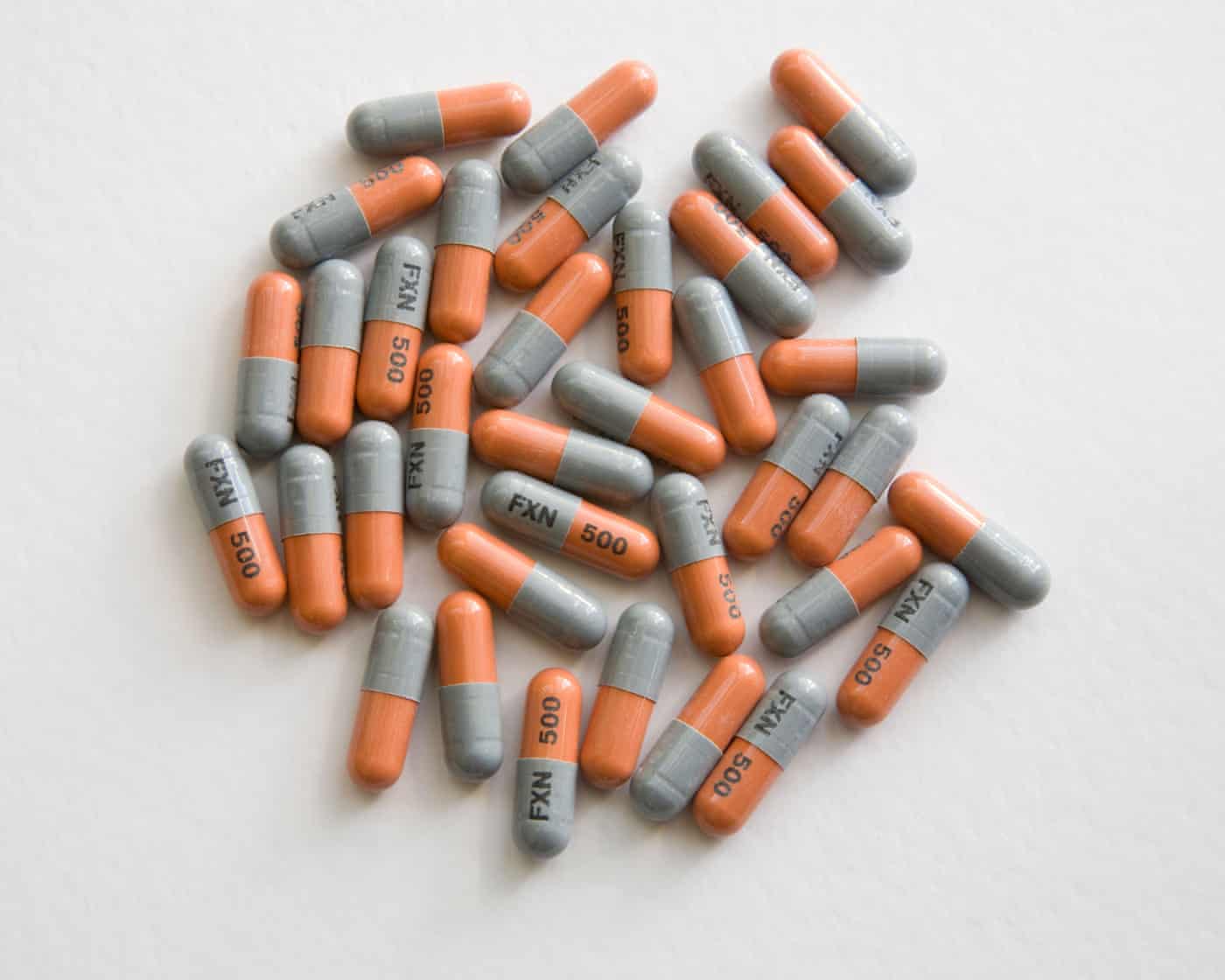
The Australasian Society of Clinical Immunology and Allergy published updated guidelines in the Journal of Allergy and Clinical Immunology.
In short
Up to ninety percent of Australians reporting penicillin allergy don't actually have one, prompting the Australasian Society of Clinical Immunology and Allergy to update guidelines for GPs and specialists.