From the Guardian · · 3m
Naga ancestors return home after 80 years
Oxford's Pitt Rivers Museum hands back 39 skeletal remains to India, opening a wider conversation about restitution of colonial-era artefacts.
In brief
Oxford's Pitt Rivers Museum hands back 39 skeletal remains to India, opening a wider conversation about restitution of colonial-era artefacts. Oxford's Pitt Rivers Museum returned 39 Naga skeletal remains to India after six years of negotiations, marking the first such repatriation to India and reigniting debate over…
Remains held for 80 years
For almost eighty years, human remains from Nagaland were displayed on glass shelves at Oxford's Pitt Rivers Museum, brought by British colonial administrators John Henry Hutton and James Philip Mills between nineteen ten and nineteen…
Museum returns 39 remains
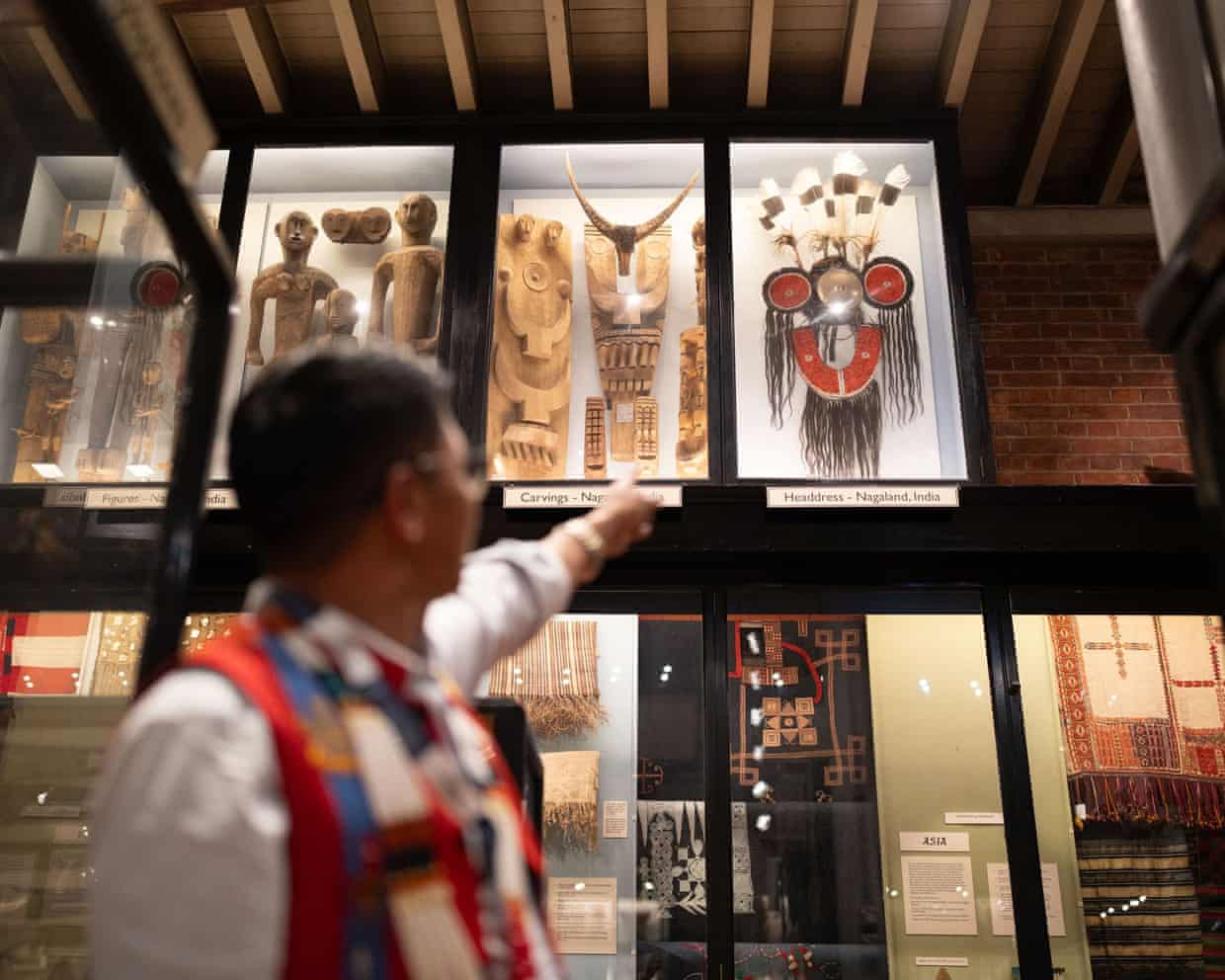
After six years of consultations and negotiations, the Pitt Rivers Museum handed custodianship of thirty-nine skeletal remains to a Naga delegation in early November.
First repatriation to India
This is the first such repatriation of human remains to India.Naga anthropologist Dolly Kikon contacted the museum in twenty twenty after reading that it was removing human remains from public display following an ethical review.
“This is the first such repatriation of human remains to India”
Museum acknowledges long journey
The museum's director, Laura Van Broekhoven, acknowledged that it has been a long journey, adding that hope is possible as the institution works towards reconciliation and healing.
“hope is possible as we work towards reconciliation and healing”
Ethical review of displays
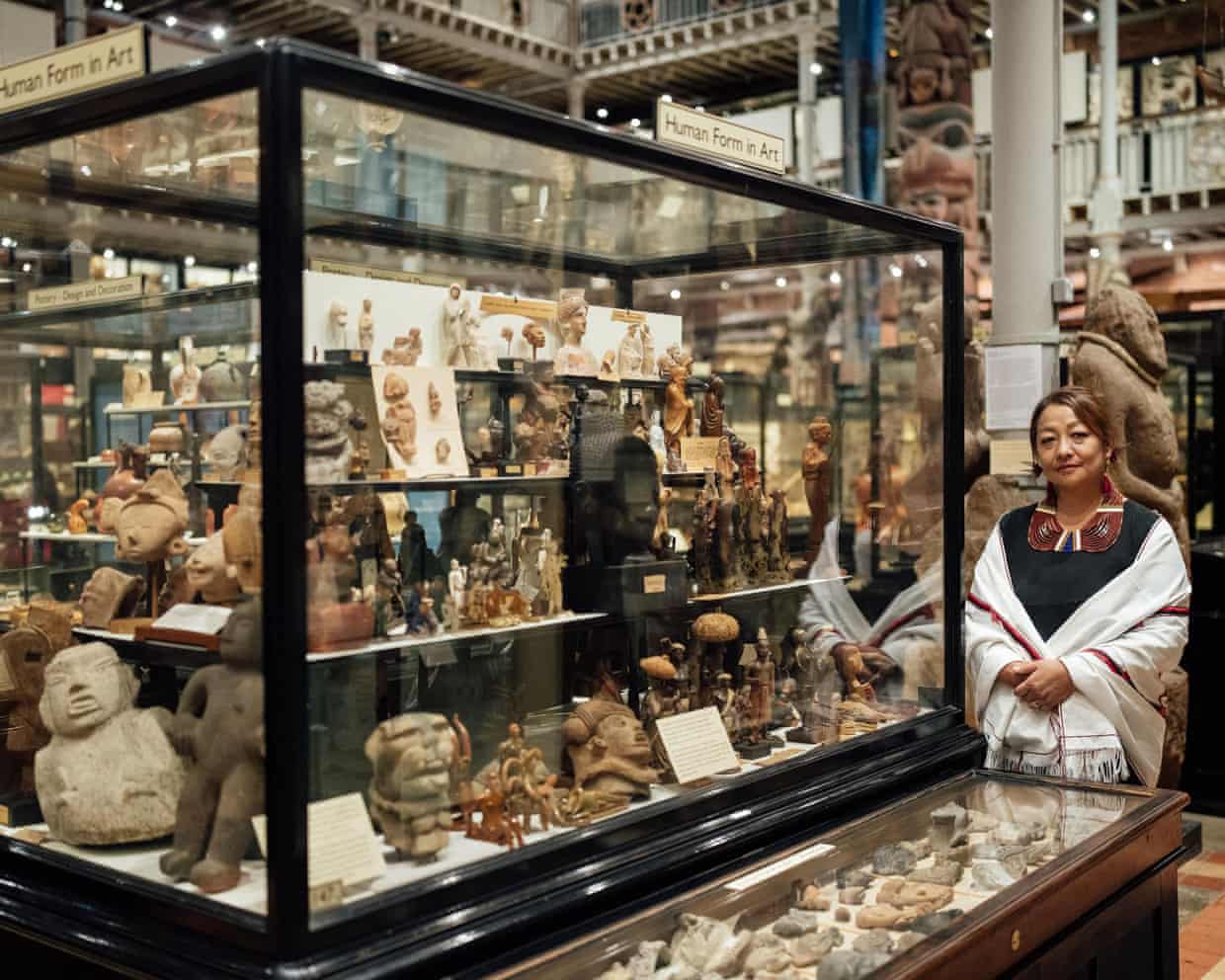
The repatriation followed a broader reassessment of the museum's display practices and how it presented human remains from communities worldwide. The museum acknowledged that displaying shrunken heads from the Shuar people reinforced racist stereotypes.
Challenging headhunting narrative
Naga academics challenged the perception that the remains were exclusively associated with headhunting. They say British collectors acquired Naga human remains under duress during colonial expeditions, not through traditional practices.
First step in broader restitution
Arkotong Longkumer, professor of anthropology at Edinburgh University, said the skeletal remains repatriation is only a first step in thinking more broadly about the Pitt Rivers Museum's extensive Naga collections.
Honouring ancestors
For the Naga community, repatriation is about the right to honour ancestors and give them a dignified resting place.It addresses deep colonial violence and the dehumanisation of storing human remains in museums as exotic objects.
“The Naga repatriation addresses a very deep colonial violence”
Reflection on shared history
Longkumer said understanding history is essential to imagining a shared future. Kikon reflected on the contradiction between Indians' reverence for Oxford and the institution's history of exhibiting their ancestors' remains.
“How we imagine a shared future depends on how we understand our history”
Remains buried in Kohima

The remains will be buried at Naga Solidarity Park in Kohima, the capital of Nagaland, completing the journey home after eighty years in Oxford.
What to remember
Oxford's Pitt Rivers Museum returned 39 Naga skeletal remains to India after six years of negotiations, marking the first such repatriation to India and reigniting debate over colonial-era artefacts held in Western museums.
Read the TL;DR — this story on one card.