From the Guardian · · 1m 10s
NASA Telescope Re-Enters Earth's Atmosphere
NASA's Neil Gehrels Swift Observatory, launched in 2004, is expected to burn up in Earth's atmosphere Wednesday after a failed rescue mission.
In brief
NASA's Neil Gehrels Swift Observatory, launched in 2004, is expected to burn up in Earth's atmosphere Wednesday after a failed rescue mission. NASA's Neil Gehrels Swift Observatory will re-enter Earth's atmosphere Wednesday, burning up after two decades of cosmic gamma-ray burst observations. Originally reported by…
Neil Gehrels Swift Observatory
NASA's Neil Gehrels Swift Observatory, launched in 2004, is expected to re-enter Earth's atmosphere Wednesday, burning up in the process.
Failed Rescue Mission
The satellite, designed for two years of operation, can no longer steer or observe and will re-enter uncontrolled.
Re-Entry Timeline

NASA predicts the 3,200lb spacecraft will hit the atmosphere at 3:30am ET on November 4, 2026.
Surviving Fragments
Most of the spacecraft will burn up, but surviving fragments may land between 20.6 degrees south and 20.6 degrees north latitude.
Risk Assessment
The risk of harm to anyone on Earth is approximately 1 in 2,100, according to NASA.
Gamma-Ray Burst Observations
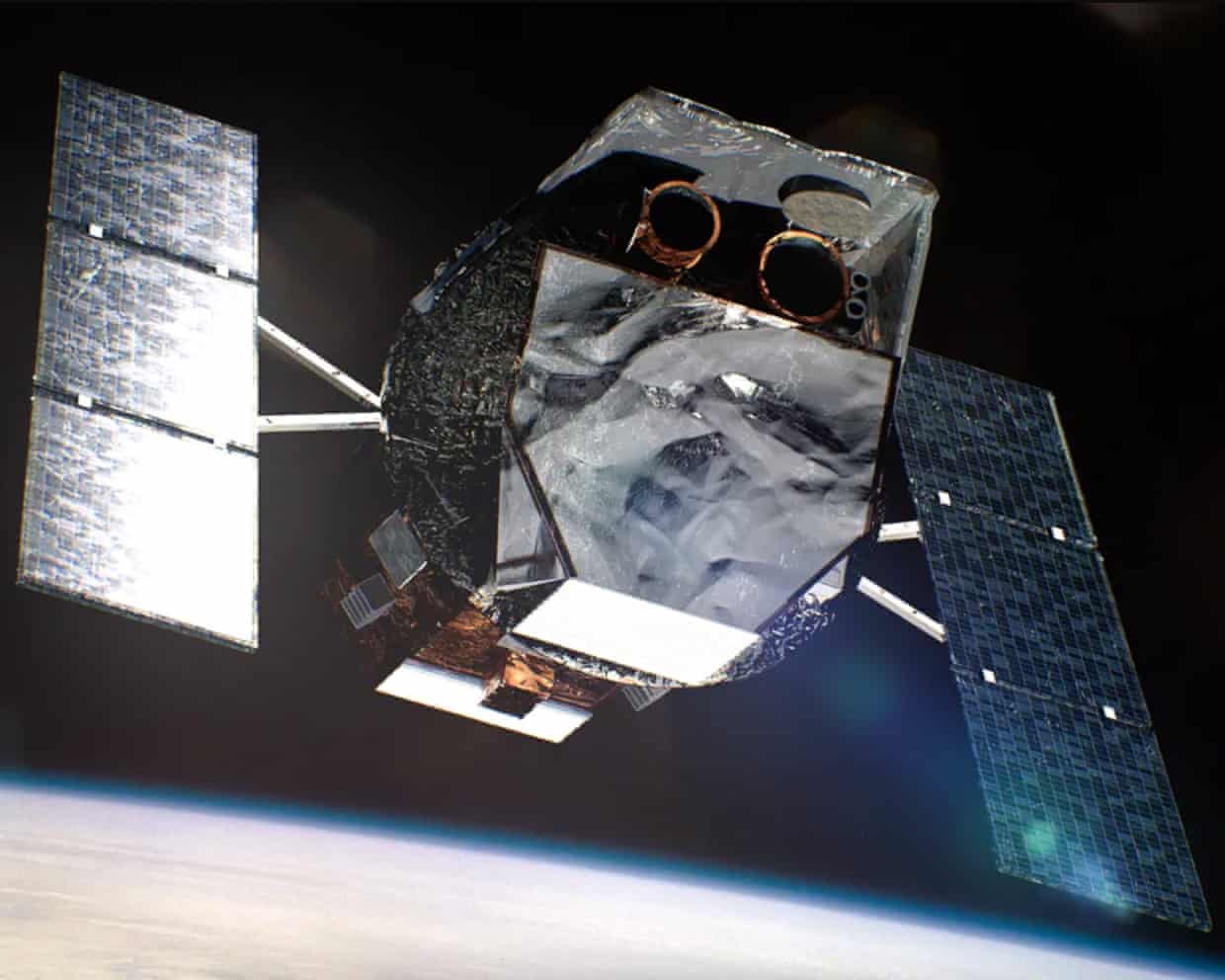
The observatory detected over 2,000 gamma-ray bursts since its launch, the most powerful cosmic explosions since the big bang.
Tidal Disruption Event
Swift observed a wandering black hole shredding a star, a rare event occurring once every 100,000 years.
What matters most
NASA's Neil Gehrels Swift Observatory will re-enter Earth's atmosphere Wednesday, burning up after two decades of cosmic gamma-ray burst observations.