From the Guardian · · 3m
Oil slicks from space reveal Gulf war's environmental toll
Hundreds of oil spills from tanker attacks since February have contaminated the strait of Hormuz, threatening marine life and ecosystems that may take decades to recover.
In brief
Hundreds of oil spills from tanker attacks since February have contaminated the strait of Hormuz, threatening marine life and ecosystems that may take decades to recover. Since the US war on Iran began in February, over five hundred oil spills have spread across the Gulf, posing what experts call a generational threat…
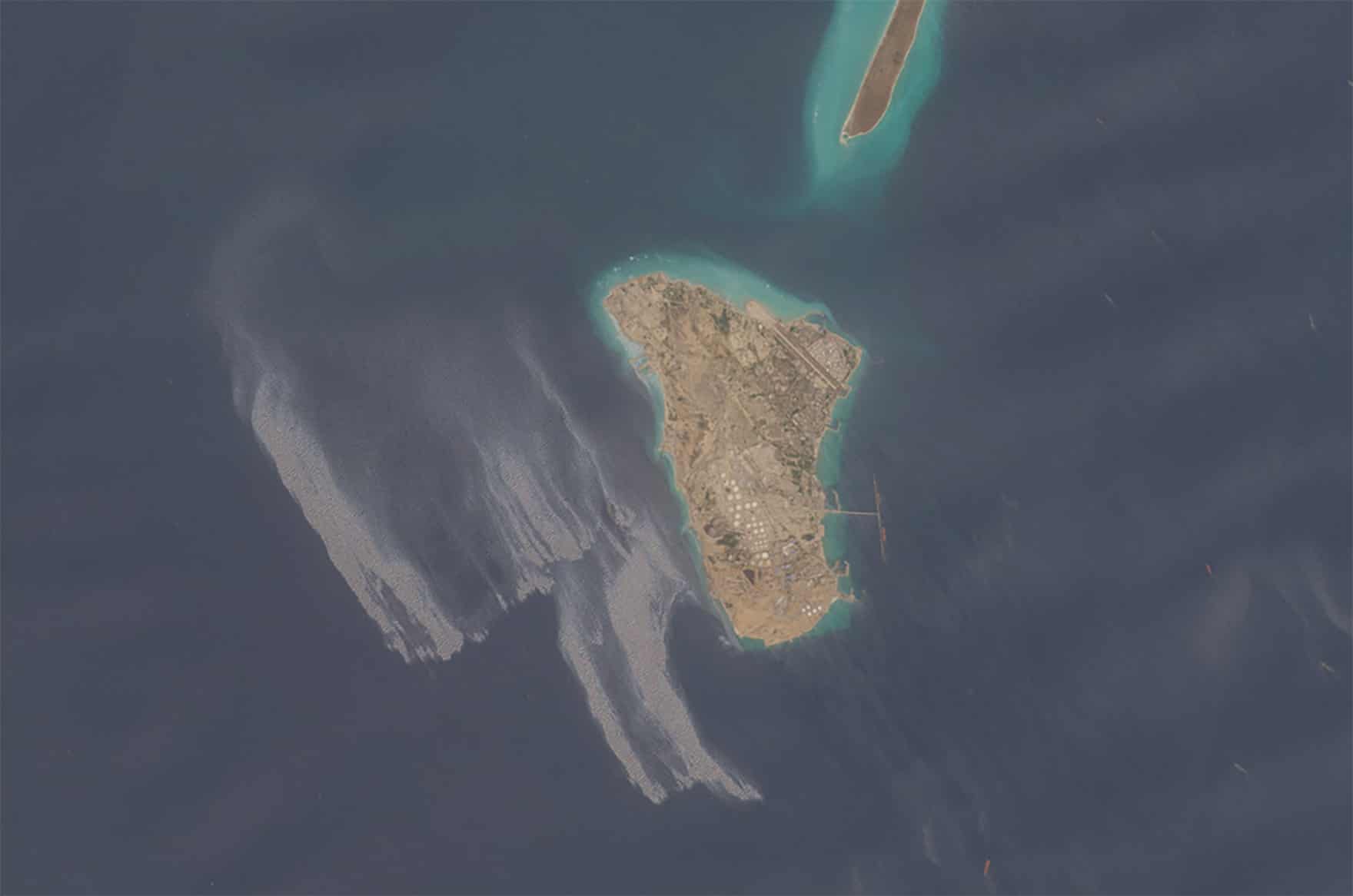
Dark slicks visible from orbit
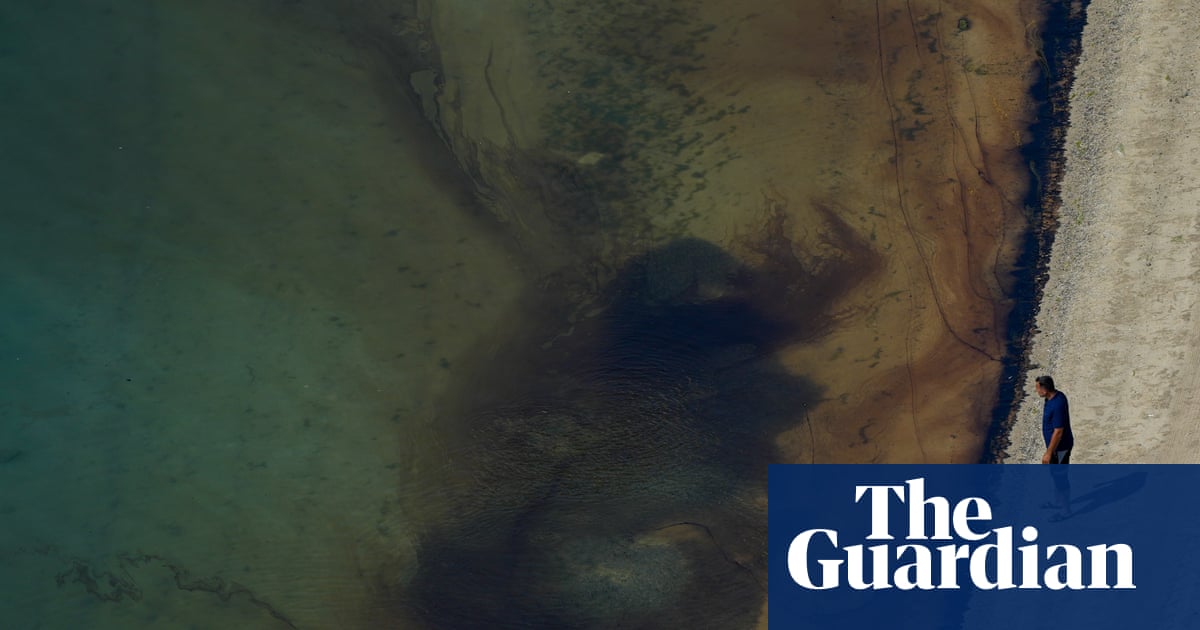
Throughout October, oil tankers struck by missiles or sea mines in the strait of Hormuz spilled crude into the sea. The dark slicks are visible from space.
War turns shipping route into battlefield
Eight months into the war between the US and Iran, one of the world's busiest oil shipping routes has become a battlefield and the centre of a growing environmental disaster.
Fragile ecosystems under threat
The strait of Hormuz is home to coral reefs, mangrove forests and seagrass meadows that support dolphins, sea turtles and countless fish species. Even in peacetime, these ecosystems face mounting pressure.
Oil damages wildlife in multiple ways
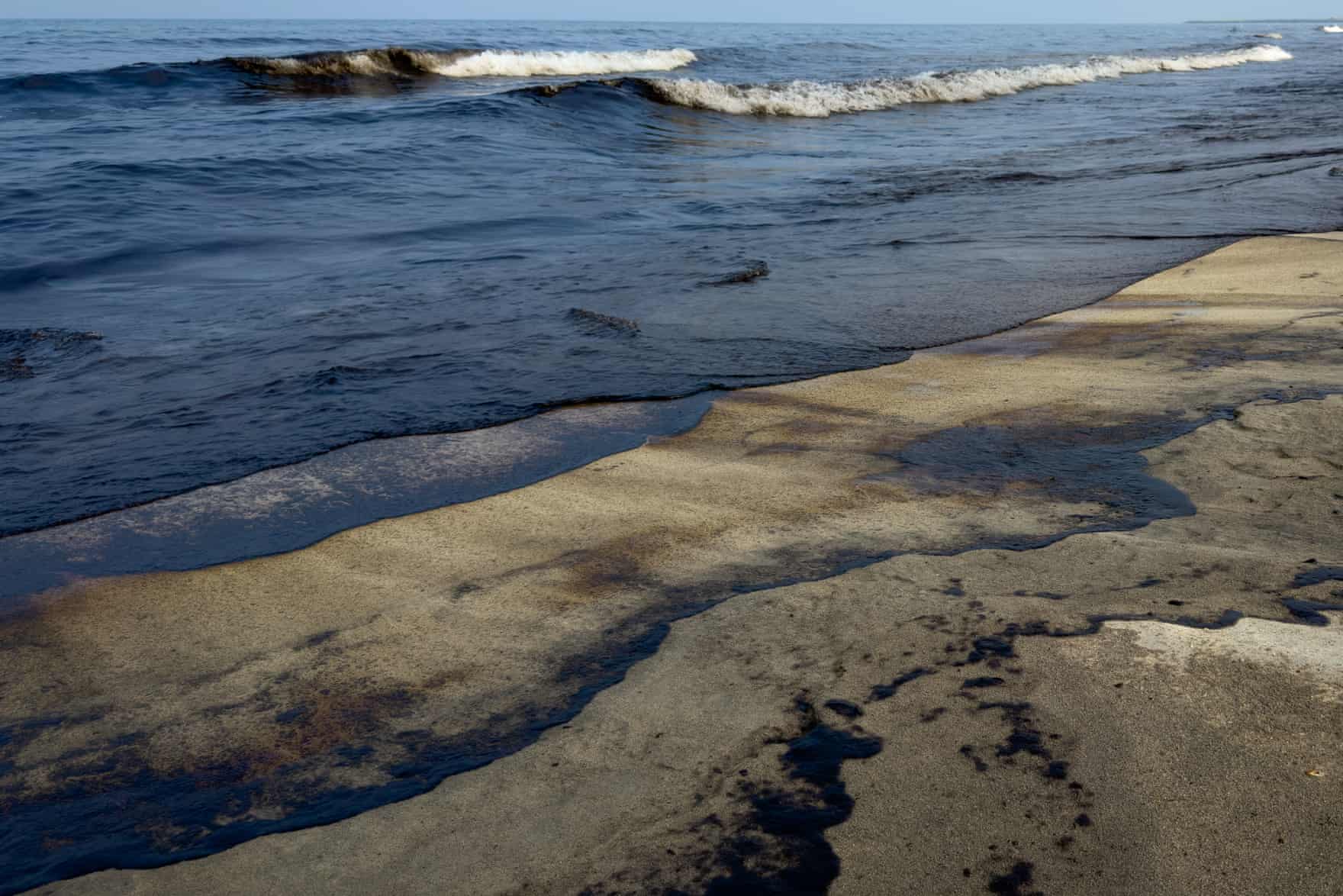
Oil can coat birds' feathers, making it difficult for them to float and find food. It can cover mangrove roots, preventing the trees from absorbing oxygen and potentially killing them.
Gulf's shallow waters amplify heat damage
Bernhard Riegl, a marine biologist at Nova Southeastern University who has studied the Gulf for more than thirty years, warned that the war could cause lasting damage to its confined waters.
“There is no such thing as a 'clean war'. Not for the unlucky humans that are drawn into it, nor for the unlucky environment in which the conflict takes place.”
Five hundred spills mapped by satellite
Since the war began on twenty-eight February, Greenpeace has identified more than five hundred instances of oil spills through satellite monitoring across the Gulf, the strait of Hormuz and the Arabian Sea.
Spills cover area almost the size of Wales
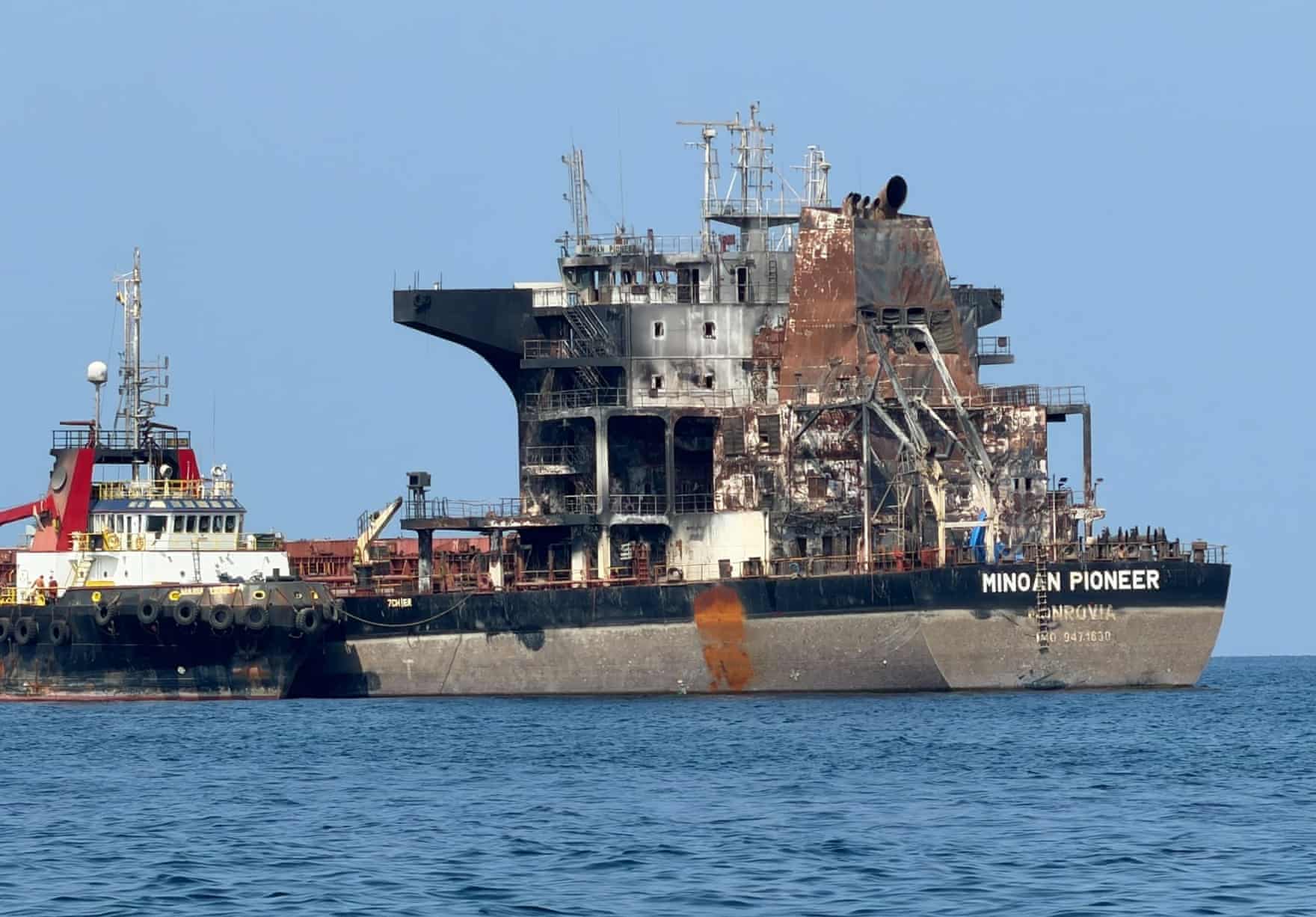
Adding together the daily mapped footprints of the spills gives a cumulative total of approximately twenty thousand square kilometres, almost the size of Wales, said Nina Noelle, a Greenpeace expert.
October saw worst month of attacks
More than one hundred thirty-three attacks on oil tankers have taken place since the conflict began. October was the worst month, with more than thirty confirmed or reported attacks in the strait.
Gem No two leaves massive slick
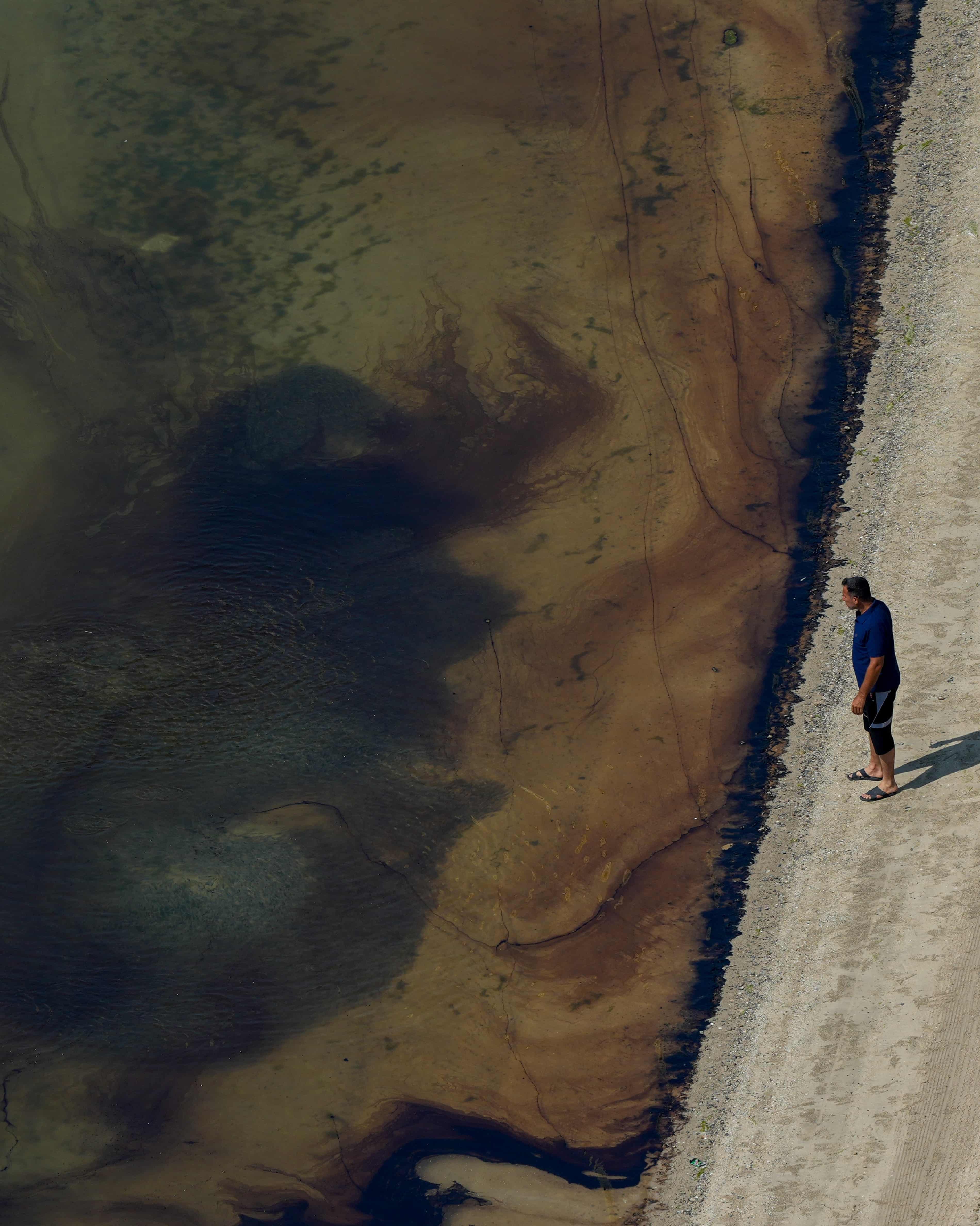
A strike on the supertanker Gem No two off the coast of the United Arab Emirates left a slick stretching more than twenty-one miles, or thirty-five kilometres.
Protected areas contaminated by oil
Oil pollution has reached several coastlines. In March, a slick from the Shahid Bagheri was detected near the Hara mangroves. In April, pollution threatened the protected Shidvar Island, home to coral reefs, seabirds and turtles.
Damage may persist for decades
Oil could remain trapped in sediments, shorelines and mangrove roots long after slicks disappear, damaging marine food chains and threatening coastal communities dependent on fishing, said Nina Noelle.
Past wars show lasting environmental scars
A two thousand twenty study traced widespread deposits of tar on Qatari beaches to the Gulf war.
Effects of pollution last generations
Bernhard Riegl warned that sea turtles laying eggs will encounter contaminated strata, and burrowing organisms will bring contaminated material to the surface. The effects of large-scale oil pollution remain detectable for decades.
“Clearly, the effects of large-scale oil pollution remain detectable for decades, so this is a generational problem. We could really lose something irreplaceable.”
What matters most
Since the US war on Iran began in February, over five hundred oil spills have spread across the Gulf, posing what experts call a generational threat to fragile marine ecosystems.