From the Guardian · · 1m 40s
Police facial recognition risks wrongful arrests of minorities
A police watchdog warns that facial recognition errors disproportionately affect ethnic minorities, with some officers treating algorithm matches as evidence rather than leads.
In brief
A police watchdog warns that facial recognition errors disproportionately affect ethnic minorities, with some officers treating algorithm matches as evidence rather than leads. His Majesty's Inspectorate of Constabulary found facial recognition systems have algorithmic bias against ethnic minorities and officers often…
Watchdog finds bias in facial recognition
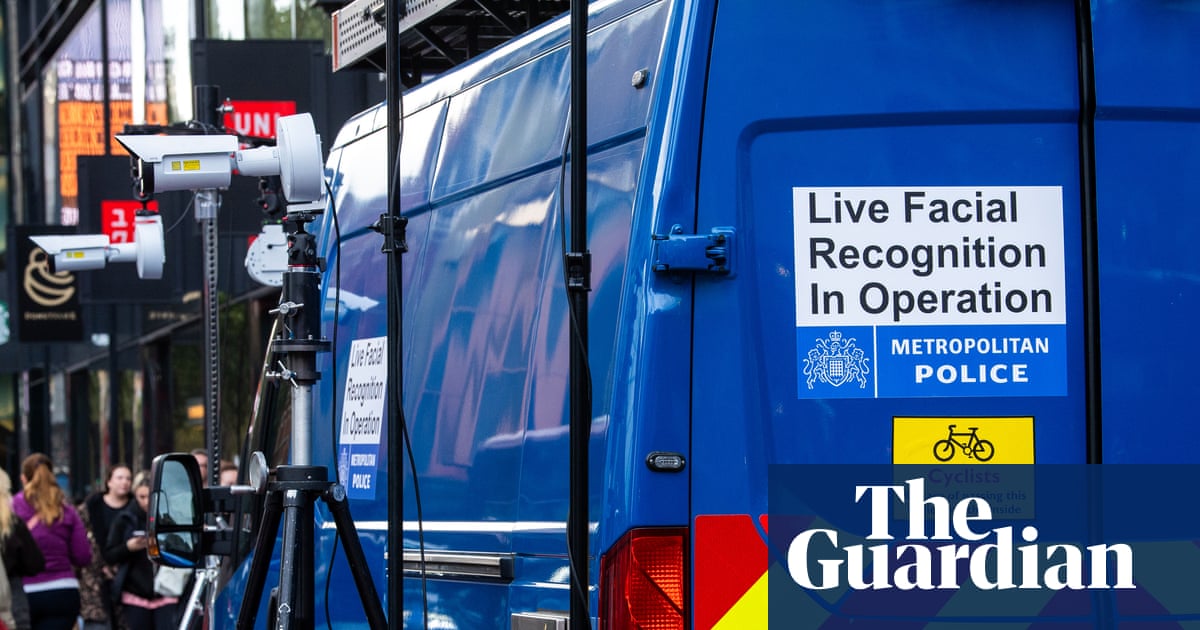
His Majesty's Inspectorate of Constabulary published a report on Wednesday finding bias in retrospective facial recognition algorithms that wrongly flags ethnic minorities as suspects.
Officers treat matches as evidence
Some investigators did not know that retrospective facial recognition results were intelligence rather than evidence and required further enquiries before officers took enforcement action.
“Some investigators didn't know that RFR results were intelligence rather than evidence and required further enquiries before officers took enforcement action.”
Insufficient checks before arrest
The report found some investigators did not carry out enough corroborative enquiries before acting on potential matches, with officers relying too heavily on results in some cases.
“We found that some investigators didn't always carry out enough corroborative enquiries before acting on potential matches.”
Poor image quality reduces accuracy
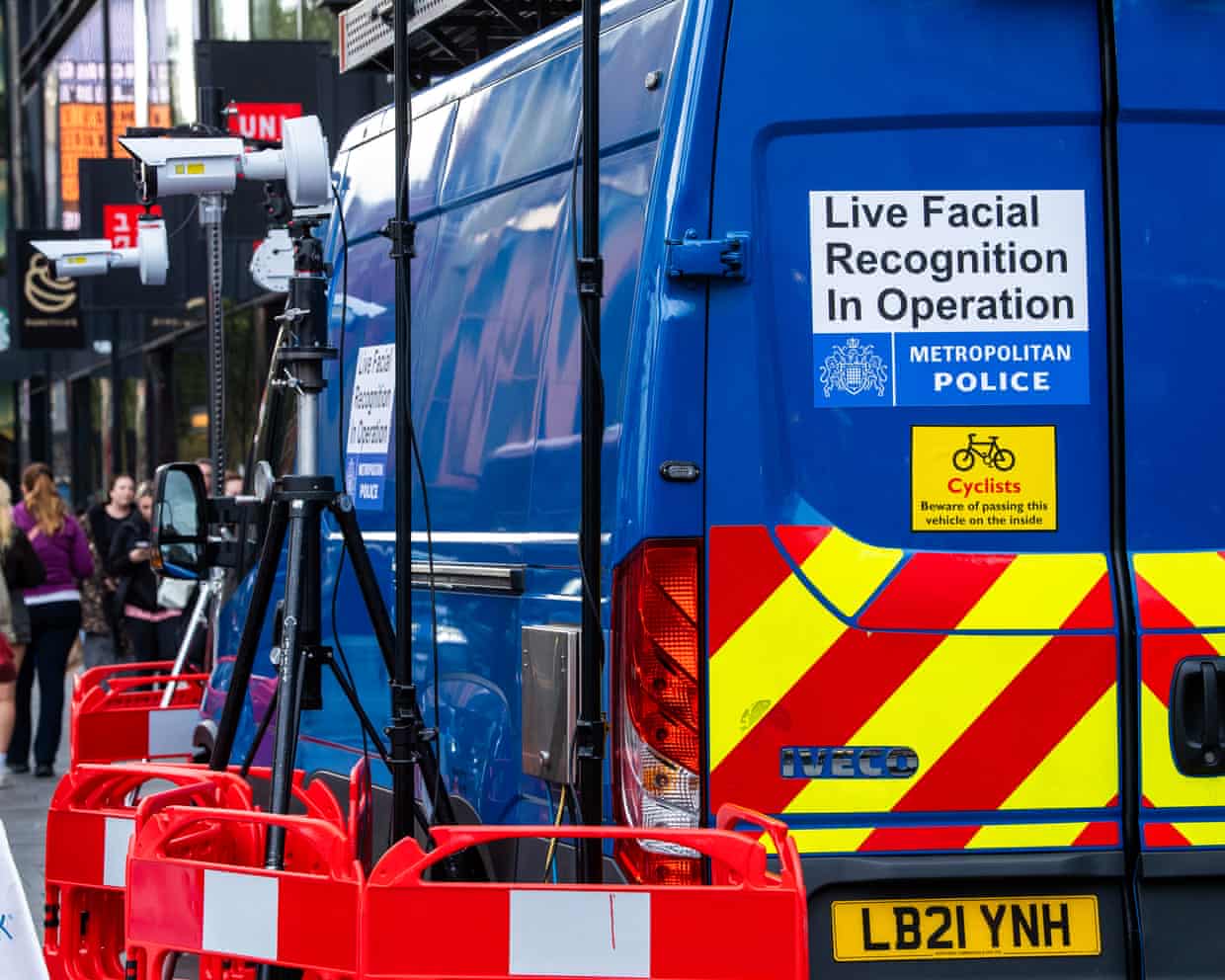
Auditors identified cases where users uploaded poor-quality or unsuitable probe images, including blurred images and images containing multiple faces, reducing system reliability.
Custody images unlawfully retained
Inspectors found a risk to public confidence because custody images that should have been deleted were in fact kept, and no comprehensive statutory framework governs facial recognition use.
Big Brother Watch warns of danger
Jasleen Chaggar from Big Brother Watch said officers treating facial recognition as evidence rather than probability scores significantly increases risk of wrongful arrest for crimes in towns suspects never visited.
“The revelations that officers are treating facial recognition as bona fide evidence rather than a probability score is alarming.”
Stronger safeguards and oversight needed
His Majesty's Inspector Kathryn Stone said a clearer statutory framework, stronger national standards and improved governance and oversight arrangements are essential to maintaining public confidence.
“A clearer statutory framework, stronger national standards and improved governance and oversight arrangements are essential to maintaining public confidence.”
The headline
His Majesty's Inspectorate of Constabulary found facial recognition systems have algorithmic bias against ethnic minorities and officers often fail to verify matches before arrest.