From the Guardian · · 1m 20s
Pollution may track with suicide risk
A review links some pollutants to higher suicide risk, but experts warn the evidence shows association, not cause.
In brief
A review links some pollutants to higher suicide risk, but experts warn the evidence shows association, not cause. Air pollution may belong in public health thinking on suicide, but the current evidence cannot prove it causes suicidal behavior. Originally reported by the Guardian.
Pollution enters the frame
Researchers at Queen's University Belfast examined whether air, noise, light, and water pollution may be tied to suicide deaths, attempts, or suicidal thoughts.
Air showed the clearest link
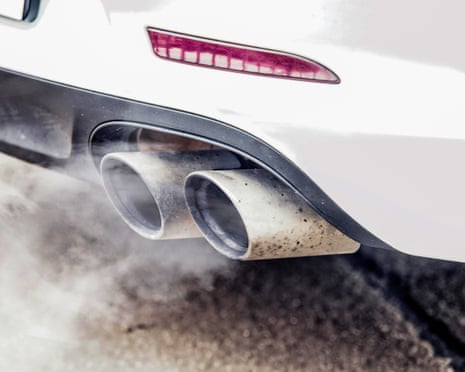
A review of 29 studies found small particulate matter and nitrogen dioxide were associated with higher suicide risk and suicidal thoughts.
Other signals were weaker
A separate look at 16 studies found possible links for sulphur dioxide, ozone, and noise pollution. Evidence on light and water pollution was unclear.
Policy angle raised
The authors argue that pollution could be treated as a changeable risk factor in suicide prevention, alongside wider public health action.
“environmental pollution could be considered in suicide prevention strategies”
Experts urged caution
Mental health and epidemiology experts said the findings do not prove pollution causes suicidal thoughts or attempts. Poverty, housing, cities, and health may explain some links.
“This study confuses two fundamentally different concepts: causation and association.”
Scale raises the stakes
More than 720,000 people die by suicide each year worldwide. The WHO says it is the third leading cause of death among people aged 15 to 29.
At a glance
Air pollution may belong in public health thinking on suicide, but the current evidence cannot prove it causes suicidal behavior.