From the Guardian · · 4m
Russia's deadly reach extends to US soil
An unsealed indictment reveals the Kremlin may have abandoned its Cold War taboo against assassinating dissidents on American territory.
In brief
An unsealed indictment reveals the Kremlin may have abandoned its Cold War taboo against assassinating dissidents on American territory. Russia appears to be breaking a decades-old unwritten rule by allegedly plotting murders of exiled dissidents inside the United States, marking a dangerous escalation in how the…
Journalist fears Russia's deadly reach
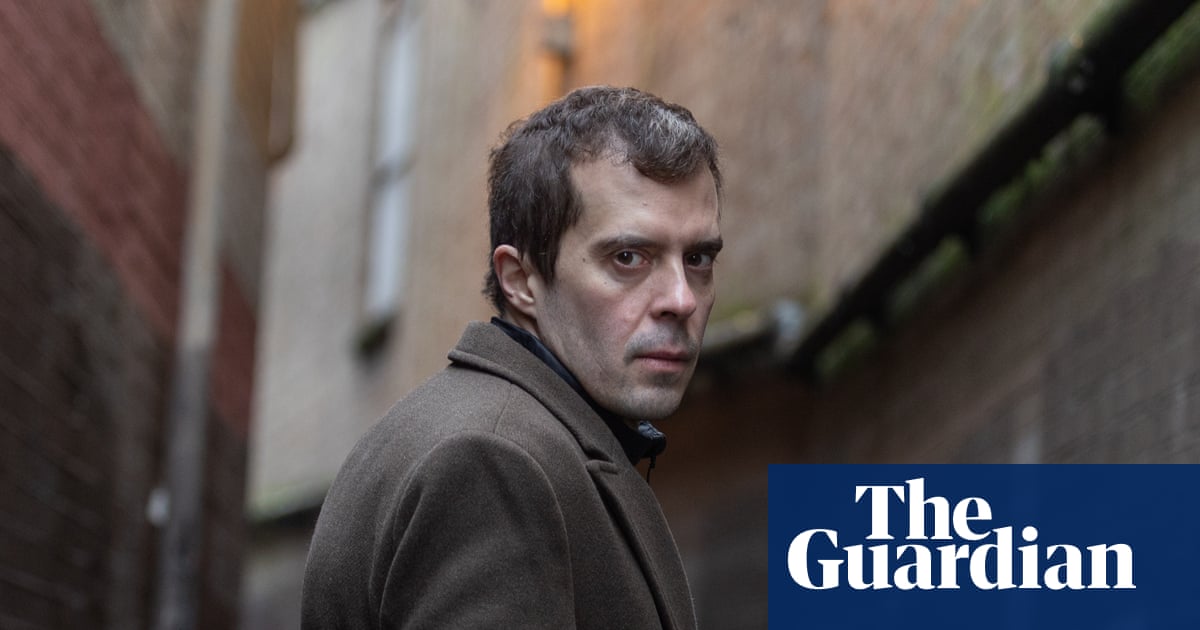
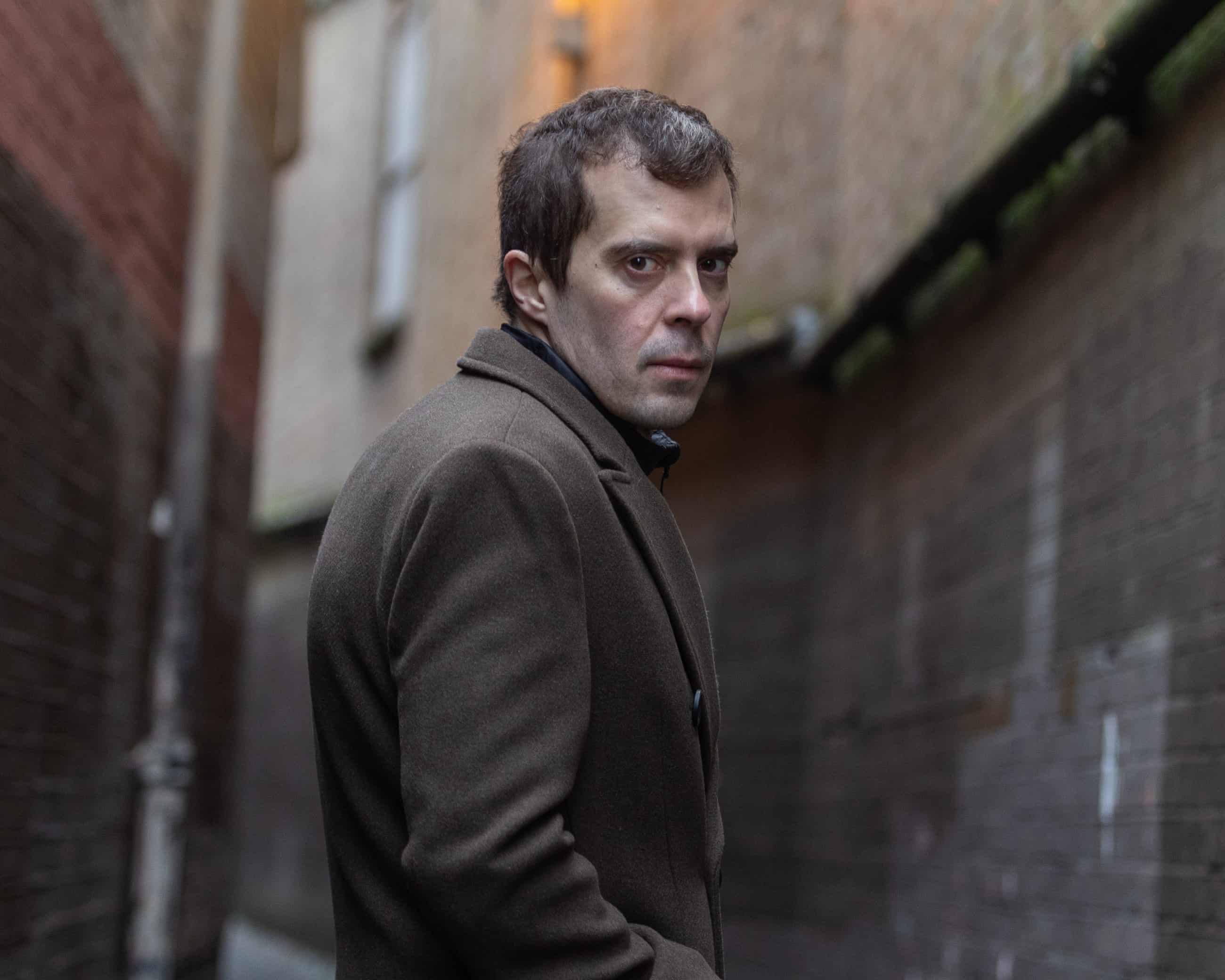
Roman Dobrokhotov, a dissident Russian journalist, was targeted by a Russian spy ring in London with plans to poison or burn him alive. Now he worries Russia is extending assassination attempts to the US.
“Maybe burn him alive on the street, spray him with some super-strong acid, VX, like the North Koreans, or the ricin”
US was historically a safe haven
For decades, American soil was considered off-limits for Kremlin assassinations, unlike Europe where Russia killed dissidents with poison umbrellas and nerve agents. This unwritten rule kept exiled critics relatively safe.
The Cold War gentleman's agreement
Neither the US nor Russia was supposed to kill on each other's soil, part of an informal understanding between superpowers. This was an unspoken rule that shaped espionage operations for generations.
The rules have changed in America
At a Washington conference this week, Dobrokhotov declared the taboo is broken. He warned dissidents that nowhere in the US is safe anymore and they must change how they operate.
“It looks like starting from today, the rules have changed in America. Nowhere is safe.”
Five Russians indicted for murder plot
The US Department of Justice unsealed indictments against five people allegedly working for Russian intelligence who conspired to conduct attacks and murders worldwide, including in the United States.
FSB officers and hired operatives named
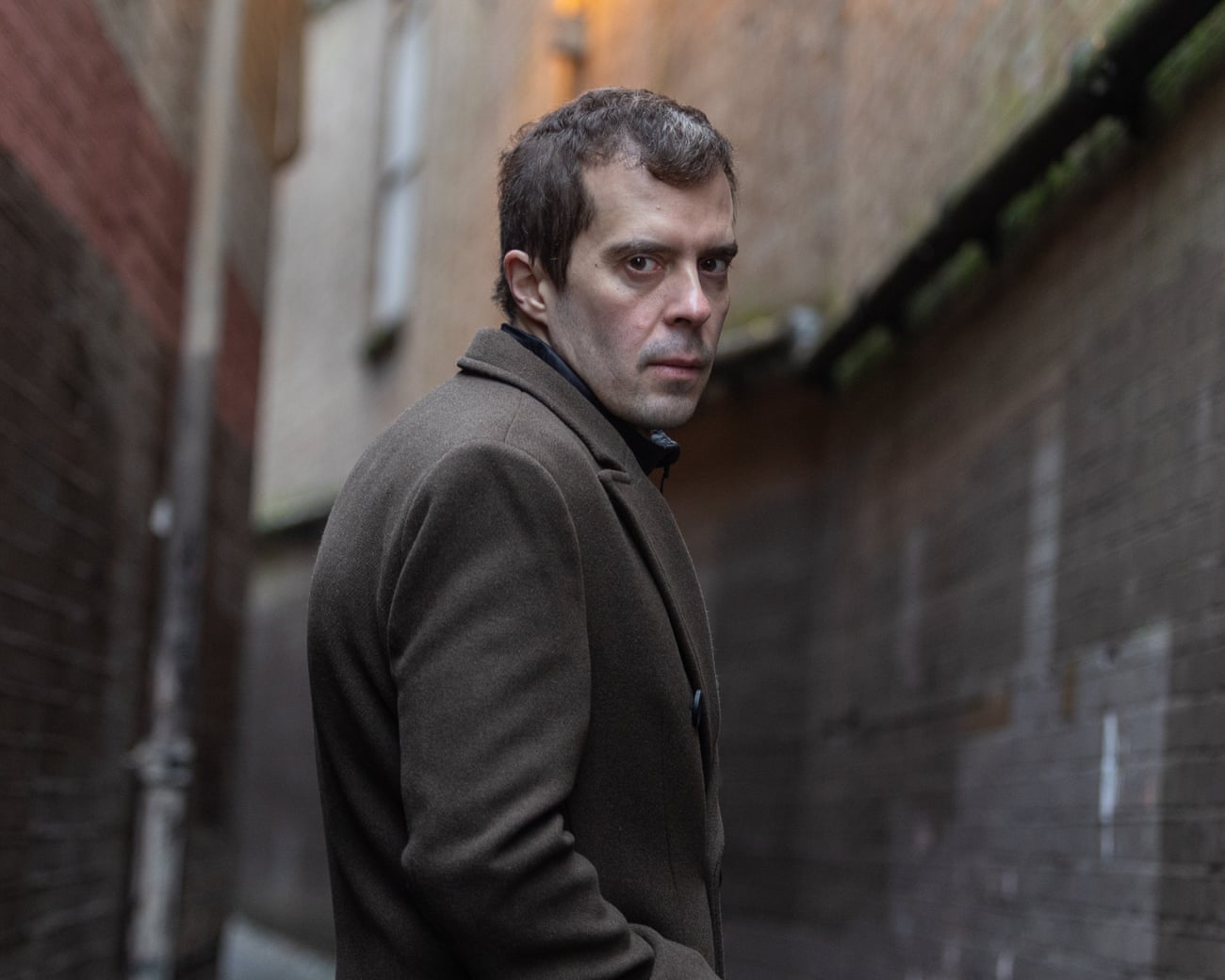
The accused include Kirill Khrameev, a serving FSB officer, his father Yuri Khrameev, a former FSB colonel, two Cubans, and a Venezuelan. They allegedly formed a network to eliminate a prominent Russian dissident in Washington.
Forty thousand dollar murder contract
FBI agents uncovered encrypted messages offering forty thousand dollars to surveil and kill someone in Washington that Russia wanted to disappear. The operatives discussed bringing assassins from Mexico but settled on finding a local killer.
Kara-Murza may be the target
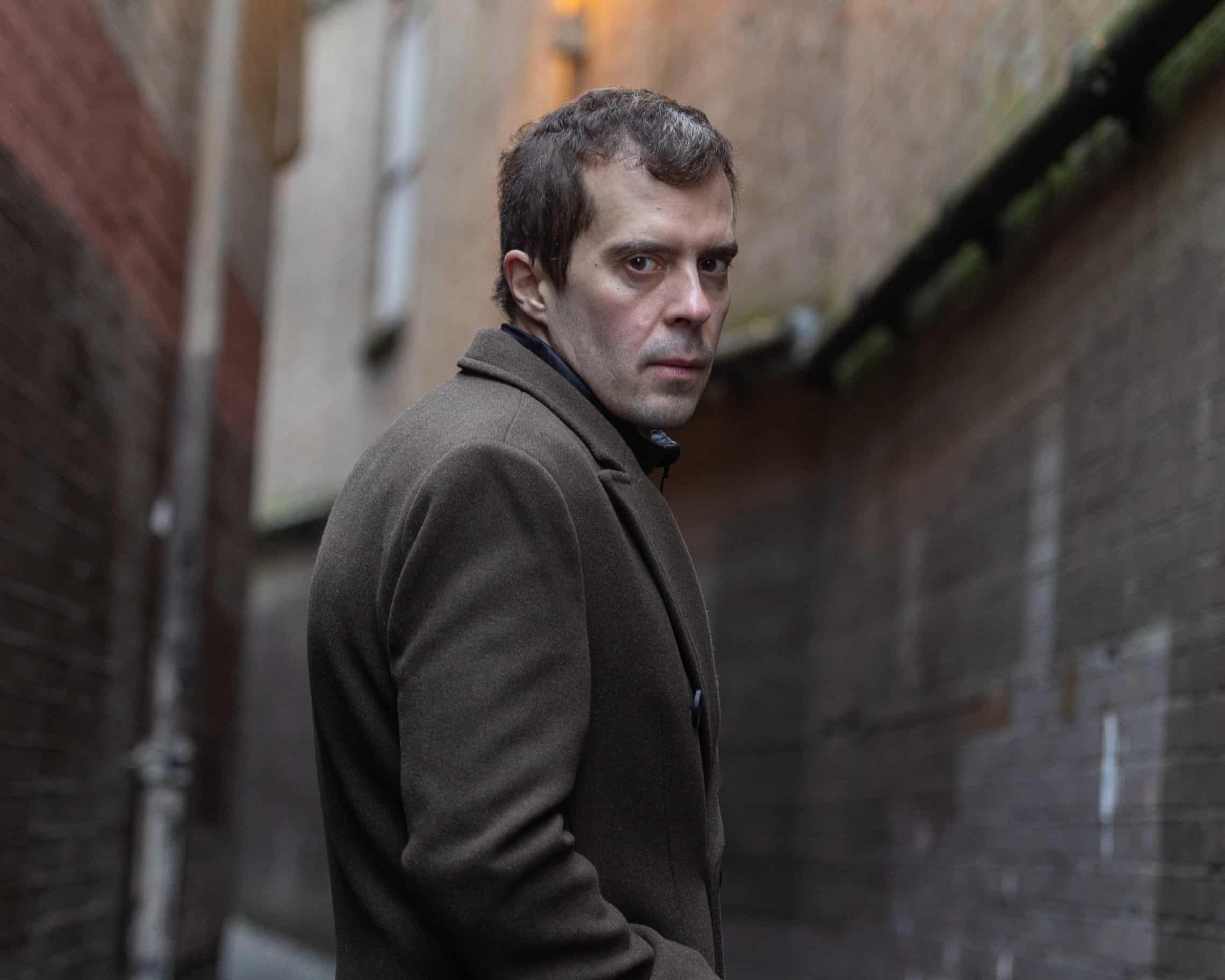
Vladimir Kara-Murza, a freed political prisoner who came to the US in a 2024 prisoner exchange, is rumored to be among the alleged targets. He declined to comment on the case.
Russia's history of overseas killings
The indictment lists past Russian assassinations: Paul Klebnikov in Moscow in 2004, Alexander Litvinenko in London in 2006, Sergei Skripal in Salisbury in 2018, and Alexei Navalny in 2024.
Europe also targeted by Russia
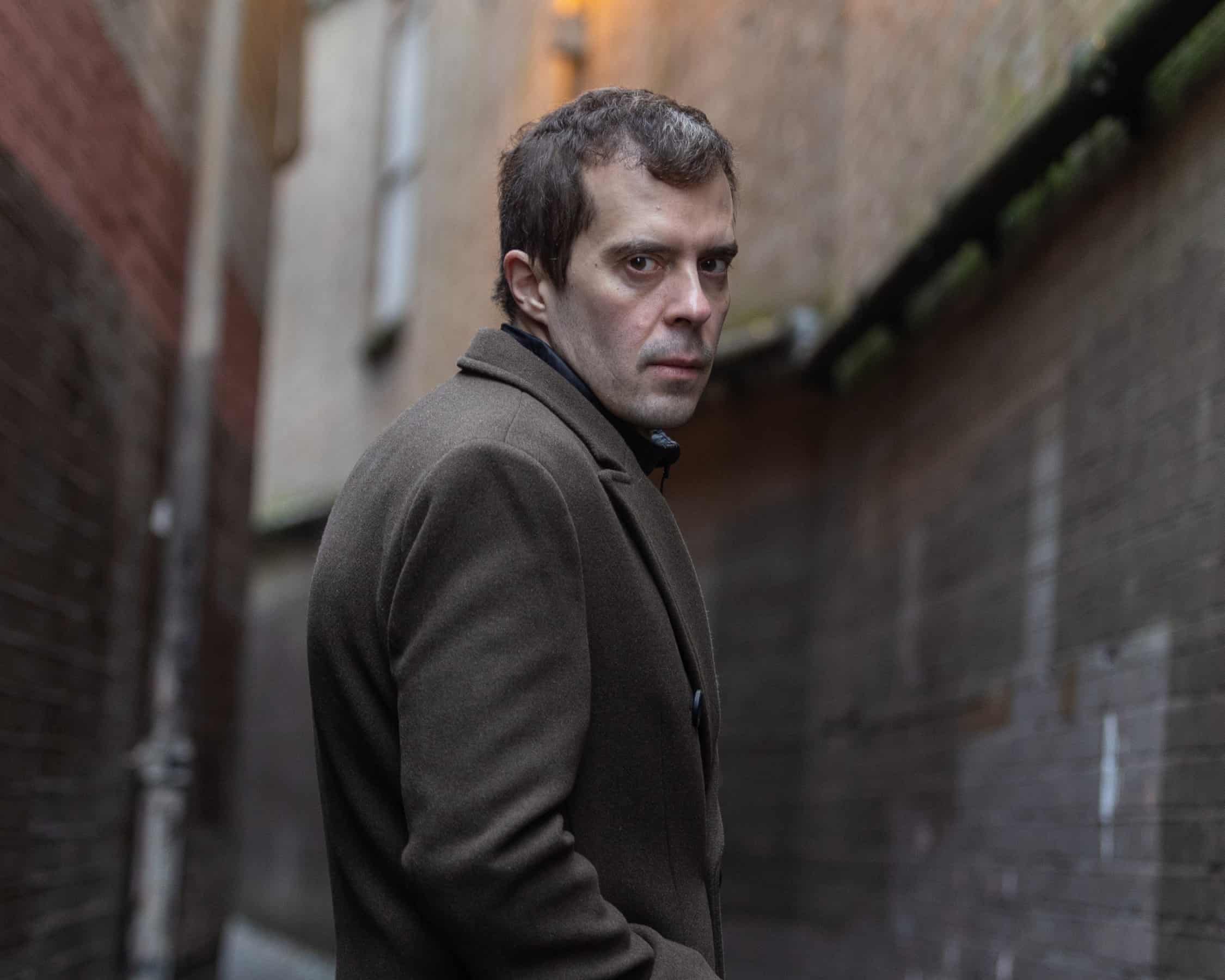
Germany linked Russian military intelligence to a drone attack at Leipzig airport in September 2026. Russia has been accused of sabotage and extrajudicial killings across Europe for years.
This crosses a different line
Chris Costa, former US intelligence chief, says directing surveillance and murder on US soil crosses a line from traditional espionage. It violates Cold War rules that protected intelligence personnel and families.
Putin underestimating the cost
Jack Devine, former CIA operations director, says the Kremlin has become careless about repercussions and sanctions. Putin's vision of himself as a powerful old-school leader may be blinding him to long-term consequences.
Public exposure as counterintelligence
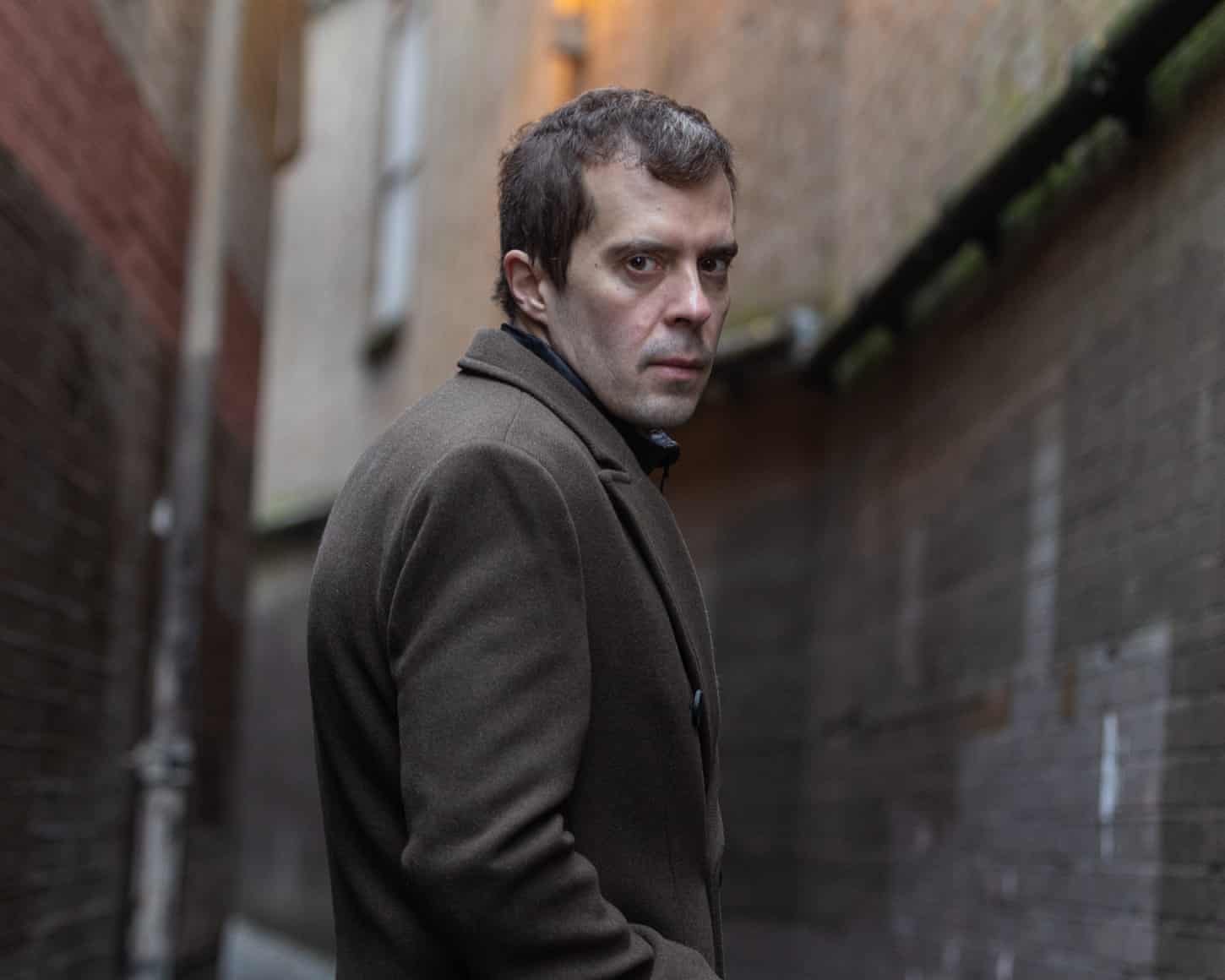
By unsealing the indictment, the Justice Department is warning potential recruits, reassuring threatened dissidents, and imposing costs on operatives. Public attribution itself is a counterintelligence weapon.
Dissidents warned they're not safe
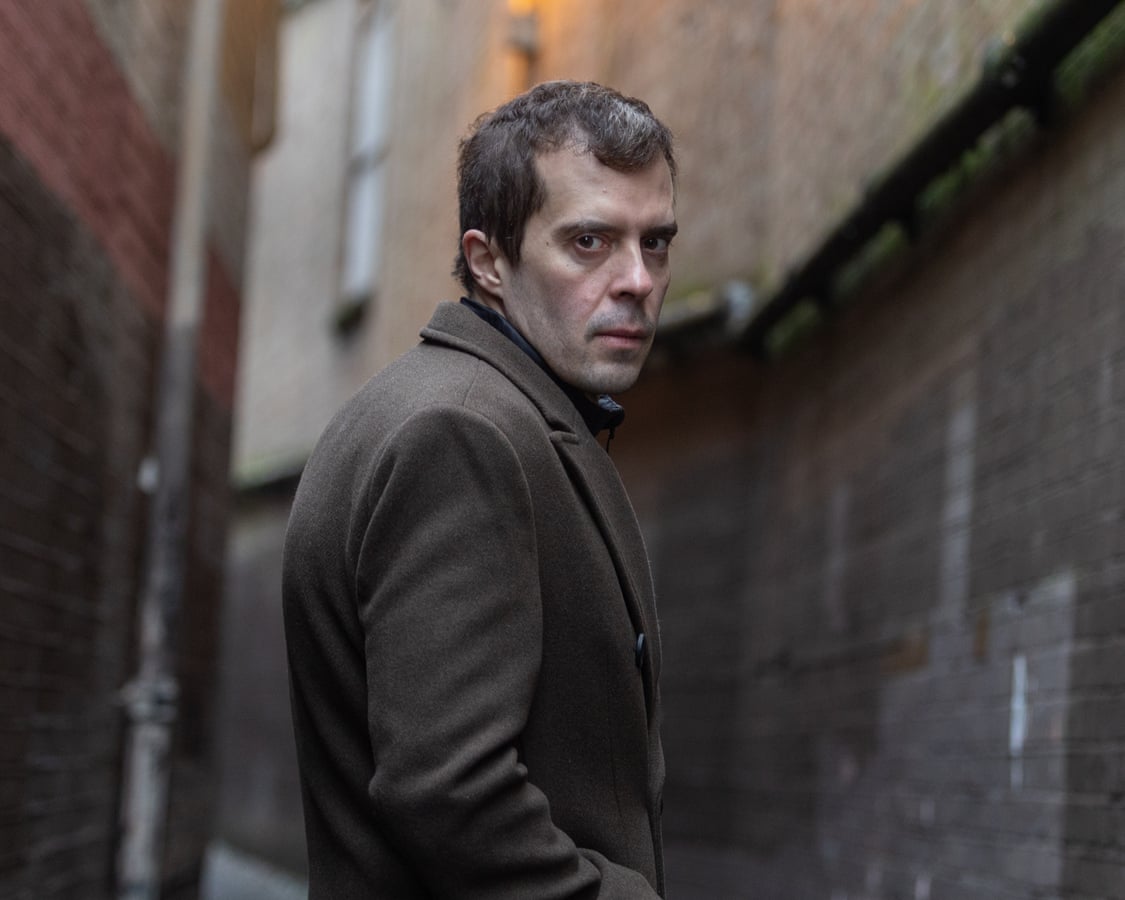
Anastasia Shevchenko, a Putin critic, was warned during a US visa interview that she cannot assume she will be safe visiting America. The heightened alert reflects genuine concern about Russian targeting.
Escalation tied to Iran tensions
The timing of the indictment may reflect behind-the-scenes escalation between the White House and Kremlin over Russia's reported support for Iran. The US may be signaling costs for Russian intelligence-sharing with Tehran.
A different landscape for dissidents
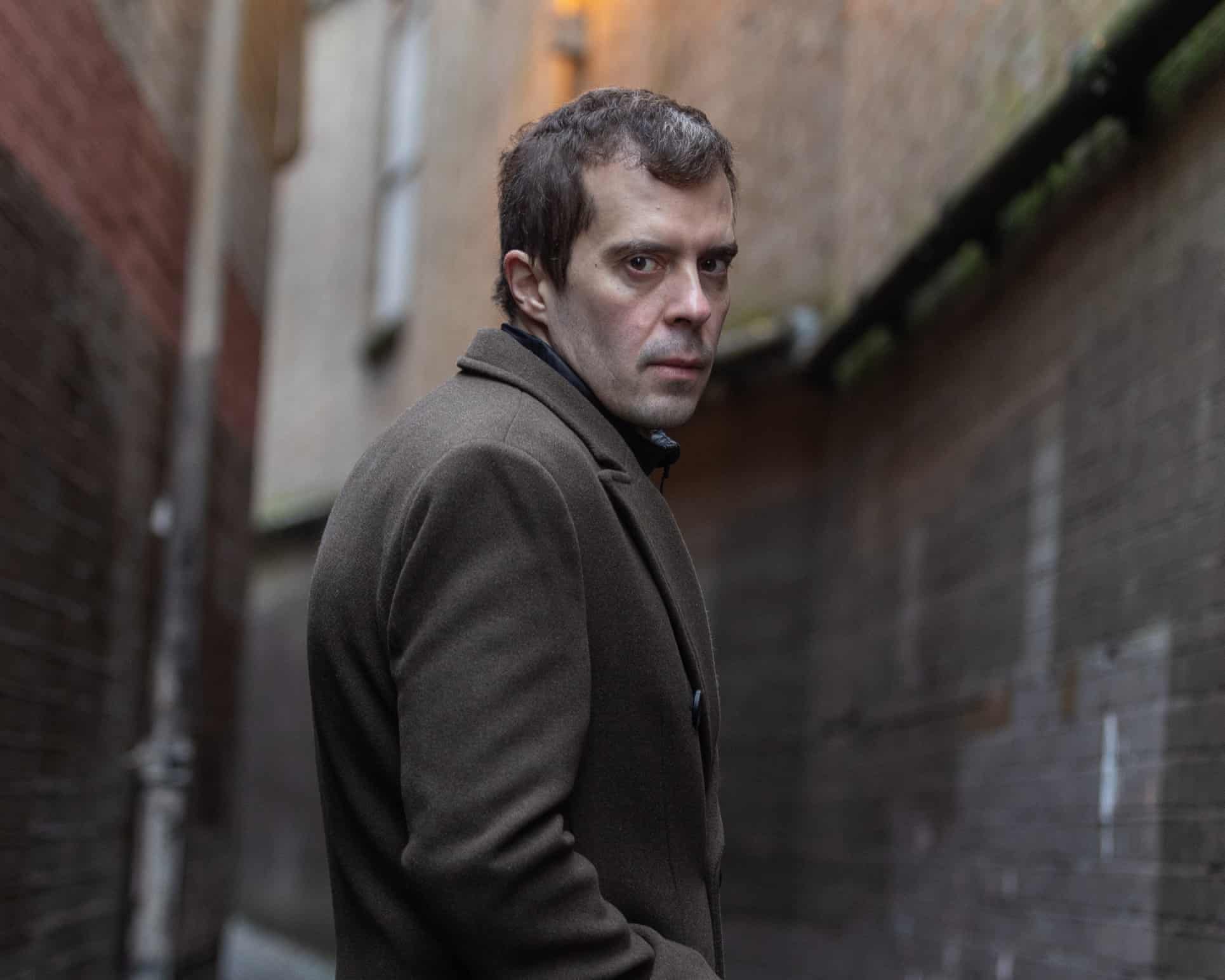
Natalia Arno, founder of the Free Russia Foundation, said dissidents believed the Kremlin would never be brazen enough to operate on US soil. That assumption has now shattered.
“We thought the Kremlin wouldn't be as brazen as to do something on United States soil. It's a different landscape.”
What matters most
Russia appears to be breaking a decades-old unwritten rule by allegedly plotting murders of exiled dissidents inside the United States, marking a dangerous escalation in how the Kremlin targets its critics abroad.