From the Guardian · · 3m
Russia's Max app: a blueprint for digital control
Forensic research reveals how Russia's super-app Max gives the state a backdoor into citizens' phones and communications.
In brief
Forensic research reveals how Russia's super-app Max gives the state a backdoor into citizens' phones and communications. Max represents a new model of digital authoritarianism that other governments could replicate, allowing state surveillance of all user activity on a single controlled platform. Originally reported…
Russia's new messaging super-app

Over 18 months, tens of millions of Russians have been forced to install Max, a violet-blue messaging and payments app. Authorities promoted it as a patriotic alternative to Telegram and WhatsApp, and it became the country's most-used messaging app this summer.
State-controlled platform with Putin ties
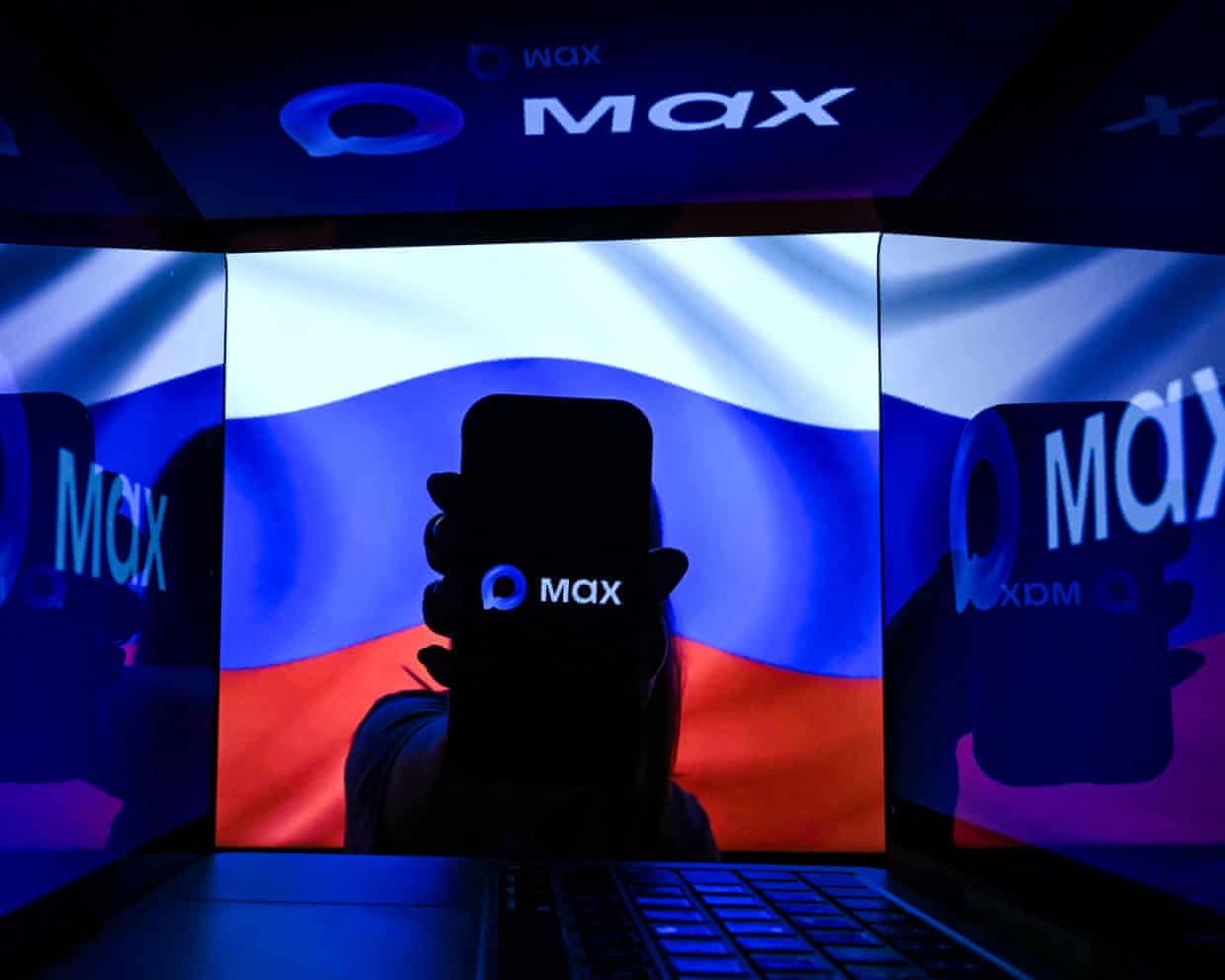
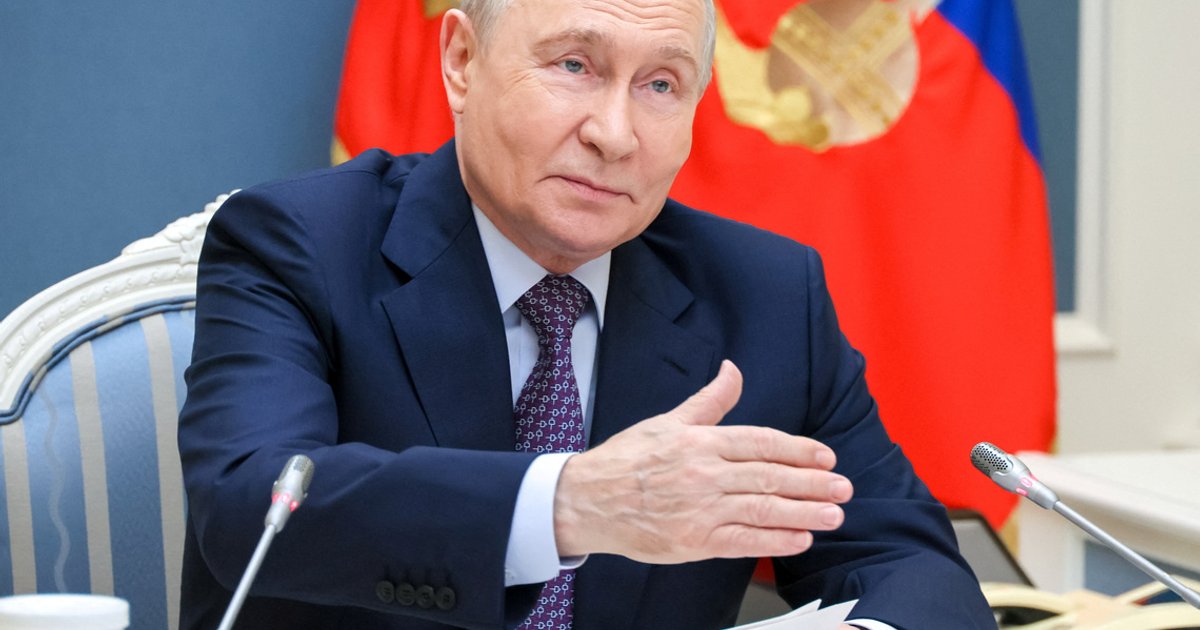
Max is made by VKontakte, a Russian social media company deeply entangled with the Russian state. Vladimir Putin reportedly owns an indirect stake in the company.
Super-app combines all services
Max works like China's WeChat, combining messaging, payments, banking, and government services into one platform. But unlike WeChat, which developed over decades, Max was imposed on a population that previously had mostly free internet access.
Researchers find powerful backdoor
Forensic analysis by University of Michigan researchers found Max can screenshot users' devices without their knowledge, access all information in mini-apps including messages and payments, and impersonate users.
Could enable government cyberattacks
Max can inject code into mini-apps, meaning the Russian government could potentially use it to launch cyberattacks. However, it cannot break into apps like Telegram and WhatsApp, though Russia has banned both.
Forced adoption across institutions
Officials, public-sector employees, university students, teachers, and schoolchildren have faced pressure to use Max. A Moscow schoolteacher said staff were ordered to switch to Max for all school communications after city authorities issued instructions.
“from now on, everything is on Max. That included chats with parents, sending out homework and other school communication”
Students denied access without Max
A St Petersburg university student said he was told students would be denied access to university buildings or dormitories without a QR code generated through Max, forcing him to download the app despite privacy concerns.
Elites use it for show only
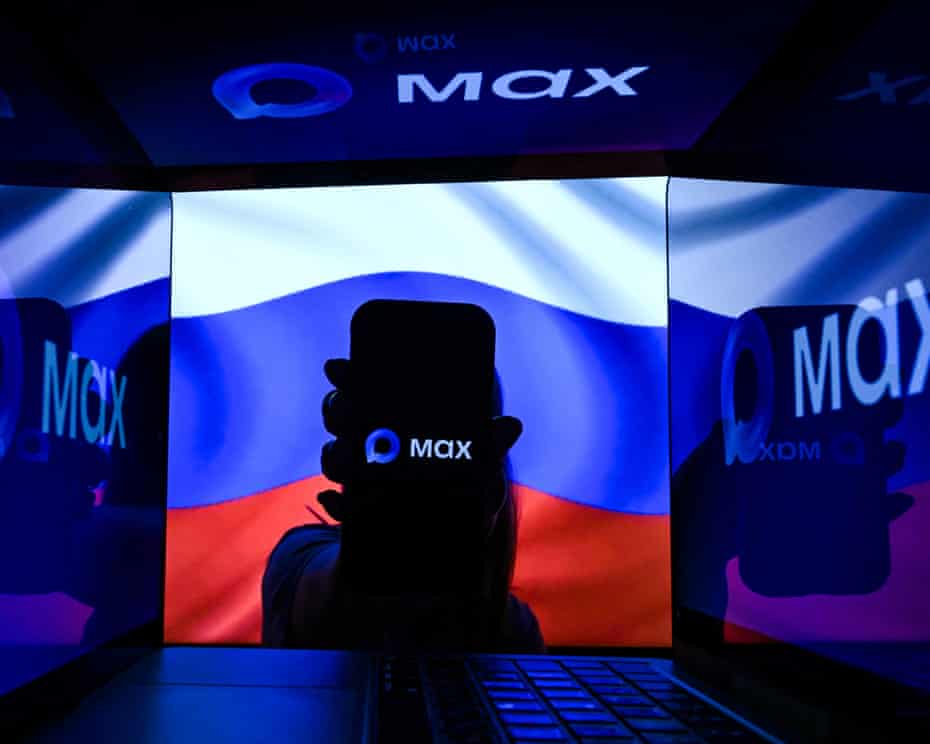
Among Russia's elite, Max use appears performative. A Kremlin insider said he and friends bought second phones just for Max while continuing to use Telegram and Signal for actual communication. Max has not replaced Telegram as a news source.
“It's all for show. No one in politics really uses it”
Users report surveillance concerns
Max users say the app resembles Telegram but feels sinister. A Moscow consultant said using Max feels like someone is always watching, and people use it more only because alternatives are becoming harder to access.
“Using Max feels like you never quite know who else might be watching”
Blueprint for global authoritarianism
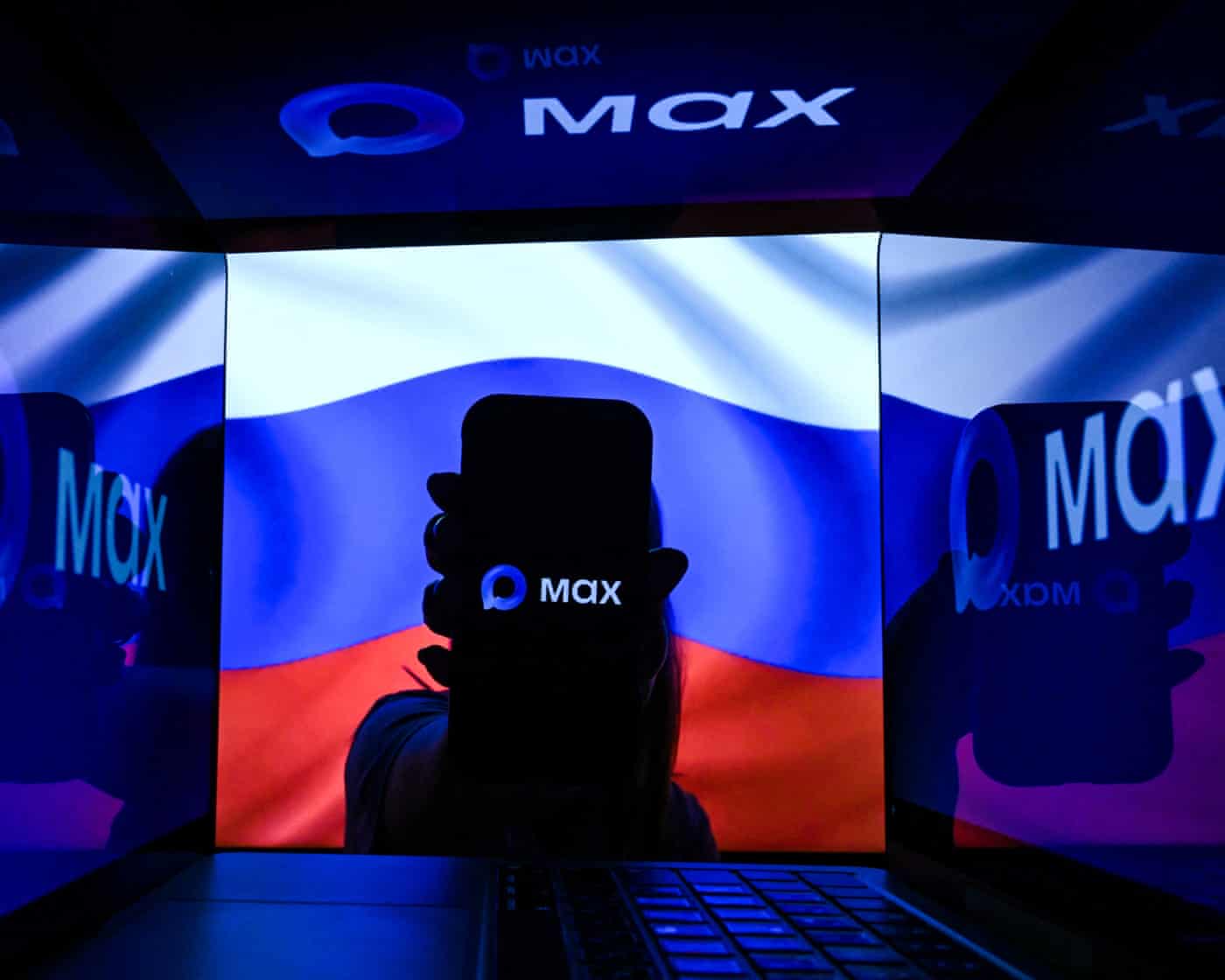
Researchers call Max a template other authoritarian governments could follow. China took 35 years to build its digital control system, but Russia imposed sweeping restrictions in just a decade, representing a wake-up call for the world.
“a blueprint any government can follow" towards digital authoritarianism”
Assault by authoritarian governments
A University of Michigan researcher warns that the infrastructure of private communication is changing and the assault by authoritarian governments is very aggressive. Max shows how quickly digital control can be imposed on a population.
The big picture
Max represents a new model of digital authoritarianism that other governments could replicate, allowing state surveillance of all user activity on a single controlled platform.