From the Guardian · · 2m
Street interviews as rage bait: the ethics question
Australian influencers use confrontational street interviews to create viral content, but experts warn the tactic raises legal and ethical concerns.
In brief
Australian influencers use confrontational street interviews to create viral content, but experts warn the tactic raises legal and ethical concerns. Anti-abortion and activist influencers in Australia are using street interviews designed to humiliate people for online engagement, raising questions about consent…
Ambushed at the mall
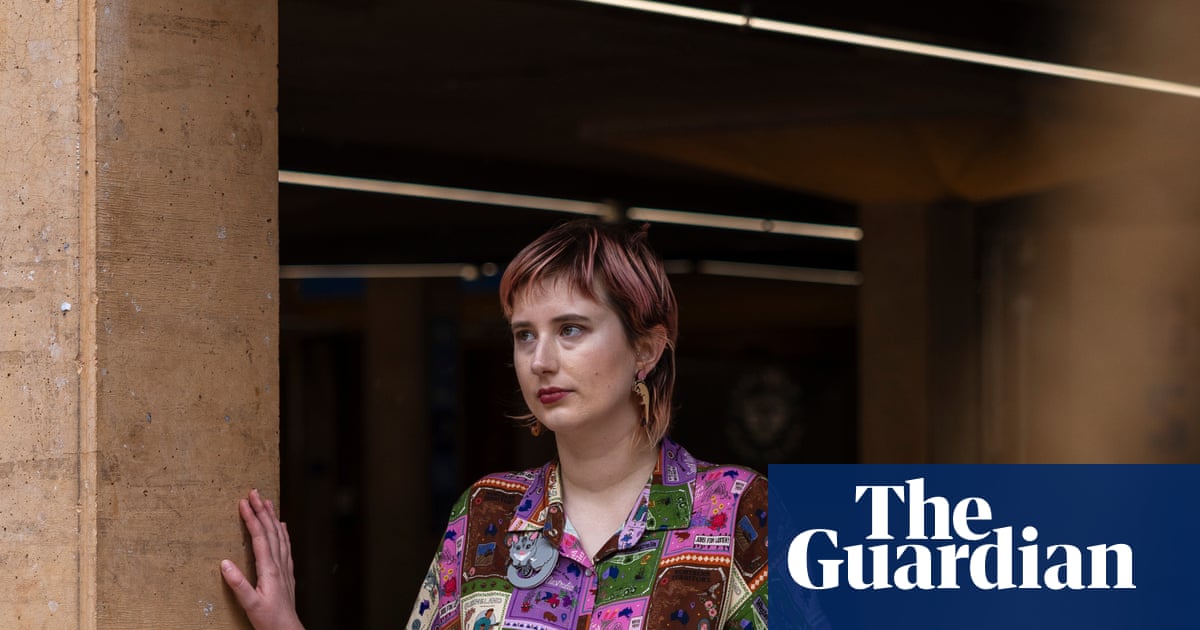
Emma Carson was approached by Elspeth Mackellar at Rundle Mall in Adelaide and asked about abortion. She did not realise Mackellar was a content creator for Bird Flip, an anti-abortion organisation.
“She just kind of appeared in front of me … then she asked if I thought the unborn were human”
The Gish gallop tactic
Mackellar bombarded Carson with rapid-fire questions lacking logic and containing misinformation. Carson only noticed the camera when she realised her words might be twisted for social media.
“I knew if I kept talking, she would continue to find ways to twist my words”
The humiliation strategy

Carson says the influencers do not want genuine debate. Their strategy is to humiliate people who disagree with them by publishing clips designed to make them look bad.
“The strategy is to just humiliate people who disagree with them”
What rage bait actually is
Rage bait is online content deliberately designed to elicit anger or outrage by being frustrating, provocative or offensive, typically posted to increase traffic and engagement.
Multiple tactics in use
Australian influencers approach protesters at pro-Palestine, anti-One Nation and anti-March for Australia protests, then publish clips showing them angry and dishevelled. Others stage prove me wrong scenarios.
The ethics are murky

Julie Inman-Grant, the eSafety commissioner, said last year there were growing concerns about street interviews that appeared to exploit or humiliate people, including homeless, drunk or drug-affected people.
“Just because something may be technically legal does not mean it is ethical”
Money and ego in the mix
Dr Lisa Harrison at Flinders University says the ethics are disappointing. Influencers make money through advertising, endorsements, paid appearances, sales and fundraising from such content.
Normalising the ambush
Prudence Flowers at Flinders University says rage-baiting street interviews about abortion have been popular in the US and are becoming normalised in Australia. People have no control once footage is posted.
“Everything is content”
Legal risks and weak enforcement

David Vaile, a privacy researcher at UNSW, says the rage-bait machine risks breaching surveillance devices, privacy, defamation, stalking and harassment laws. But complaints often end up in a black hole.
Recording without awareness
Vaile says recording that starts or continues without the person being aware may breach the Surveillance Devices Act. Publishing video in bad faith could breach defamation law or stalking and harassment laws.
“To the extent the recording starts or continues without the person being aware it's going on, that may trigger the breach of the Surveillance Devices Act”
Here's the gist
Anti-abortion and activist influencers in Australia are using street interviews designed to humiliate people for online engagement, raising questions about consent, ethics and potential legal breaches.