From the Guardian · · 2m
Surrey oil project sold for £1m after £25m investment
The company behind a failed oilfield blocked by a landmark climate ruling has rebranded as a clean energy firm, while new owners try again.
In brief
The company behind a failed oilfield blocked by a landmark climate ruling has rebranded as a clean energy firm, while new owners try again. Climate litigation can destroy fossil fuel asset values, forcing companies to pivot or sell at massive losses. Originally reported by the Guardian.
Massive loss on Surrey oilfield
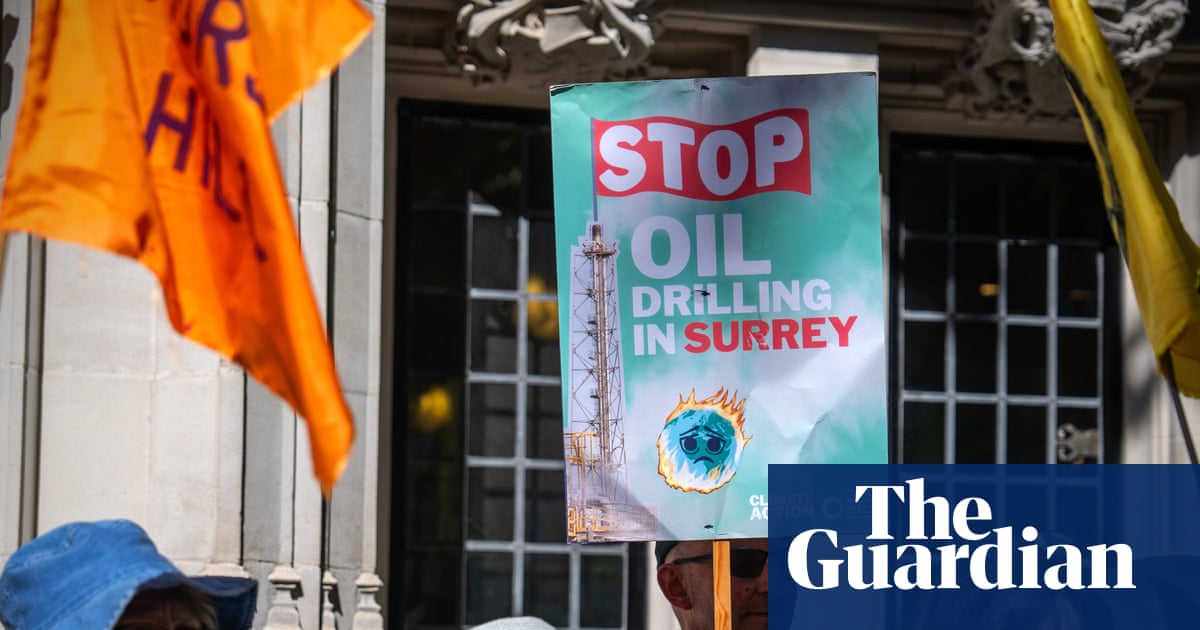
UK Oil and Gas sold the Horse Hill site for £1m after investing over £25m. The company has rebranded as UK Energy Group to focus on clean energy.
Supreme court blocked expansion
In 2024, the supreme court's Finch Ruling required planning authorities to assess downstream greenhouse gas emissions from oil and gas projects.
From £46m valuation to £55k
The Horse Hill licence area peaked at £46m in 2018 based on estimates of 9.24bn barrels of oil. UKOG later wrote it down to just £55,360.
Regulatory stranding in action
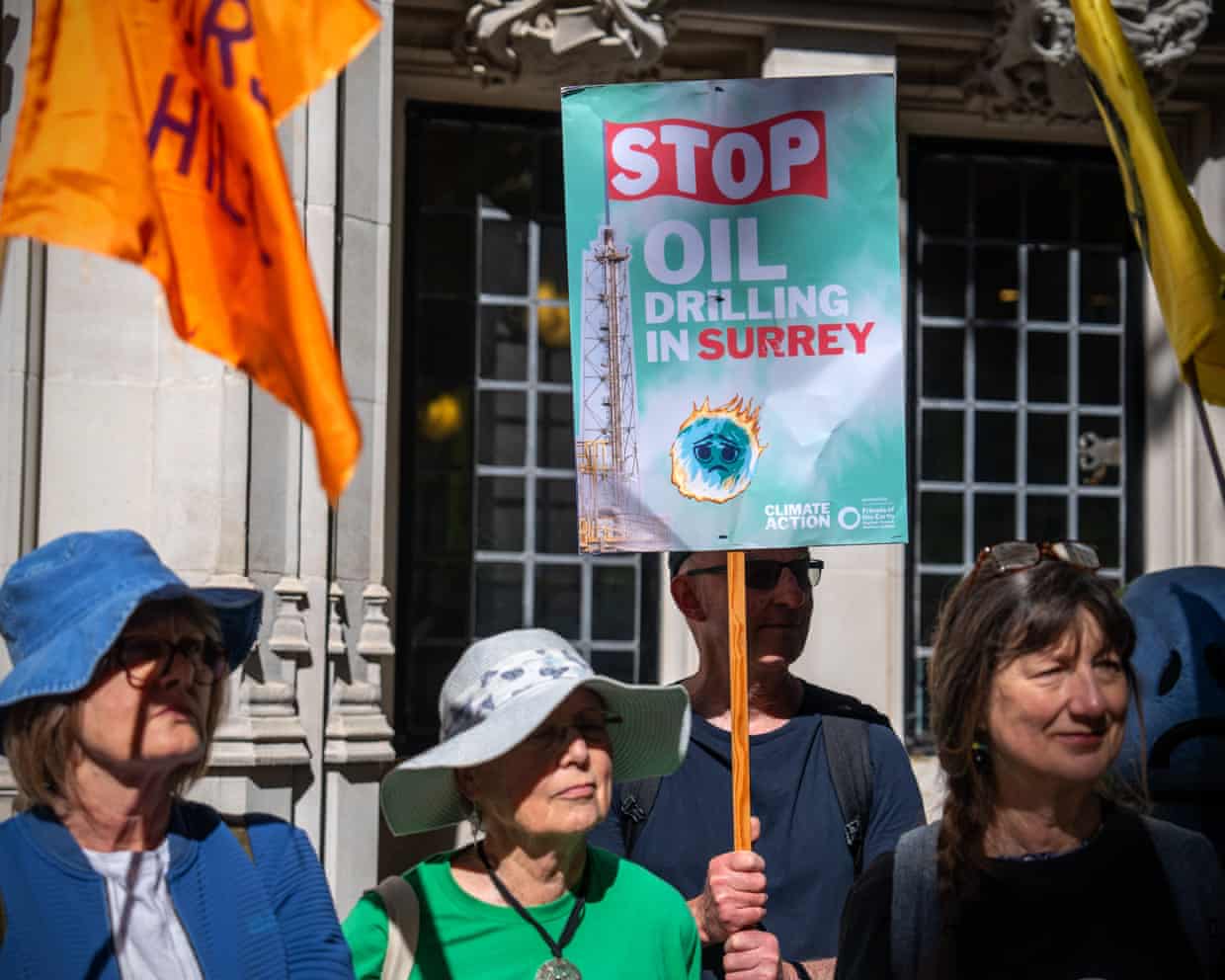
Carbon Tracker called Horse Hill an example of regulatory stranding, where climate litigation destroys fossil fuel asset values.
“For a small company concentrated on one project like this, it just transformed the entire business.”
New owners apply again
Energy B bought the site for £1m and submitted a new planning application to extract nearly 700,000 tonnes of oil over 20 years.
Serious flaws in new application
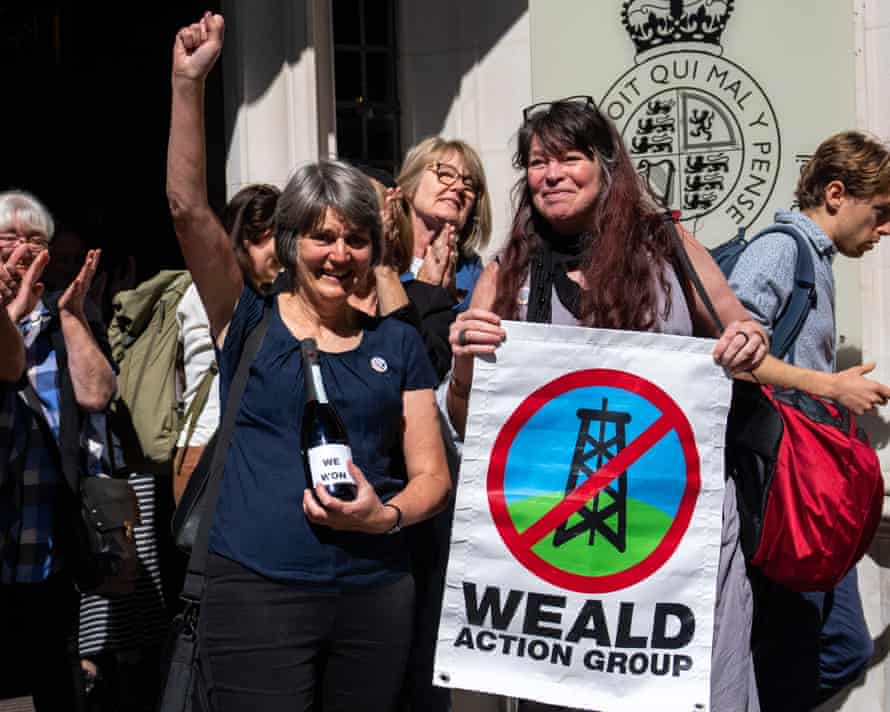
Sarah Finch, who won the 2024 supreme court case, says the new environmental assessment has serious shortcomings and ignores government guidance.
“They didn't make any attempt to do that, although the data is readily available out there.”
Developer claims impact insignificant
The application estimates 2.3m tonnes of lifetime emissions but calls this insignificant, representing just 0.05% of the UK carbon budget.
Any emissions are significant
Finch argues the developer's logic is false. The IEA says we can't afford any new oil or gas to stay within the 1.5C target.
“Any greenhouse gas emissions are significant.”
Energy security argument disputed
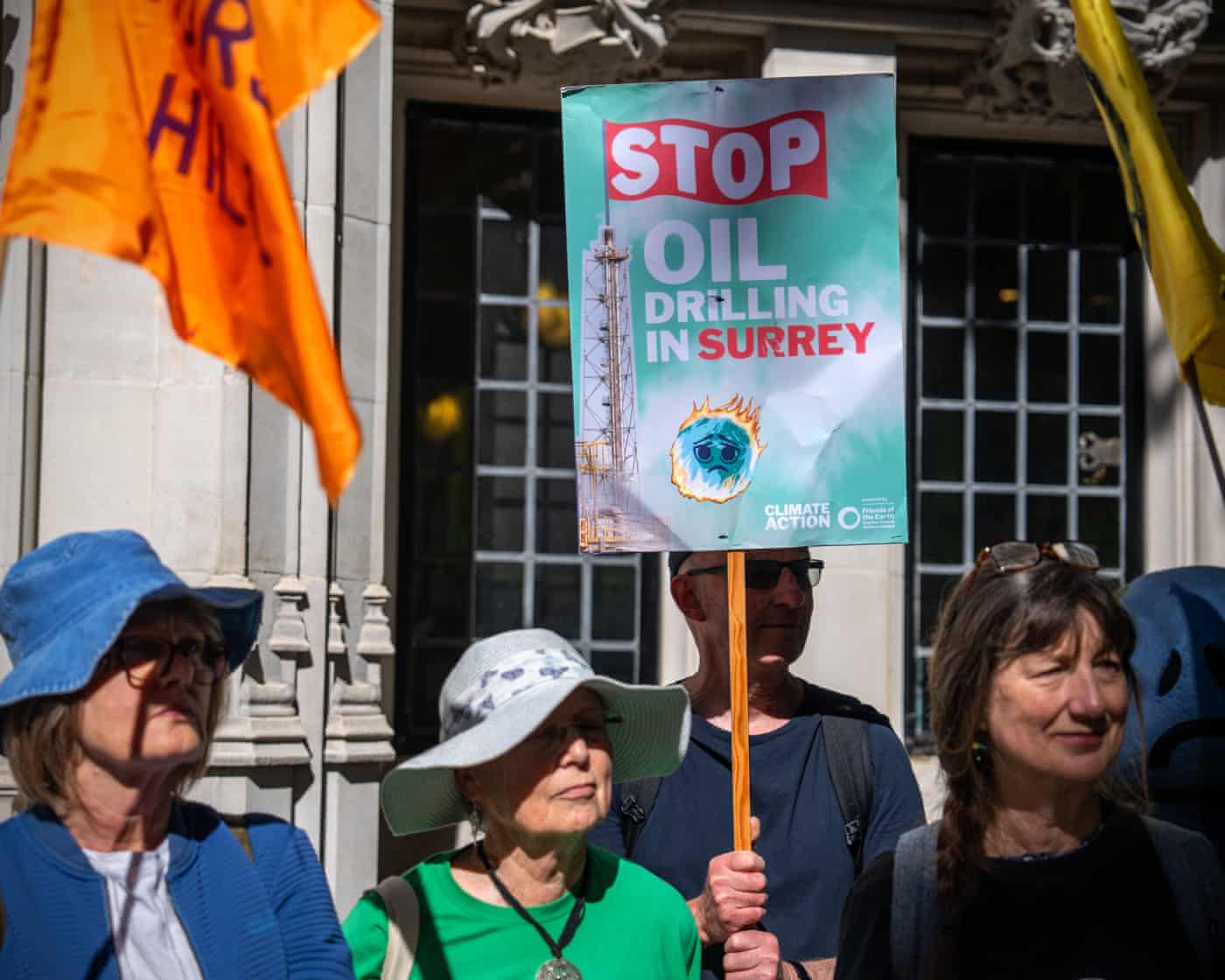
Energy B claims domestic production improves energy security. Finch counters that UK oil is typically traded internationally, not reserved for British consumers.
A test case for climate law
Surrey council's decision will test whether climate risks are properly assessed after the supreme court ruling. Another judicial review is possible if approved.
“We're fairly confident that the environmental statement that's been submitted isn't compliant with the law and the new guidance.”
Here's the gist
Climate litigation can destroy fossil fuel asset values, forcing companies to pivot or sell at massive losses.