From the Guardian · · 1m 20s
The wattle bird who turned on me
A Melbourne gardener's attempt to help native birds through winter backfired when one aggressive wattle bird monopolised the honey and dive-bombed her.
In brief
A Melbourne gardener's attempt to help native birds through winter backfired when one aggressive wattle bird monopolised the honey and dive-bombed her. Providing concentrated food to native birds can create dependency and aggression, turning a helpful intervention into a problem requiring a new approach. Originally…
Honey to save the birds
Last autumn in a Melbourne bay-side suburb, the author put out honey to help native birds through winter when grevilleas hadn't flowered.
Wally arrives and takes over
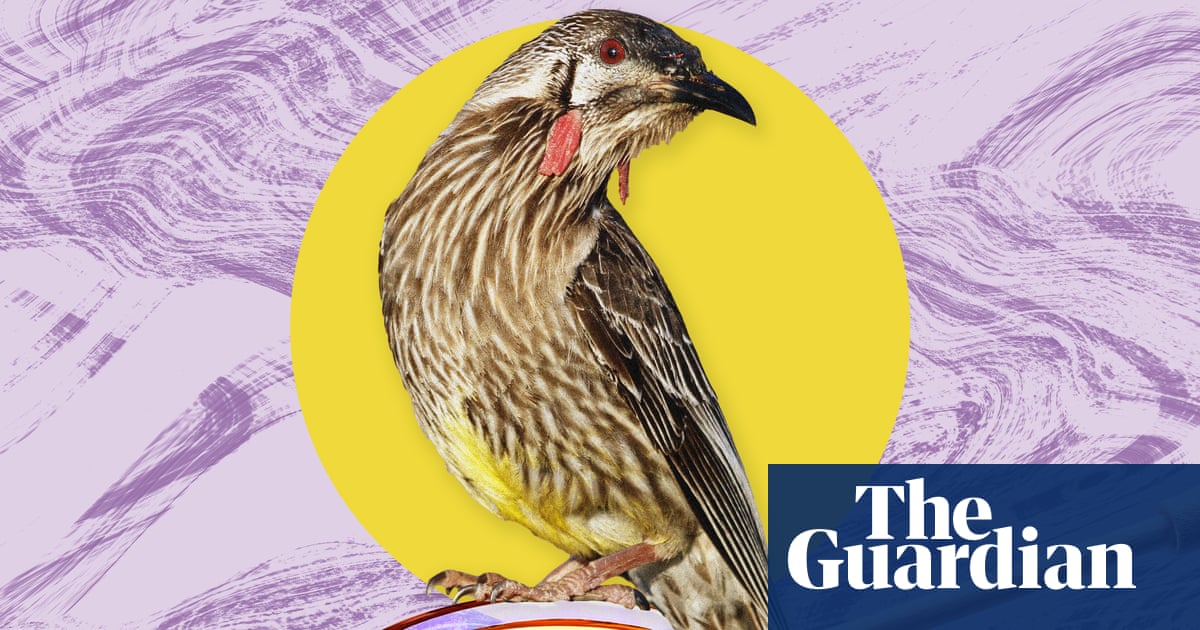
Wattle birds visited in greater numbers.One, named Wally, arrived wan and thin and grew plump and hale.
The problem with concentrated food
The author had corrupted Wally's natural imperative to conserve energy by providing concentrated food. Nectar naturally dispersed across flowers required enormous effort to gather, but Wally exploited the artificial source to monopolise it and widen…
Removing the dish backfires
The author hid the honey dish hoping Wally would return to wild ways. Instead, Wally began dive-bombing her, snapping at her ears. Dependency had bred contempt, and nothing provokes umbrage like a boon removed.
“Dependency had bred contempt.”
A new approach: democratic socialism
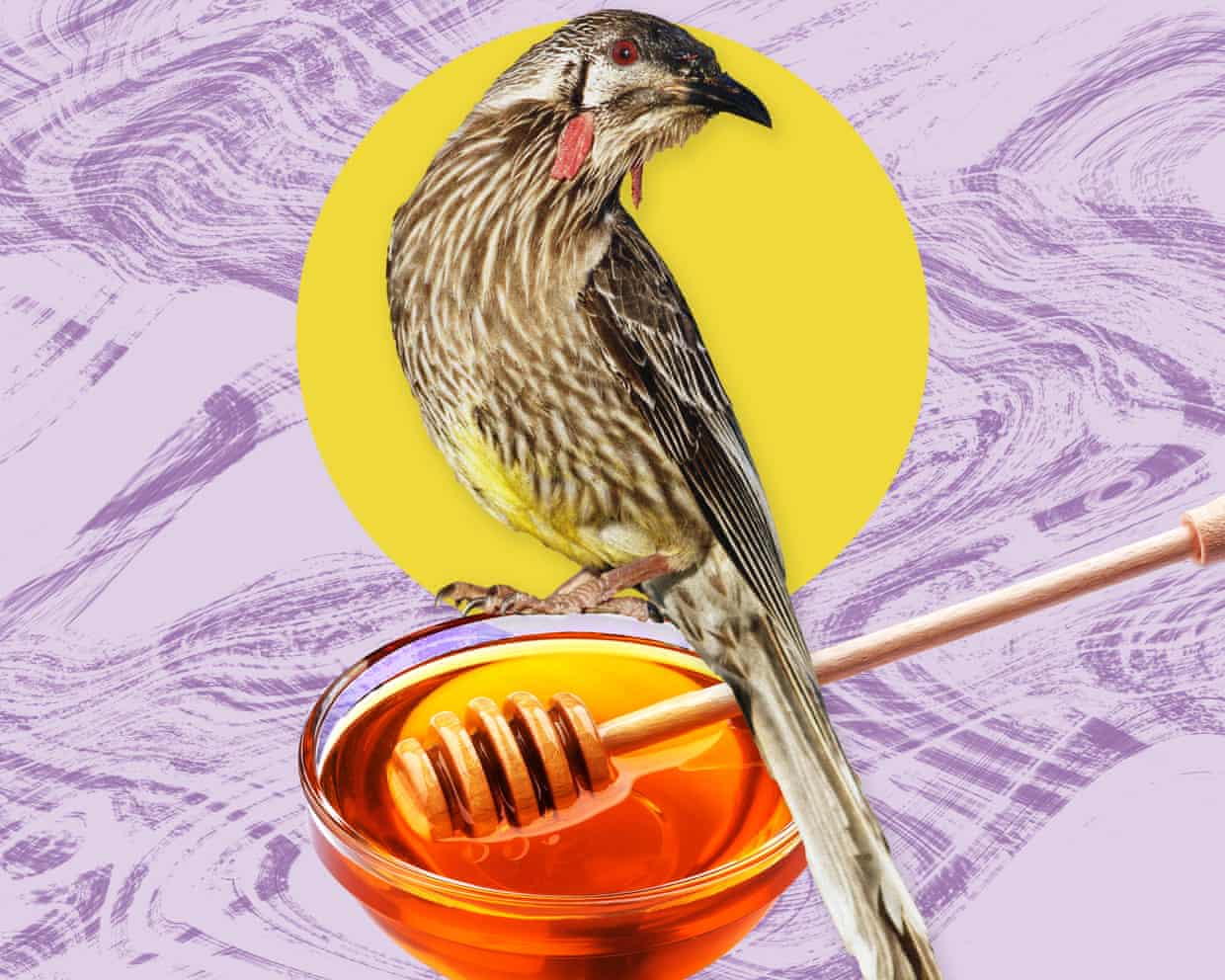
The author decided to widely distribute honey where it could not be monopolised, imitating nature by trying democratic socialism.
The headline
Providing concentrated food to native birds can create dependency and aggression, turning a helpful intervention into a problem requiring a new approach.