From the Guardian · · 1m 50s
Warming seas could reshape UK marine life by 2050
A four-year study warns that warming waters around the UK and north-east Atlantic will destabilise food webs and threaten food security, with plankton declining even as some fish species increase.
In brief
A four-year study warns that warming waters around the UK and north-east Atlantic will destabilise food webs and threaten food security, with plankton declining even as some fish species increase. Warming UK seas will destabilise marine food webs by 2050, with plankton declining while some fish increase, threatening…
Four-year study warns of marine collapse
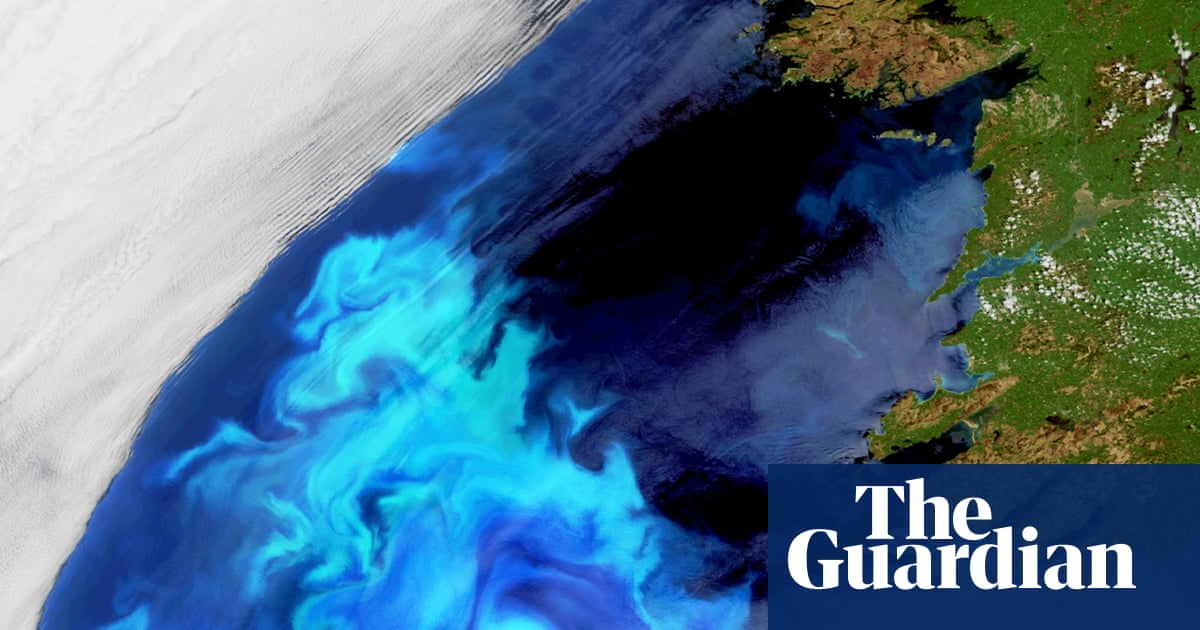
Warming seas around the UK and wider north-east Atlantic could destabilise marine food webs, weaken ocean health and jeopardise food security by 2050, according to research led by Cefas.
UK waters warming faster than most
The seas around the British and Irish Isles, particularly the southern North Sea, have been identified as marine climate hotspots, among twenty globally to have warmed fastest over fifty years.
Plankton decline despite fish gains
Under three degrees Celsius warming by twenty one hundred, fish and seabed invertebrates may become more diverse by mid-century, but key plankton groups lower in the food chain were likely to decline significantly.
The imbalance reshapes ecosystems
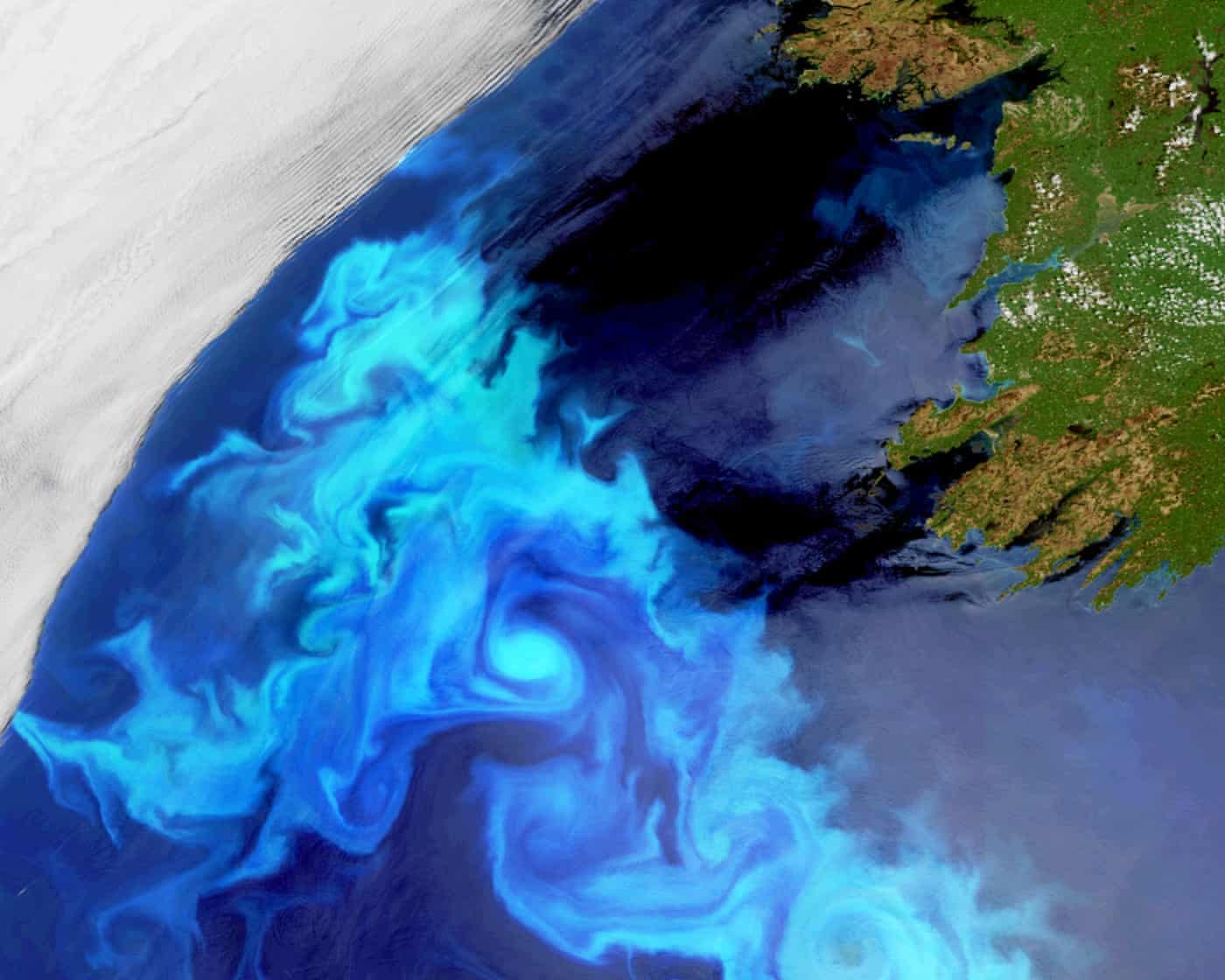
Scientists say the imbalance between rising predator diversity and falling prey diversity could fundamentally reshape marine ecosystems in unforeseen ways and disrupt marine food webs.
“fundamentally reshape marine ecosystems”
Specific losses and gains by twenty fifty
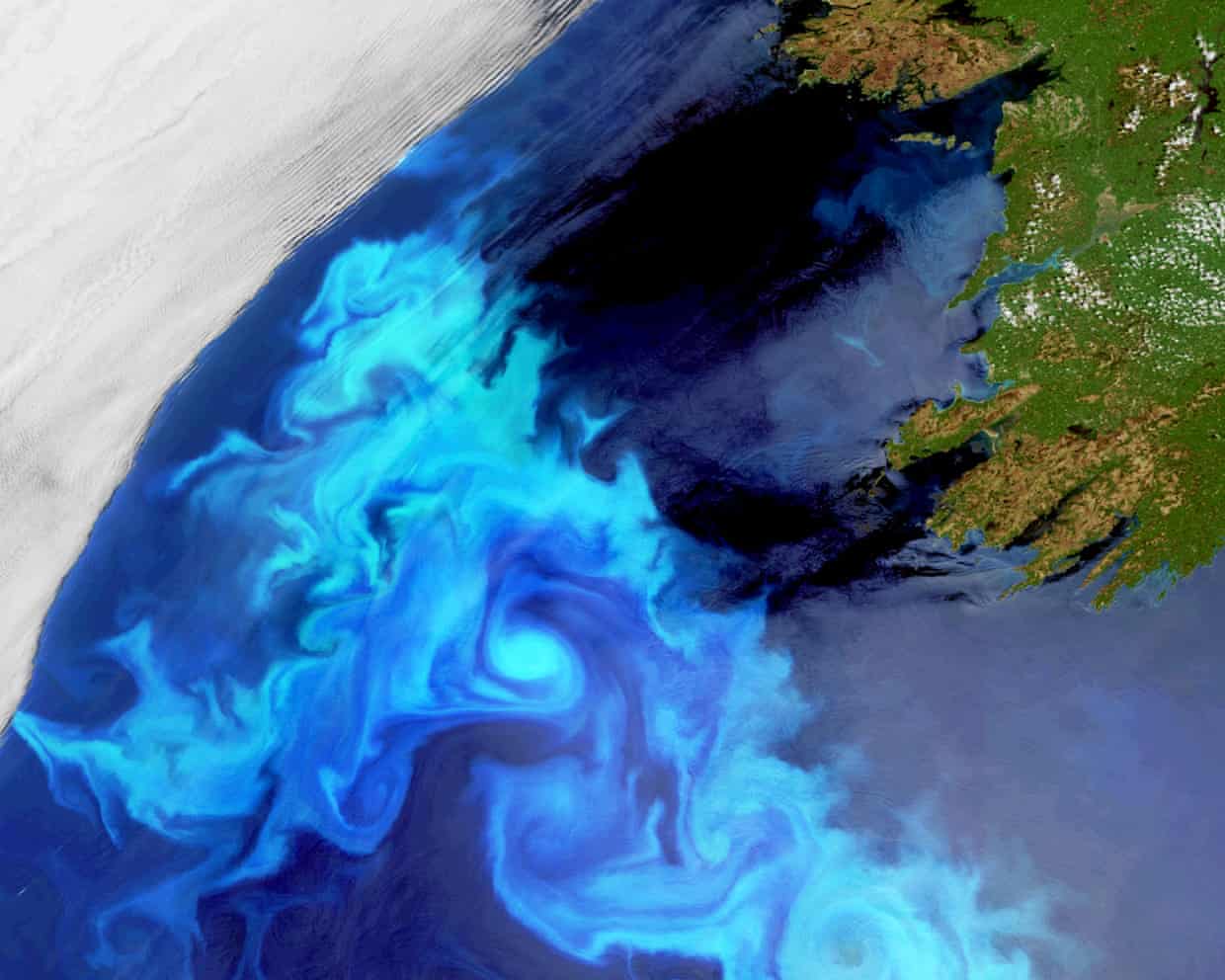
Fish and seabed invertebrate diversity could increase by about twelve percent by mid-century, while phytoplankton diversity could decline by about three percent and zooplankton by about seven percent.
Winners and losers in warming waters
Previous research identified climate winners such as anchovies, seabass and sardines thriving in warmer north-western European waters, while Atlantic cod, haddock and coley face unsuitable conditions.
Study submitted to government marine review
The research has been submitted to the government's review of marine protected areas and fishery management. Policymakers must account for climate-driven biodiversity change before making other management plans.
“climate change is already changing biodiversity, and you need to take that into account before you can make other management plans”
The essence
Warming UK seas will destabilise marine food webs by 2050, with plankton declining while some fish increase, threatening ocean health and food security.