From the Guardian · · 2m
Welsh police scan ethnic minorities four times more often
South Wales police facial recognition data shows BAME people targeted at rates far exceeding their population share, raising racial bias concerns.
In brief
South Wales police facial recognition data shows BAME people targeted at rates far exceeding their population share, raising racial bias concerns. South Wales police scanned ethnic minority people at four times the rate of white people in 2025, sparking warnings of racial bias in AI-enabled facial recognition…
Ethnic minorities scanned at four times the rate
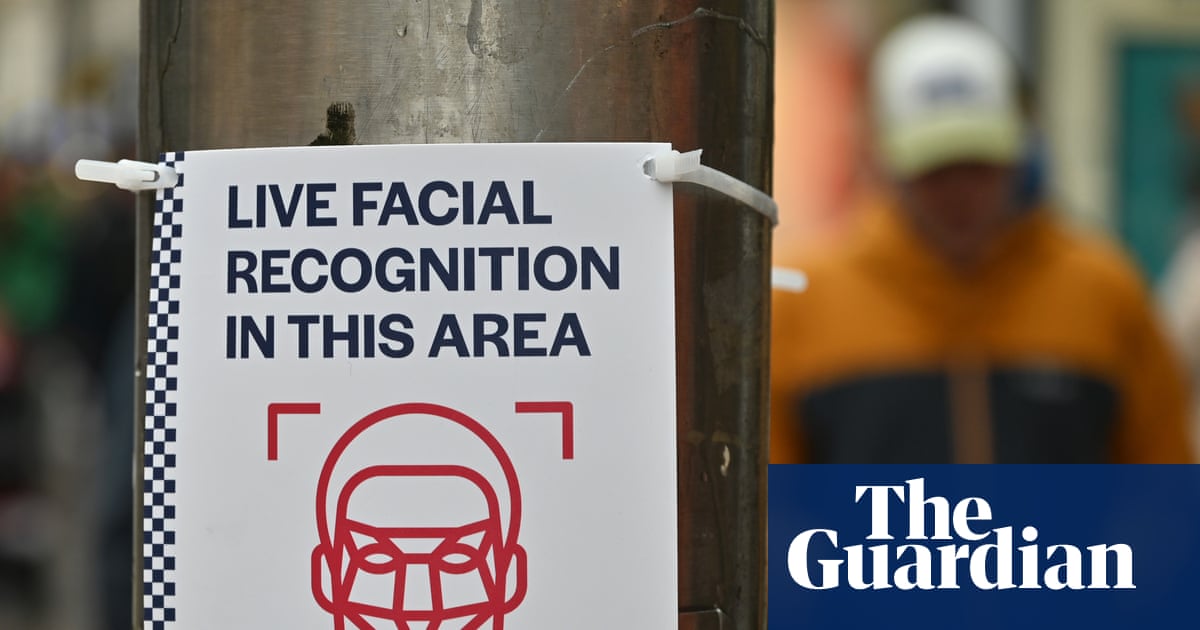
South Wales police facial recognition data shows 24% of people selected for scans were from ethnic minorities, despite making up only 7% of the population.
The technology and how it works
Officers capture faces with smartphones and run images through an algorithm called Neoface to match against custody mugshots and other face databases. Most scans target people suspected of crimes.
Disproportionate even by arrest rates
The face-scan figures appear disproportionate even when compared with arrest data for the police area, in which 11% of people arrested are from ethnic minorities.
Police acknowledge concerns about disproportionality
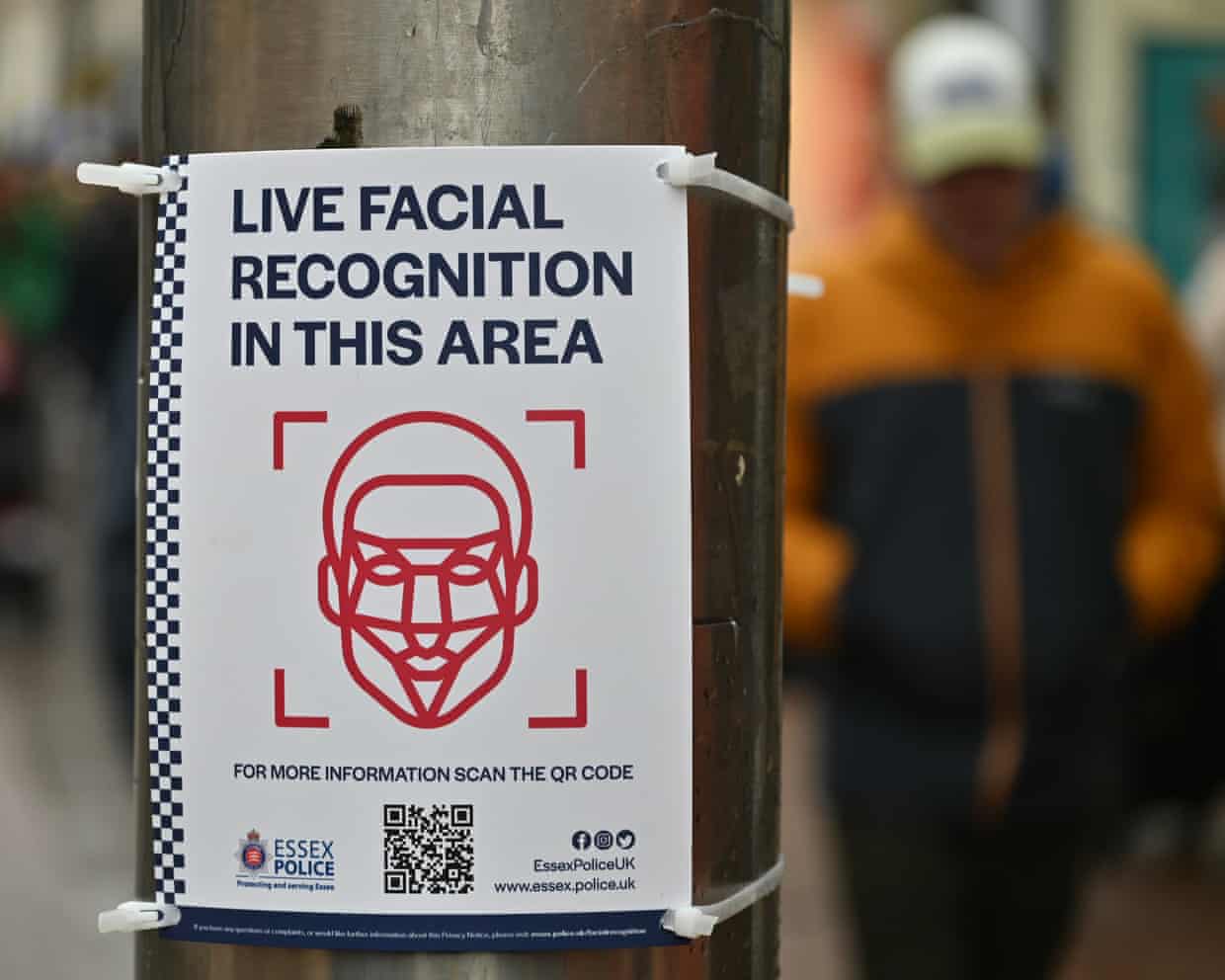
South Wales police said the figures raised concerns about disproportionality and that it was reviewing its approach. The data relates to a full year of use in 2025.
Civil liberties groups call findings alarming
Jake Hurfurt, head of research at Big Brother Watch, said the data shows intrusive biometric tools are being used to disproportionately target minority communities.
“This data shows that intrusive biometric tools are being used to disproportionately target minority communities.”
AI systems may amplify existing inequality
Aliya Mohammed, chief executive of Race Equality First, said facial recognition is not neutral because it uses AI and can reinforce and amplify inequality.
“Facial recognition is not neutral because it uses AI. If existing biases influence who is stopped and scanned, technology can reinforce and even amplify inequality.”
Man wrongly arrested after facial recognition error
Alvi Choudhury, 26, was arrested in February for burglary after police facial recognition software confused him with another person of south Asian heritage on a custody database.
“The police are under pressure to solve crimes and they are over-reliant on these AI tools. They shouldn't be arresting people based on the AI tools alone.”
Scale of facial scans in 2025
South Wales police officers initiated face scans of 257 adults and 14 children in 2025. More than half were suspected of a crime, being unlawfully at large or breaching bail.
Home Office announces facial recognition watchdog
Earlier this month, the Home Office announced a new facial recognition watchdog with power to stop police forces using the technology if they fail to follow new rules and laws.
The bottom line
South Wales police scanned ethnic minority people at four times the rate of white people in 2025, sparking warnings of racial bias in AI-enabled facial recognition.
Read the TL;DR — this story on one card.