From valorinternational · · 1m 10s
Brazil Prioritizes 27 Critical Minerals
Brazil divides 27 critical minerals into three priority tiers for government support and oversight.
In brief
Brazil divides 27 critical minerals into three priority tiers for government support and oversight. Brazil classifies 27 minerals into high, medium, and low priority tiers to manage access to government programs and corporate ownership changes. Originally reported by valorinternational.
Brazil classifies 27 minerals
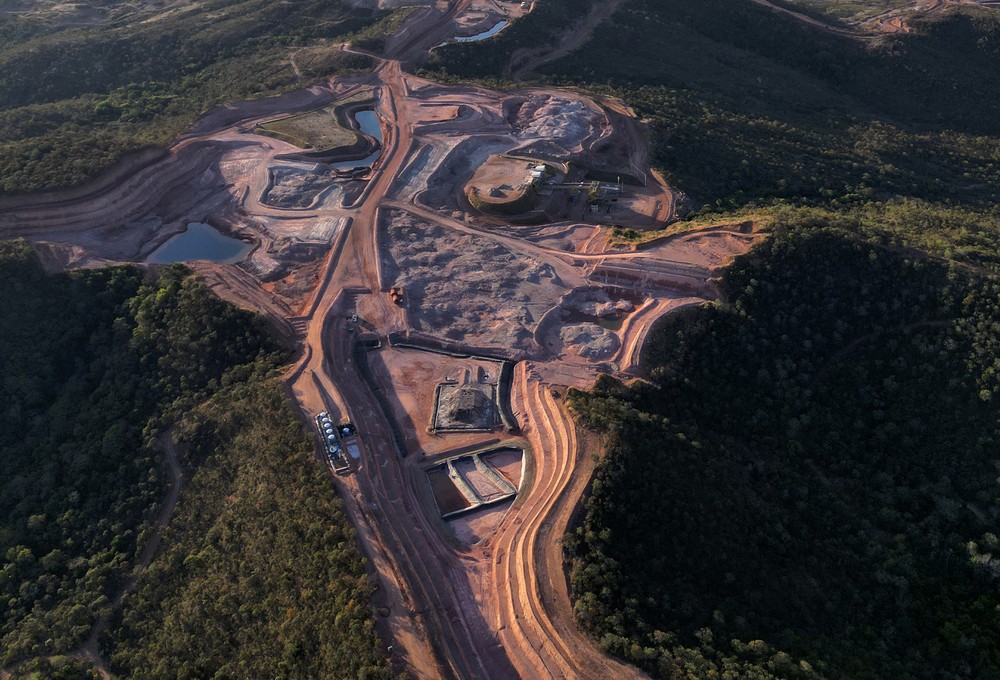
Brazil has drawn up a list of 27 minerals classified as critical and strategic for government support programs and corporate oversight.
Minerals divided into three tiers
The minerals are split into high, medium, and low priority tiers based on geopolitical risk, supply concentration, substitution potential, production chain position, and dependency.
High priority minerals
Rare earths, graphite, lithium, nickel, cobalt, copper, manganese, silicon, and uranium receive highest priority for government support and corporate screening.
Medium priority minerals
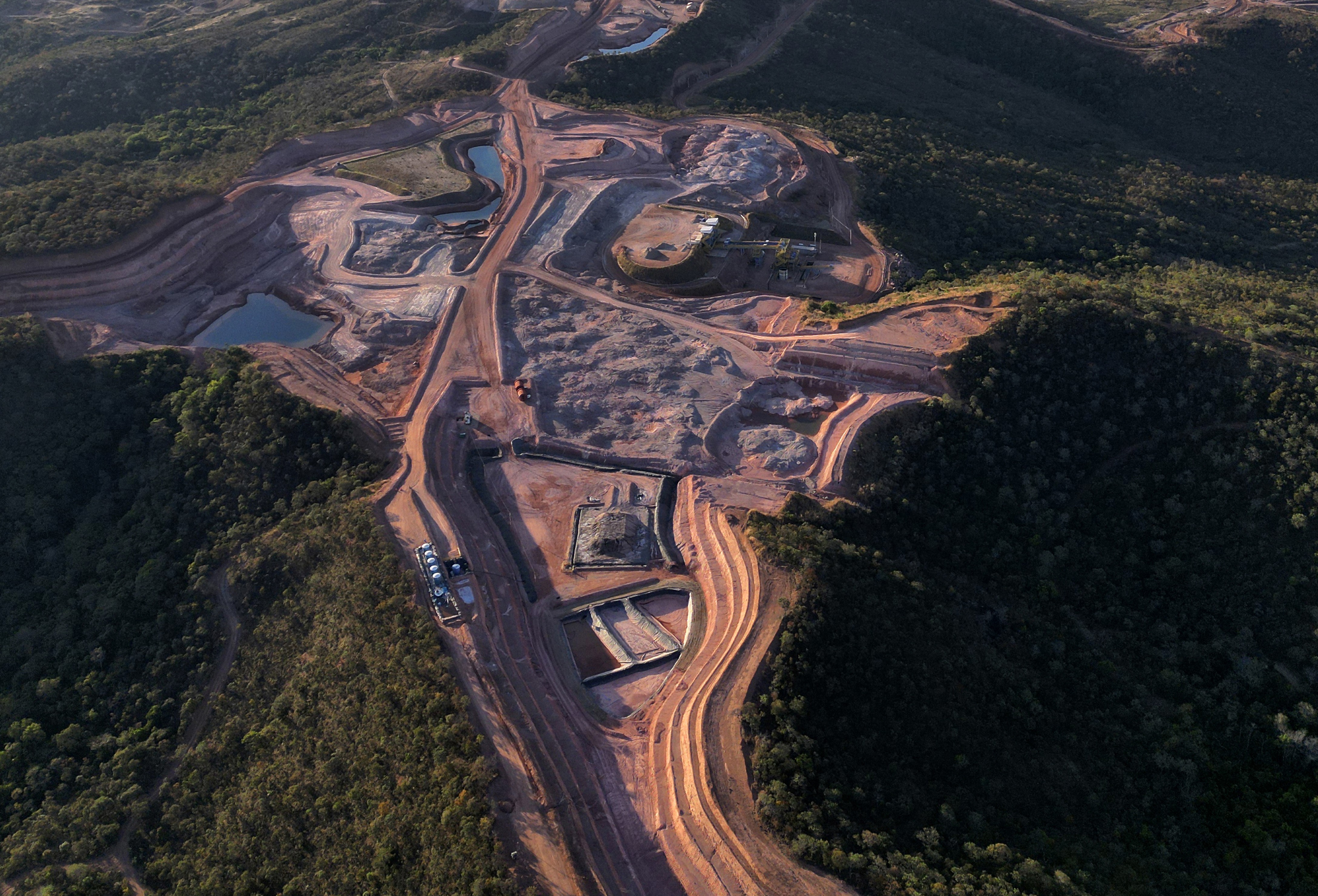
Tungsten, chromium, vanadium, tantalum, titanium, phosphate, potassium, and sulfur get medium priority for government support and corporate screening.
Low priority minerals
Niobium, tin, iron, zinc, gold, magnesium, molybdenum, thorium, aluminum, and platinum-group metals have lower priority for government support and corporate screening.
Government support criteria
The classification guides government action on critical mineral supply chains with limited resources to ensure national security and economic development.
The big picture
Brazil classifies 27 minerals into high, medium, and low priority tiers to manage access to government programs and corporate ownership changes.