From ABC7 New York · · 3m
Kohberger fights to undo guilty plea in Idaho murders
The convicted killer claims he was coerced into confessing to a crime he says he didn't commit.
In brief
The convicted killer claims he was coerced into confessing to a crime he says he didn't commit. Bryan Kohberger is attempting to withdraw his guilty plea by arguing he was pressured by his own lawyers with false promises, a legal strategy that succeeds in only a small fraction of cases. Originally reported by ABC7 New…
Kohberger challenges his conviction
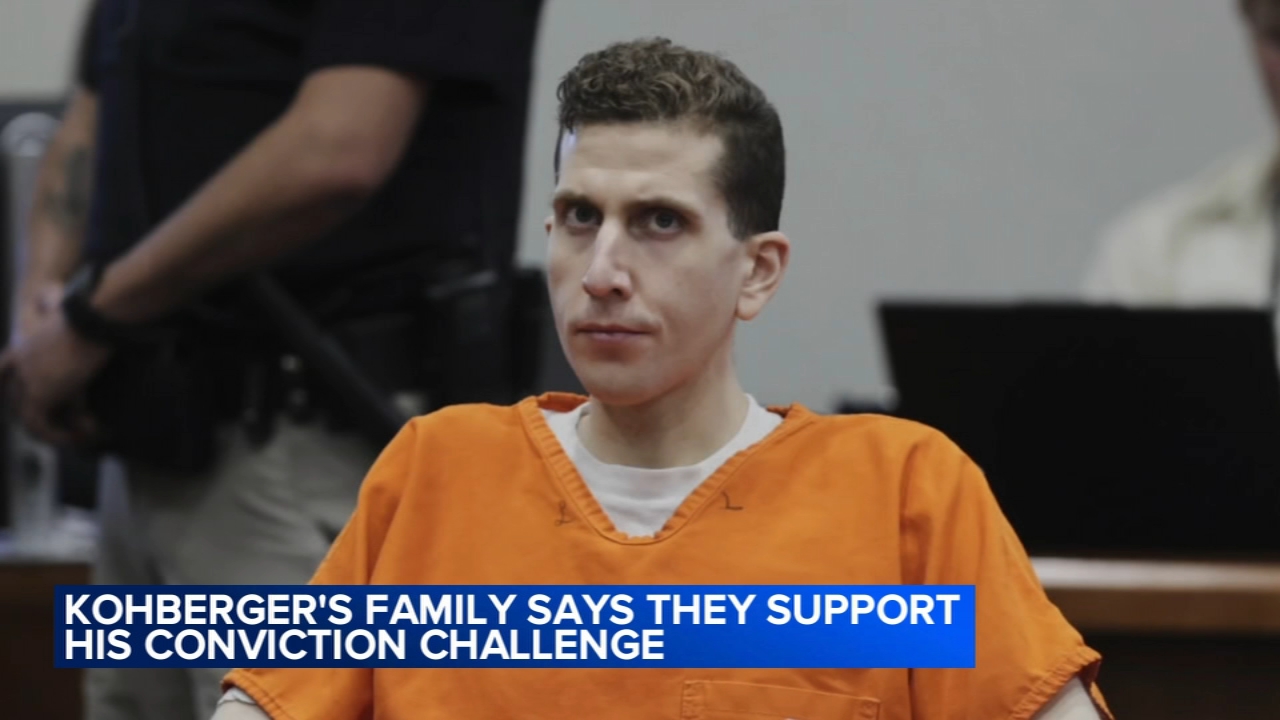
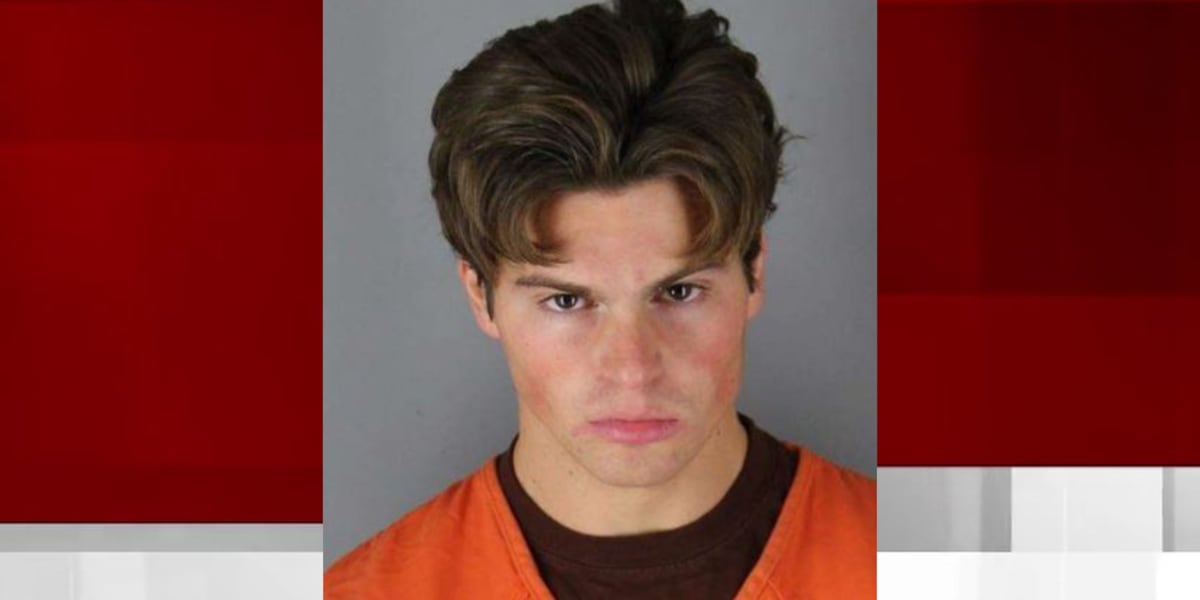
The man serving four consecutive life sentences for killing four Idaho college students in 2022 is working to withdraw his guilty plea, claiming he was coerced into falsely confessing.
“My actual innocence is my truth, and the plea, hinged on by false promises and blatant disinformation, MUST be withdrawn.”
His family backs his legal fight
Kohberger's family released a statement saying they support his post-conviction relief efforts, emphasizing they want the complete truth told through a proper trial.
“Our full support of Bryan's decision to pursue post-conviction relief does not come from a place of disregard.”
Judge bias claim triggers new hearing
Kohberger requested a new judge after sentencing Judge Steven Hippler called him the worst of the worst and said he found nothing redeeming about him.
“the worst of the worst”
The original crime and conviction

Kohberger, a former doctoral student in criminal justice, admitted to killing four college students in an off-campus Moscow house on November 13, 2022. He received four consecutive life sentences plus ten years for burglary.
Why plea deals are so common
About 98 percent of federal criminal cases end with plea bargains yearly. Yet roughly 28 percent of exonerated people since 2014 pled guilty to crimes they didn't commit.
The pressure behind guilty pleas
Andrea Lewis Hartung from Northwestern's Center on Wrongful Convictions explains people accept guilty pleas to avoid harsh sentences or capital punishment, not necessarily because they're guilty.
“People accept guilty pleas for all kinds of reasons, not necessarily because they were guilty.”
Death penalty was on the table
Prosecutors made clear early on they intended to seek capital punishment for first-degree murder, which in Idaho can result in death or life imprisonment.
Kohberger's defense team claims
Kohberger says his court-appointed lawyers, led by Ann Taylor, pressured him into the plea with false promises and failed to disclose exculpatory evidence despite his insistence of innocence.
Forensic expert questions the evidence
Dr. Brent Turvey, a forensic criminologist hired by Kohberger's team, says hair evidence points to someone else and the knife sheath was improperly handled and should have been inadmissible.
“the hair evidence points to someone else”
Cell phone data doesn't prove guilt

Turvey argues that video and cell tower data placing Kohberger near the murder scene has no value because college students drive around normally, and turning off a phone is typical behavior.
“College students drive around all the time. That's normal behavior.”
Withdrawing a plea is rare but possible
Jason Goldman, one of Kohberger's new attorneys, says pleas can be withdrawn by proving coercion through false promises or misrepresentations, though this outcome is uncommon.
“by bringing evidence to support the notion that you were coerced into accepting a plea through false promises”
Next legal milestones ahead
A hearing on Kohberger's request for a new judge is set for October 15. A hearing on his post-conviction relief motion is scheduled for June 17, 2027.
State vows to defend conviction
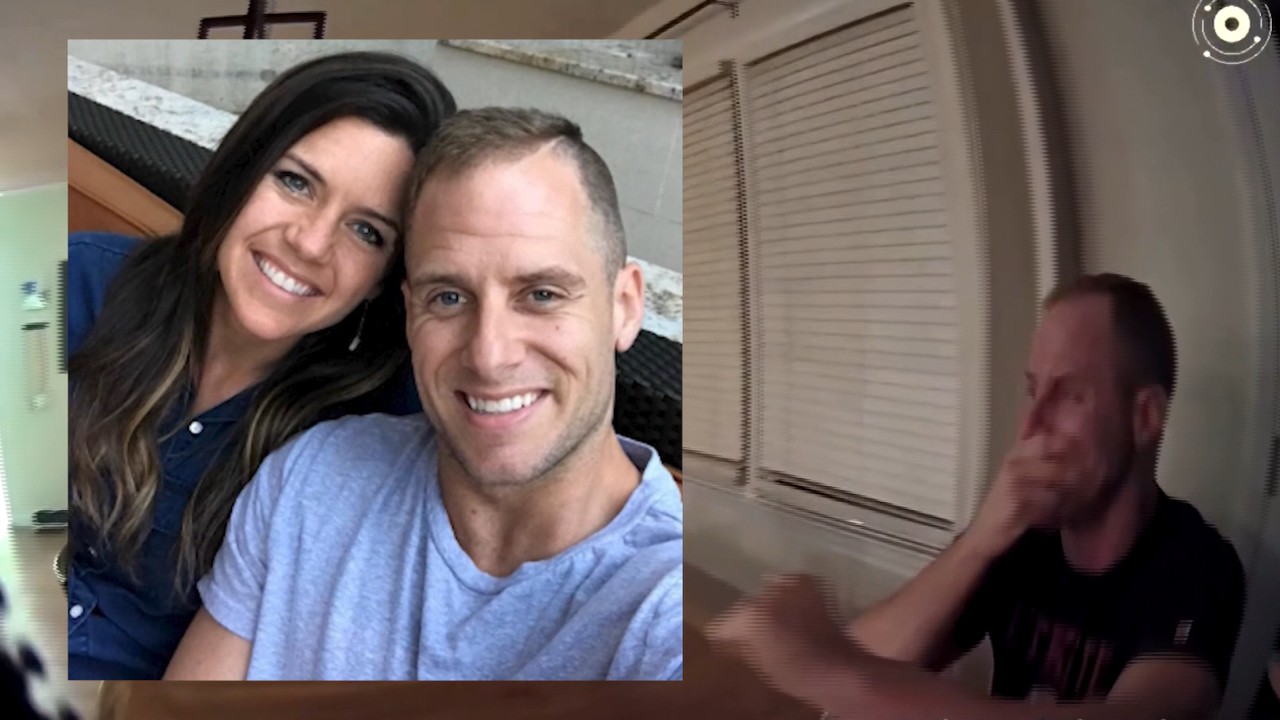
Idaho Attorney General Raúl Labrador expressed sympathy for victim families and said his office stands ready to ensure justice is fully carried out.
The essence
Bryan Kohberger is attempting to withdraw his guilty plea by arguing he was pressured by his own lawyers with false promises, a legal strategy that succeeds in only a small fraction of cases.