From Ars Technica · · 4m
Apple's M6 MacBook Pro feels stuck in the middle
The entry-level 14-inch MacBook Pro gets a faster chip but keeps an outdated design, making it hard to justify its $1,999 starting price.
In brief
The entry-level 14-inch MacBook Pro gets a faster chip but keeps an outdated design, making it hard to justify its $1,999 starting price. Apple's M6 MacBook Pro offers better performance but retains a 2021 design and lacks OLED and touchscreen features found in pricier models, making its $1,999 price hard to justify…
The awkward middle ground
Apple's entry-level fourteen-inch MacBook Pro has always occupied an uncomfortable position between the MacBook Air and higher-end MacBook Pros, with modest specs but premium pricing.
Design stuck in 2021
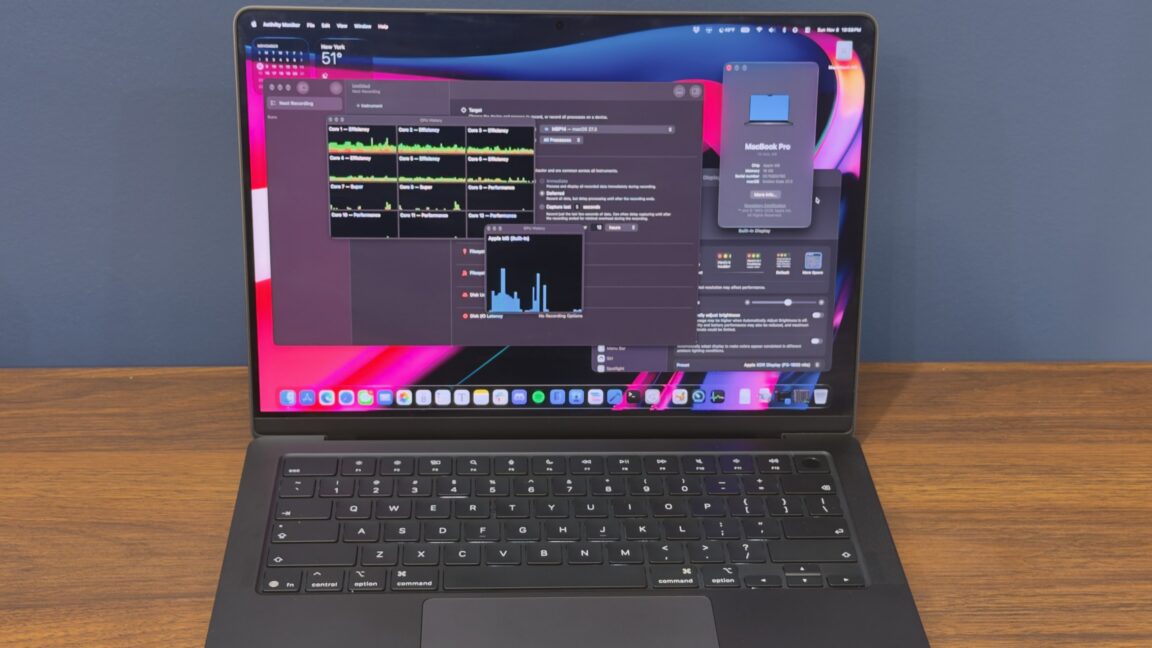
This year's entry-level model uses the same MacBook Pro design Apple has been using since two thousand twenty-one, with no touchscreen, OLED panel, Dynamic Island, or weight reduction.
M6 chip arrives
The MacBook Pro does get an Apple M6 chip, which is a major refresh with two super cores, four performance cores, and six high-efficiency cores, plus twelve GPU cores.
Price jumps significantly
The M6 MacBook Pro starts at one thousand nine hundred ninety-nine dollars, seven hundred dollars more than the basic M1 MacBook Pro from two thousand twenty and four hundred more than last year's M5.
What you get for the price
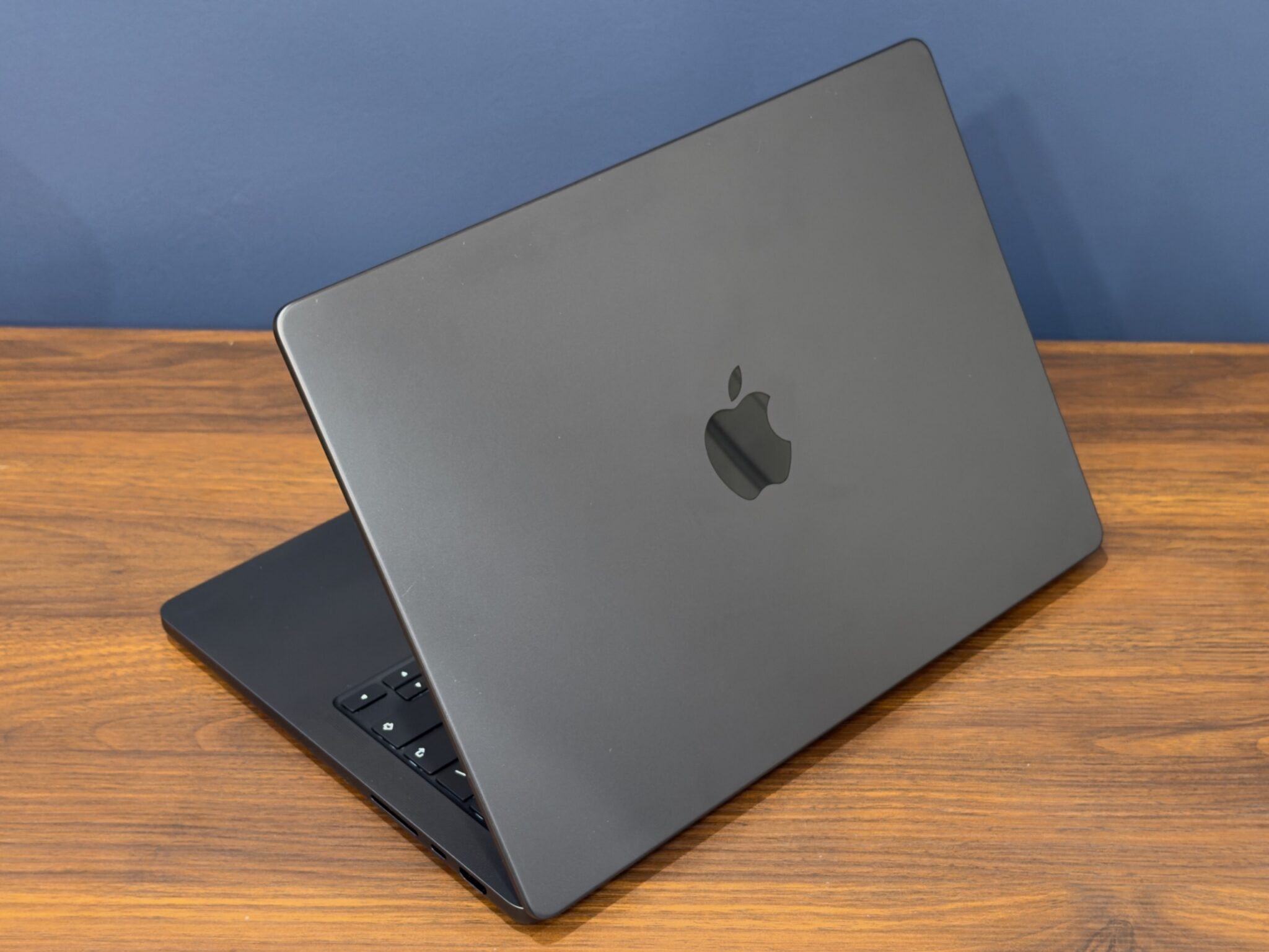
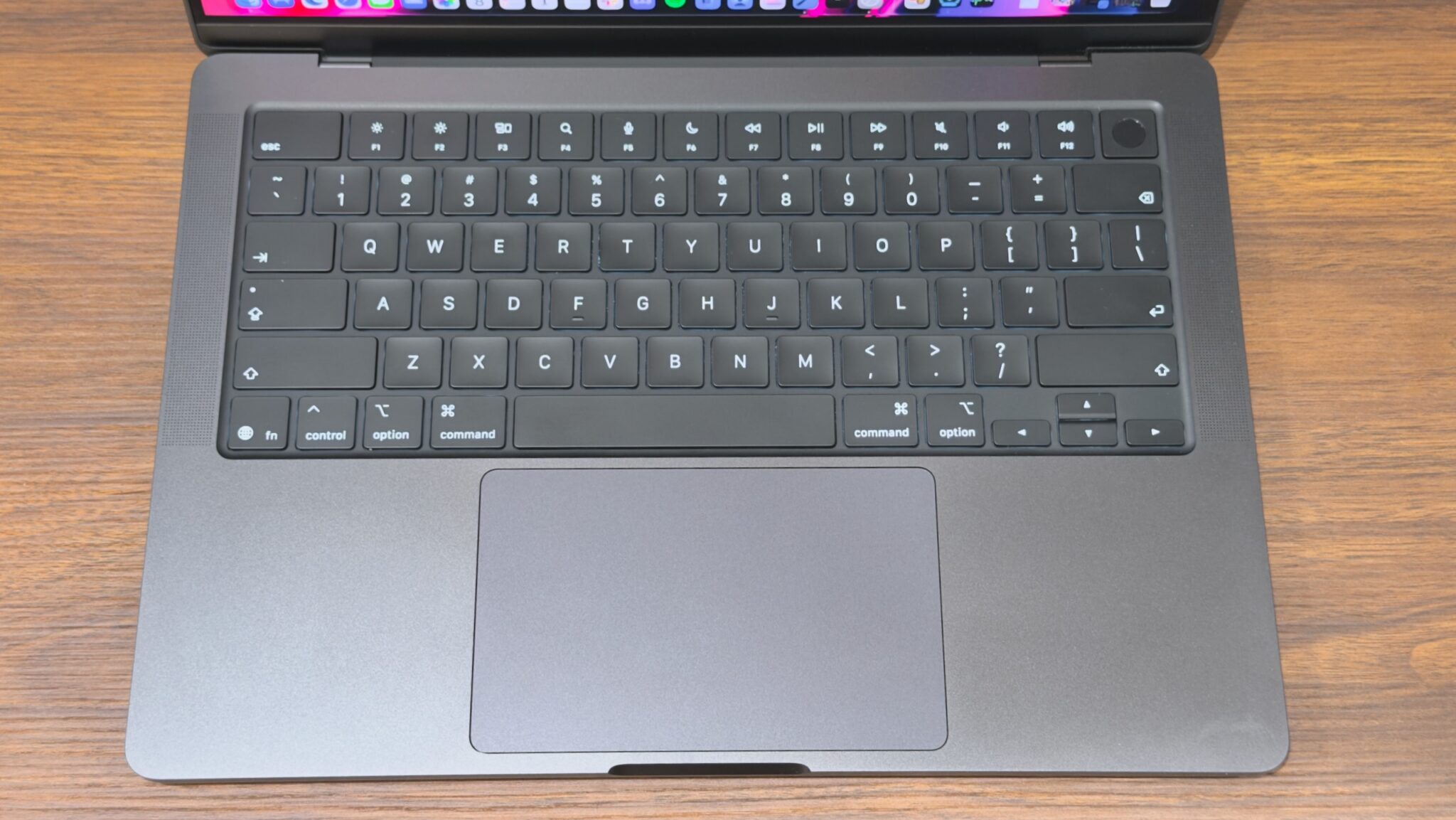
The base model remains the cheapest way to get a one hundred twenty hertz ProMotion display or the anti-glare nano-texture display finish from one of Apple's laptops.
Screen specs explained
The fourteen-point-two-inch display features a mini-LED panel with local dimming, one thousand nits SDR brightness, sixteen hundred nits HDR brightness, and one hundred twenty hertz refresh rate.
Ports beat the Air
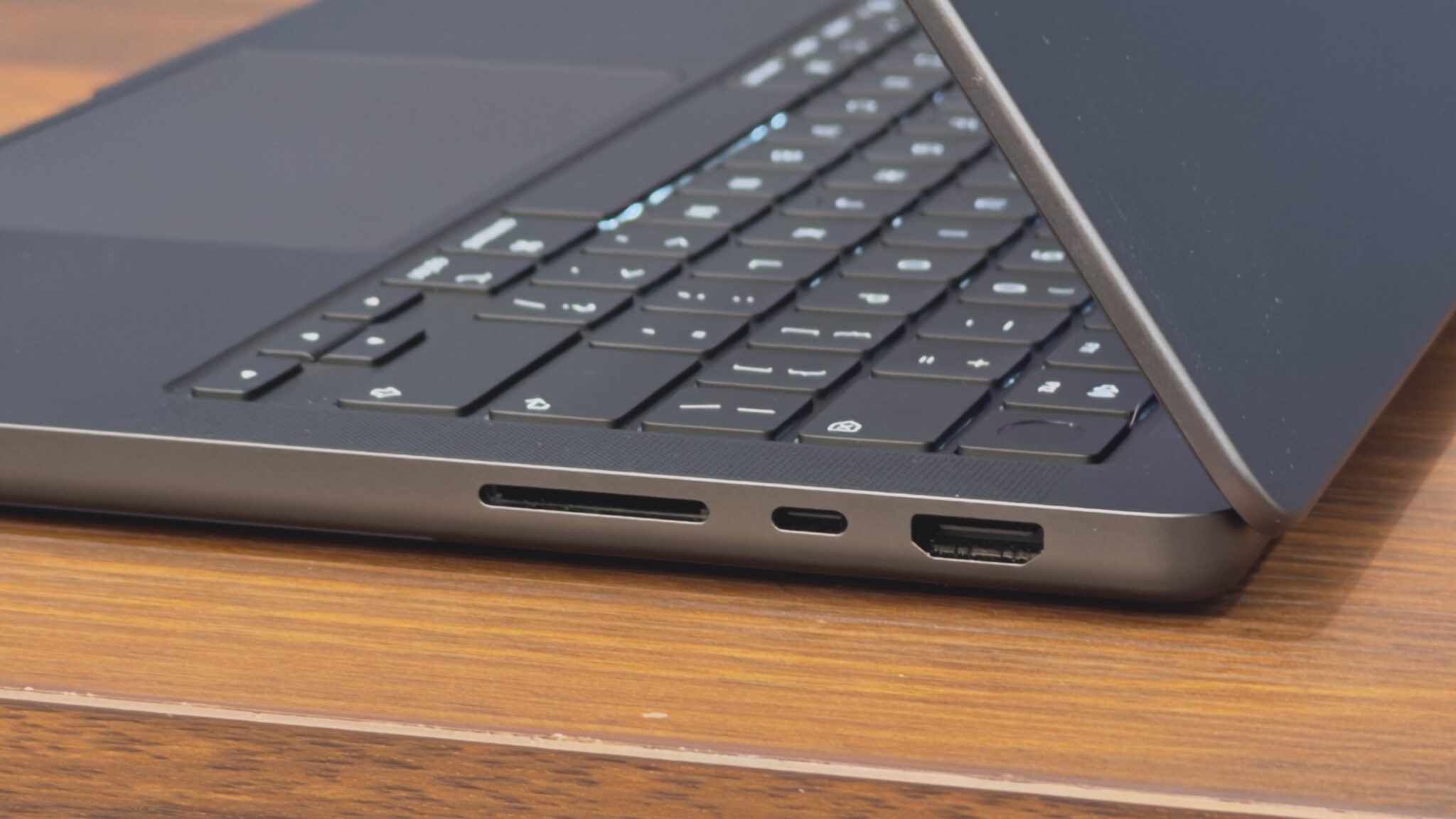
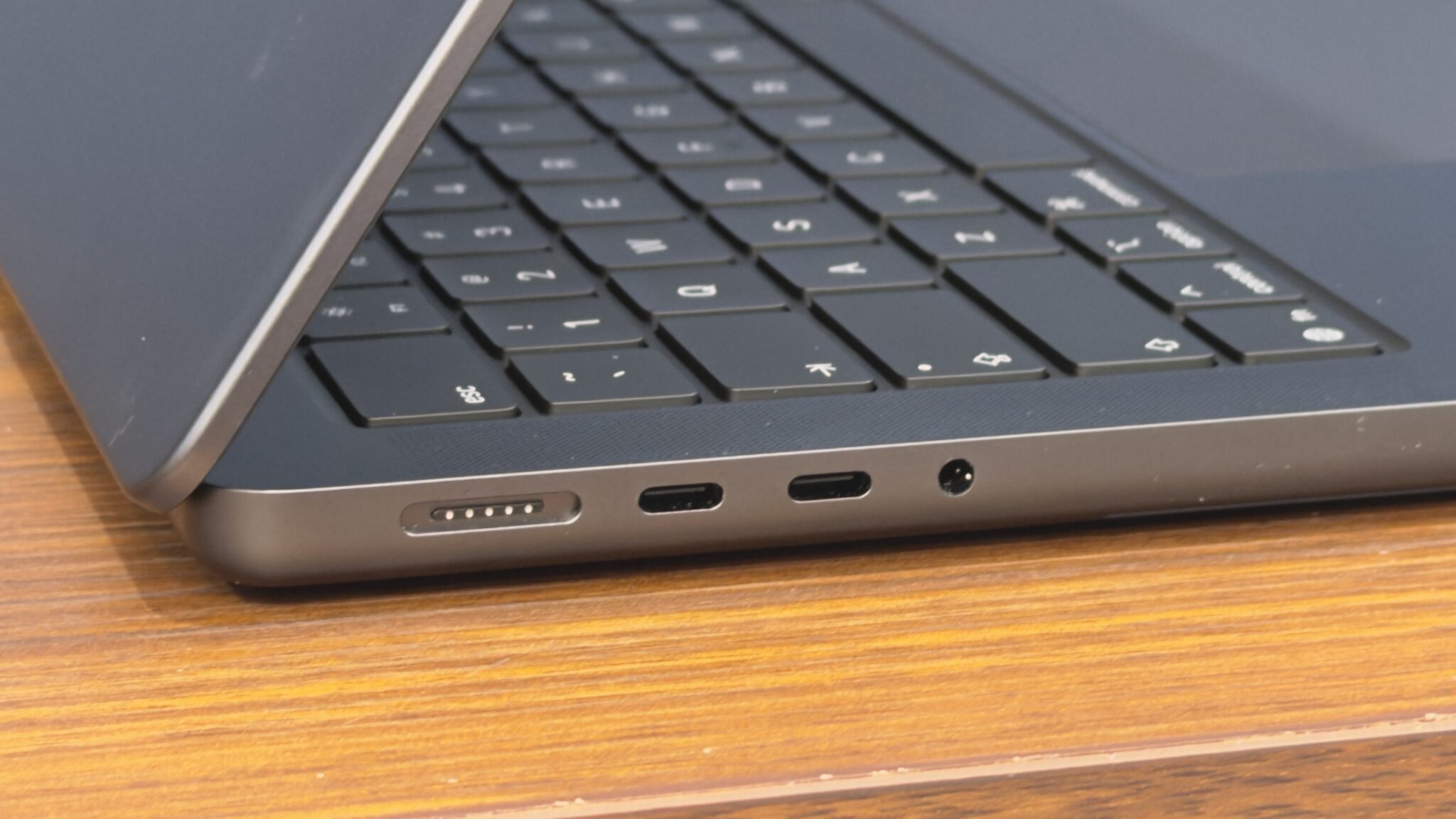
The MacBook Pro includes MagSafe, three Thunderbolt four ports, HDMI, SD card reader, and headphone jack, offering more connectivity than the MacBook Air.
Performance gains over M5
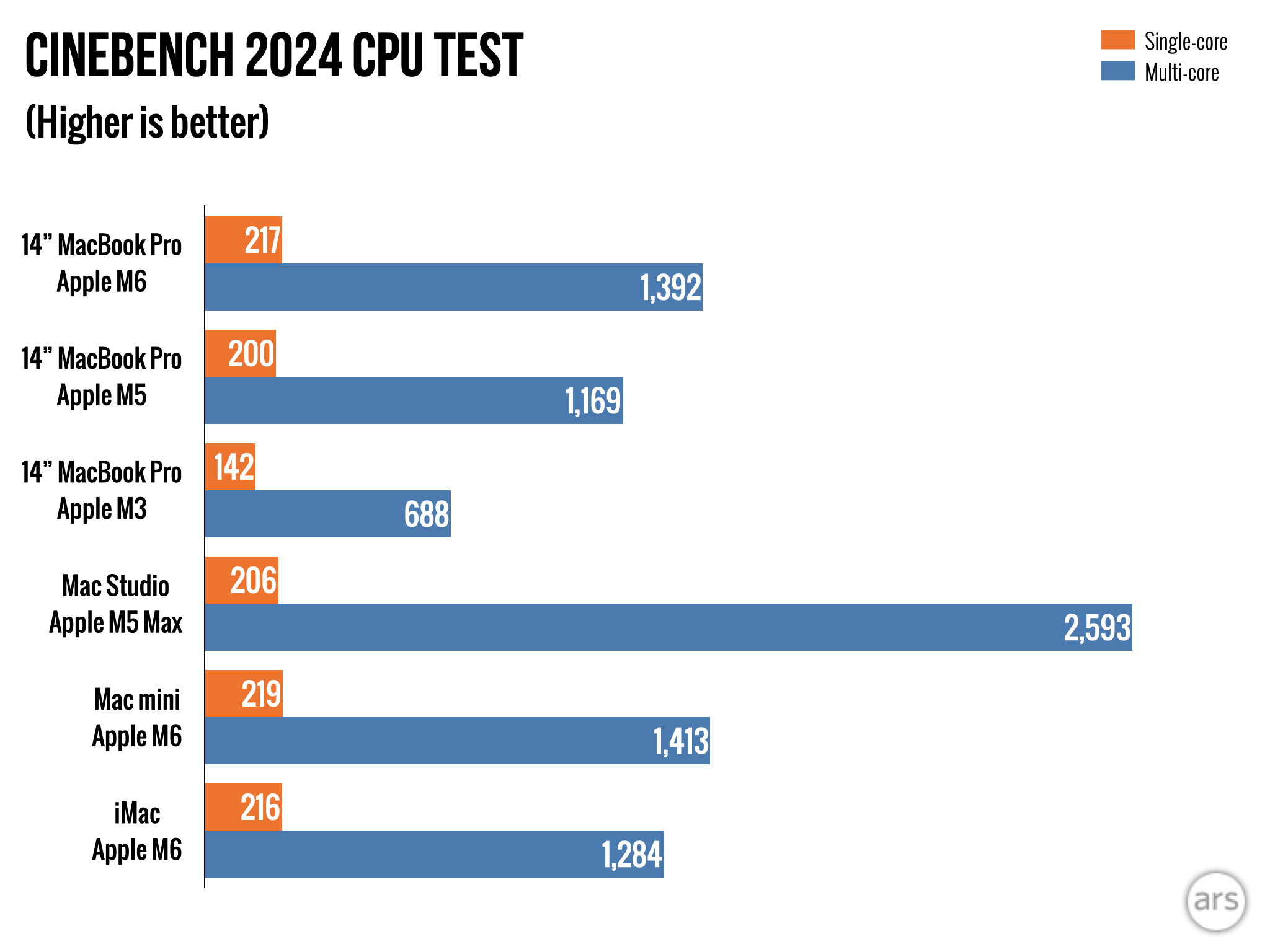
Compared to last year's M5 MacBook Pro, the M6 version offers around seven percent better single-core CPU performance and fifteen percent better multi-core performance.
Bigger jumps from older chips
Compared to the M3 MacBook Pro, the M6 version offers around thirty percent better single-core CPU performance and between forty and sixty percent faster multi-core and graphics performance.
M6 beats pricier models
The M6 delivers Apple's best single-core CPU performance and a larger Neural Engine than the M5 Pro, making this cheaper Mac faster in specific ways than more expensive versions.
Power efficiency improves
Under load, the M6 is faster than the M5 while consuming the same amount of power, meaning it is more power-efficient than its predecessor.
Design updates came late
This MacBook Pro tier did not get the two thousand twenty-one-era design updates until the M3 version was released in two thousand twenty-three, a two-year delay.
OLED rollout timeline unclear
The OLED MacBook Pros have not fully replaced non-OLED versions of the M5 Pro and M5 Max laptops, suggesting a slow trickle-down of new screen technology to cheaper models.
Storage mandate raises price
The M6 MacBook Pro comes with one terabyte of base storage whether you need it or not, which helps boost the starting price to one thousand nine hundred ninety-nine dollars.
Comparison to MacBook Air
The thirteen- or fifteen-inch MacBook Air offers similar performance at lower prices, making it hard to justify paying five hundred to seven hundred dollars more for this MacBook Pro.
The core problem
This laptop's target buyer wants MacBook Air-ish performance with more ports and the best-possible screen, but the M6 version no longer gets Apple's best-possible screen.
“someone who is OK with MacBook Air-ish performance, but with more ports and the best-possible screen”
Verdict: awkwardly positioned
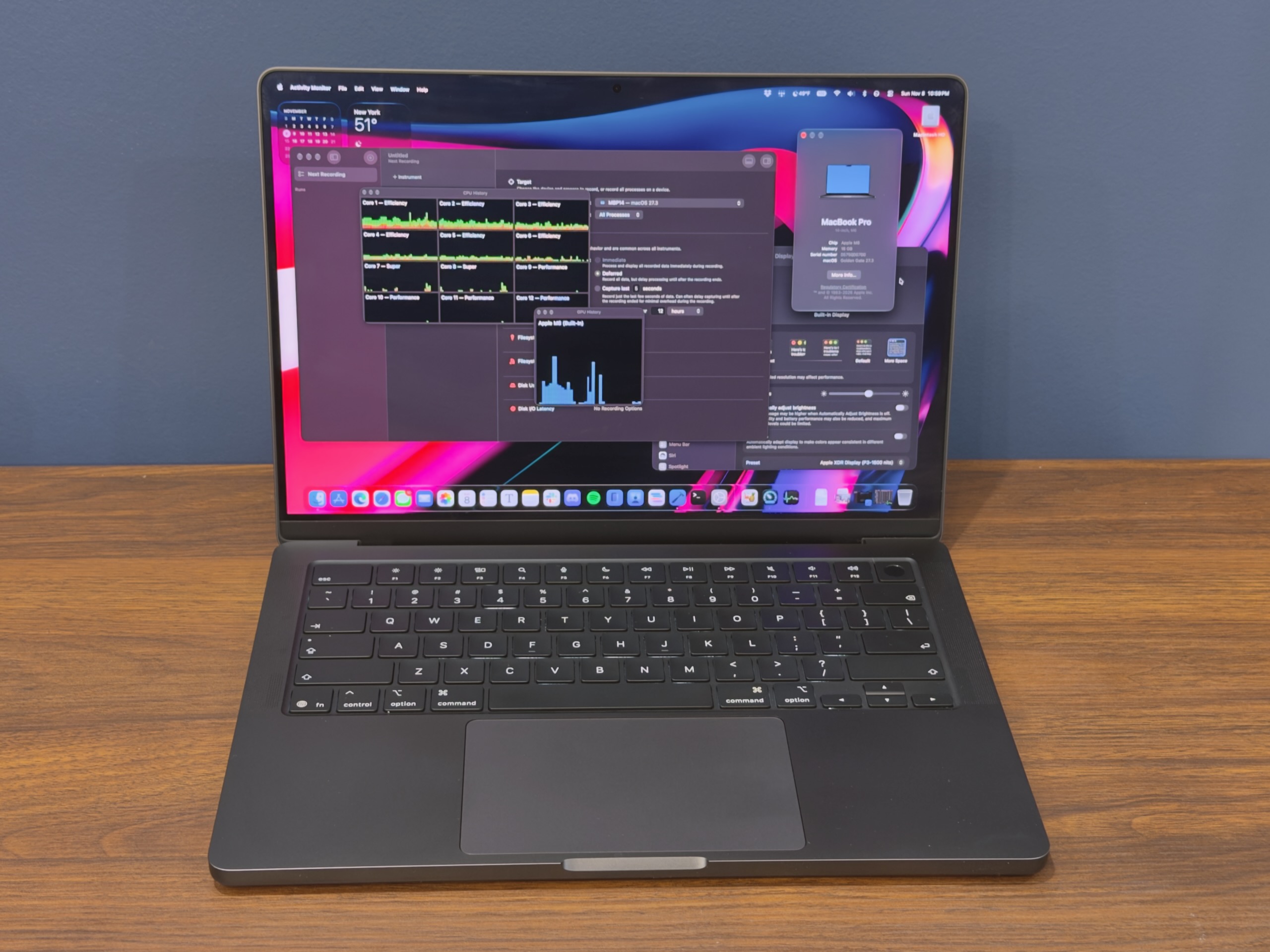
The M6 MacBook Pro is not a bad laptop, but it is an awkwardly positioned one that struggles to justify its premium price against cheaper alternatives with better features.
“This isn't a bad laptop, but it is an awkwardly positioned one.”
The short version
Apple's M6 MacBook Pro offers better performance but retains a 2021 design and lacks OLED and touchscreen features found in pricier models, making its $1,999 price hard to justify against cheaper alternatives.