From Ars Technica · · 3m
FDA warns GLP-1 drugs may raise vision loss risk
The FDA is requiring obesity drug makers to warn of a rare eye condition that can cause permanent vision loss, though evidence remains mixed.
In brief
The FDA is requiring obesity drug makers to warn of a rare eye condition that can cause permanent vision loss, though evidence remains mixed. The FDA now requires makers of popular obesity drugs including Ozempic and Wegovy to warn of a potential link to a rare eye condition causing permanent vision loss. Originally…
FDA warns of rare eye condition
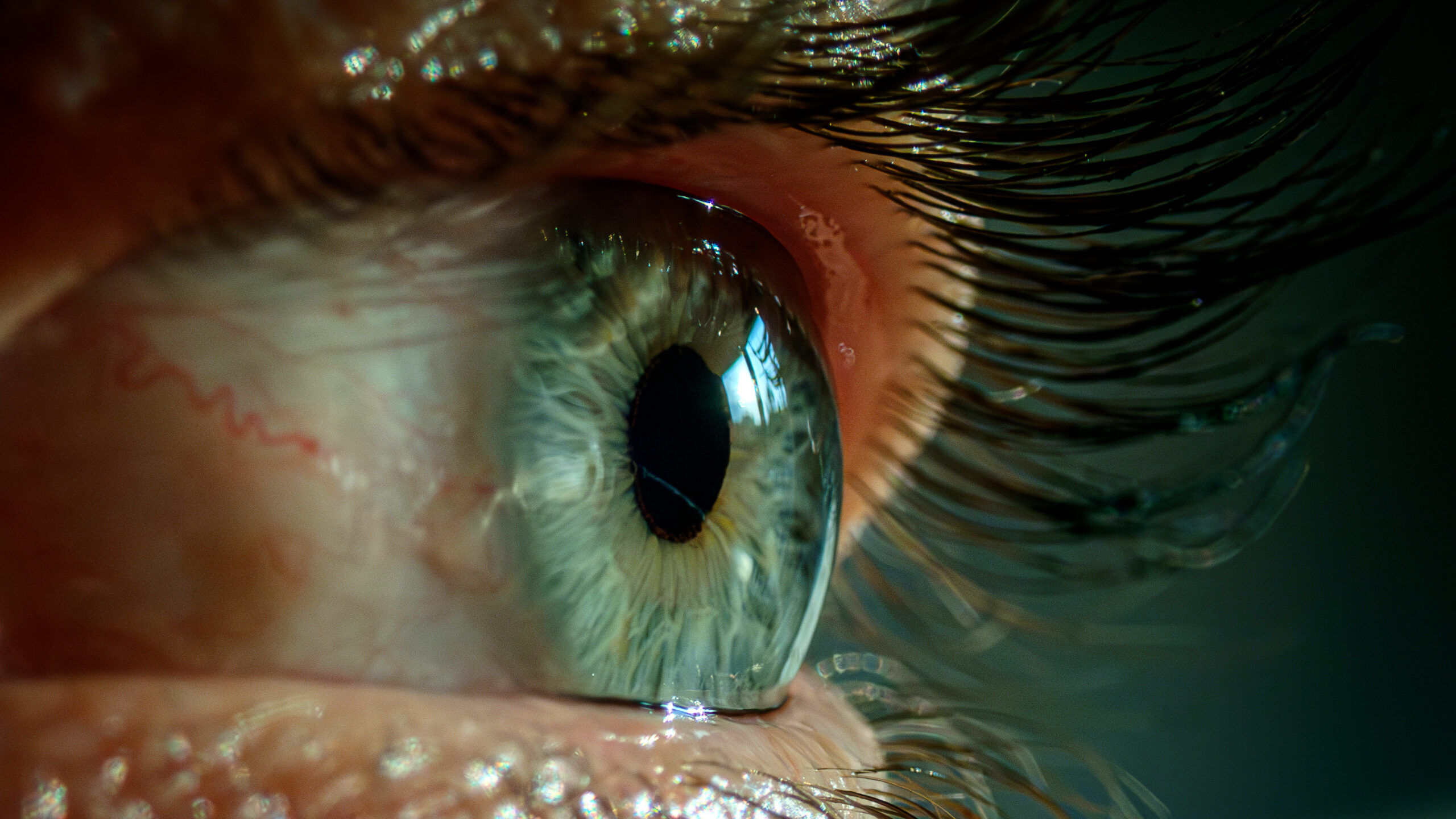
The Food and Drug Administration says popular obesity drugs including Ozempic, Wegovy, Zepbound, and Mounjaro may carry a potential increased risk of a rare eye condition.
What is NAION
The condition is called non-arteritic anterior ischemic optic neuropathy or NAION.It is caused by restricted blood flow to the optic nerve, leading to swelling, cell death, and abrupt vision loss that can often be permanent.
How rare is NAION
NAION occurs in somewhere between two and ten people in one hundred thousand in the general population, according to the American Academy of Ophthalmology.
First study showed a link
Harvard University researchers published a study in JAMA Ophthalmology in two thousand twenty-four examining seven hundred ten patients with diabetes and nine hundred seventy-nine patients with overweight or obesity taking semaglutide or other drugs.
Harvard study found higher rates
Among diabetes patients, eight point nine percent taking semaglutide had NAION compared to one point eight percent on non-GLP-1 drugs.
Study had significant limitations
All patients came from one referral center treating most of the region's NAION cases.The incidence rates were much higher than in the general population, suggesting selection bias.
Later studies showed mixed results
After the Harvard study, researchers conducted meta-analyses and observational studies.Some found no link, others found links only in specific comparisons, and some backed up the association.
FDA's own analysis was inconclusive
The FDA conducted a meta-analysis of one hundred twenty-six trials with over one hundred thirty thousand patients.It found fifteen probable NAION cases: ten in patients taking GLP-1, five on placebo, and none on non-GLP-1 drugs.
European agency reached similar conclusion
The European Medicines Agency concluded in two thousand twenty-five that NAION is a very rare side effect of semaglutide, meaning it may affect up to one in ten thousand people taking semaglutide.
“NAION is a very rare side effect of semaglutide (meaning it may affect up to 1 in 10,000 people taking semaglutide).”
FDA recommends shared decision-making
The FDA advises healthcare providers to consider discontinuing GLP-1 drugs in patients who develop NAION, unless the benefits of treatment clearly outweigh the risk.
“consider discontinuing the GLP-1 RA in patients who develop NAION, unless the benefits of treatment clearly outweigh the risk.”
Ophthalmologists emphasize uncertainty
The American Academy of Ophthalmology said there may be an association between GLP-1 use and NAION, but NAION remains rare, any increase in absolute risk appears small, and causation has not been established.
“there may be an association between GLP-1 [receptor agonist] use and NAION, but NAION remains rare, any increase in absolute risk appears small, and causation has not been established.”
The main idea
The FDA now requires makers of popular obesity drugs including Ozempic and Wegovy to warn of a potential link to a rare eye condition causing permanent vision loss.