From Ars Technica · · 3m
Margaret Hamilton, Apollo's code pioneer, dies at 90
The software engineer who coined her field and saved the Apollo 11 landing with a failsafe she designed.
In brief
The software engineer who coined her field and saved the Apollo 11 landing with a failsafe she designed. Margaret Hamilton, who led Apollo's flight software development and coined the term software engineering, has died at ninety. Originally reported by Ars Technica.
Pioneer of software itself
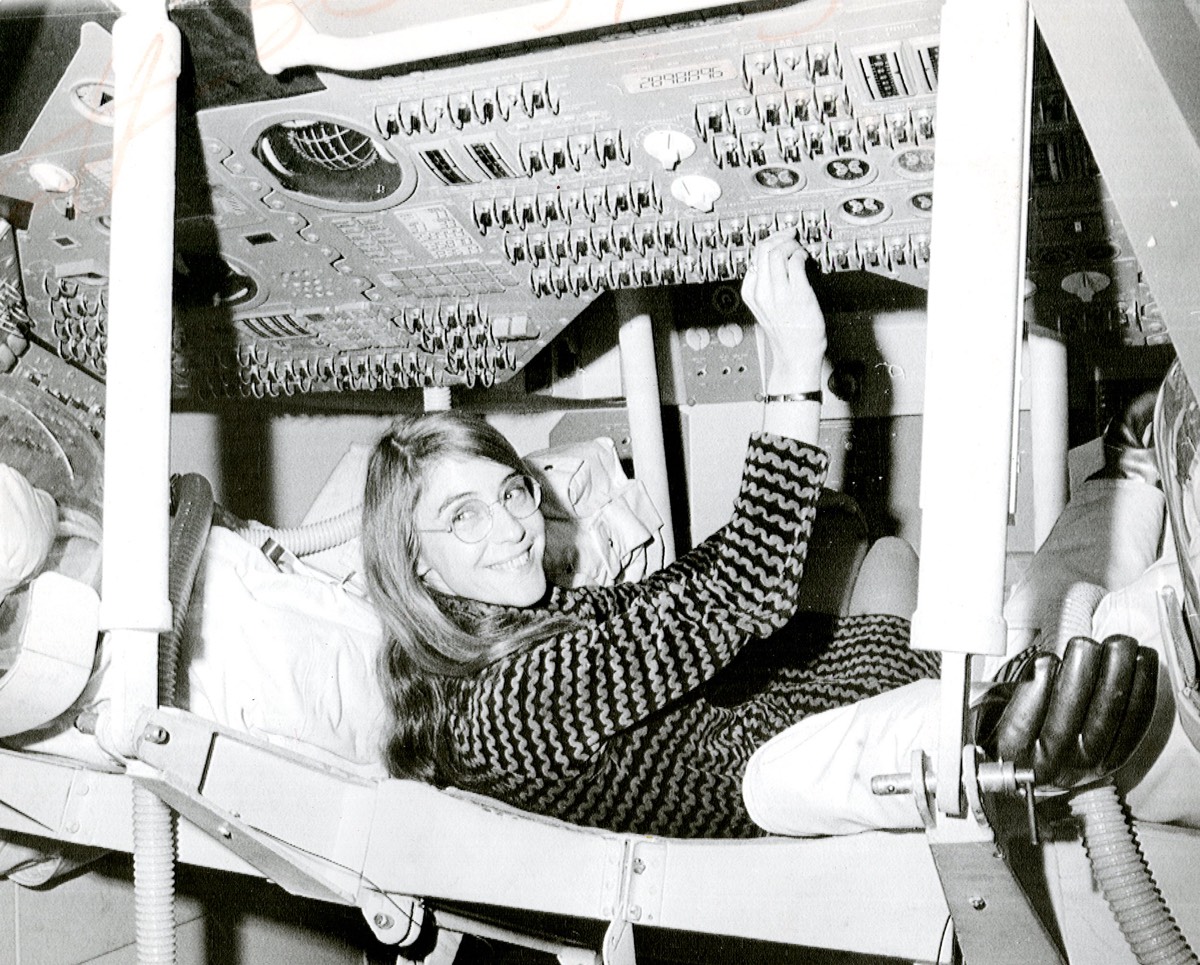
Margaret Hamilton, who coined the term software engineering, led development of onboard flight software for NASA's Apollo program in the nineteen sixties. She died last week at age ninety.
From weather to the Moon
Born in nineteen thirty-six in Paoli, Indiana, Hamilton graduated from Earlham College in nineteen fifty-eight with a mathematics degree. She programmed Edward Lorenz's weather simulation on an LGP-thirty computer at MIT.
Teaching herself to code
Neither Lorenz nor Hamilton had programming knowledge when they started. Hamilton bypassed the clunky debugging process by rolling paper tape down the hallway and editing binary code by hand with a pencil.
“I'd poke holes for ones, and I'd cover up with Scotch tape the others.”
The SAGE project and reliability
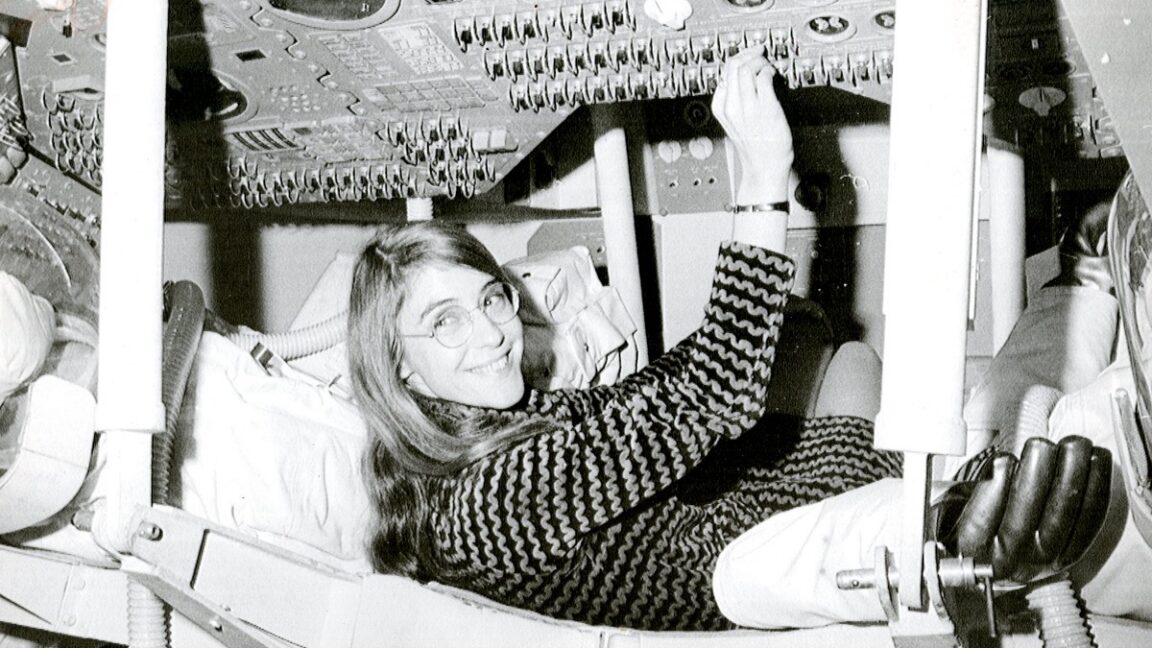
In nineteen sixty-one, Hamilton moved to the SAGE project at MIT, writing software for a prototype XD-one computer for the US Air Force. She became interested in software reliability during this period.
First programmer on Apollo
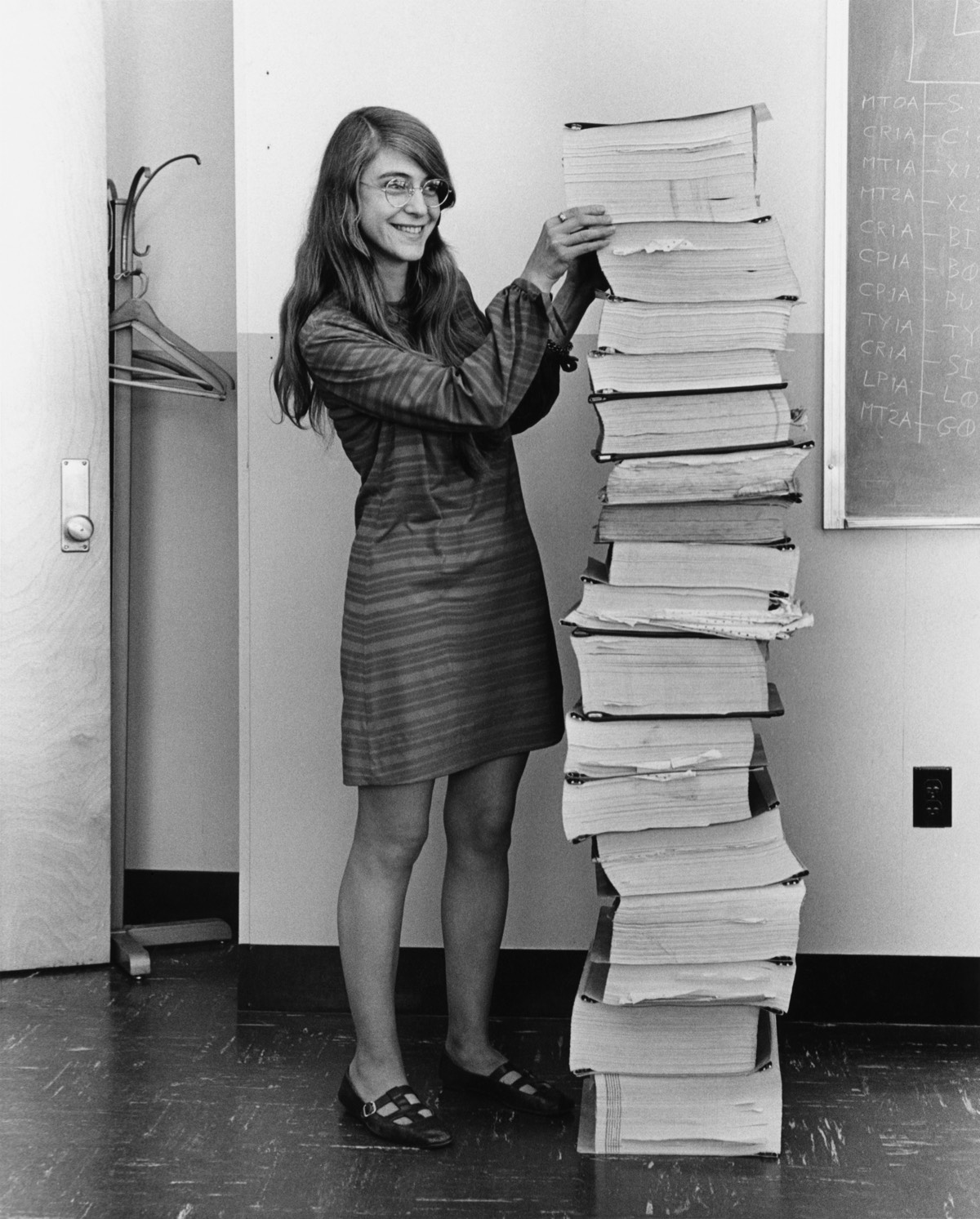
By nineteen sixty-five, Hamilton was hired as the first programmer and first woman at MIT's Instrumentation Lab to develop onboard guidance computer software for NASA's Apollo program, working on six lunar landing missions from nineteen…
The rope mother
Binary code was stored using copper wires wound around cores. Hamilton was responsible for those wires, earning her the moniker rope mother, since New England textile workers wove them together into long ropes.
The Lauren bug
Hamilton brought her four-year-old daughter Lauren to the lab on nights and weekends.Lauren's random button-pressing typed P zero one, a pre-launch sequence, crashing the system.
The failsafe that saved Apollo
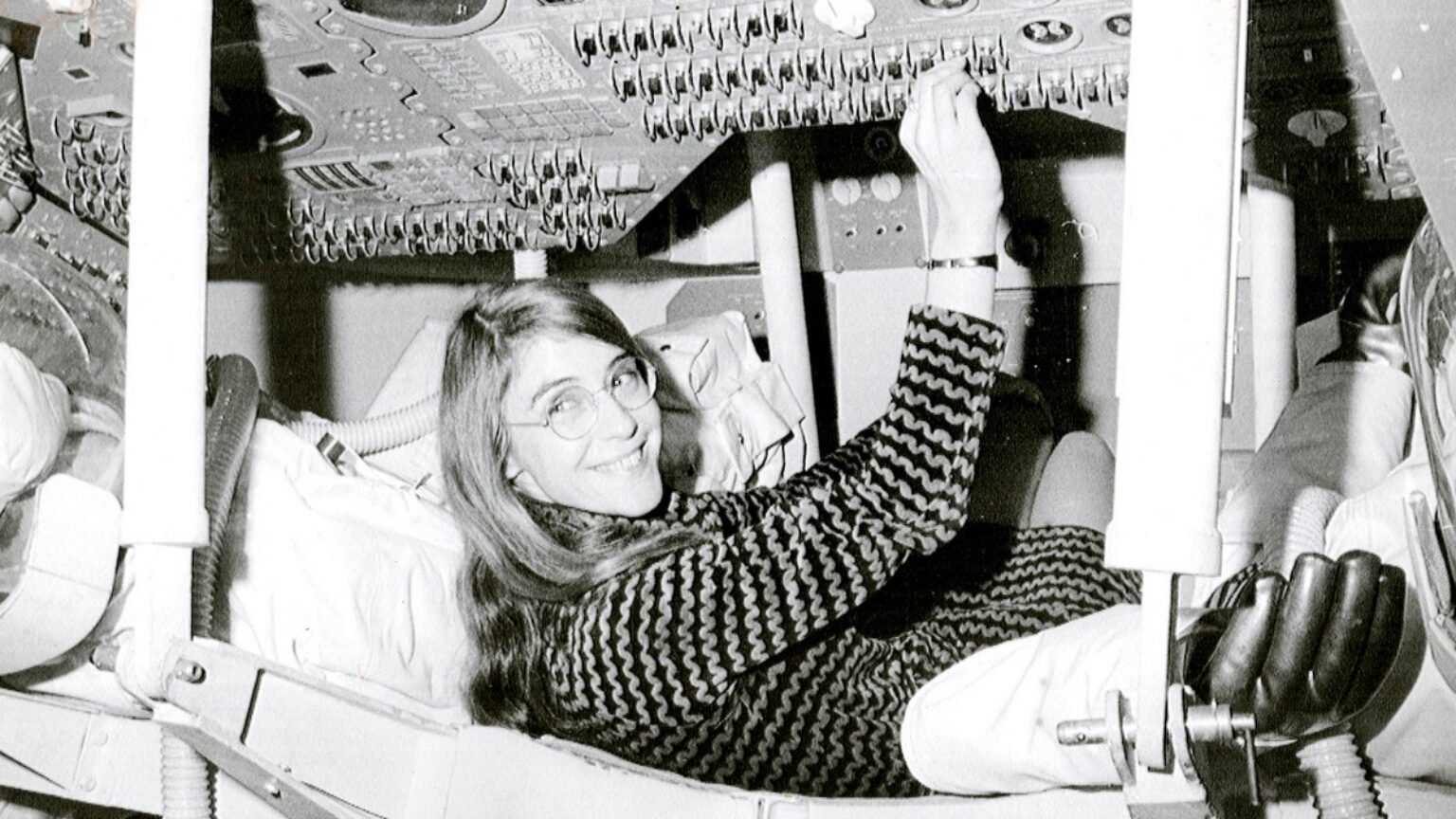
By nineteen sixty-eight, Hamilton was assistant director in charge of the Command and Service Module team.
Apollo eleven's critical moment
As the Eagle lunar module approached the Moon on Apollo eleven in nineteen sixty-nine, Buzz Aldrin entered codes to display altitude and other data.
Hamilton's code saved the landing
Hamilton's failsafe meant the computer was prioritizing essential tasks and canceling nonessential ones. The alarm let astronauts know this was happening. Thanks to Hamilton's foresight, Eagle safely landed on the Sea of Tranquility.
“If the computer hadn't recognized this problem and taken recovery action, I doubt if Apollo 11 would have been the successful Moon landing it was.”
Recognition and legacy
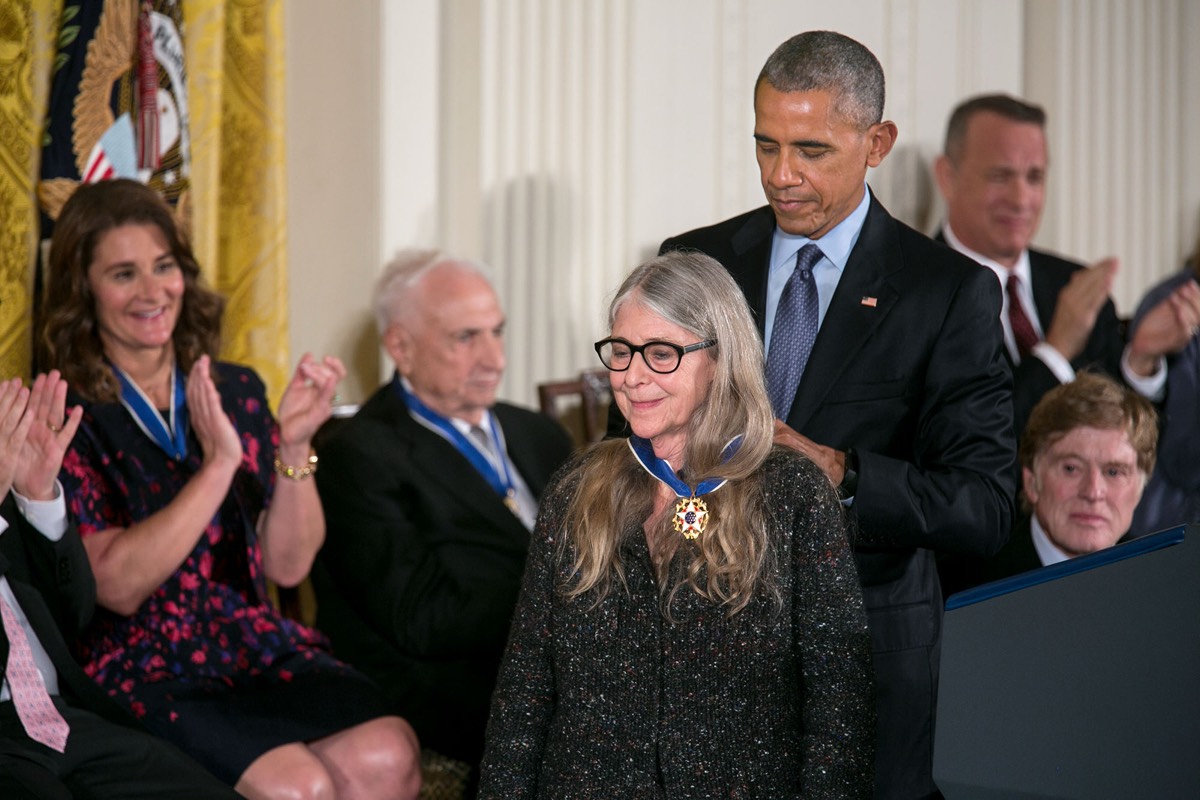
Hamilton received the Presidential Medal of Freedom in twenty sixteen. In twenty seventeen, she was immortalized as a LEGO minifig in the Women of NASA set alongside astronauts Mae Jemison and Sally Ride.
After Apollo, founding her own company
After the Apollo program ended, Hamilton worked at the Instrumentation Lab until nineteen seventy-six, when she founded Higher Order Software based on her work on error prevention and fault tolerance.
Her lasting impact on software
Hamilton Technologies' main product is the Universal Systems Language for developing complex software systems that prioritized error prevention and defensive programming. Her work transformed how software is built and tested.
In short
Margaret Hamilton, who led Apollo's flight software development and coined the term software engineering, has died at ninety.